The Fifth California Climate Assessment predicts more water scarcity, smoke, flooding, and heat. But new technology and projections can give us a roadmap to prepare.
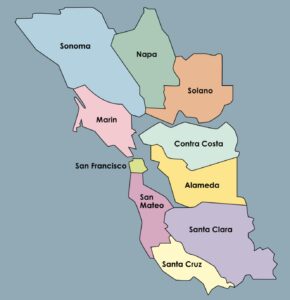
City & County Initiatives

Bay Area Regional Initiatives
Resilience Hub


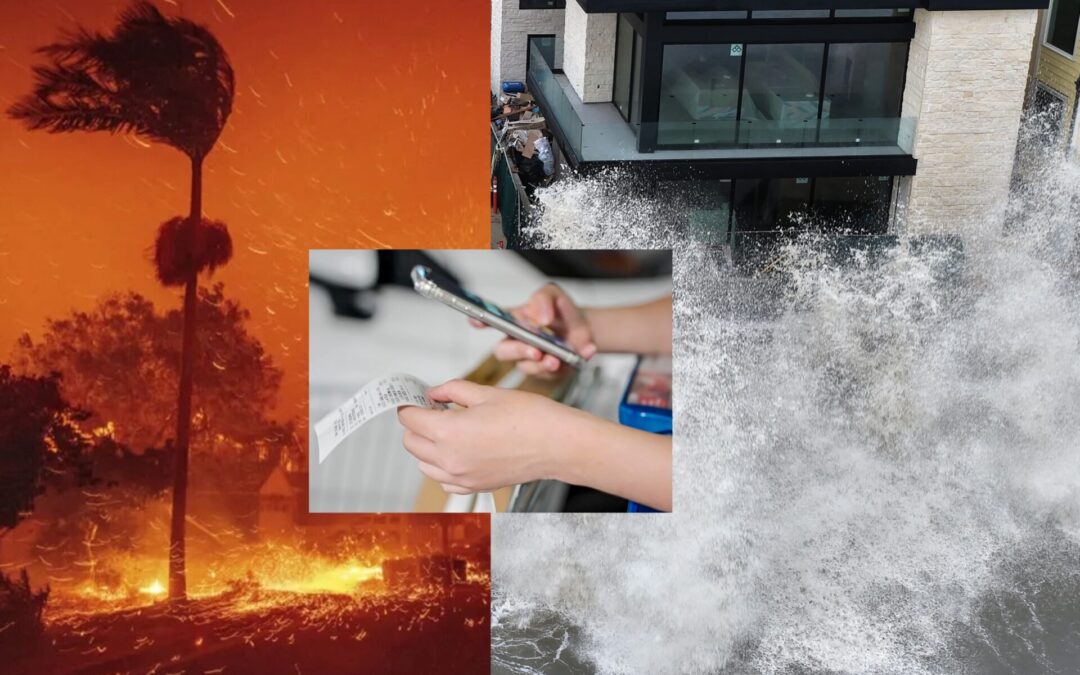
The Fifth California Climate Assessment predicts more water scarcity, smoke, flooding, and heat. But new technology and projections can give us a roadmap to prepare.
Too many of this year’s crop of Democratic candidates are squandering the opportunity to connect the affordability crisis to the climate crisis.
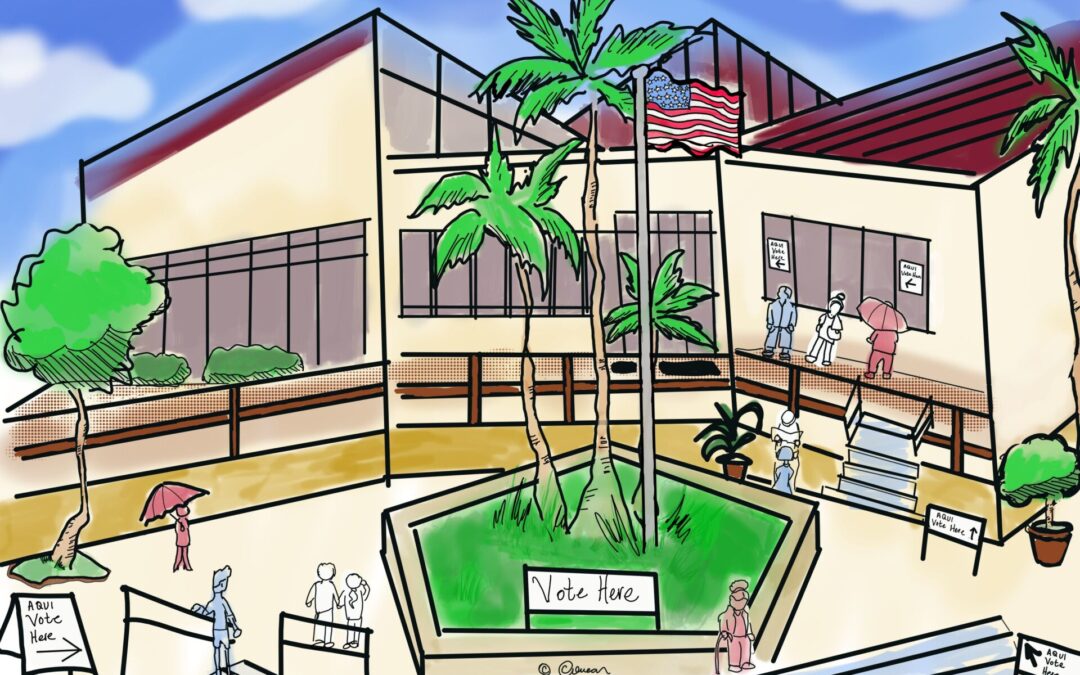
Voters have a chance to approve more than $13 billion in resilient and transportation infrastructure funding for the Bay Area and the state this midterm election.
All Stories
The agency is grappling with how to protect highways, public transit, and biking and walking paths from the rising waters of the coming century.

The Fifth California Climate Assessment predicts more water scarcity, smoke, flooding, and heat. But new technology and projections can give us a roadmap to prepare.
Too many of this year’s crop of Democratic candidates are squandering the opportunity to connect the affordability crisis to the climate crisis.
Voters have a chance to approve more than $13 billion in resilient and transportation infrastructure funding for the Bay Area and the state this midterm election.
Typically an undercovered downballot race in the past, the election of California’s next insurance commissioner could reshape the state’s fire and flood coverage.
The law, which applies to grass that isn’t used for recreational purposes, could cut urban water use across California by more than 20% says Oakland thinktank.
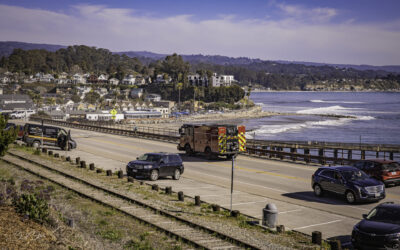
Local and state leaders gather for September summit on how to mainstream nature-based infrastructure.
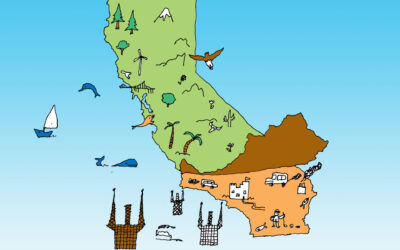
NOAA is reviewing California’s Coastal Management Program in a renewed push for offshore oil and gas drilling.
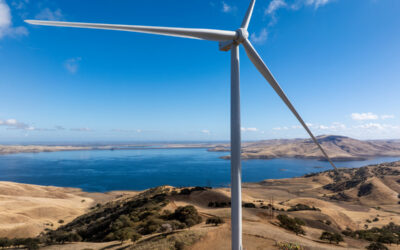
In Pacheco Pass, a decades-old wind farm is getting an upgrade that will double CleanPowerSF’s wind energy.

From the Sierra Nevada to the Mojave Desert, the state’s native scorpions are losing habitat as heat, wildfires, and development reshape ecosystems.

Good Grief Network offers 10-week peer support groups where sharing feelings of climate distress and grief fights despair.
Good Grief Network reúne a personas para, durante diez semanas, hablar de sus sentimientos de angustia y duelo, y así combatir la desesperanza climática.

This building method can help clear forests of smaller trees that burn easily while also reducing the carbon footprint of new homes and offices.

Humans find ways to co-exist with beavers, tweaking dams to prevent flooding and create more climate resilience.
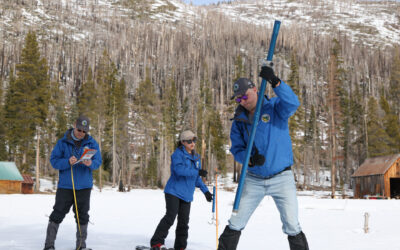
February’s drought and deluge confirms that uncertainty may be a given for California snowpack, western water supply, and wildfire risk.
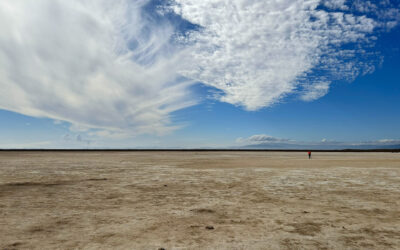
Bay Conservation and Development Commission to vote early this year on amendments designed to expedite approval of climate projects.
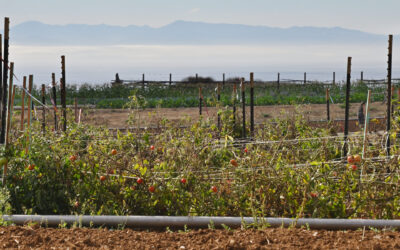
UC Santa Cruz researchers find the highly-desired ‘Early Girl’ variety yields more tomatoes under dry-farmed conditions.
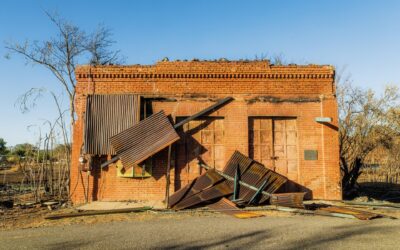
One of California’s oldest Gold Rush settlements takes stock after a devastating fire — a photo essay.
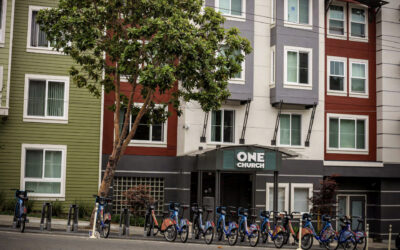
California Environmental Quality Act updates may open up more housing, but some are sounding alarms about bypassed environmental regulations.
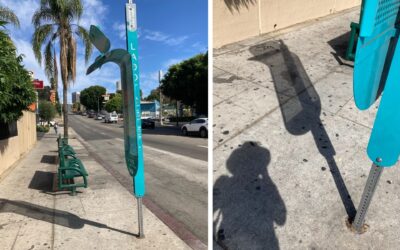
After witnessing fire disasters in neighboring counties, Marin formed a unique fire prevention authority and taxpayers funded it. Thirty projects and three years later, the county is clearer of undergrowth.
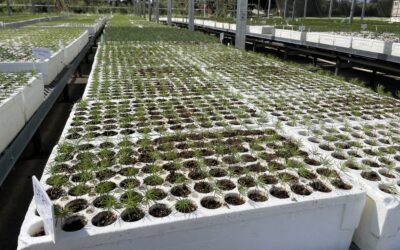
To survive climate change, California forests need more than re-planting — they need seedlings matched to tomorrow’s conditions.
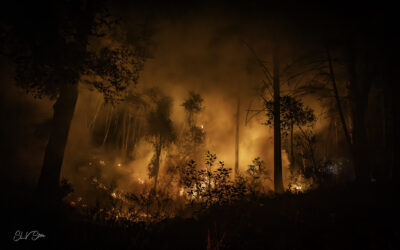
Fires and floods are scaring insurance companies away from disaster zones, but communities are doing their part to improve outcomes.

Cheng spoke to KneeDeep’s UC Berkeley reporting partner about decarbonization work during the Trump era.
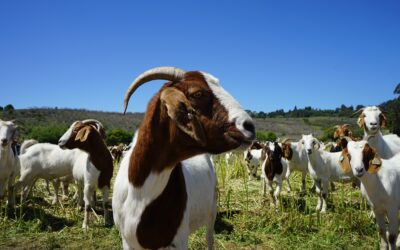
Hoof by hoof, a family-run targeted grazing operation is reducing fire risk for homes, schools, and open spaces.
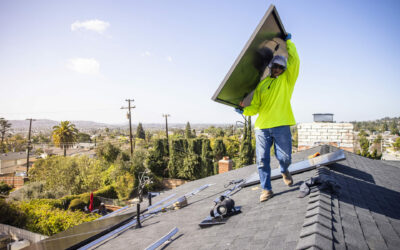
California’s solar energy is breaking records. Workforce programs like GRID Alternatives are preparing new solar installers to meet the growing need.
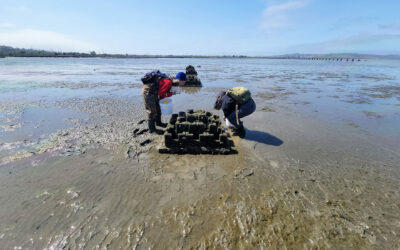
Can the humble Olympia oyster stabilize shorelines and fight rising seas across the West Coast? With a little help from human engineering, there’s a good chance.
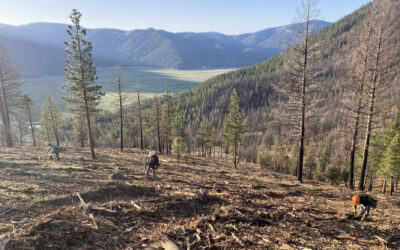
Federal funding cuts halt wildfire protection and farm aid across Sonoma and California’s Resource Conservation Districts.
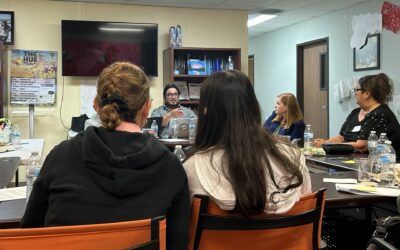
Coachella Valley communities face record temperatures with little shade. Policy changes lag as local groups push for heat equity.
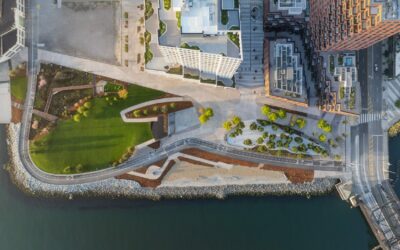
In KneeDeep’s new column, The Practice, we daylight how designers, engineers and planners are helping communities adapt to a changing climate.
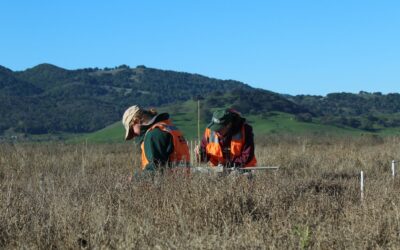
By standardizing and coordinating data collection, the Wetlands Regional Monitoring Program will supercharge new analyses of restoration projects.
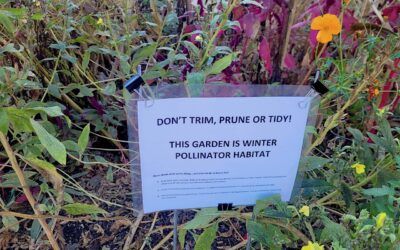
Your messy garden might be saving beneficial insects. Before you reach for the rake, learn about how dead leaves and stems help pollinators overwinter.
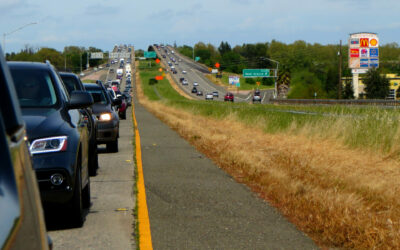
A new study investigates whether long-term exposure to traffic-related air pollution can increase the risk of developing Parkinson’s in three California counties.
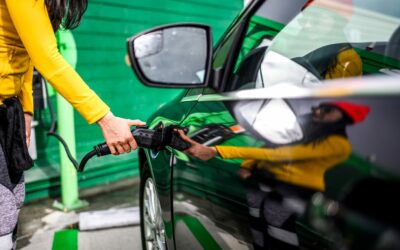
As California aims for net zero, bidirectional EV charging may be key to achieving clean energy goals. Kurt Johnson talks solar, EVs, and SB 59.
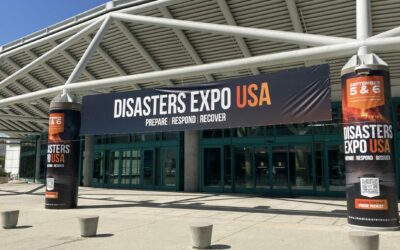
A reporter visits the LA Disasters Expo to get expert advice and finds a suite of products for securing your home, building a community network, and preparing for emergencies.
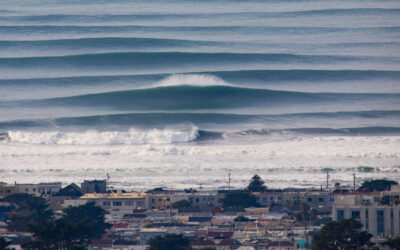
The California Coastal Commission has updated their Sea Level Rise Policy Guidance with new Senate Bill 272 guidelines and more certainty about near-term sea level rise.
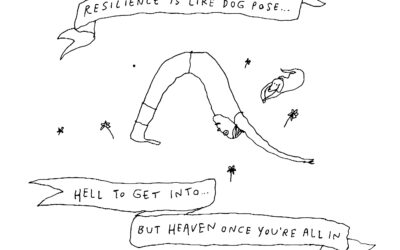
Are you a young writer, artist, photographer, creator, or storyteller? We want you to be a part of our magazine.
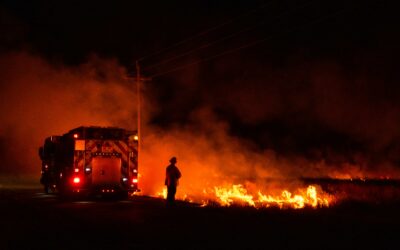
KneeDeep revisits some of our most thought-provoking stories about how we experience hot weather and fire season, and what local communities and governments are doing to protect us from impacts.
Could middle income folks end up paying an unfair portion of the cost of the energy transition thanks to the new income-generated fixed charge?
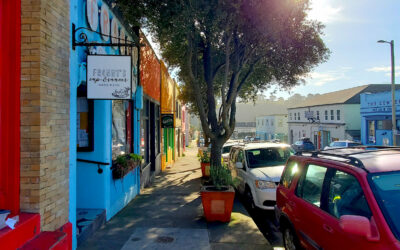
After experiencing wildfire, flooding, power outages, and even a snowstorm in the last three years, Point Arena residents are taking climate preparedness into their own hands.
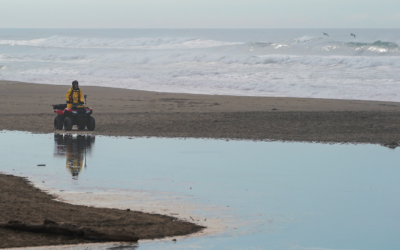
Even though Dan Hoover’s been surveying the same stretch of San Francisco’s Pacific coast for 15 years on his ATV, it never looks the same. In summer it’s wider and in winter narrower. With El Niño the beach will erode more than ever.