



Who’s on First at the SF Seawall?
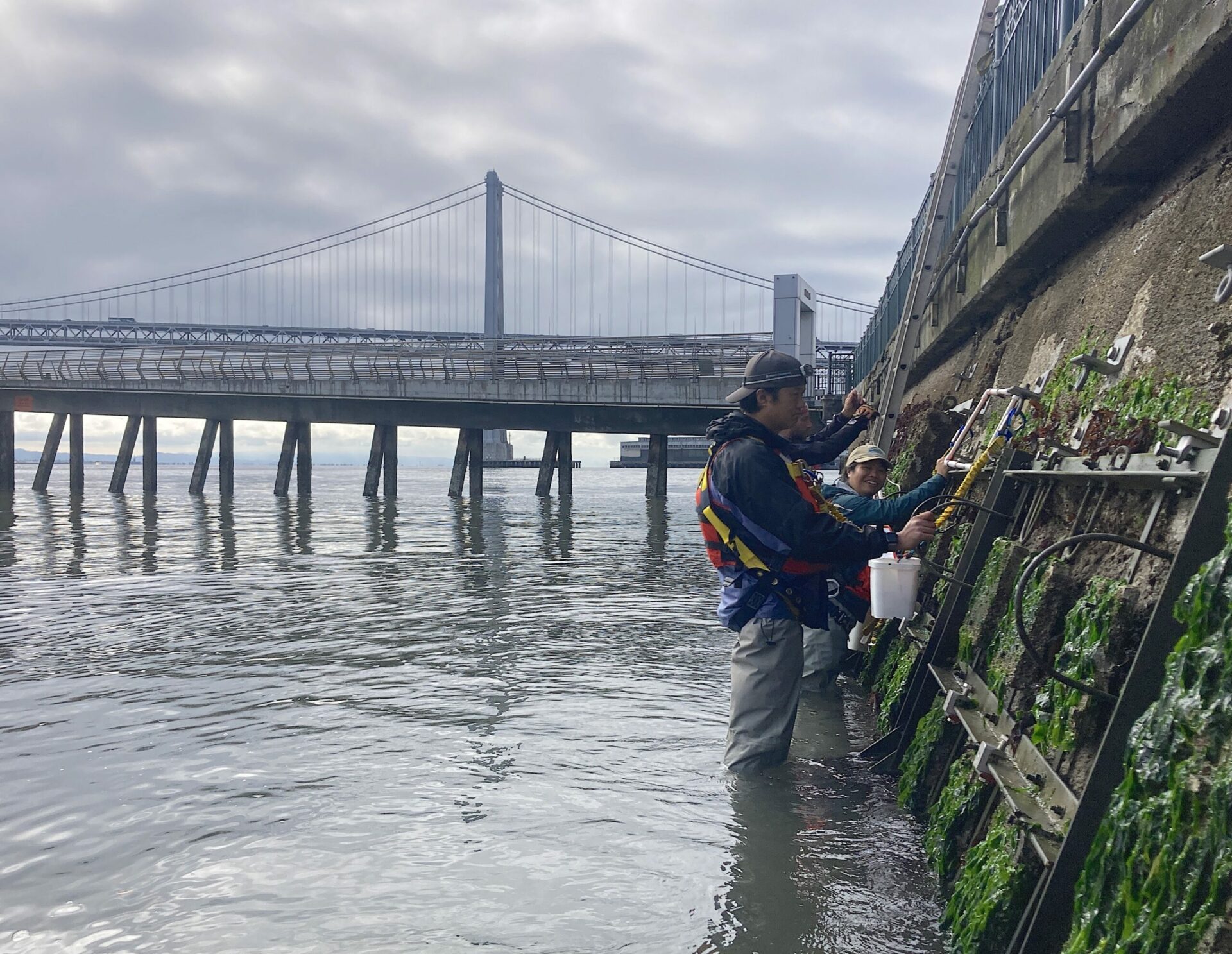
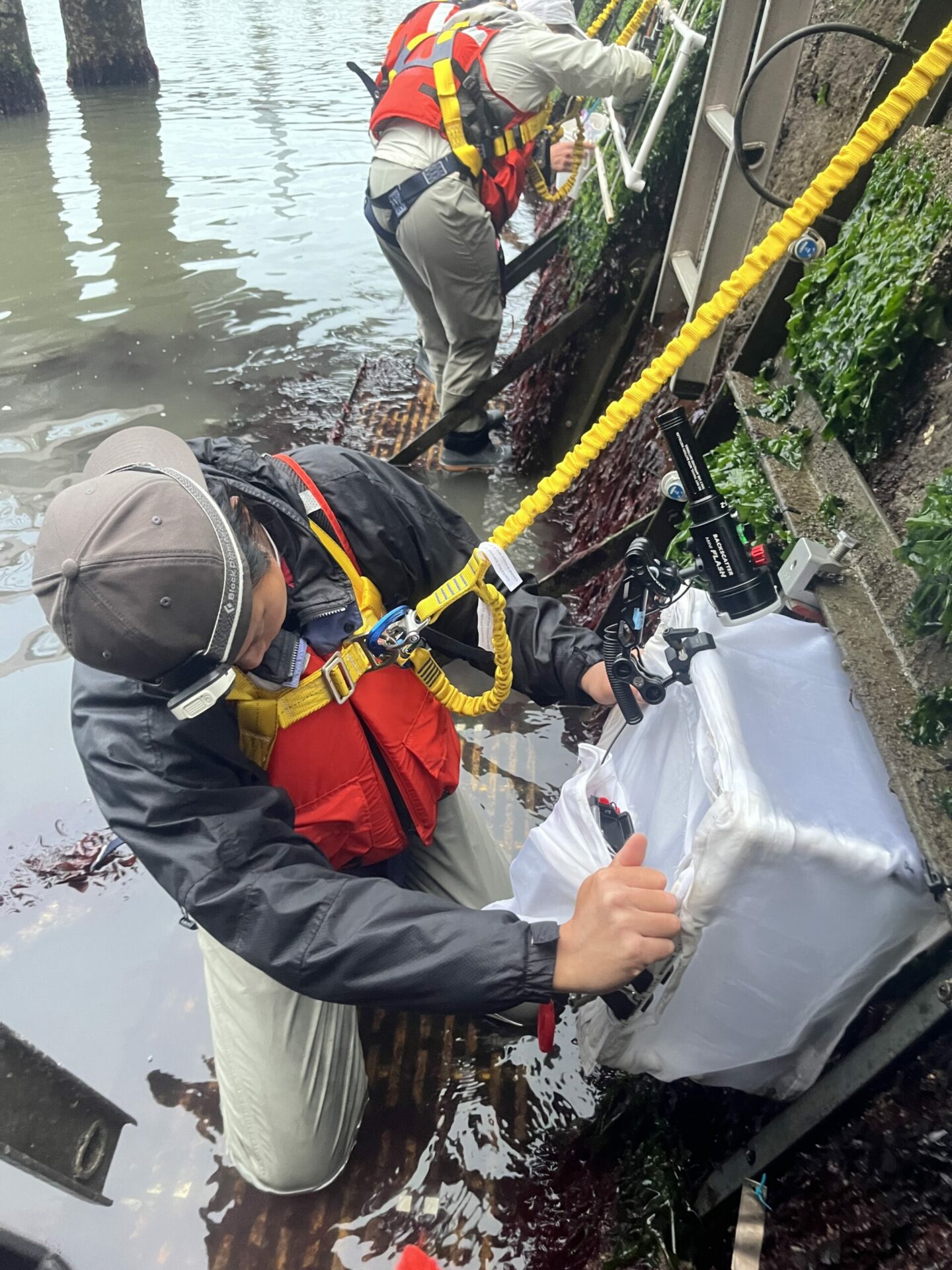
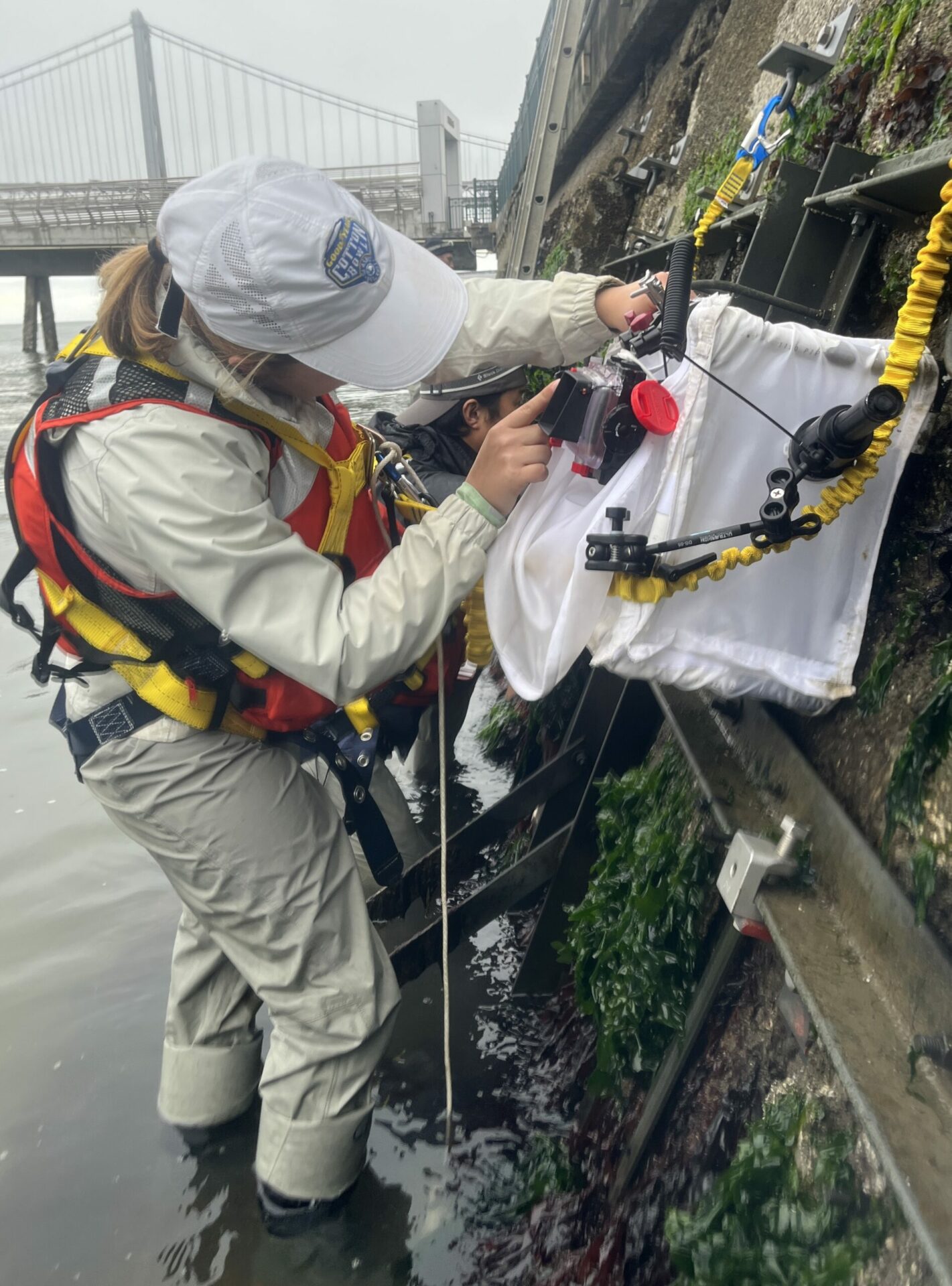
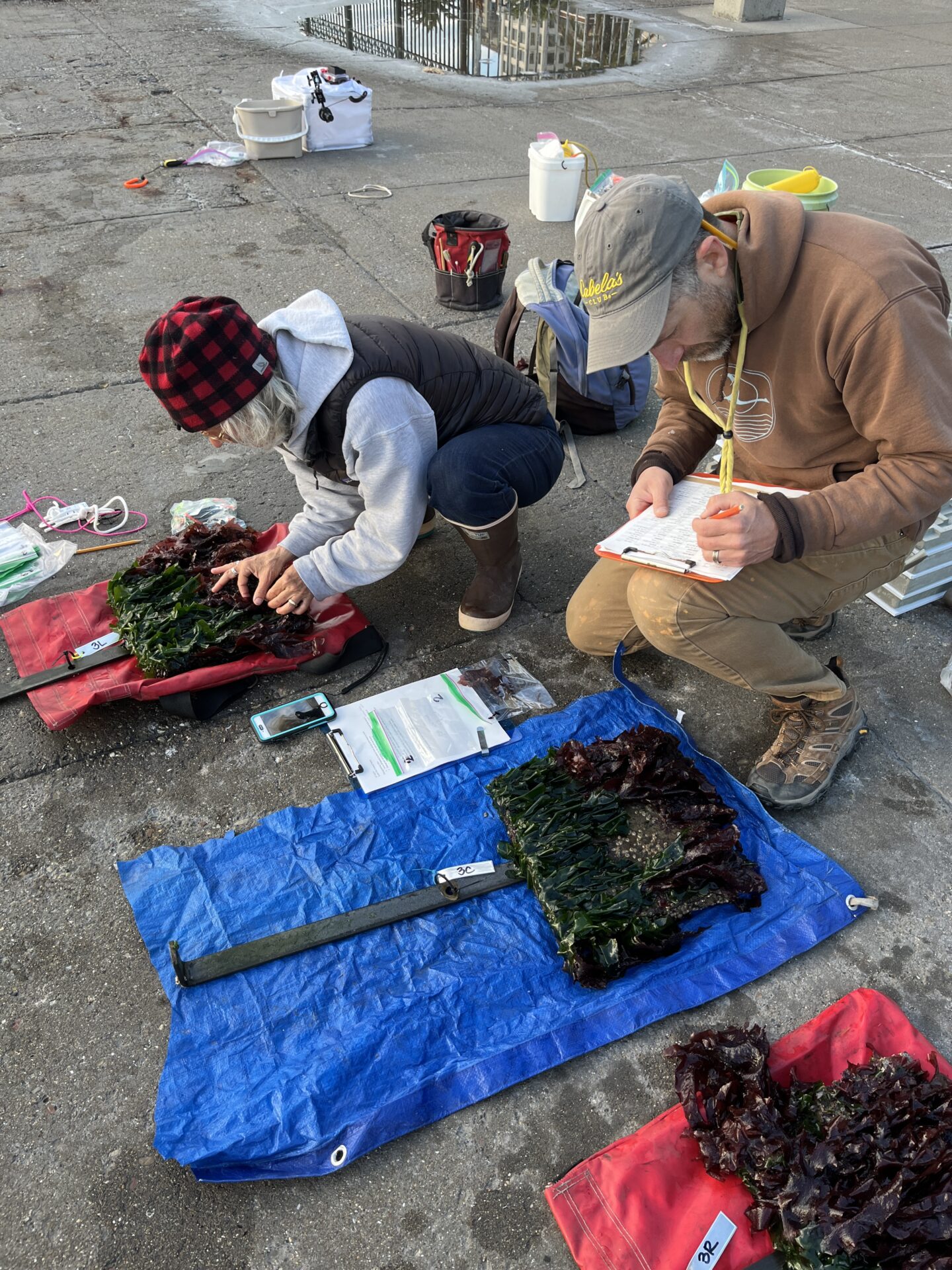
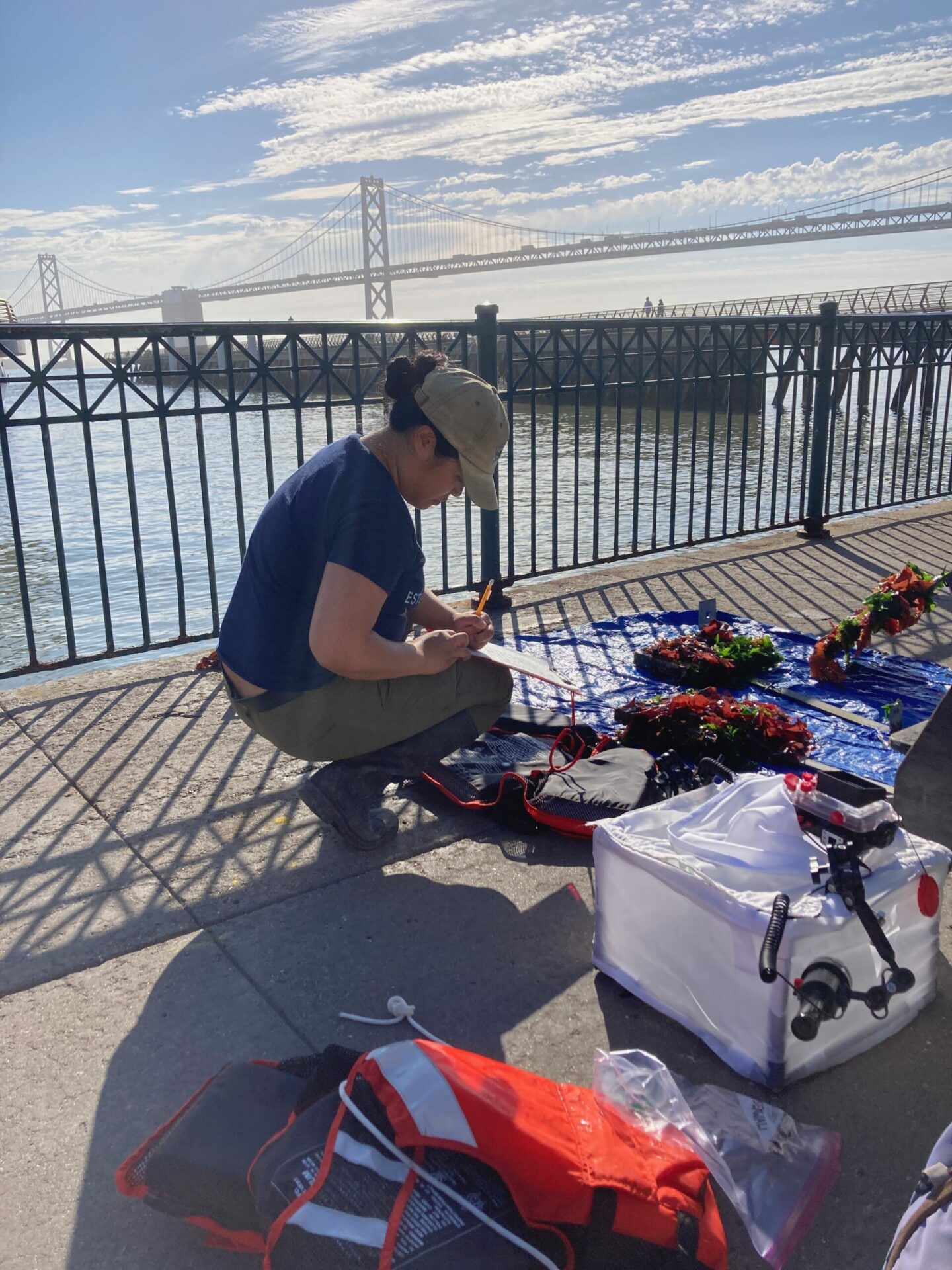
Ecologist Andrew Chang and biological tech Jessika De Jesus sample new seawall tiles this August. Photo: Corryn Knapp, SERC/SFSU.
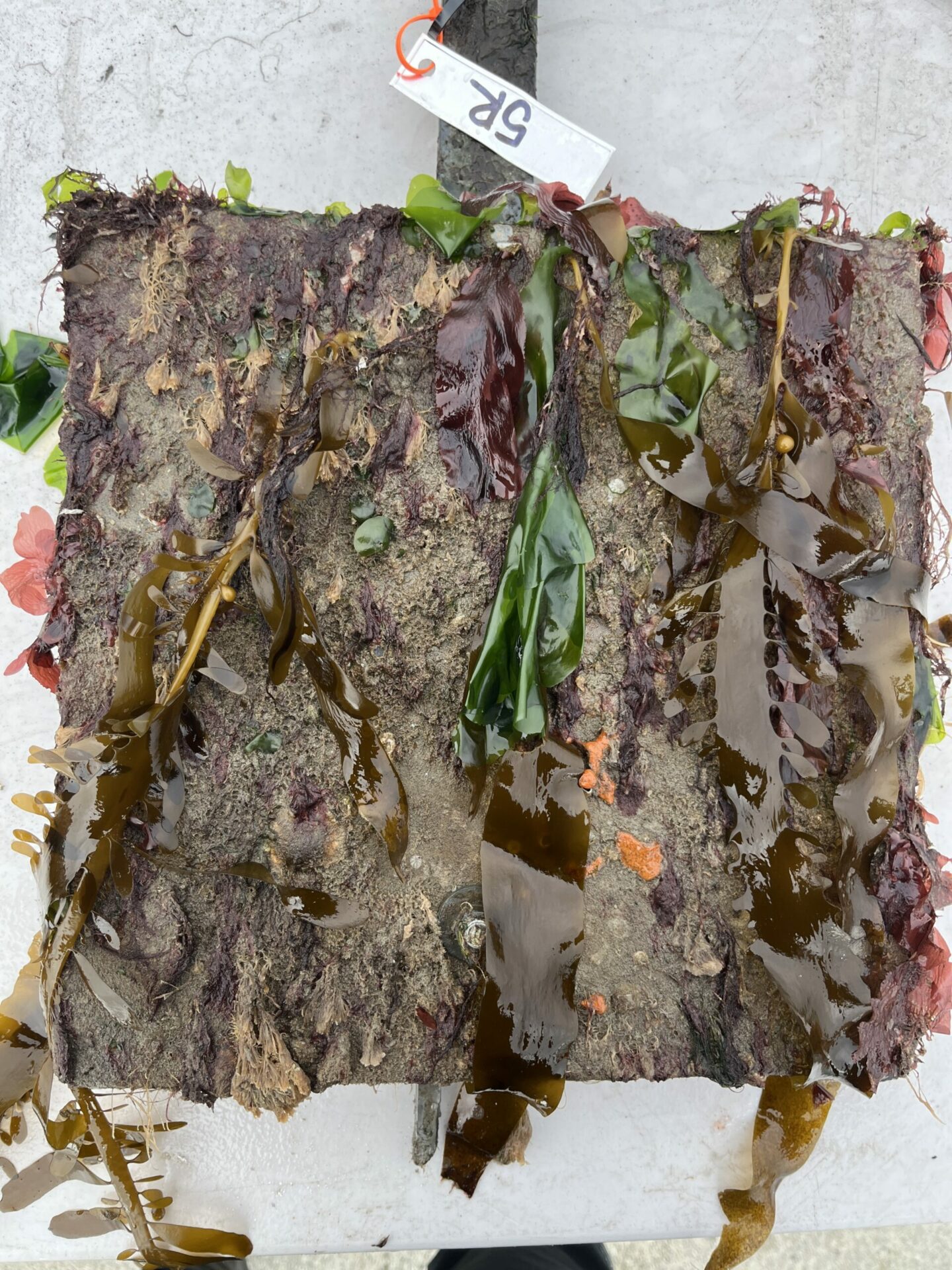
Ten months after the Port of San Francisco lowered 288 experimental tiles into the water, these bio-friendly seawall surfaces are already crawling with crabs and covered in kelp. This August, researchers are finally getting a good look at all the tile types in their experiment, which range from large to small, and from bumpy to smooth, and which were hung from the waterfront at three different locations and tidal elevations in October 2022.
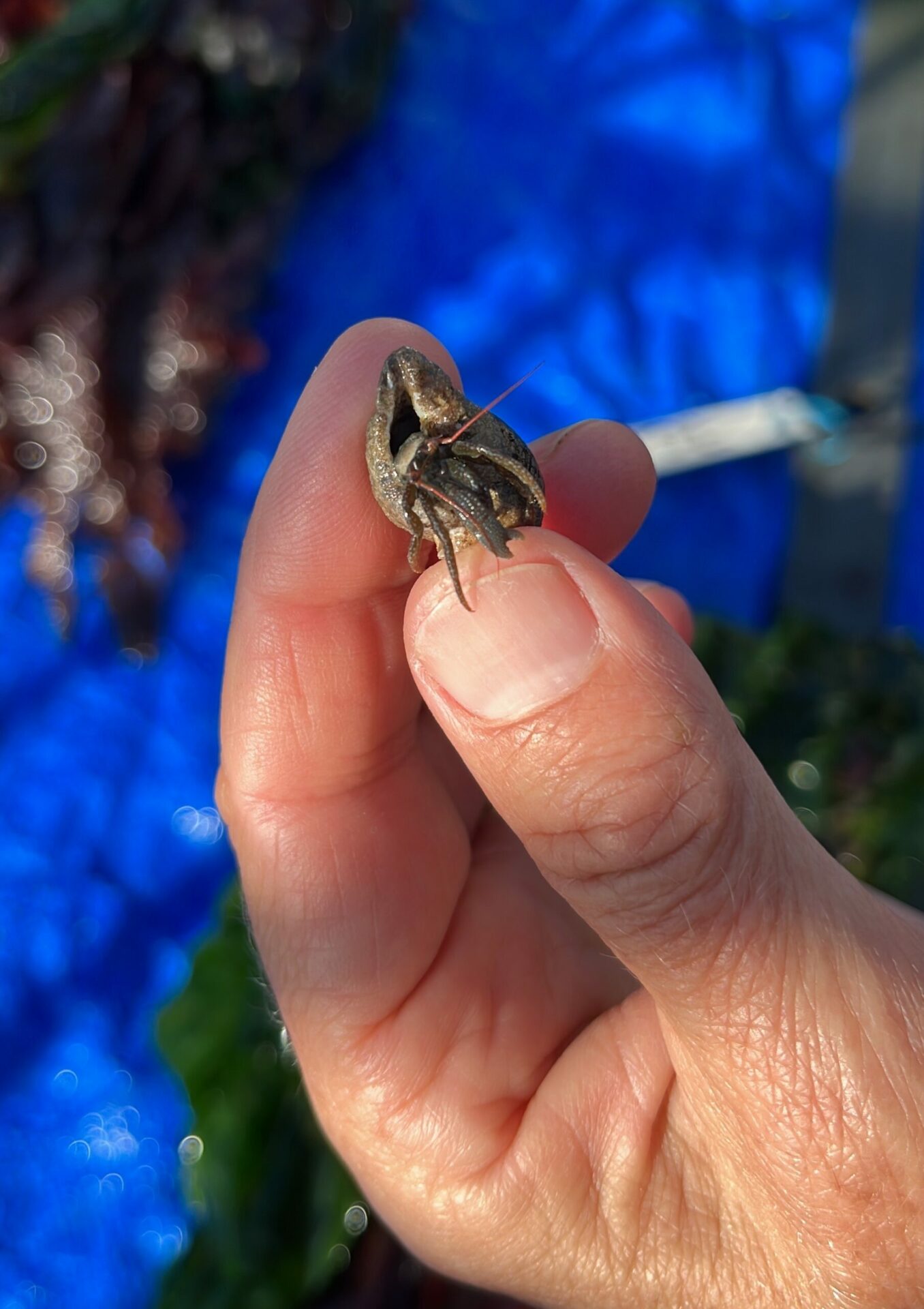
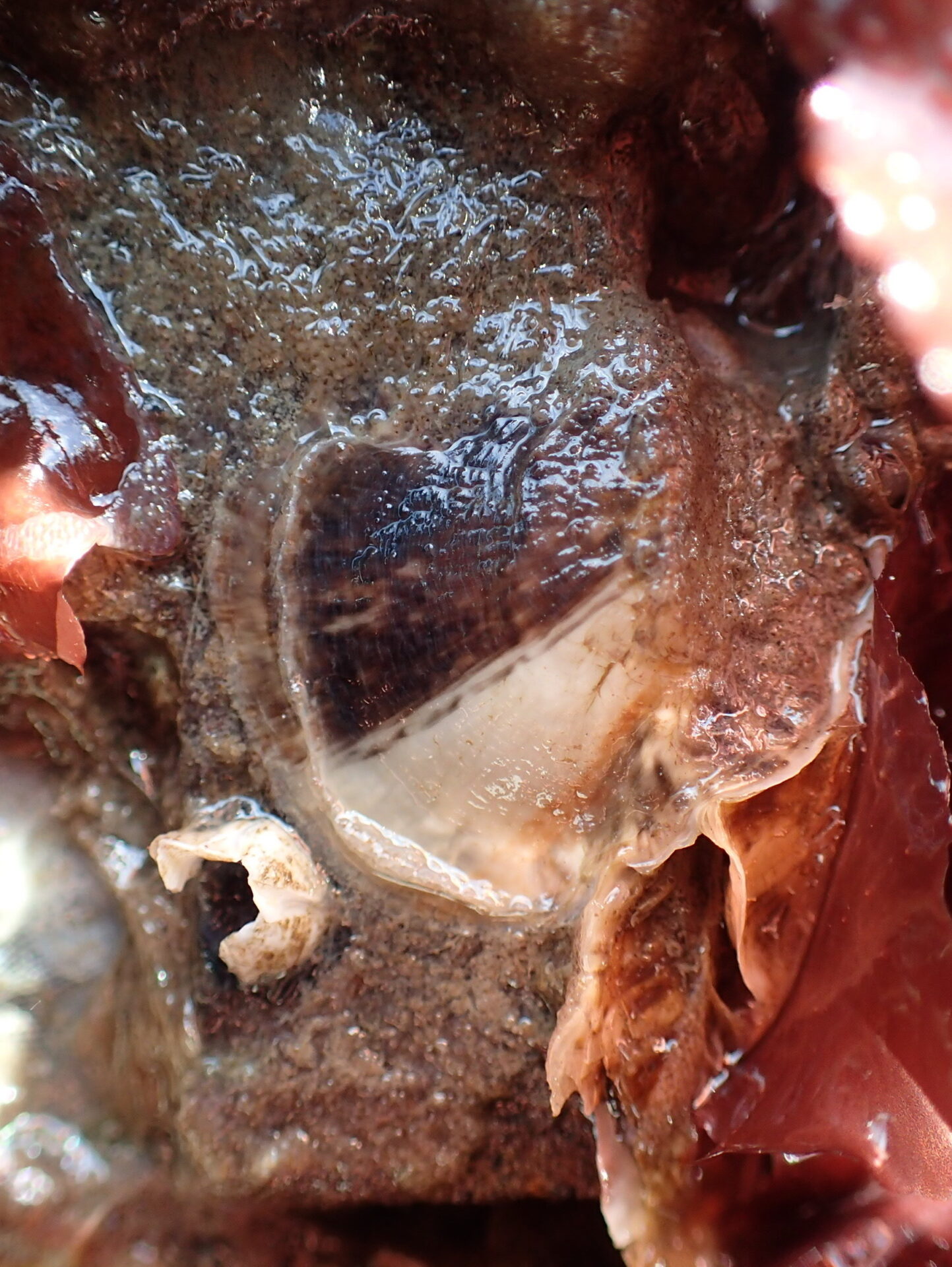
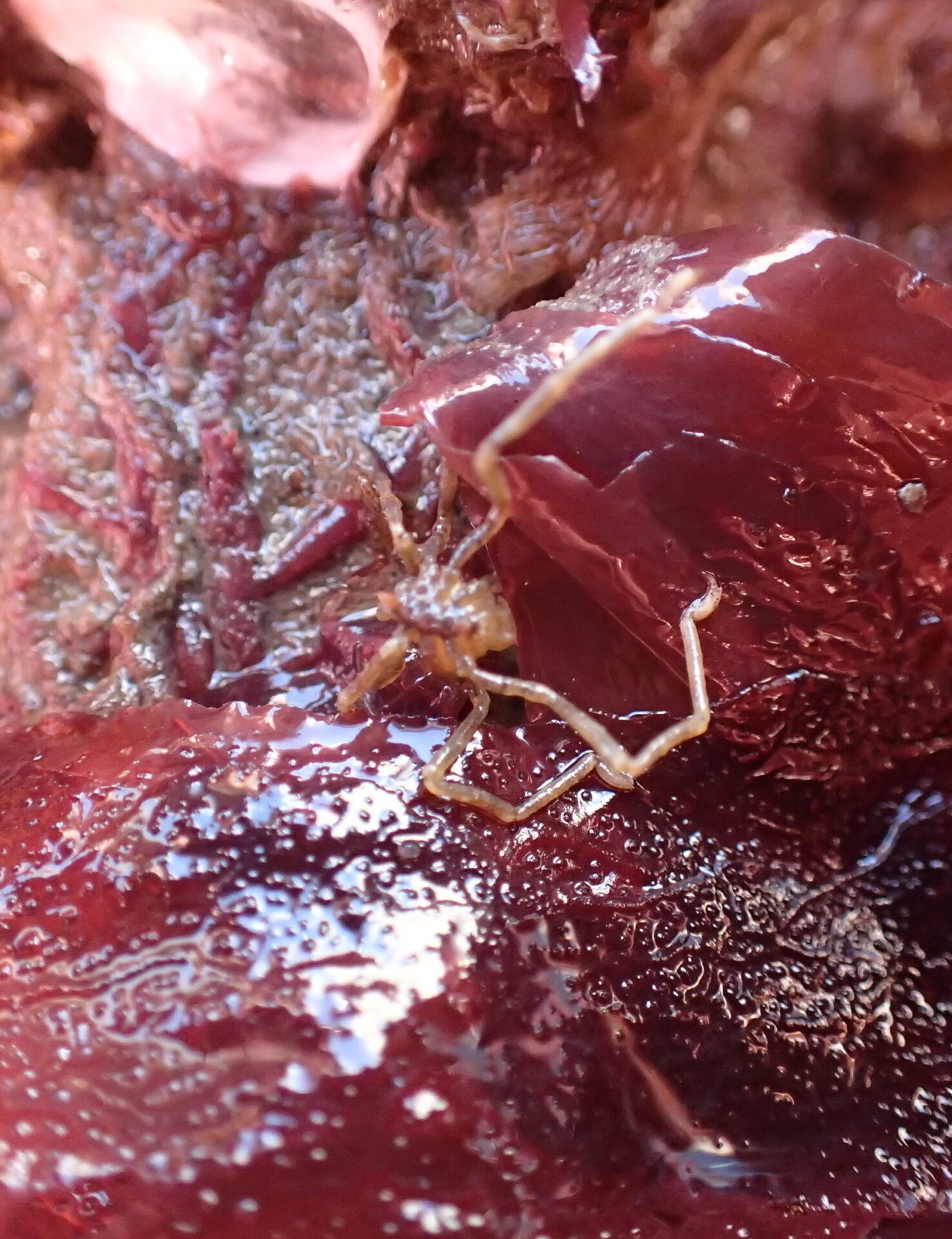
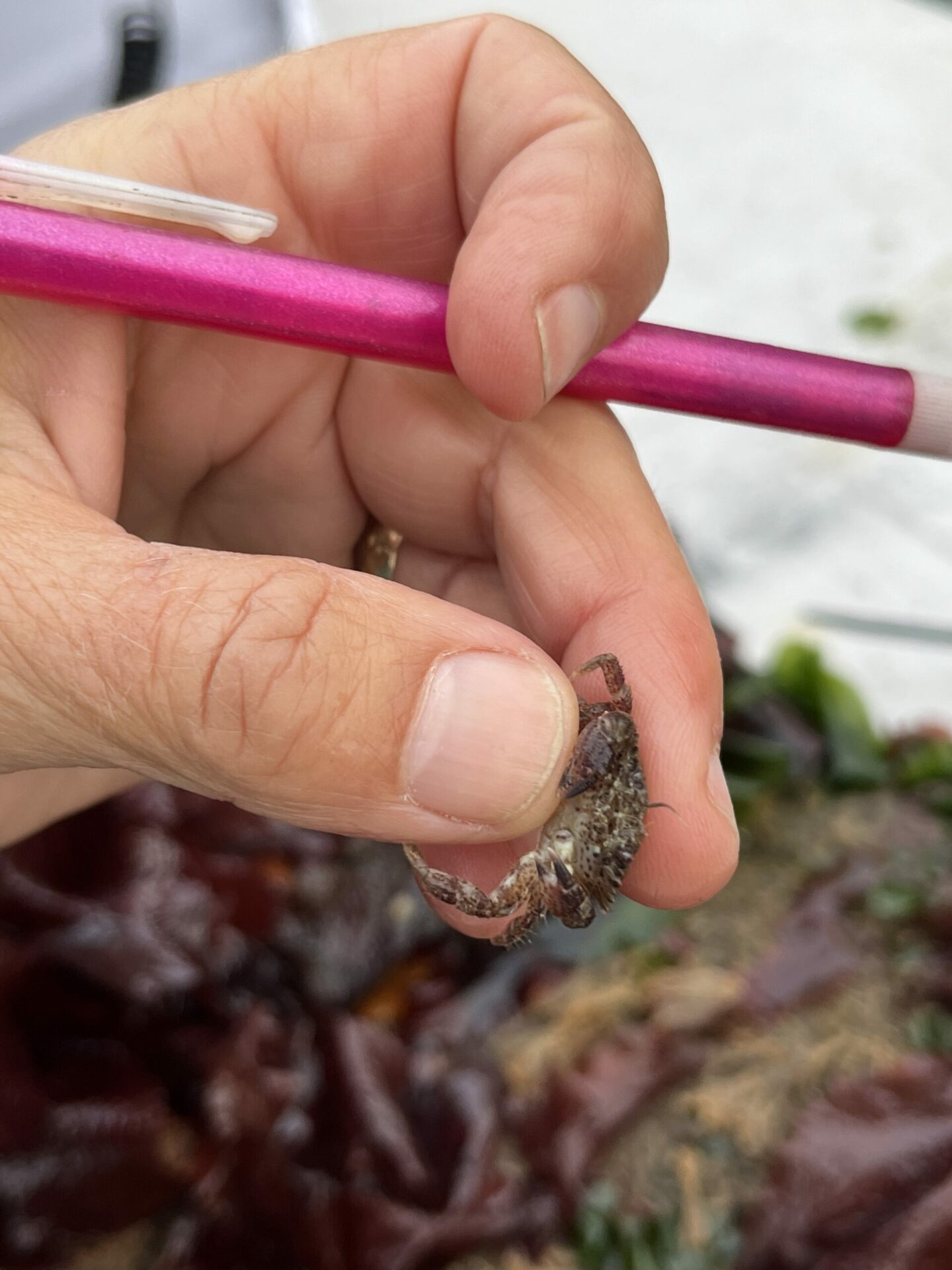
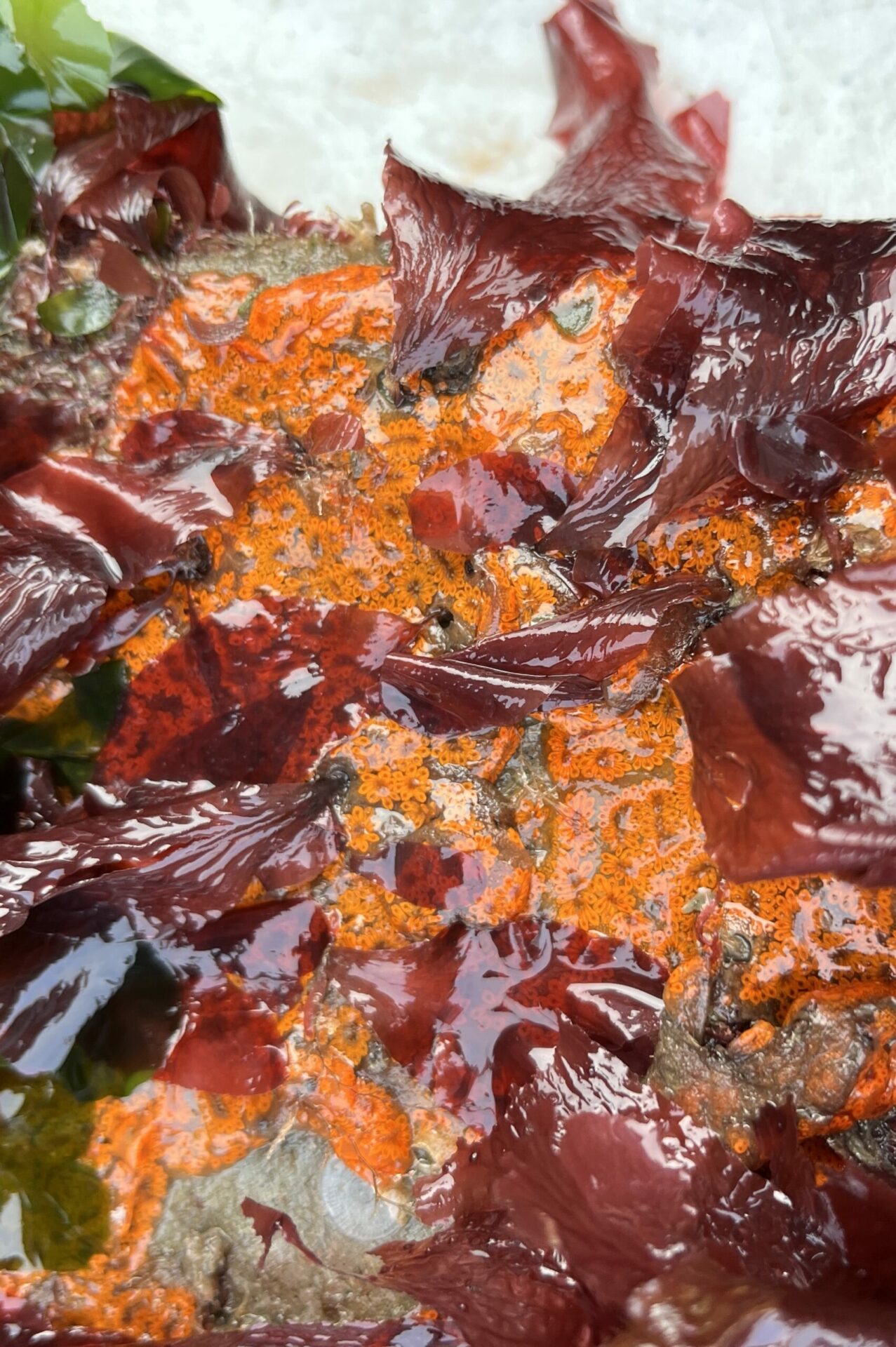
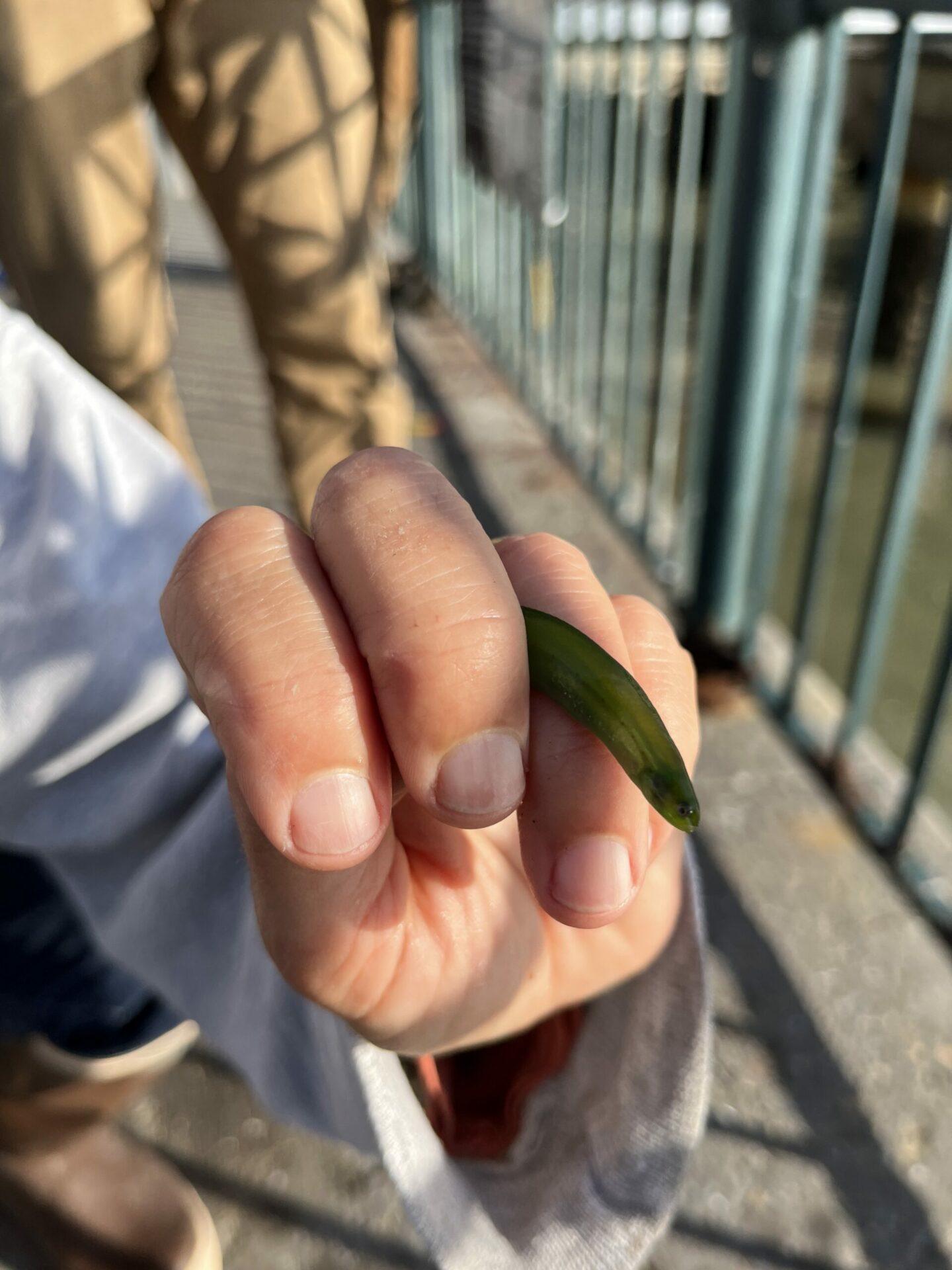
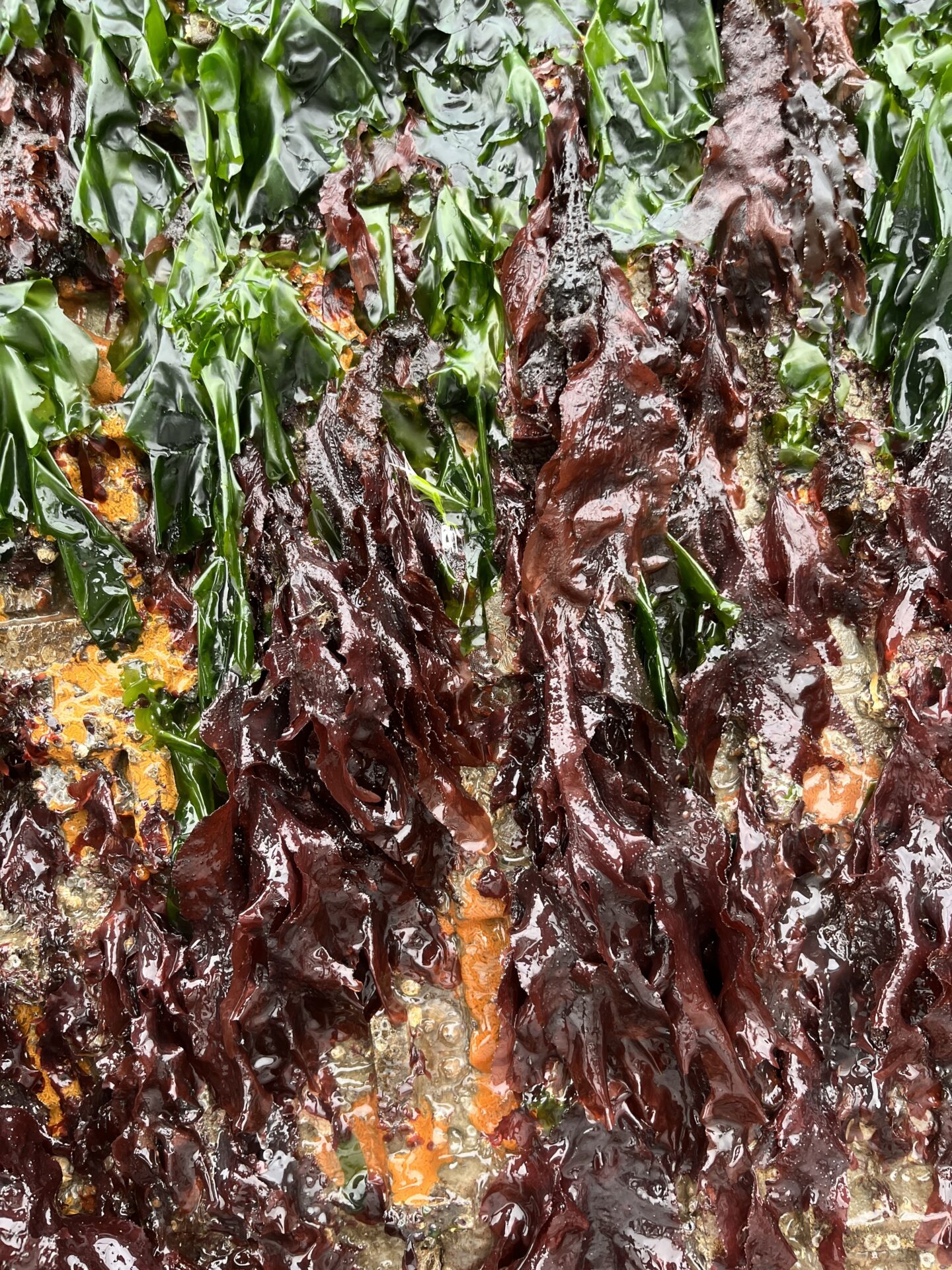
“We saw a ton of native species and a few non-native ones,” says ecologist Andrew Chang with the Smithsonian Environmental Research Center, launching into a list including chitons, limpets, native oysters, Mastocarpus and Laminaria (red and brown algae ), hermit crabs … “We saw mobile critters settling on the tiles and making a home for themselves or migrating from the adjoining seawall, where there’s a more mature community.”
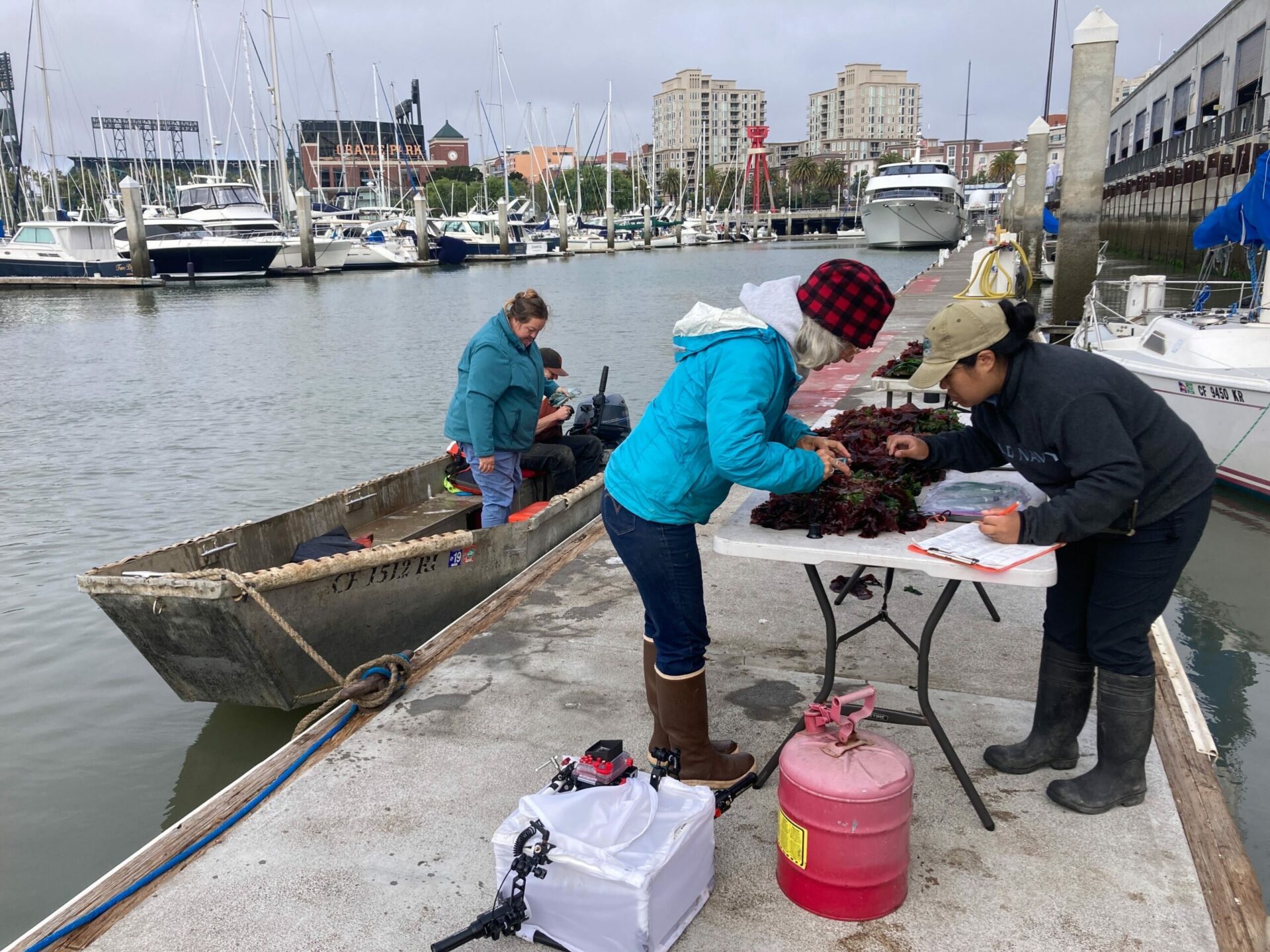
Scientist Chela Zabin and tech Jessika De Jesus scrutinize lower elevation tiles pulled up by port divers at South Beach Harbor marina site, before returning them to the water. Photo: Corryn Knapp, SERC/SFSU.
As reported in KneeDeep’s October 2022 story about the experiment, scientists and the port hope to ensure that the massive seawall rebuild required to adapt to rising sea levels along the San Francisco waterfront includes some habitats friendly to native intertidal and subtidal species. The experiment called for a two-year monitoring period, during which the science team would pay regular visits to the three sites so they could photograph and ID species on the tiles. Access to the tiles in the deepest water was to be provided by moveable frames, platforms and other installation innovations created by Port staff.
But this past March, during a brief lull in the wave-lashing from winter storms, port divers and the science team discovered quite a bit of damage to frames and some broken or missing tiles. Then the severe weather returned. “We couldn’t get anywhere near a complete check-in done, it wasn’t safe enough to get more than the barest of impressions,” says Chang.
This August’s push is more promising already. Though the frames and platforms were still unsafe at the South Beach Marina site, the team was able to view most of the tiles at the Agricultural Building (near the Ferry terminal) and Pier 45. “This site is much closer to the Golden Gate, so we saw more open-coast species like feather boa kelp that thrive in wave-exposed environments,” says Chang.
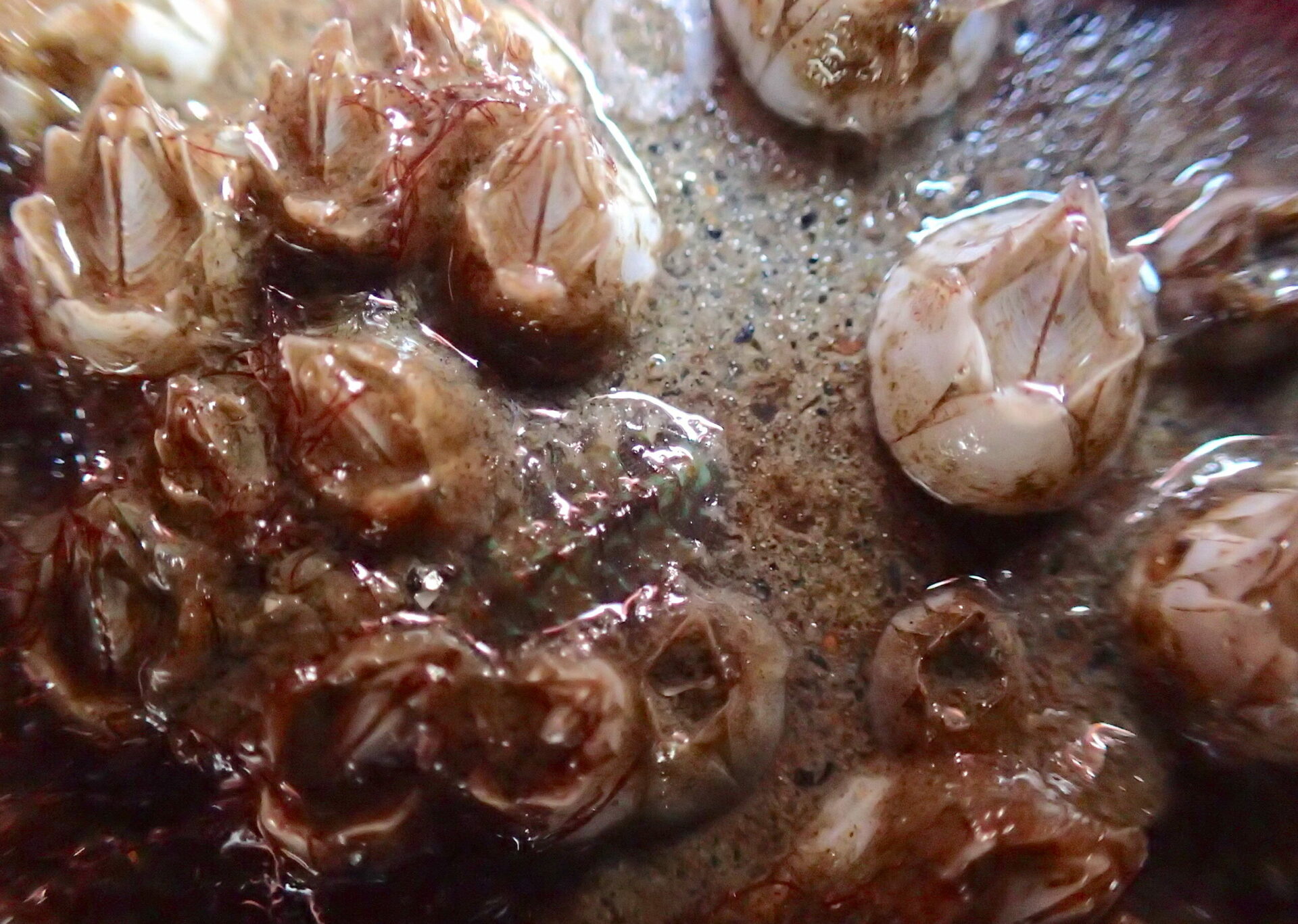
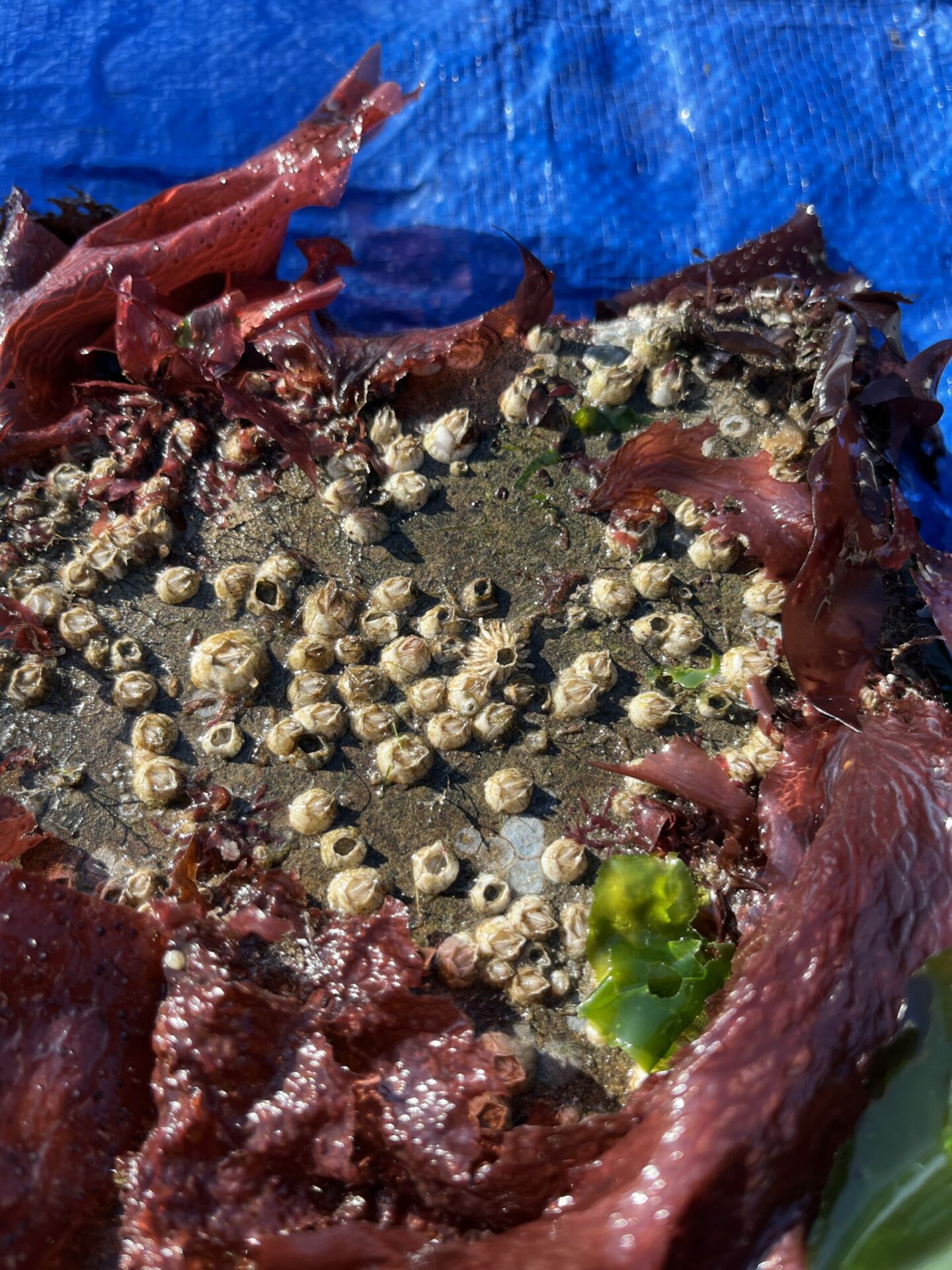
Native chitons and barnacles found at the Agricultural Building site at low tide. Photo: Chela Zabin, SERC.
Since the monitoring work is ongoing, such observations are just preliminary. But Chang was clearly excited to be putting on his drysuit, clipping into a harness, and hanging off a pier with a camera lightbox in one hand and a clipboard in the other to start filling in his data sheets. “After all the time spent working with a large group of people to design this experiment, and time talking about all the stuff that needed to happen to put it all in place, it’s great to get a good look at the tiles in action,” says Chang.
More definitive results should be ready by the end of the year. But one important take home, as Chang’s co-lead for the project Chela Zabin put it, was evident: “At first glance natives dominated.”

Other Recent Posts
Regional Housing Agency Invests in Affordability
The Bay Area Housing Finance Authority is launching a loan program to support the construction of mixed-income rental properties.
The End is Coming for California’s Untouchable Grass
The law, which applies to grass that isn’t used for recreational purposes, could cut urban water use across California by more than 20% says Oakland thinktank.
Sonoma Vineyard Workers Burn toward a Better Future
A group of immigrant farmworkers are forming a worker-owned cooperative to bring back Indigenous burning practices that used to revitalize the soil.
Los trabajadores de los viñedos de Sonoma queman por un futuro mejor
Un grupo de trabajadores agrícolas inmigrantes está formando una cooperativa de propiedad de los trabajadores para recuperar las prácticas indígenas de quema que solían revitalizar el suelo año tras año.
New Voices Shape Design of Berkeley’s North Basin Strip
Twenty acres of parkland between the highway and the Berkeley shore are slated for a coast-resilient makeover, with input from locals and stakeholders.
It’s Always Sunny In North Fair Oaks
Residents of the unincorporated community launched their second campaign in two years to get the county to care for dying street trees.
Siempre está soleado en North Fair Oaks
Los residentes de la comunidad no incorporada lanzaron su segunda campaña en dos años para lograr que el condado se ocupe de los árboles de la calle que se están muriendo.
Can Nature Help California’s Coast Fight Fire and Floods?
Local and state leaders gather for September summit on how to mainstream nature-based infrastructure.
Guide to Nature-Based Infrastructure Around the Bay Area
Regional leaders are testing eight types of climate adaptation and shoreline flood protection projects that work with nature instead of against it. Here’s an overview.
How Can I Get Clean, Green, Climate-Forward Job Training in the Bay Area?
Looking for a hands-on job working outdoors that actually pays? Here’s a list of training programs.