



New Rules on Rebuilds, FEMA Says No to Wet Feet
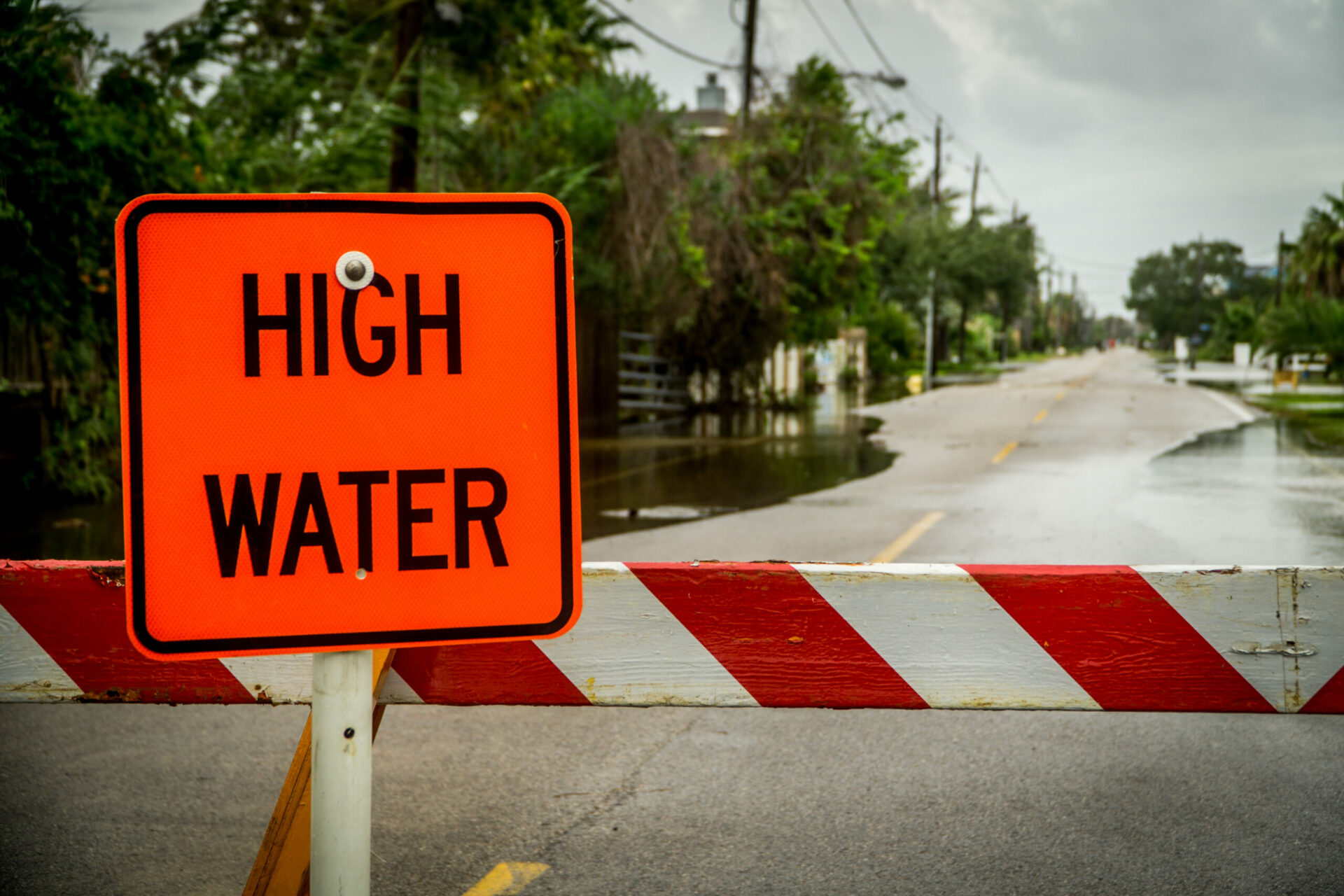
The federal government has spliced a formal recognition of climate change into national building policies. The milestone rule, announced July 10 by the Biden Administration’s Federal Emergency Management Agency, requires that new construction projects supported by federal emergency funding be built to withstand extreme floods, including high waters resulting from the anticipated rise in sea level. The Federal Flood Risk Management Standard will take effect September 9 and finishes an initiative kicked off by President Barack Obama, with Joe Biden then as Vice-President, almost a decade ago.
The new building rules, which the Trump Administration retracted in 2017 before they could take effect in their first iteration, require federal officials to specifically set necessary dimensions for a planned project – namely width, height, and coverage – to protect it and the immediate community against flooding. The rule will affect public infrastructure like roadways, bridges, and water and sewer lines as well as community services like schools, libraries, fire and police stations, and public recreation sites. Only projects funded by the Federal Emergency Management Agency, or FEMA, are subject to the rules.
Environmental groups have cheered the flooding risk management standard as an important defensive step forward as the planet warms, sea level rises, and storms hit communities with amplified force.
“This is about planning for the future, and it’s based on the latest and best available science,” said Shana Udvardy, senior climate resilience policy analyst with the Union of Concerned Scientists.
Severe storms and flooding are two of the three most destructive types of natural disasters in the United States and, according to federal estimates, have caused more than half a trillion dollars in damage since 1980. In California, devastating floods of recent winters in the San Joaquin Valley and Central Coast regions have highlighted local vulnerabilities to high waters, and in coastal communities around the Bay Area, rising sea level is an ever-present threat. While the new standards represent an important recognition of flood dangers, the California Ocean Protection Council’s 2024 Sea Level Rise Guidance report anticipates an increase of local sea level by as much as 3.1 feet – conspicuously more than the federal rule’s recommendation that construction be elevated above local flood levels by two to three feet.
Jon Rosenfield, the science director with San Francisco Baykeeper, says he applauds the intent of the federal rule but thinks it may be overlooking certain basic threats of rising sea level. For one, he says, sea level rise doesn’t only correspond to inundated surface area but also can cause encroachment of groundwater into developed areas – a process that can undermine infrastructure sites and polluted soils before they are technically flooded. The other shortcoming Rosenfield sees is that some of FEMA’s flood risk maps, which establish base flood levels, are out of date.
“It’s very good that the Biden Administration is highlighting this issue that places not threatened by flooding now will be in the future, but the baseline that’s being used is not adequate,” he said.
Bay Area infrastructure sites most threatened by flooding as sea level rises, Rosenfield says, include several wastewater treatment plants, bridge foundations, and East Bay freeways.
Other Recent Posts
How Can I Get Clean, Green, Climate-Forward Job Training in the Bay Area?
Looking for a hands-on job working outdoors that actually pays? Here’s a list of training programs.
Santa Rosa Residents Rethink Trees
The heat-burdened Roseland neighborhood is learning how to monitor temperatures and developing an action plan focused on tree shade.
How to Make Conservation a Career
California nonprofits are developing paid apprenticeships to prepare workers for the growing ecological restoration economy.
Raft of Resilience Initiatives Keeps Tahoe Blue
Beach robots, boat inspections, forest thinning, and wetland restoration are among the projects helping the lake confront environmental threats.
Weathering the Present While Training for the Future
A stewardship immersion experience from the School for Inclement Weather and Weaving Earth combines ecological knowledge and spiritual connection.
Feds Meddling With Protections For California Coast
NOAA is reviewing California’s Coastal Management Program in a renewed push for offshore oil and gas drilling.
New Study Shows Rain Gardens Filter Chemicals Out of Stormwater
Scientists found rain gardens dramatically reduce toxic chemicals in stormwater while providing biodiversity and cooling.
The Tricky Art of Growing Oysters in the Lab So They Can Survive in the Field
The Nature Conservancy, the Amah Mutsun Tribal Band, and others are growing oysters in the lab and planting them in the wild in estuaries around San Francisco Bay.
Printing Without Plastic: The Vintage Machine Winning Over Eco-Conscious Artists
This comic guide to risograph printing explains how the 1980s Japanese machine cuts energy use and avoids plastic toner.
East Bay Kids Fight Extreme Heat in their Schoolyards
Many California schools are ill-equipped to tackle heat, with many campuses lacking sufficient tree coverage. These students are fighting to change that.
While the new rules will burden developers with higher upfront project costs, this impact, Udvardy and others argue, will be relatively insignificant. For one thing, the federal government will pay 75% of the increased cost of affected projects, leaving developers paying an average of just 2% more. For a $1 million job, that’s less than $5,000.
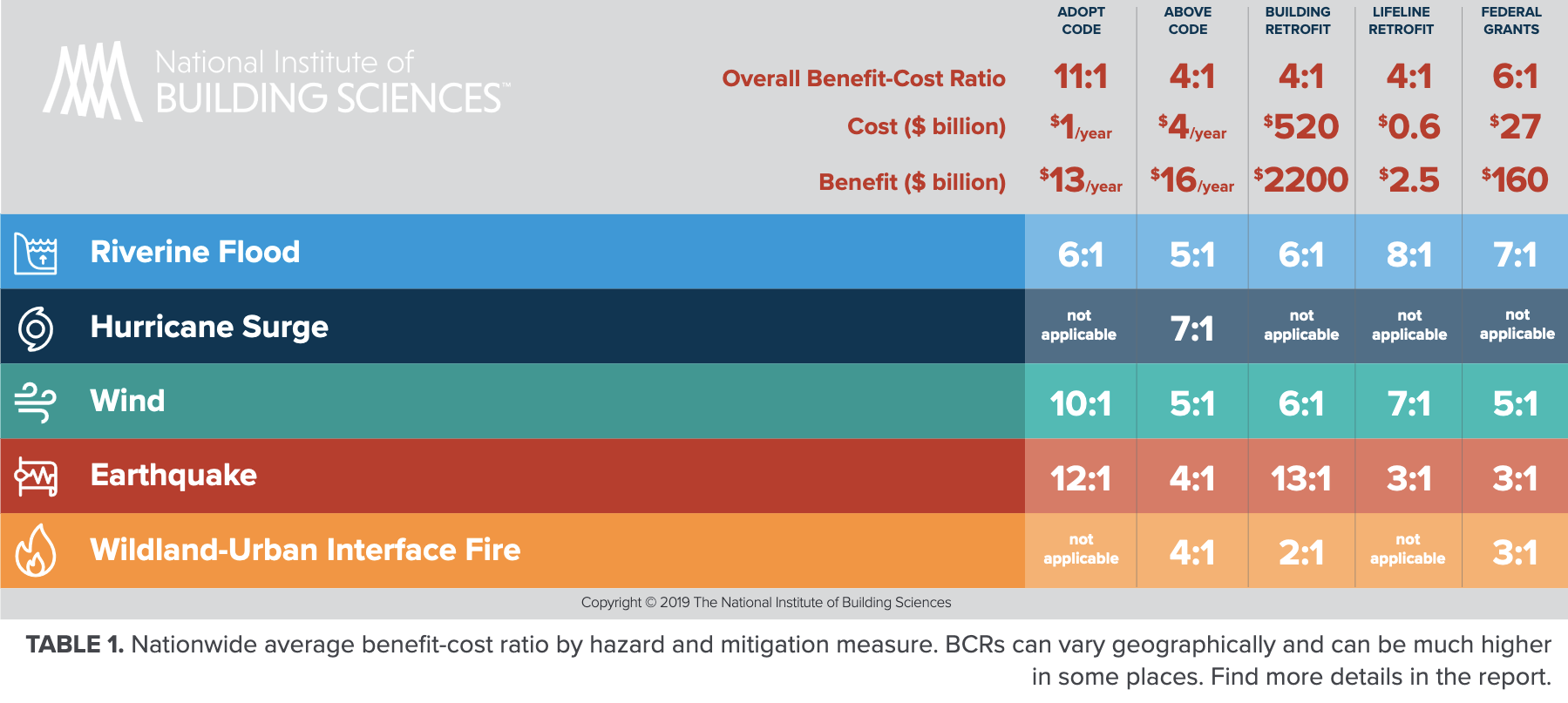
Moreover, money invested in more resilient infrastructure tends to be cash well spent. A report from the National Institute of Building Sciences shows that every dollar invested to protect against riverine flooding, for example, means $6 saved later when waters rise.
“This ensures that we invest our taxpayer dollars responsibly,” Udvardy said.