



A Wasted Opportunity
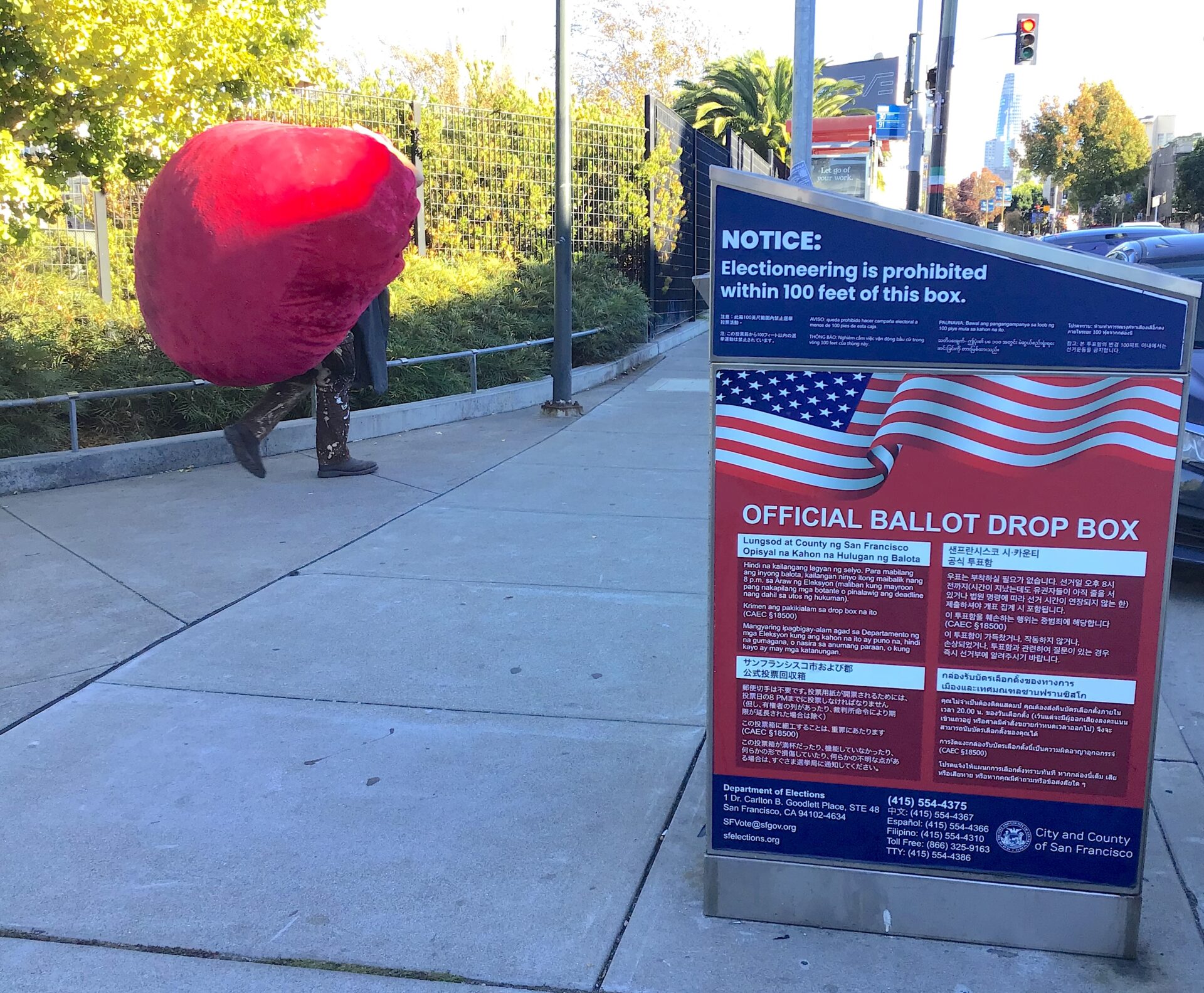
Houseless person lugs his bed past a ballot box. Photo: Ariel R Okamoto
“You don’t ever want a crisis to go to waste; it’s an opportunity to do important things.” So Rahm Emmanuel, President Obama’s chief of staff, famously said during the financial crisis of the early 2000s. Yet that is exactly what too many of this year’s crop of Democratic candidates for federal, state, and local office are doing — squandering the opportunity to bring focus to the intersection of the affordability crisis and the climate crisis, and to build support for climate-friendly policies.
The climate crisis is making everything from food to insurance more expensive. According to Rebuild by Design’s report “Stoking the Affordability Crisis,” higher temperatures are projected to increase food price inflation by up to 3.2% per year by 2035. Higher temperatures have driven up the cost of cooling by more than 50% over the last decade. And climate-driven catastrophes are projected to erase more than $1.5 trillion in U.S. home values over the next 30 years.
And climate change will hit California especially hard. The state’s Fifth Climate Change Assessment, released this month by the Governor’s Office of Land Use and Climate Innovation, outlines a number of economic impacts, including agricultural losses of up to $5 billion per year by the early 2040s. Yet, with a few notable exceptions, California’s candidates are singing from the old hymnbook that treats affordability and climate action as fundamentally in tension.
The problem starts at the top of the ticket. The Democratic candidate for governor, Xavier Becerra, rarely mentions climate, and is wishy washy on California’s climate commitments. When asked by CalMatters if he supports the state’s mandates for zero-emission-only new car sales by 2035 and net carbon neutrality by 2045, he questioned the goal’s usefulness if Callifornians “can’t keep pace with it” and has hinted elsewhere that he might support letting the goals slide. Indeed, Becerra’s stance — and his history of accepting contributions from fossil fuel companies — is so disappointing that JanePAC, one of the largest climate-focused political action committees in the country, declined to endorse him in the November election.
Instead of backpedalling, Becerra could be doubling down on the goals, highlighting their economic benefits and advocating for policies to make them more achievable.
The electric vehicle goal is a good example. EVs are widely believed to be more expensive than gas-powered cars, and if you only look at the overall average of cars in both categories, that’s true. But because so many EVs are luxury vehicles, the analysis is skewed; If you exclude luxury vehicles on both sides, a mainstream gas car and a mainstream EV are often within a few thousand dollars, and hybrids are typically cheaper than the average non-luxury gas car. So a very modest rebate program, for example, could bring the 2035 goal entirely within reach.
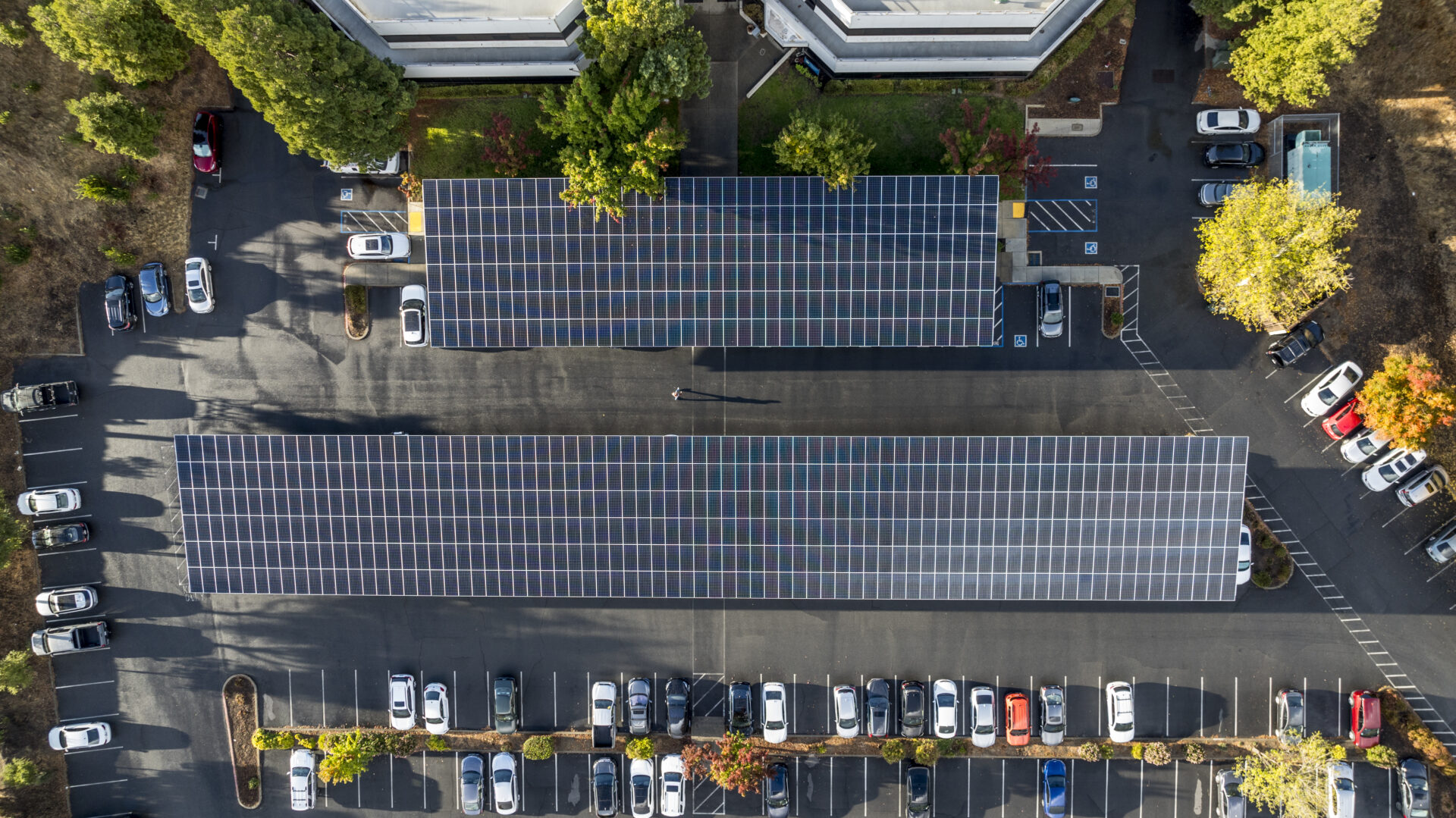
EV charging station using solar panels. Photo: Karl Nielsen
Other Recent Posts
Affordability Top of Mind For 6 Oaklanders This Election Season
KneeDeep’s Alex McCutcheon spent a recent afternoon asking passers by along Lake Merritt for their thoughts on affordability and climate change.
Climate Issues On Your Ballot This Fall
Voters have a chance to approve more than $13 billion in resilient and transportation infrastructure funding for the Bay Area and the state this midterm election.
The Sleepy Midterm Race with the Biggest Influence on Climate Policy
Typically an undercovered downballot race in the past, the election of California’s next insurance commissioner could reshape the state’s fire and flood coverage.
Fire Weather in the Wind
As the hot Nevada air cools every fall, it gets pushed west to lower pressure areas over the Central Valley, where the wind heats up and dries out.
My Morning Cleaning Up the Oakland Estuary
On Oakland’s Creek to Bay Day, I joined 100 volunteers for I Heart Oakland-Alameda Estuary to remove shoreline trash.
RCDs Pay Extra Attention to North Bay High Schoolers
A $13,500 grant will help three North Bay conservation districts evaluate youth education programs and prepare high school students for environmental careers.
Creeks Make Good & Bad Homes
San Jose State researcher Costanza Rampini explores why the houseless favor creek banks, and how they weather the flood risk.
Despite the claims of the Trump Administration and conservative politicians around the world, policies designed to accelerate the transition to a fossil fuel free future are not driving the current high energy costs — the culprit is clearly the mushrooming conflicts in the Middle East. But few candidates are pushing renewable energy policies that would reduce, and maybe ultimately eliminate, reliance on fuels from that region, while bringing down the cost of energy.
Australia offers a striking illustration. In three southern Australian states, a program launched in July offers free electricity from 11 a.m. to 2 p.m. every day, thanks to the solar energy pouring into the grid from rooftop solar installations. Huge swaths of the American Southwest, including Southern California, get plenty of sunshine, and free electricity from a clean source sounds like a pretty potent political promise, but nobody is making the case.
The received wisdom of 2026 seems to be that voters only care about affordability and don’t want to hear about the climate crisis. But the job of leaders is to lead, which in this case means shining a spotlight on the connections between the two. Right now, by and large, our candidates are letting a good crisis go to waste.
What 6 Oaklanders Think Connects Affordability to the Climate Crisis, A Video by Alex McCutcheon