

Bay Area Braces for Record-Breaking El Niño
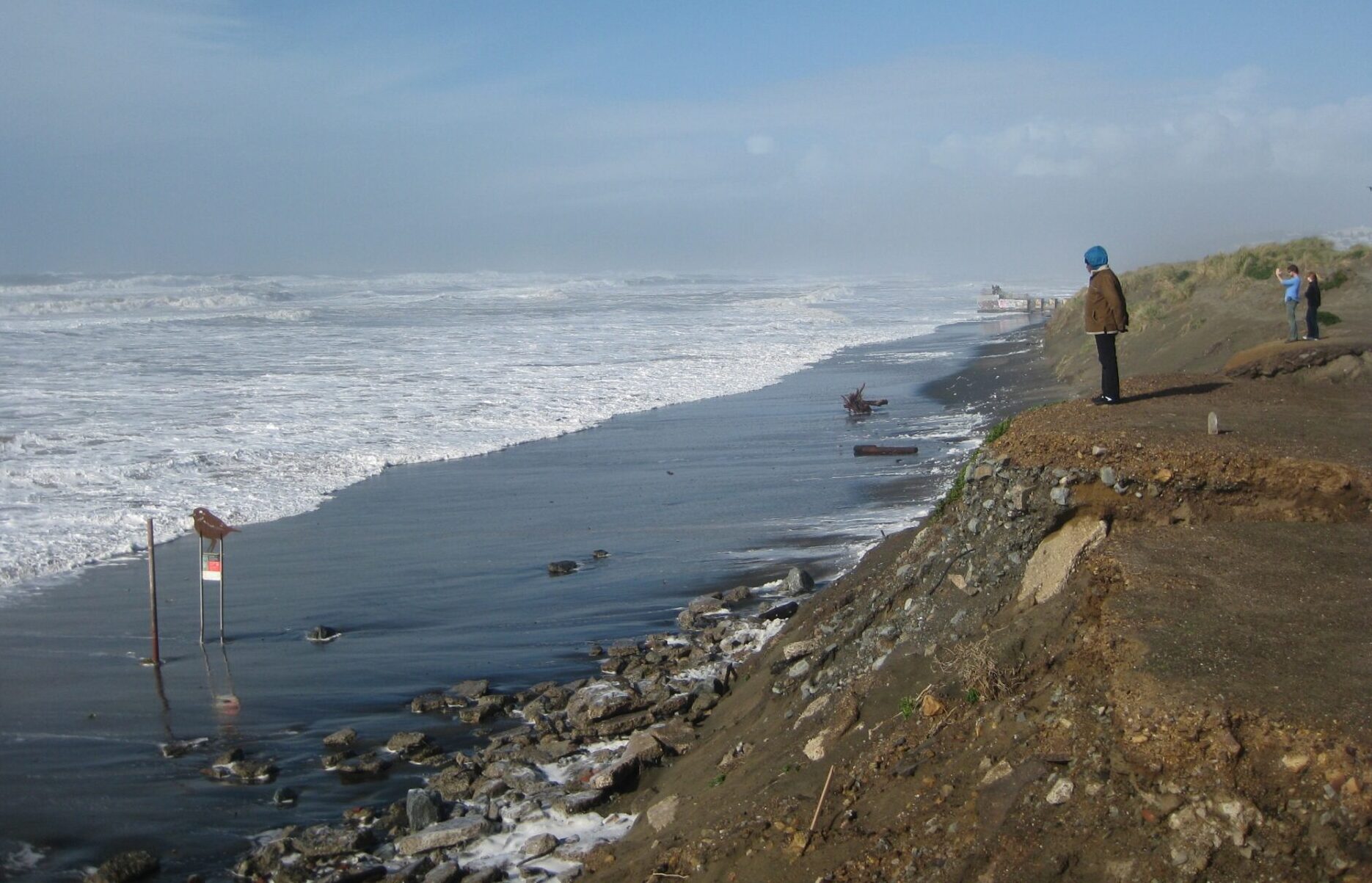
As El Niño has taken hold in the Pacific, a blob of water has sloshed across the ocean and toward the west coast of the Americas. This mass of water, called a Kelvin wave, will raise Bay Area sea levels up to 12 inches this October.
While Kelvin waves are a classic harbinger of the global climate event, this winter’s waves mark the arrival of a very unusual El Niño. The National Weather Service announced an 83% chance this winter’s El Niño will be the strongest since records began in 1950. Citing the possibility of supercharged storms and elevated sea levels, California Gov. Gavin Newsom last month declared a State of Emergency to prepare for potentially catastrophic flooding.
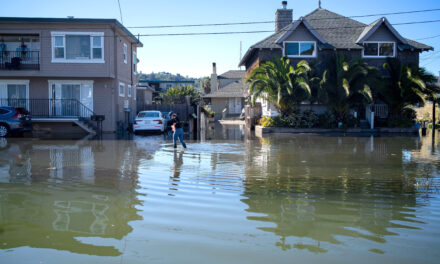
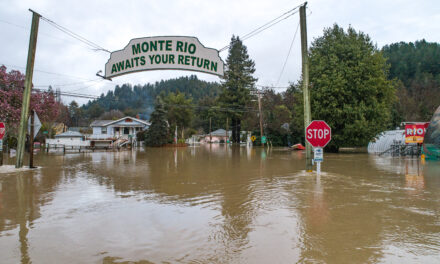
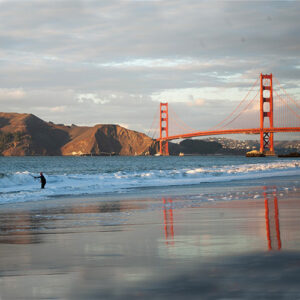
The risk is especially acute on the coast, where atmospheric rivers, sea level rise, Kelvin waves, and other weather events can converge to erode beaches and inundate communities. Local governments in flood-prone areas have spent months meticulously planning for a potentially unprecedented winter. While no human alive today has ever seen an El Niño of this intensity before, scientists warn this winter is just a preview of a much warmer future.
“We’re most concerned about compounding incidents,” says Nick Brubaker, chief resilience officer for Marin County. “Just the thermal expansion of the ocean and the Kelvin waves that are caused by El Niño can increase the sea levels here by six inches to a foot. If we have that combined with the king tides that are going to occur around Thanksgiving and Christmas, and then we also get an atmospheric river, we could see some really significant flooding.”
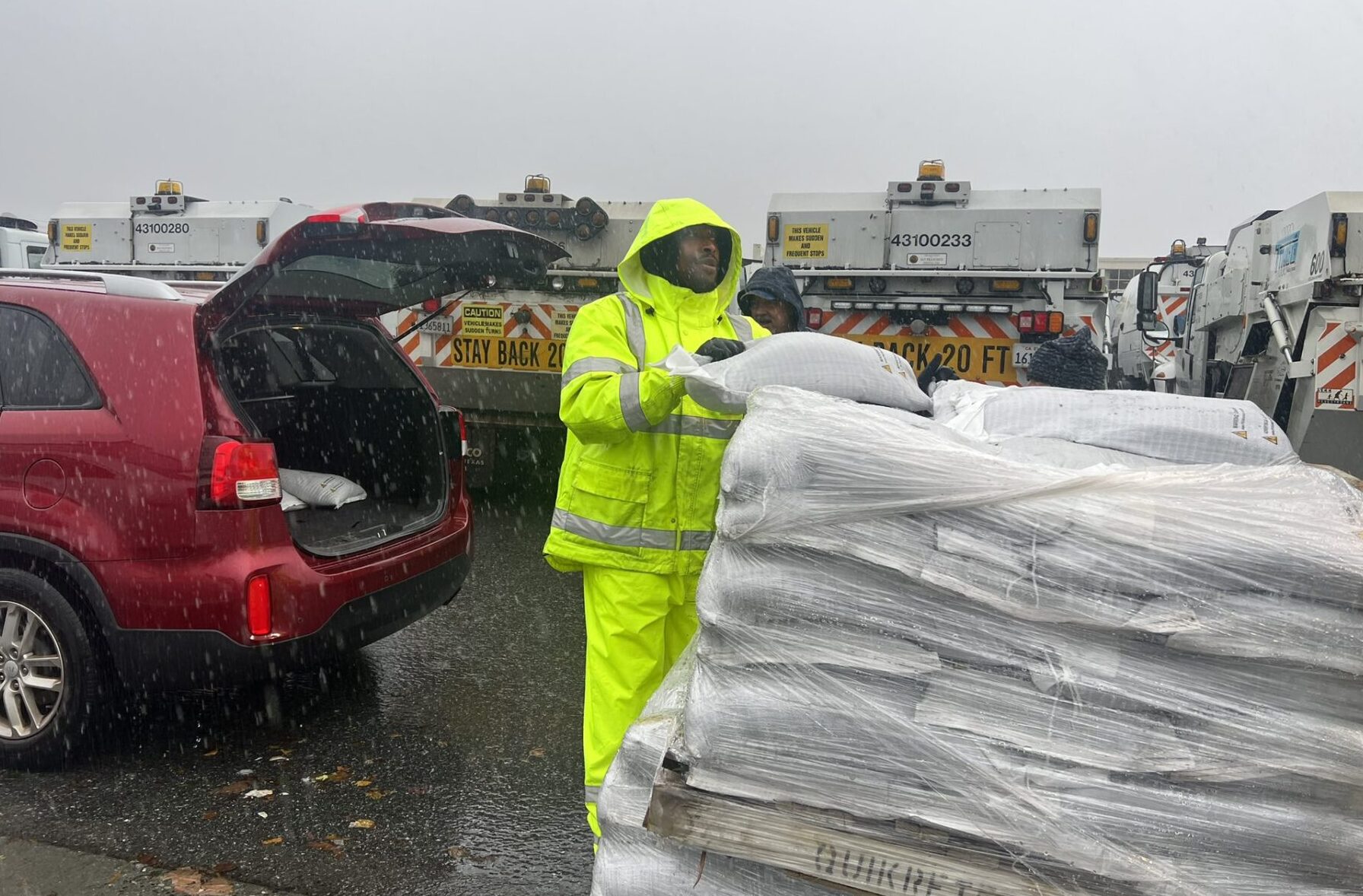
San Francisco Public Works employees distributing sandbags for flood control. Photo: San Francisco Public Works.
In Marin, authorities are preparing for that possibility. The Department of Public Works has cleared trash, dead leaves, and other debris from about 350 storm drains so water can drain more quickly through them, Brubaker says. They have also stockpiled sandbags in 24 places across the county to deploy them faster, he adds.
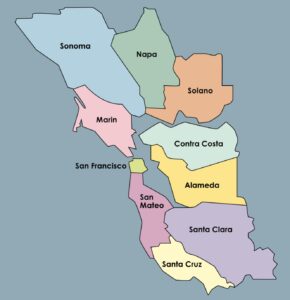
Elsewhere around the Bay, Valley Water has been coordinating El Niño preparations across Santa Clara County. Like Marin, the organization has created a network of sandbag pickup sites and is clearing blockages from creeks and drains before the rain arrives. Valley Water also recently began an outreach campaign to raise awareness among people who live in flood-prone areas.
“In terms of communication efforts, we are going way above and beyond anything we have done in years past in recognition of the fact that we have a very strong El Niño looming,” Valley Water Chief of External Affairs Rachael Gibson said at a recent board meeting. There, the board discussed sending mailers, putting out door hangers, and even buying ads at local movie theaters to alert people of the possibility of severe flooding.
El Niño is a natural climate shift that occurs every two to seven years when the trade winds that whip across the Pacific Ocean slow down. The loss of wind disrupts an oceanic conveyor belt that lifts cold water from the depths to the surface, causing part of the Pacific to heat up. This warm patch changes the weather around the world, fueling drought in Indonesia and downpours in Kenya.
The temperature in the El Niño region of the Pacific has been at a record high since June, and scientists expect its effects will be equally extreme.
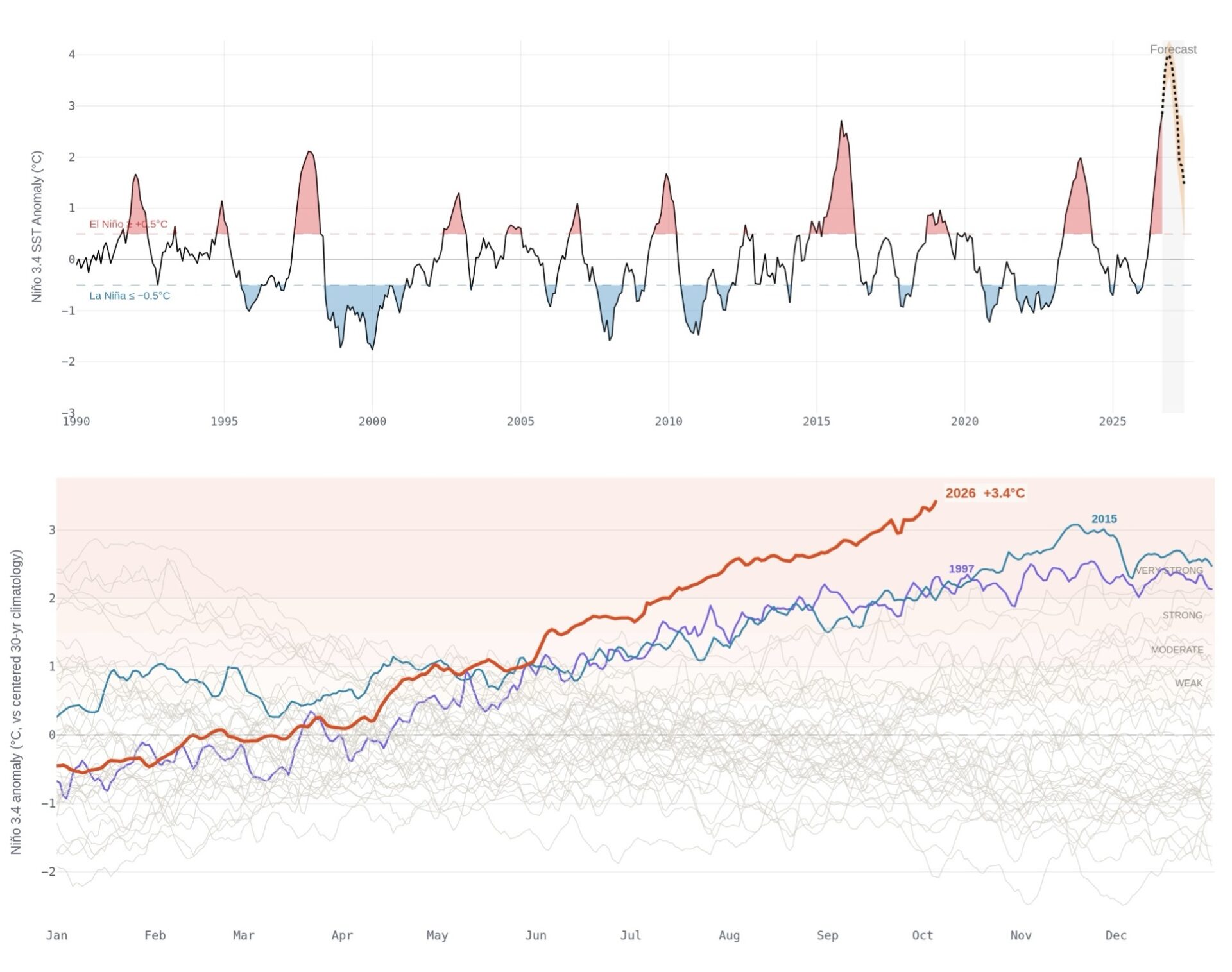
Top: Peak surface temperatures in the eastern Pacific during past El Niños compared to this year’s projected peak; Bottom: Temperatures in the eastern Pacific compared to previous years, with powerful El Niños of 2015 and 1997 highlighted. Source: The Climate Brink.
“The science is very confident based on historical observations that this is going to be a significant winter with lots of risk, erosion, flooding,” says Patrick Barnard, coastal scientist at UC Santa Cruz.
While some research has found that climate change is making El Niños more intense, many scientists also believe Kelvin waves and thermal expansion of seawater caused by this year’s El Niño will offer a sneak peak of future sea level rise.
“It’s definitely a glimpse into the middle of the century, when the baseline [sea level] is going to be maybe a foot higher,” Barnard says. “We’re going to see more and more winters like this, and it’s definitely incumbent upon us to begin planning for the fact that this is going to be more of a new reality than just a sort of a one-off winter.”