


Residents Chose Different Ways to Respond to Contra Costa Flood Challenges
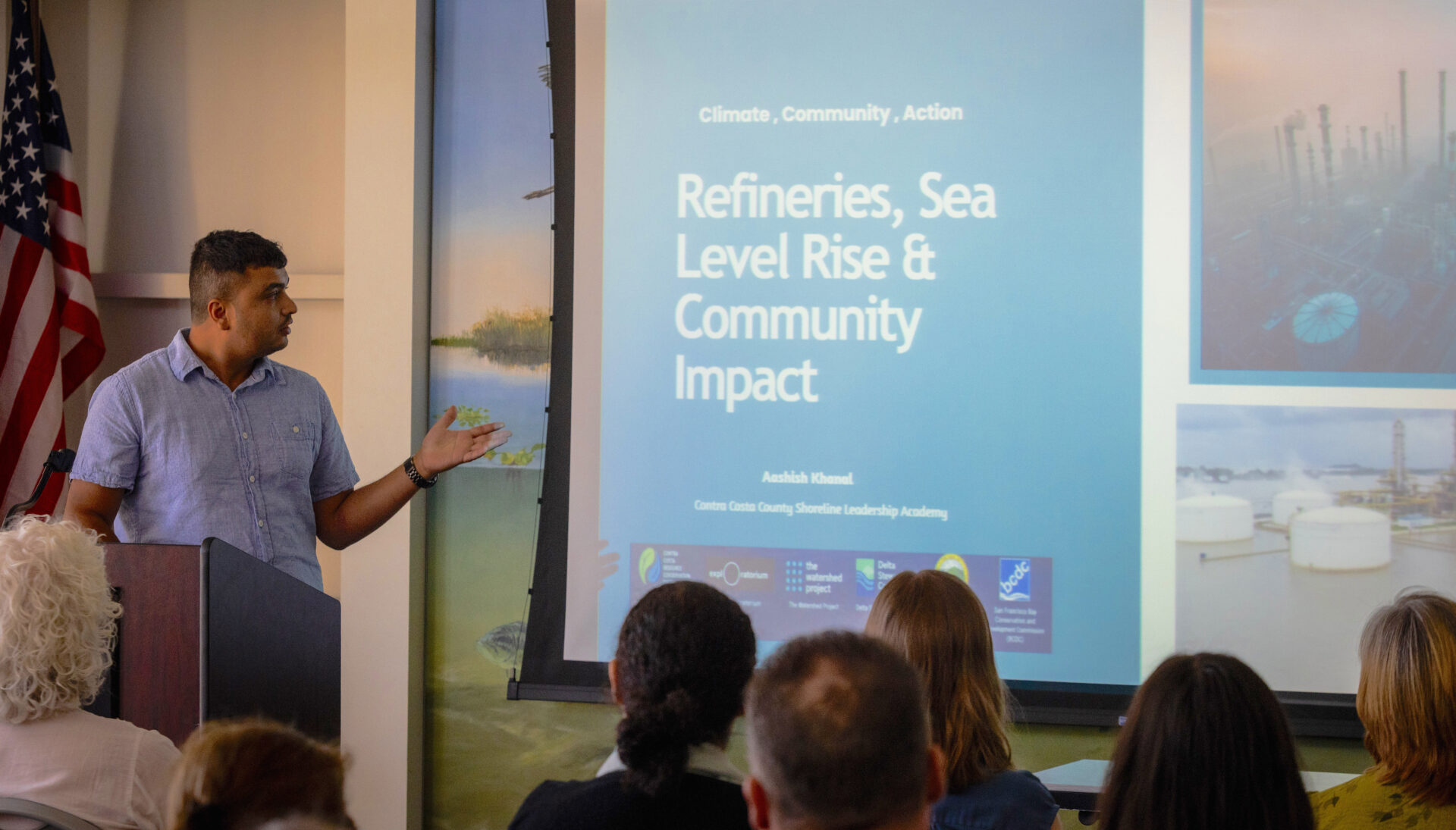
Leadership trainee Aashish Khanal. Photo: Richard H. Grant
As the valley heat along a Delta slough broke a sweat on the morning of June 13, about 50 people gathered in the Big Break Visitor Center in Oakley to discuss a cooler climate challenge: flooding.
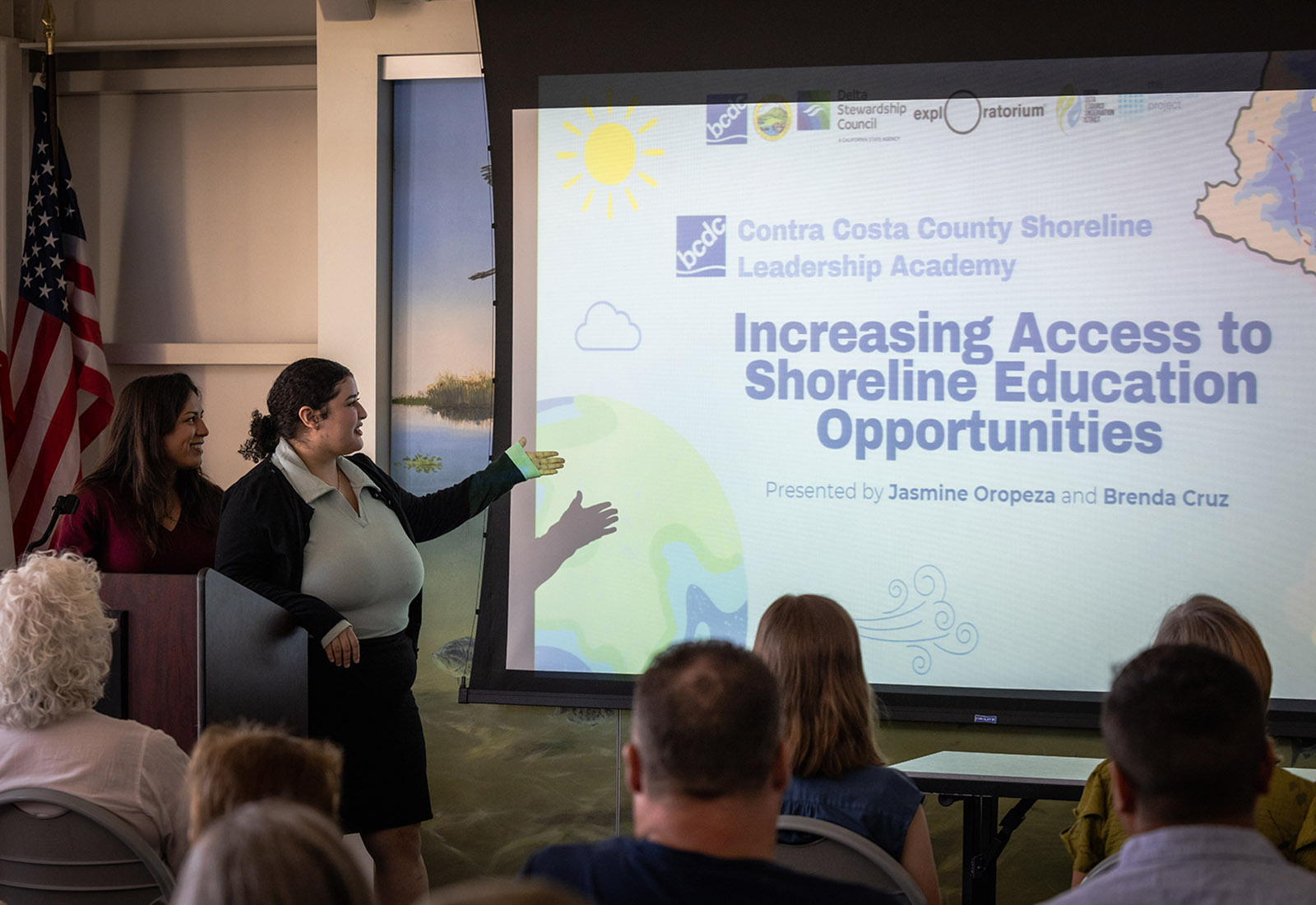
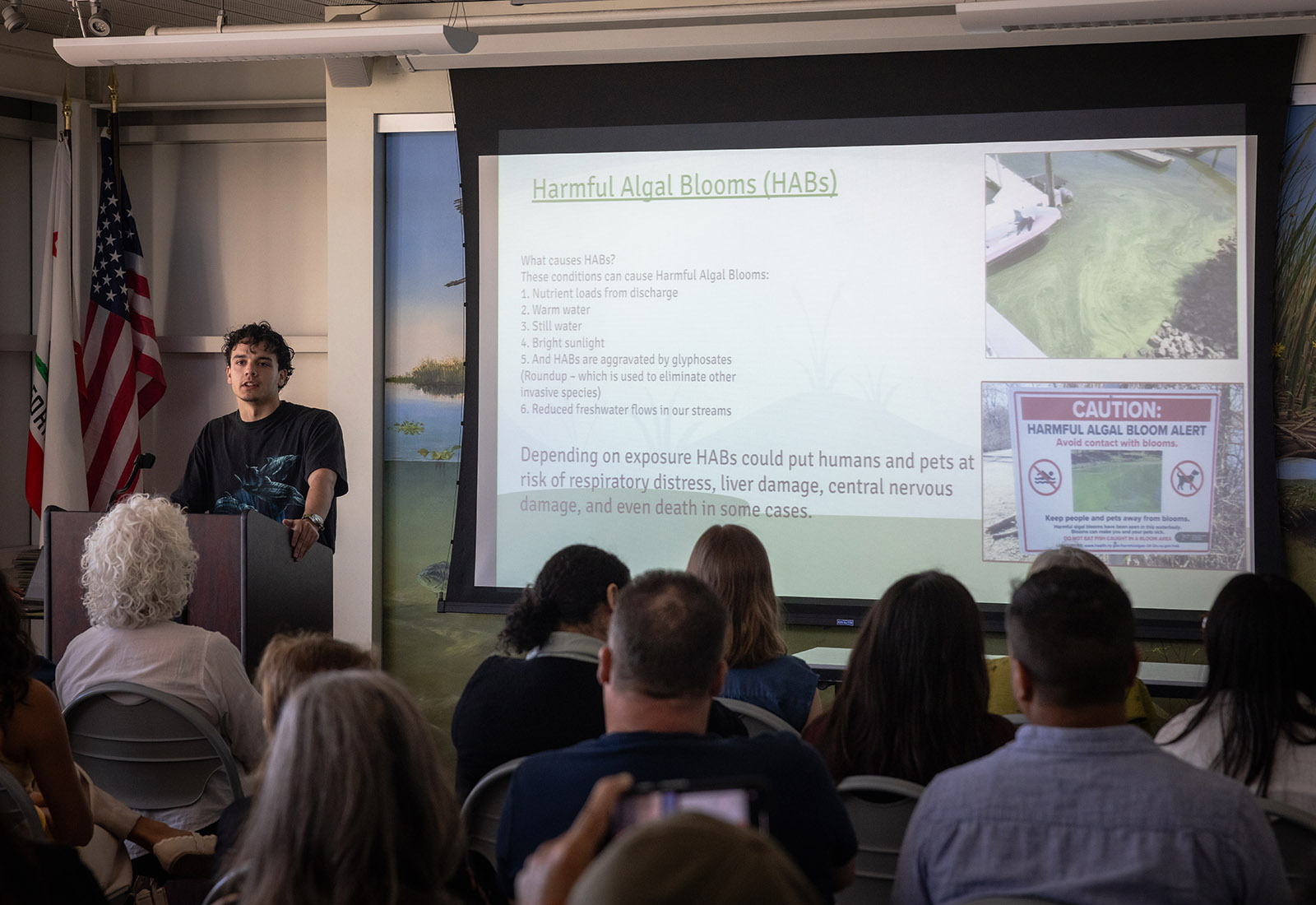
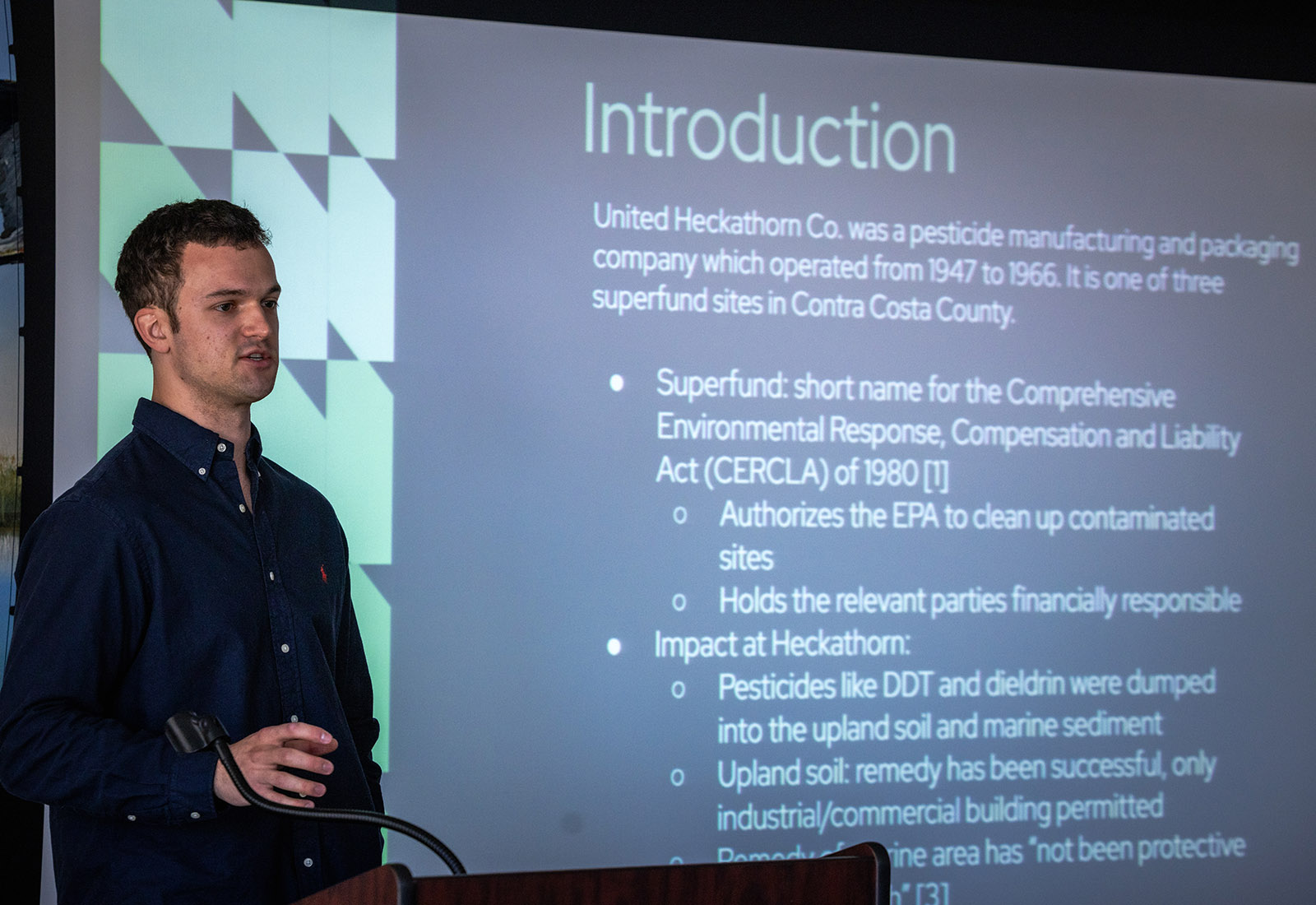
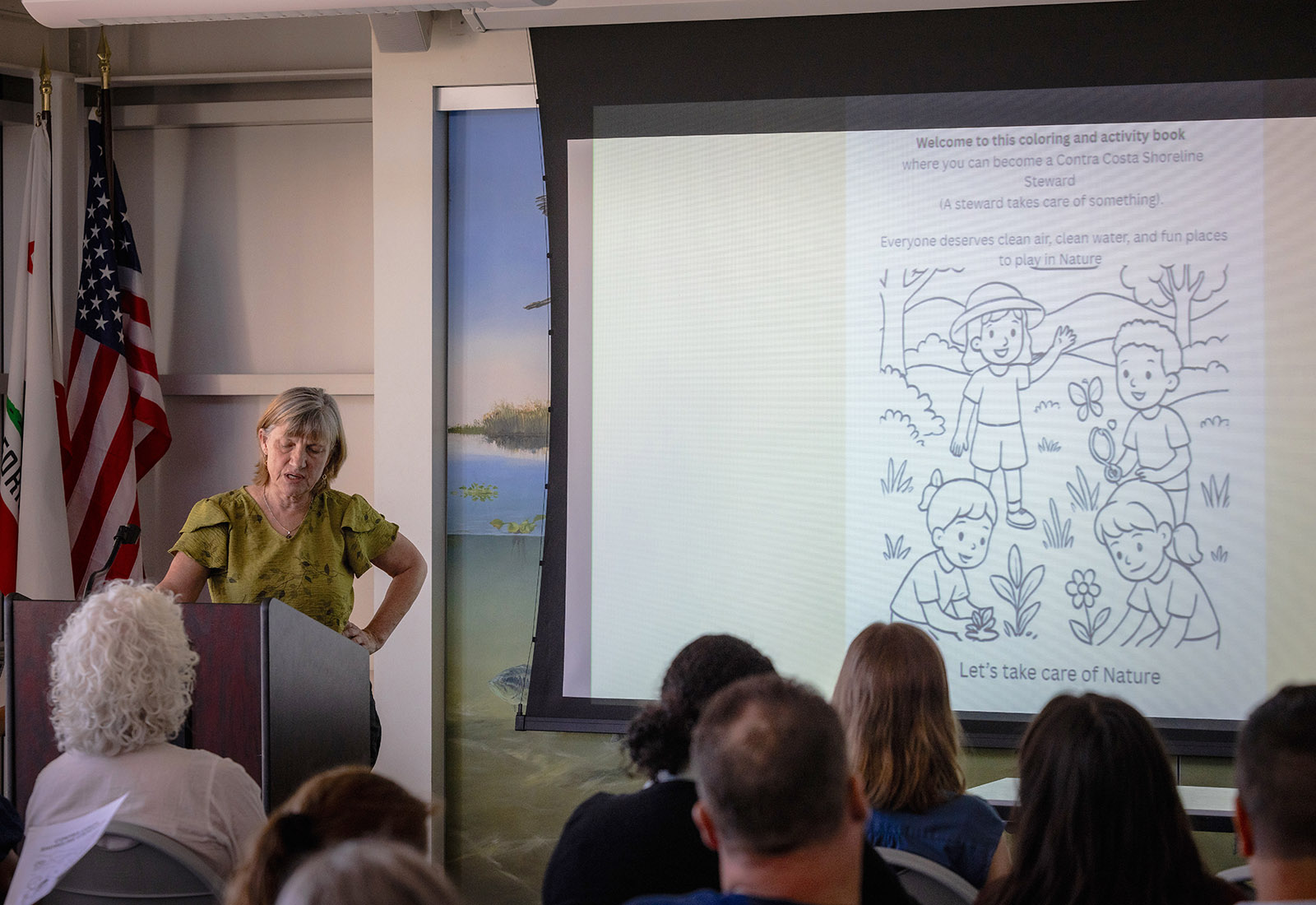
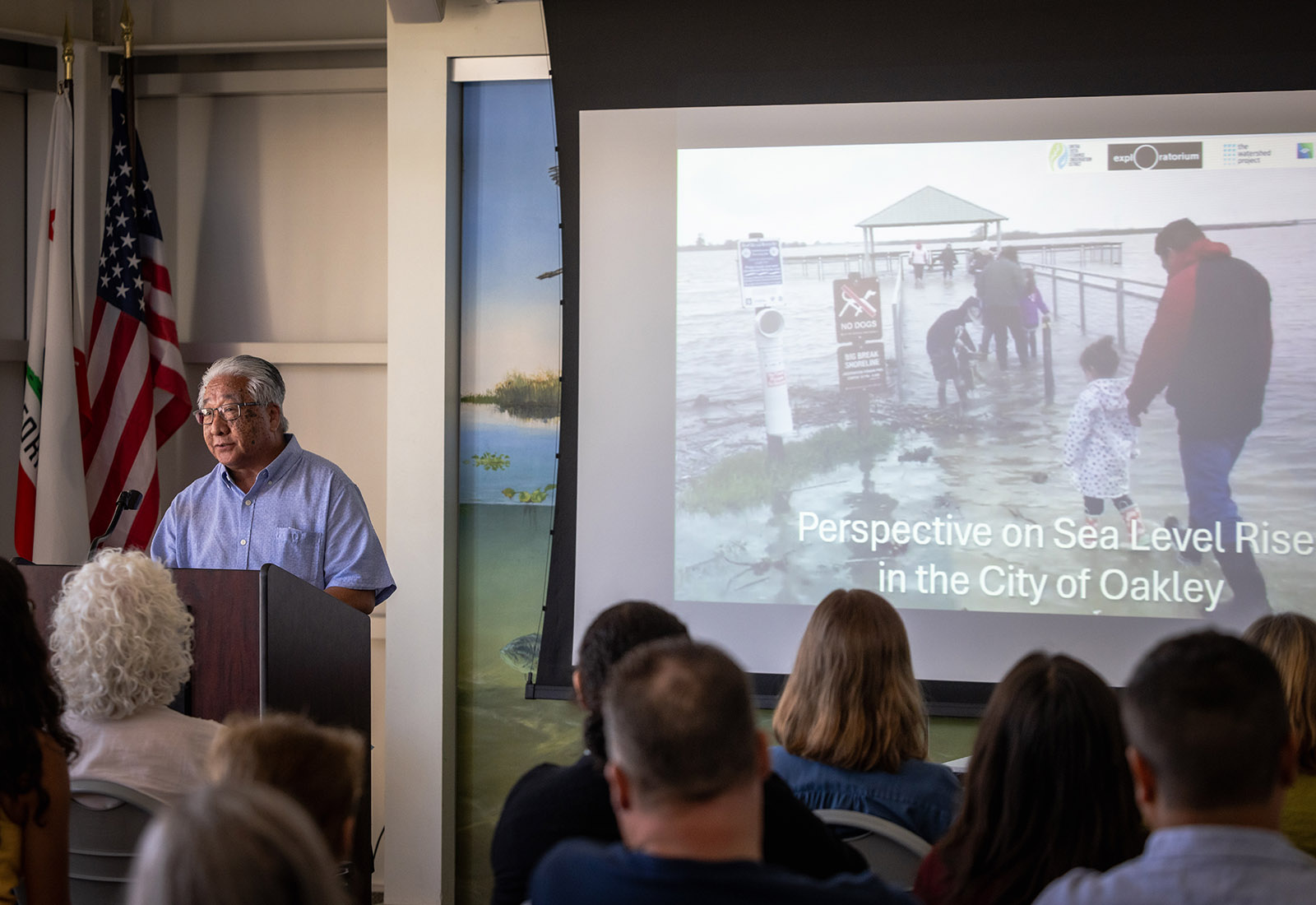
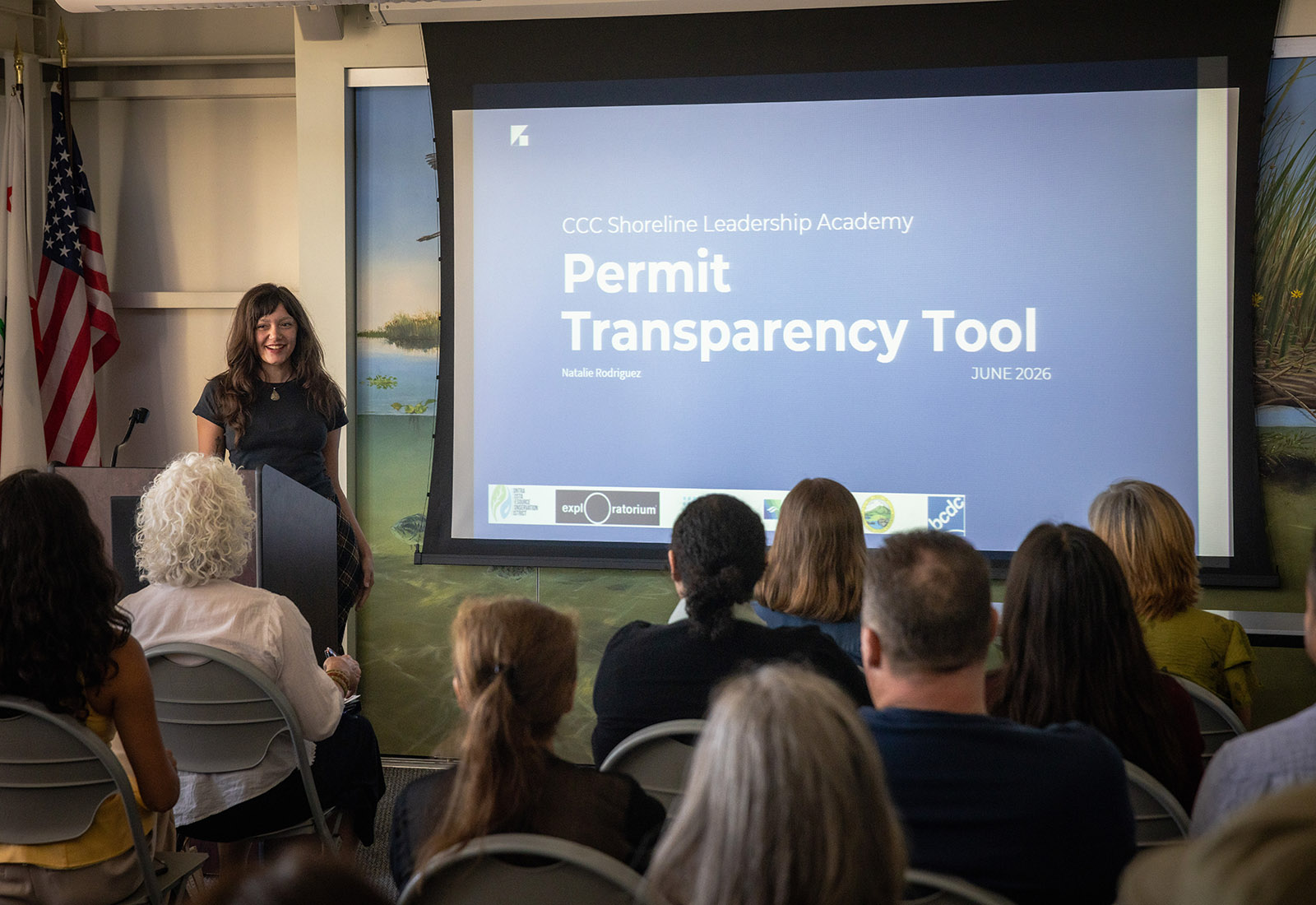
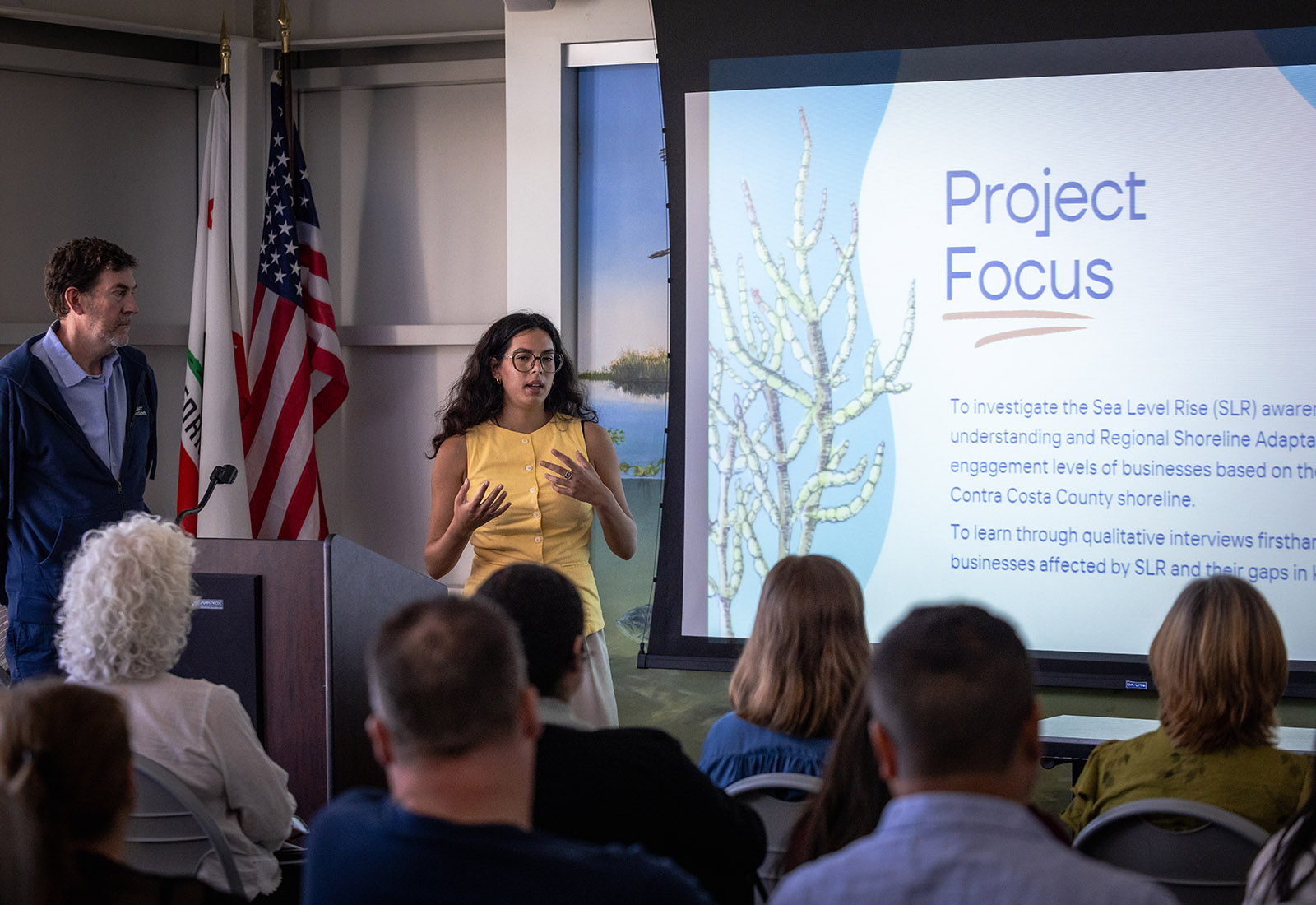
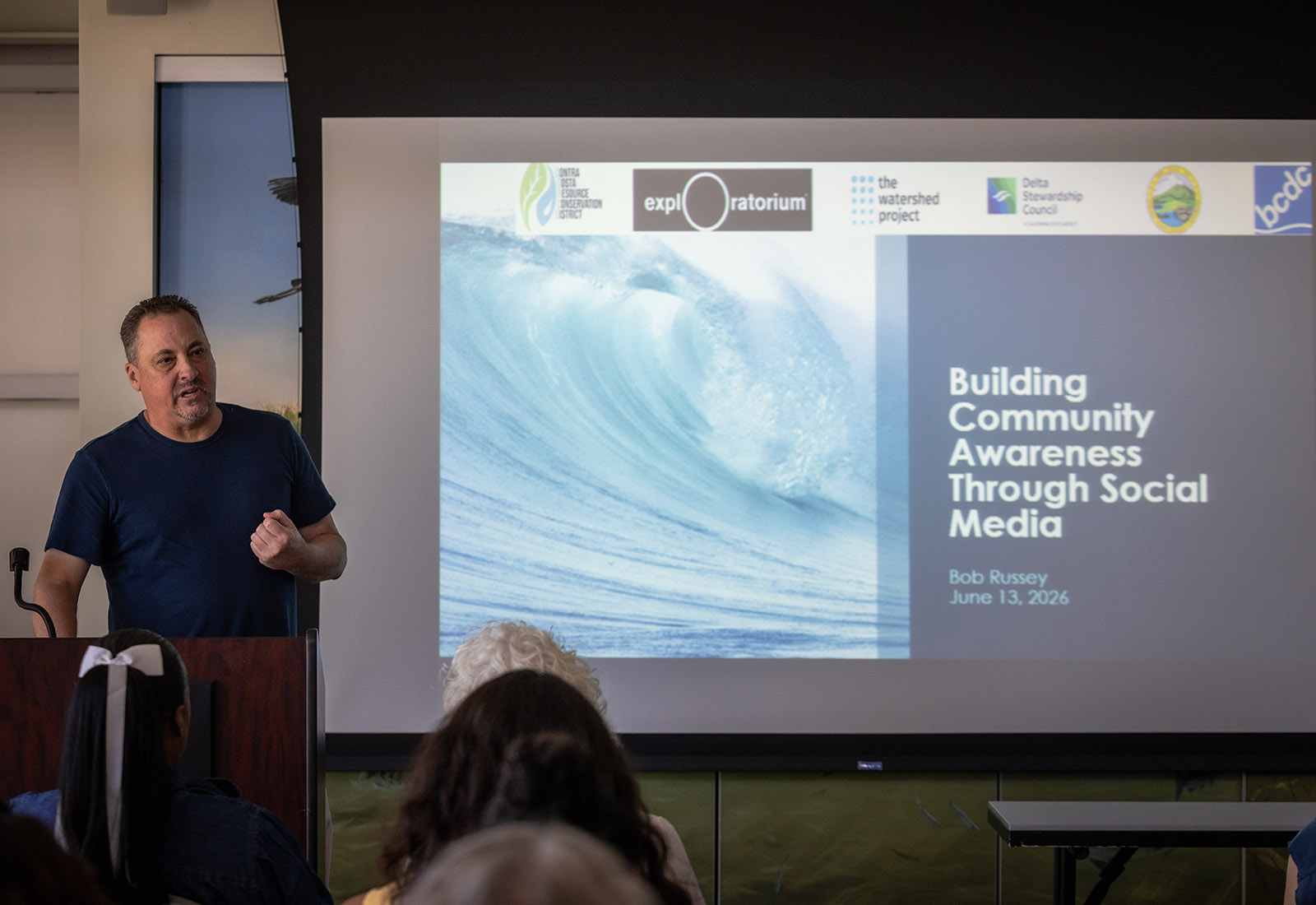
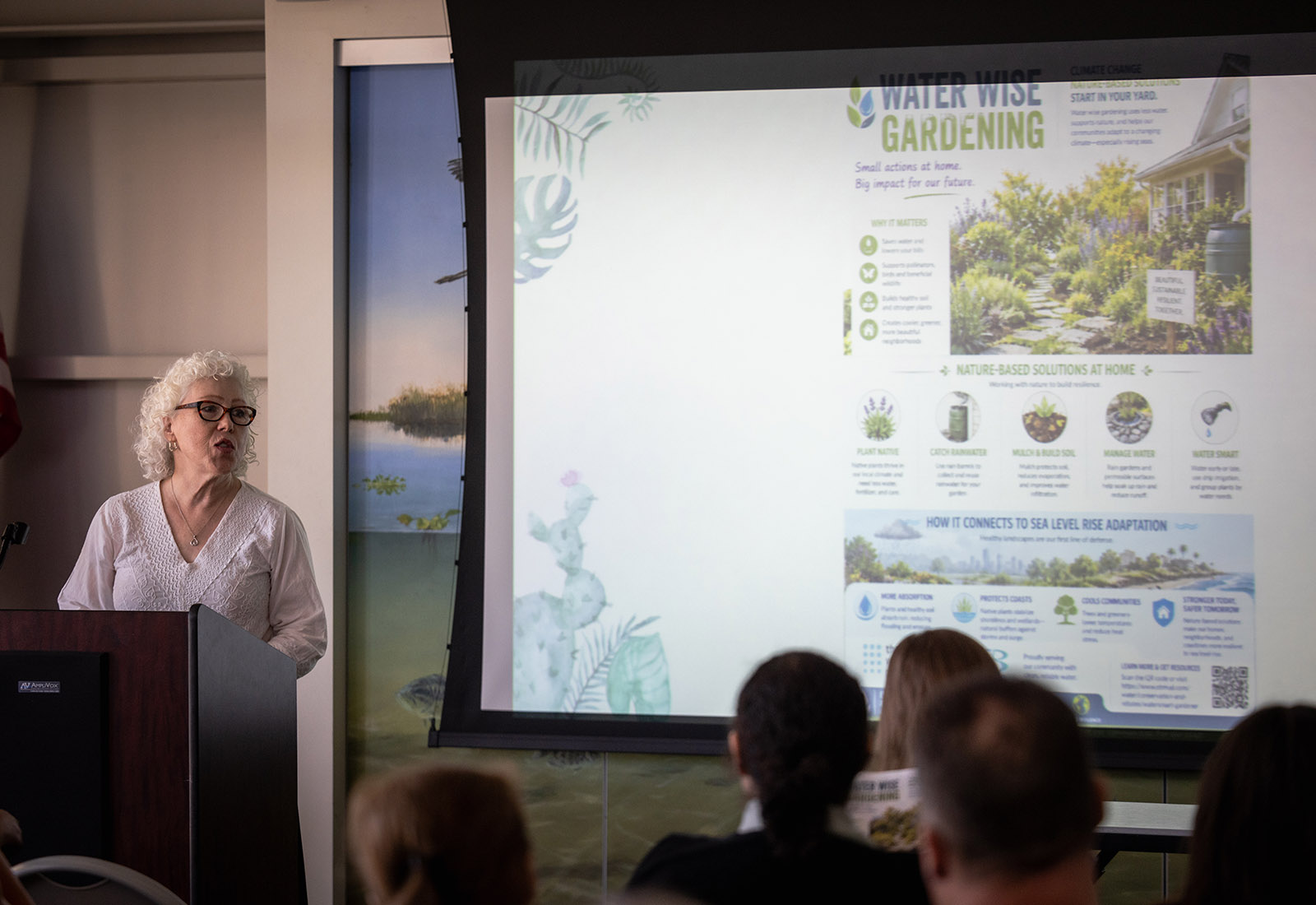
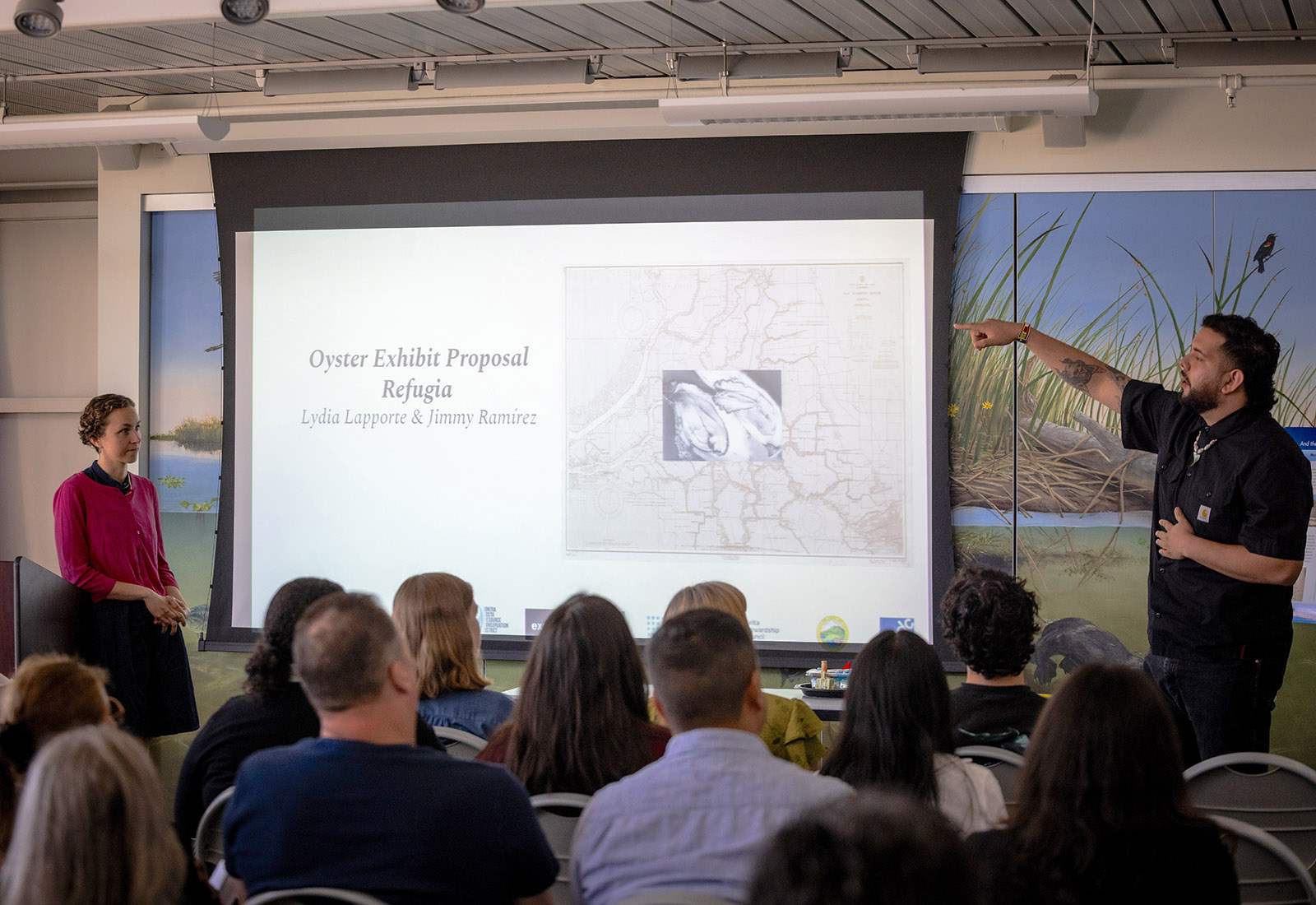
At the event, 21 graduates of a six-month shoreline leadership academy proposed different ideas for addressing rising water levels along the Contra Costa County shoreline. Proposals ranged from new sidewalk exhibits in unexpected places to finishing a cleanup of a local Superfund site, a “Love the Earth” coloring book for kids, and a plan to make oyster reef balls out of ceramics rather than concrete.
“I was blown away by all the different presentations,” said Louis Flores, a community organizer with 350.org, who came to see what his neighbors had come up with to save their shore from the effects of fossil fuel burning and the resulting expanding ocean. “If these people continue down this road, it will be pretty inspirational.”
And continuing down this road is what the organizers are hoping for.
This 90-mile stretch of Contra Costa shore is home to small towns, big oil refineries and ports, mom & pop marinas, and people in harm’s way. As local and regional governments make plans to protect it from rising sea levels, they need residents to both understand the challenges and be part of the response. That’s why the Bay Conservation and Development Commission and local partners have hosted three shoreline leadership academies since 2021, one in East Oakland, one in San Francisco for high schoolers, and this latest one focused on Contra Costa County.
Other Recent Posts
Regional Housing Agency Invests in Affordability
The Bay Area Housing Finance Authority is launching a loan program to support the construction of mixed-income rental properties.
The End is Coming for California’s Untouchable Grass
The law, which applies to grass that isn’t used for recreational purposes, could cut urban water use across California by more than 20% says Oakland thinktank.
Sonoma Vineyard Workers Burn toward a Better Future
A group of immigrant farmworkers are forming a worker-owned cooperative to bring back Indigenous burning practices that used to revitalize the soil.
Los trabajadores de los viñedos de Sonoma queman por un futuro mejor
Un grupo de trabajadores agrícolas inmigrantes está formando una cooperativa de propiedad de los trabajadores para recuperar las prácticas indígenas de quema que solían revitalizar el suelo año tras año.
New Voices Shape Design of Berkeley’s North Basin Strip
Twenty acres of parkland between the highway and the Berkeley shore are slated for a coast-resilient makeover, with input from locals and stakeholders.
It’s Always Sunny In North Fair Oaks
Residents of the unincorporated community launched their second campaign in two years to get the county to care for dying street trees.
Siempre está soleado en North Fair Oaks
Los residentes de la comunidad no incorporada lanzaron su segunda campaña en dos años para lograr que el condado se ocupe de los árboles de la calle que se están muriendo.
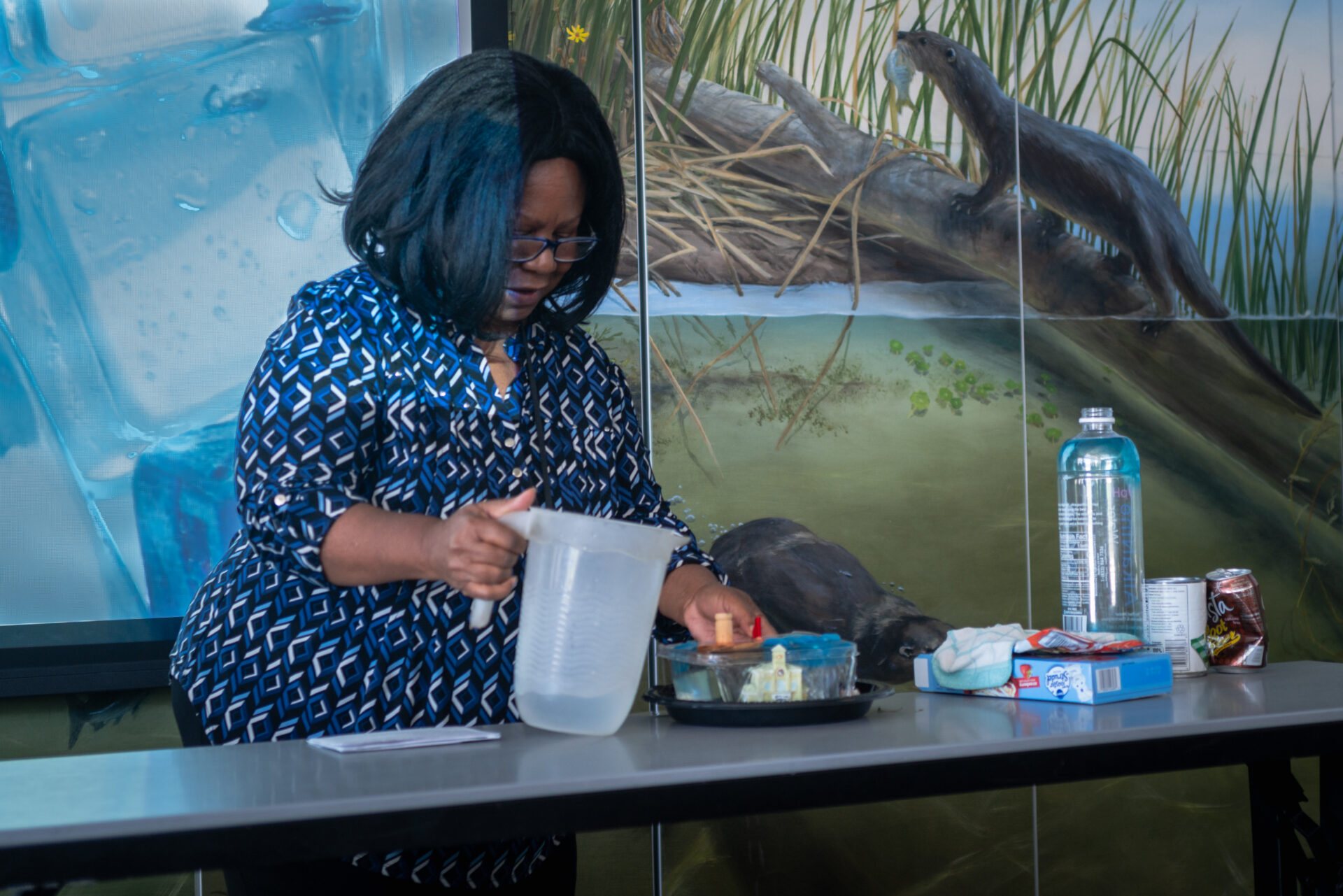
Retiree and participant Sonja Shephard, who lives in Pittsburg, demonstrated sea level rise with a toy boat, a pitcher of water, a bowl, and even a bunch of ice cubes to evoke melting glaciers. Photo: Richard H. Grant
“My daughter has asthma, and we don’t have a history of asthma in our family,” said participant Aashish Khanal, who is worried his home near the Chevron Richmond Refinery may have something to do with it. His proposal urged a stronger commitment to renewables. He cited data projecting that 13 major coastal refineries face a severe threat of flooding with just one meter of sea level rise. “If we delay converting to renewables, there will be a lot more environmental pollution and health care costs.”
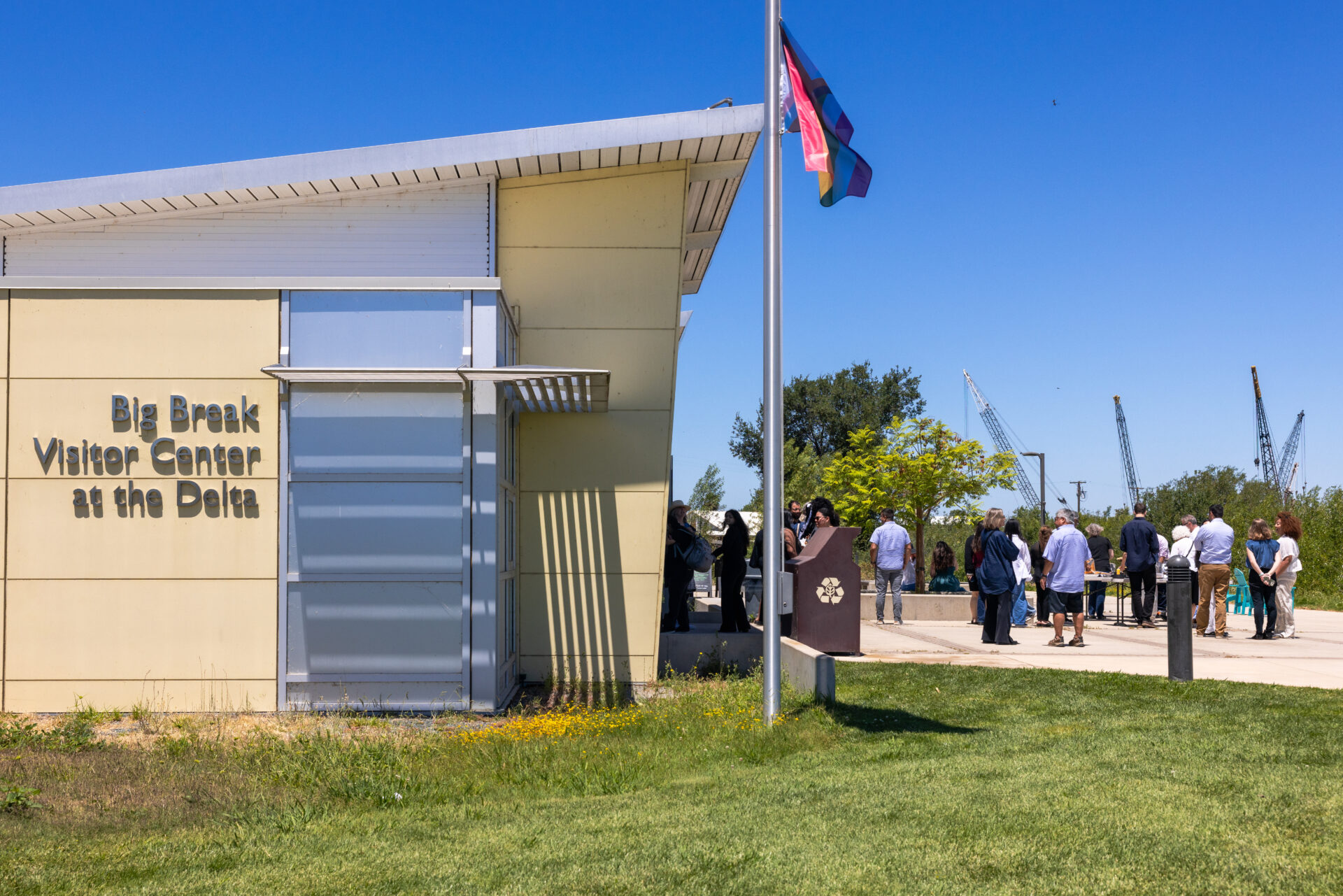
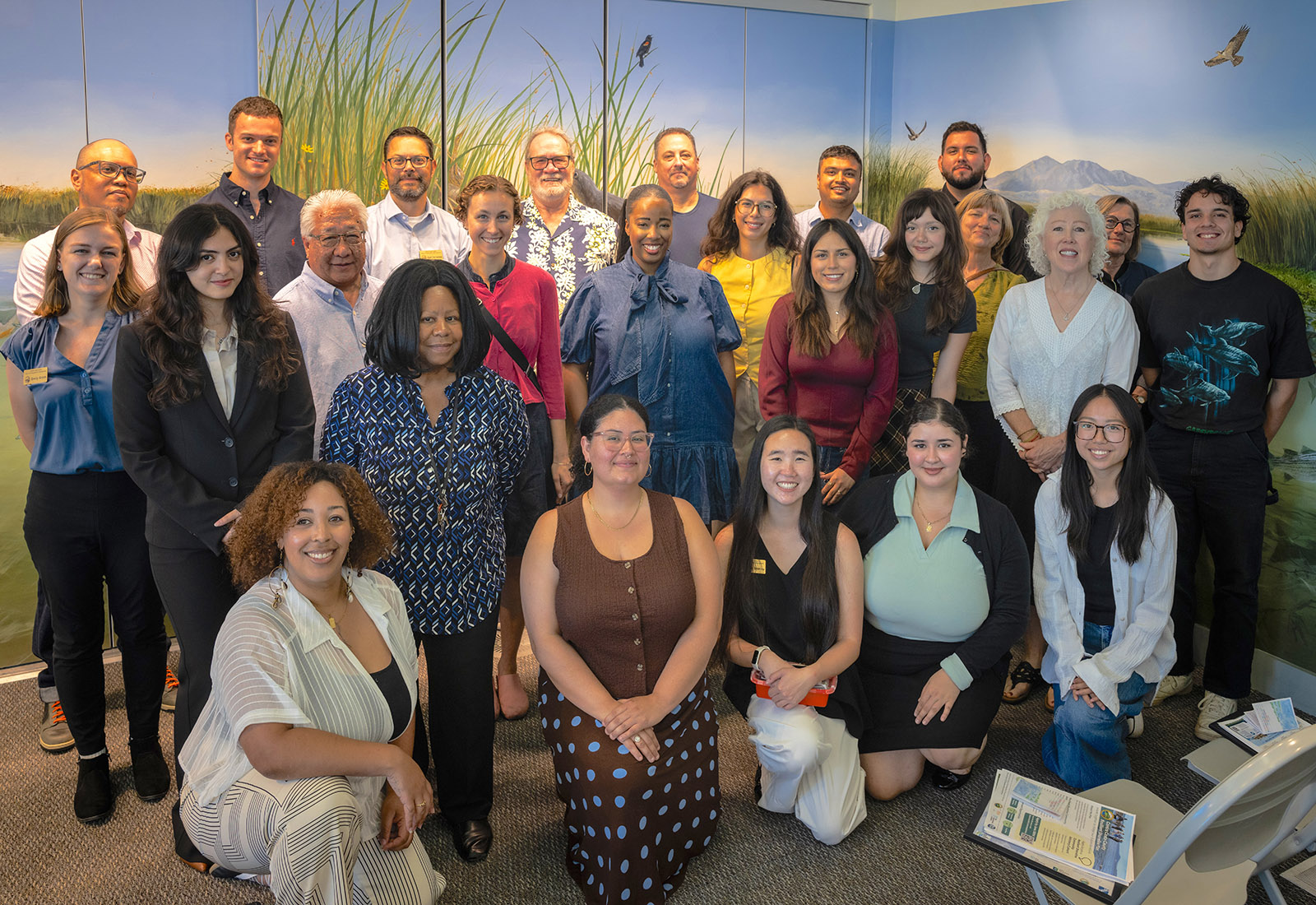
Lunch and networking for the new shoreline leaders after their graduation from the academy. Photo: Richard H. Grant
The academy offered 12 learning sessions and eight field trips, and paid participants a modest stipend.
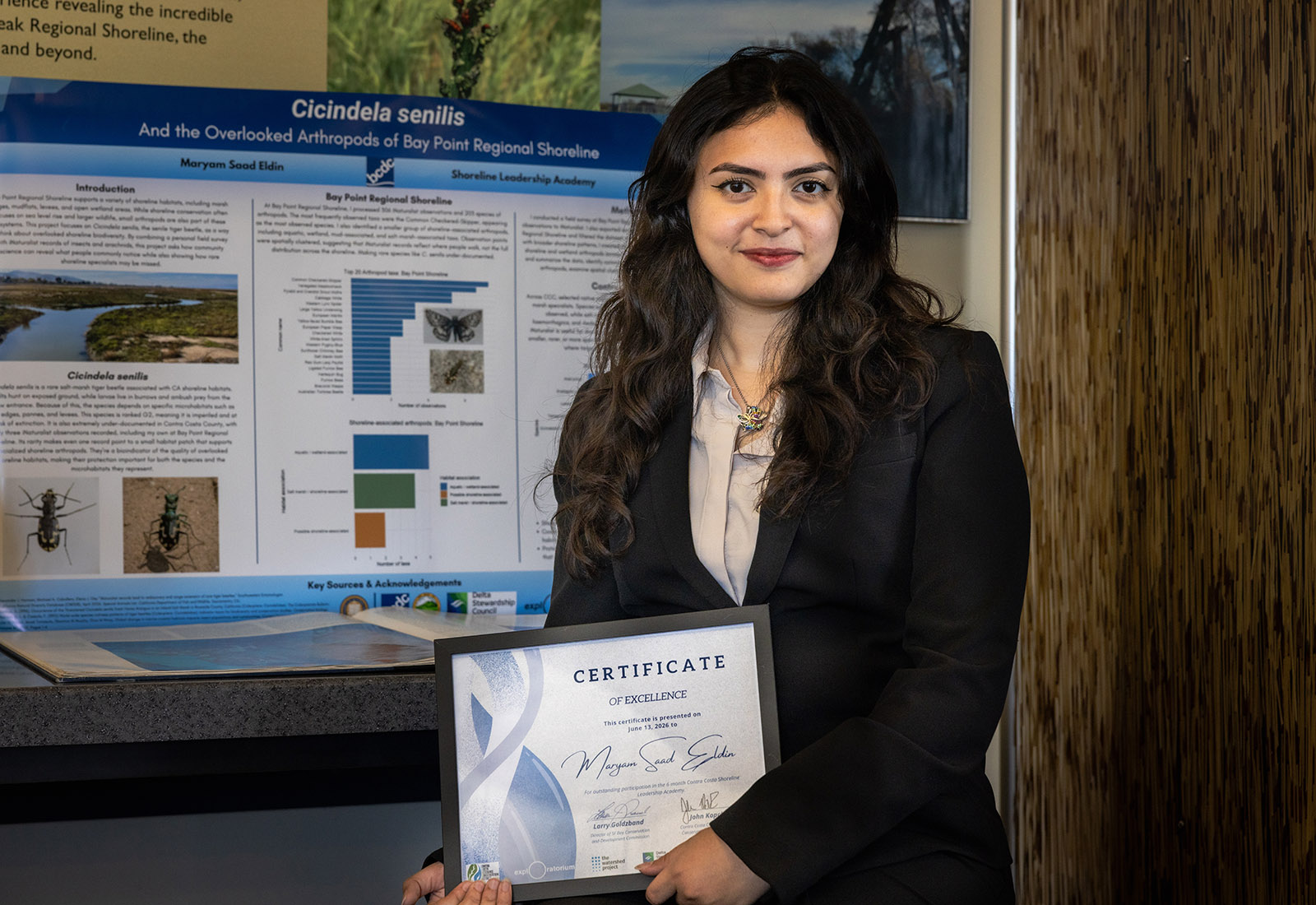
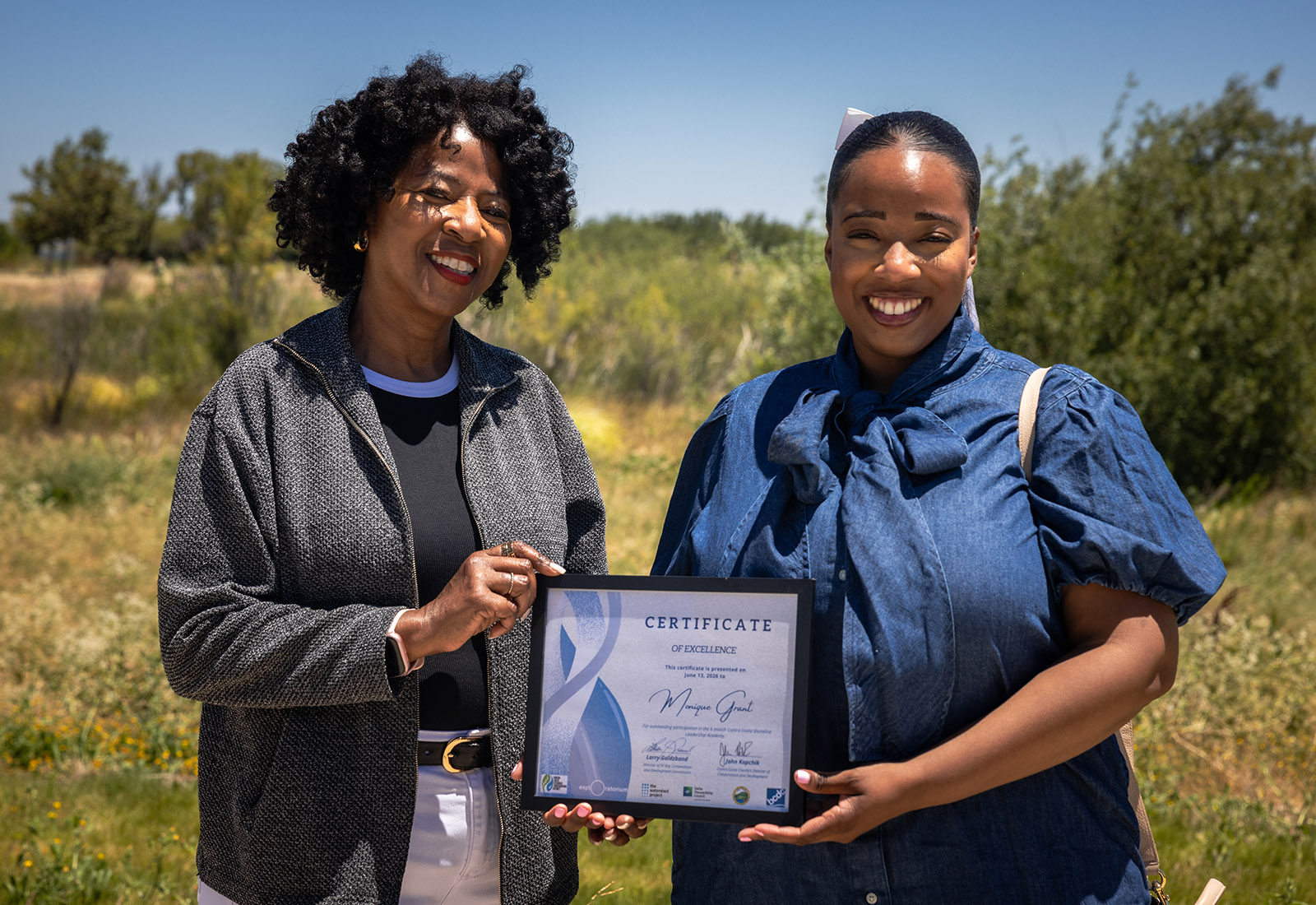
At the Big Break event on June 13, each of the newly-minted community leaders received a certificate. In addition to continuing to champion their own projects, they will now be invited to participate in more focused planning groups and share what they think is important to protect in their communities, according to Natalie Matias of The Watershed Project. The latter is one of several project partners, including the Contra Costa County Department of Conservation & Development, the local Resource Conservation District, the Delta Stewardship Council, and the Exploratorium.
“This is now an opportunity to go from the planning phase to the action phase,” said Matias.
16+ Big Ideas and The People Behind Them