


Unmasking Regionalism

“As dozens of entities vie to get ahead of the climate curve, can the push to be more regional in approach, to become more effective and efficient as a whole, win out?
In a place renowned for the body of water at its heart that connects 7.7 million people across more than 100 municipalities, it’s hard to imagine any response to rising sea levels and the prospect of flooded homes and businesses that isn’t regional in scope. Tackling such daunting climate challenges — which include air and water quality, soil contamination, wildfire risk, and seismic retrofits, as well — would be too much to ask of any single city or county alone. And the cost of adaptation, without neighbors and partners pitching in, is staggering.
And yet, even though sharing resources and expertise is needed, the Bay Area faces a long history of local control over these matters that’s hard to overcome.
“In some ways, we’re still missing a mechanism for coordinated collective action,” says Emily Corwin, interim director of the San Francisco Estuary Institute, pointing out that many worthy projects must navigate a complex maze of social, environmental, regulatory, and financial constraints. “The Bay Area more and more gets the reputation of being one of the hardest places to get anything done.”
When conflicts along the shore arise, the region has long looked to one regional entity for resolution. First created in the 1960s to save the Bay from indiscriminate filling, the Bay Conservation and Development Commission is now more than ever at the region’s regulatory helm.
“We are exploring with other regional agencies [whether there are some] systemic issues preventing shoreline adaptation happening at the scale and pace we’d like to see as a region. [There’s no doubt] we’ve become more efficient, effective, and funded, but we haven’t fully realized our goals,” says Jessica Fain, BCDC planning director.
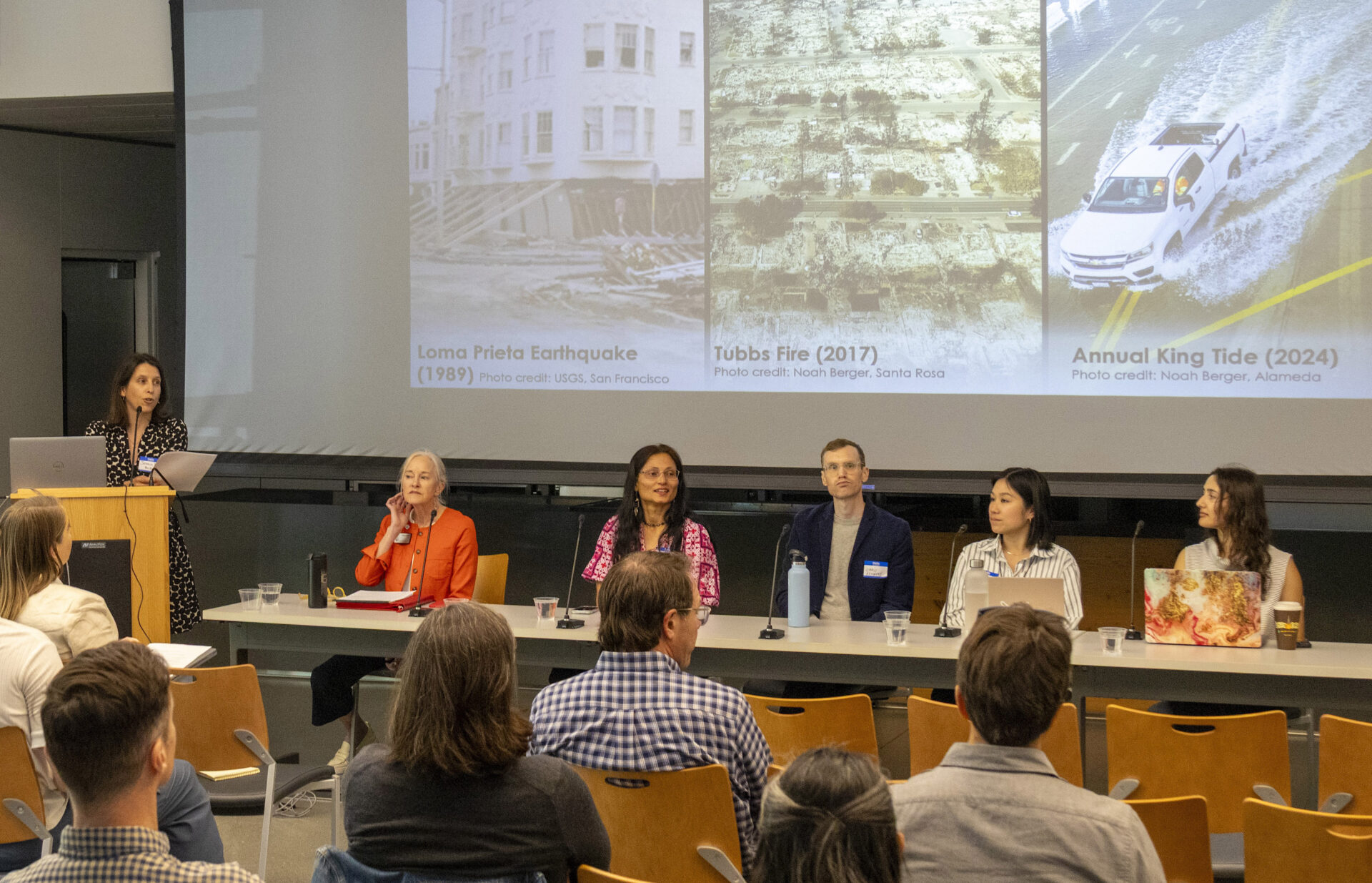
BCDC Planning Director Jessica Fain, at podium, speaks at a 2025 Climate Week panel. Photo: Alexis Gabriel
The good news is that decades of groundwork laying the foundations for regional collaboration in the Bay Area have resulted in some major wins: the Regional Shoreline Adaptation Plan, the Air District’s Regional Climate Action Plan, the Bay Adapt Joint Platform, and Plan Bay Area 2050+, to name a few.
But those are plans for the future, and many working on both the government and advocacy sides of this space see the next phase of collaboration as somewhat the reverse of the last decade’s work. Where development of these regional plans required time, money, and buy-in to bring dozens of organizations together, their successful implementation now necessitates a renewed focus on local planning and projects.
“I’d really like to focus on regional doing, regional being, not regional planning. Regional plans are super important, but at this point in history, knowing what we know about the climate crisis and the biodiversity crisis, about division and the impacts of social media and now AI on human health and relationships, we need to do. We need to put shovels in the ground, to engage communities, to move toward action…” says Annie Burke, executive director of Together Bay Area.
“I think a lot of the solutions we’re putting forward, there’s a lot of buy-in for them, but people want to see them happen, and that’s the gap we’re seeking to bridge — how do we accelerate and deliver this stuff?” adds Dave Vautin, Metropolitan Transportation Commission regional planning director. “We need to get them done in two to five years, not 10 or 20 years. People are frustrated that it just seems to take so darn long. That’s huge for us.”
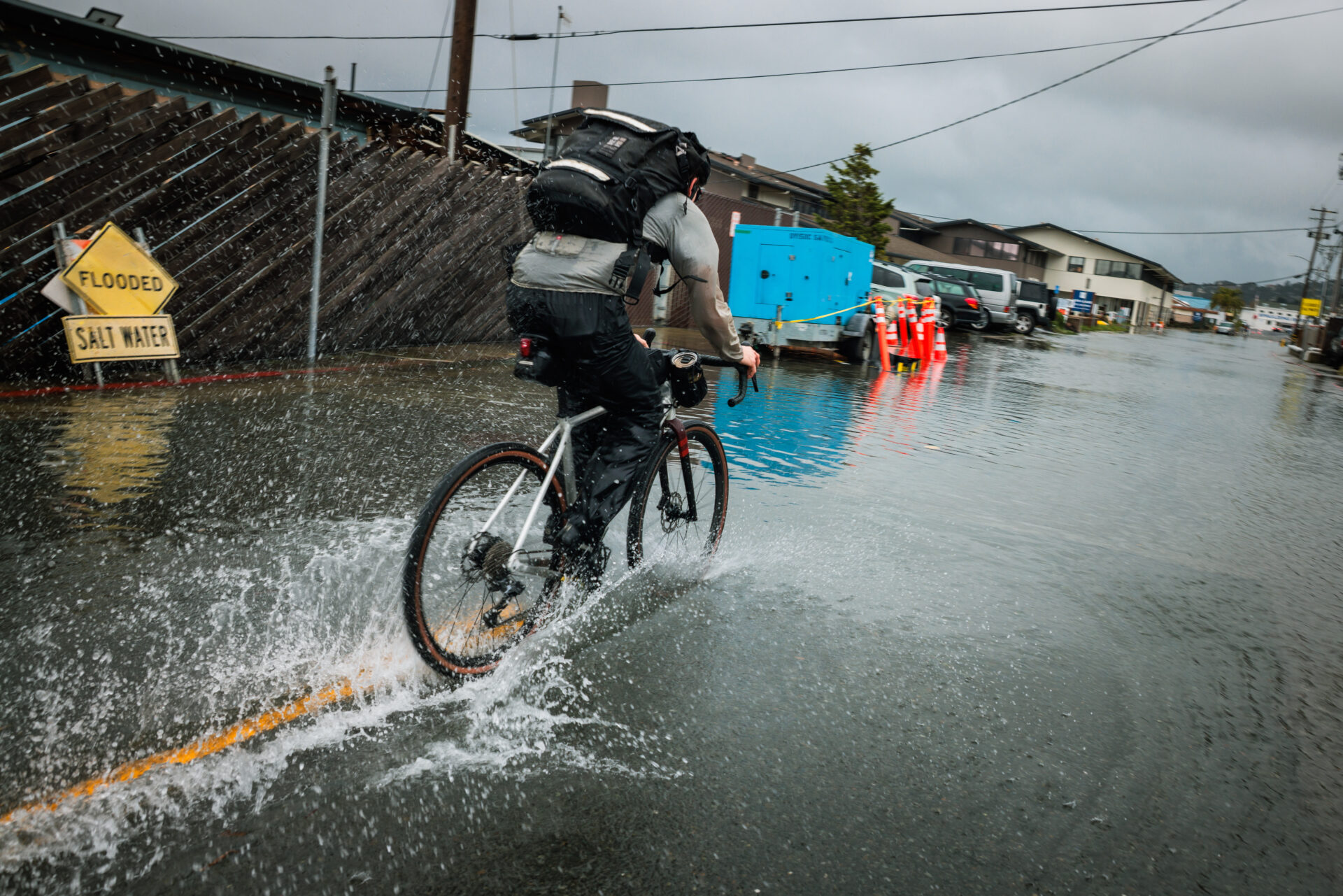
This Marin biker could have used some flood protection this past January during a stormy king tide event. Photo: Richard H. Grant
Indeed, the next, even more difficult phase is implementation — moving dirt and showing the fruits of that planning labor. As they stand at a crossroads for regional climate action, more than a dozen regional government leaders, planners, nonprofit advocates, and academics spoke to KneeDeep about what’s next.
As the renowned climate-forward landscape architect Kate Orff once said: “There are no solutions, only choices.”
‘Everybody Wanted a Plan’
Back in 2018, Mark Lubell, director of the Center for Environmental Policy and Behavior at UC Davis, authored a study researching governance gaps in sea level rise planning that surveyed staff members from local, county, and regional authorities, including BCDC and MTC.
“There is currently not a single central agency or institutional arrangement with comprehensive responsibility for sea-level rise and climate adaptation planning,” Lubell wrote in that report. “Instead, many agencies are creating their own forums and planning processes at different levels, creating the potential for fragmented decision-making and lack of coordination at the regional level.”
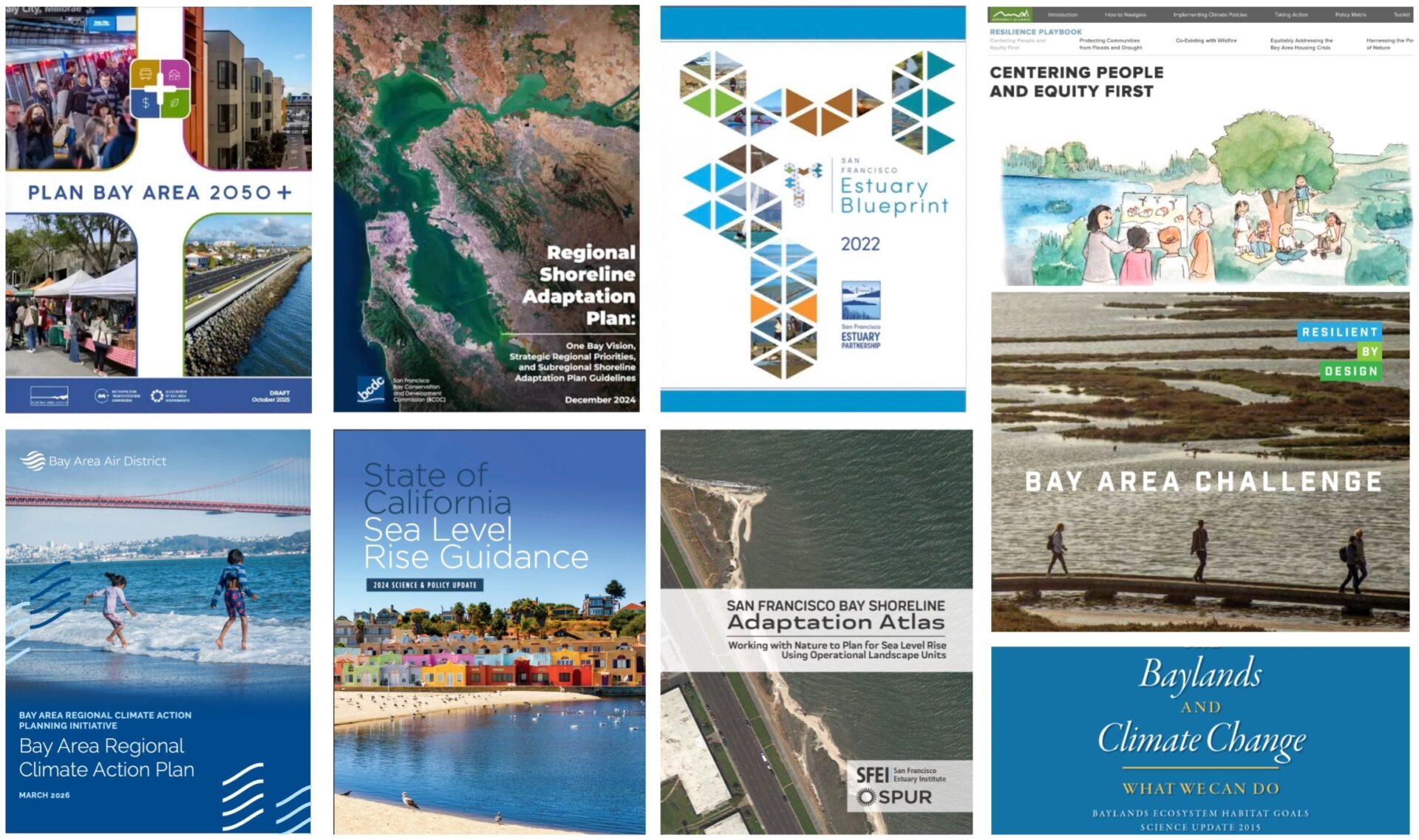
A sampling of current and past plans and guides related to sea level rise and climate planning for the region.
At the time, many planners expressed apprehension about yet another agency telling local governments what to do.
“Everybody wanted a plan, but nobody wanted a new authority to be in charge of that plan,” Lubell says. “We’re still with that. Nobody wants a brand-new agency that’s going to limit the autonomy of any other actor here.”
What we were (and are) left with, he adds, is the need to build trust and relationships across jurisdictions to create the kind of buy-in necessary for a regional approach to climate adaptation.
“Any time you talk about regional threats [like sea level rise], you raise fears of regional control,” BCDC Board Chair Zack Wasserman says. “I think all the agencies, but BCDC in particular, have gotten very good at slowing down and making sure that we are transparent and inclusive. But it means making sure you’re listening to people who may not be supporting what you’re doing, or may be afraid of what you’re doing, then talking through it and actually taking their viewpoint into consideration when thinking about how to modify your efforts and plans.”
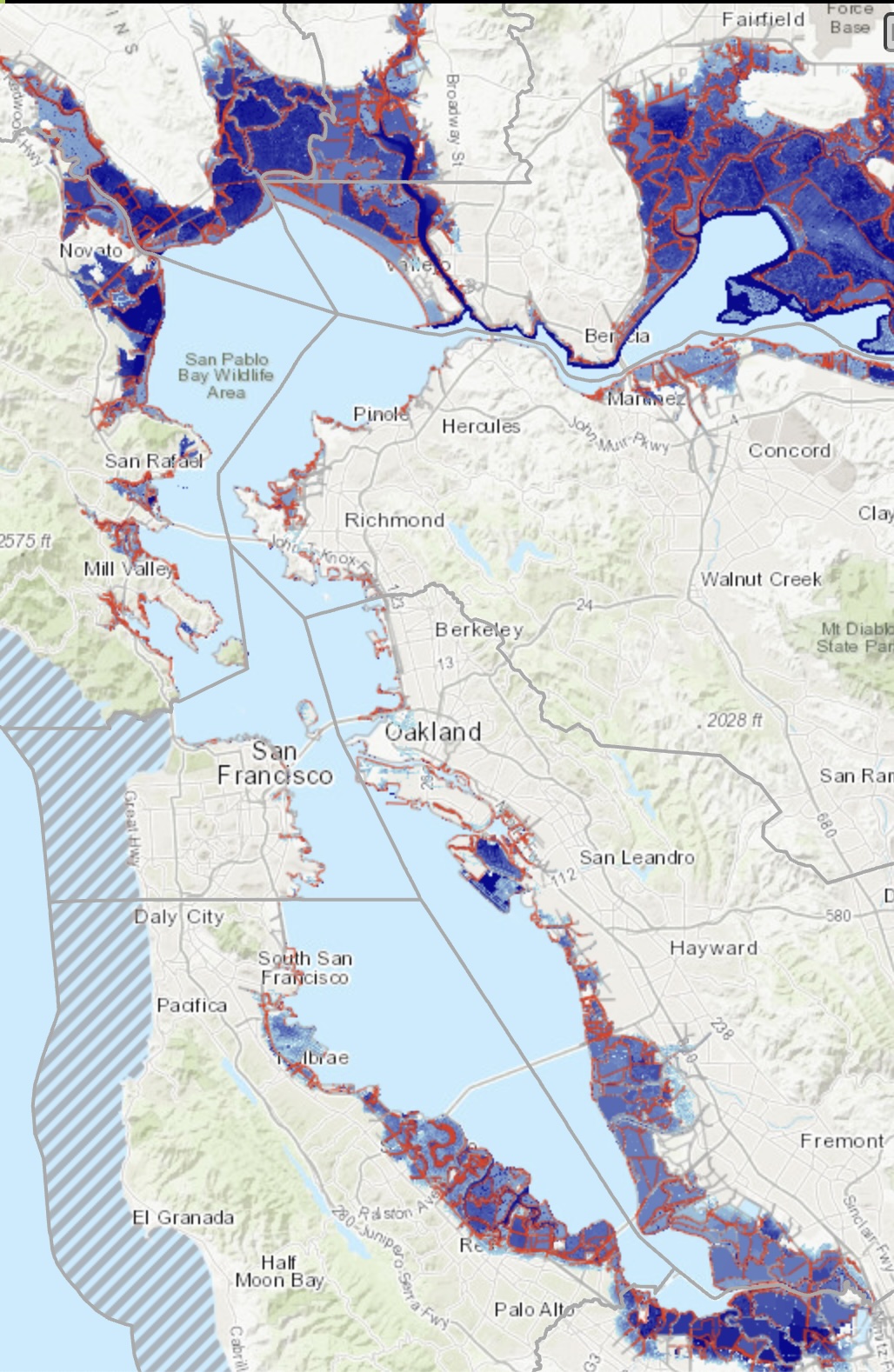
Sea level rise map. Source: BCDC
One project that Wasserman and others highlighted as evidence of continued progress in regional collaboration is the renovation of State Route 37, a multi-decade process to tackle traffic jams while also restoring marshland along the highway and raising the road to protect it from sea level rise.
Eight years after his first survey, Lubell is working on a follow-up project assessing the current state of regional collaboration. In the intervening years, several regional plans have come to fruition. Kinks and gaps are getting addressed. New voices have arrived at the planning tables. But regional climate resilience still faces a heap of constraints, from lack of enforcement authority to standing at the mercy of local land use power.
A Complicated Bureaucracy
The list of regional players in the climate space is long — MTC (which merged with the Association of Bay Area Governments almost a decade ago), BCDC, the Bay Area Air District, and the San Francisco Bay Restoration Authority, among others.
Each has its own planners and areas of expertise. When it comes to metro area planning and development, MTC controls the biggest purse strings, BCDC rules the shore, and the Air District curbs emissions. Getting staff across those groups on the same page has taken years of work. Then, those staff members are tasked with bringing their ideas and policies to the county and local levels, and funding various projects proposed at those levels.
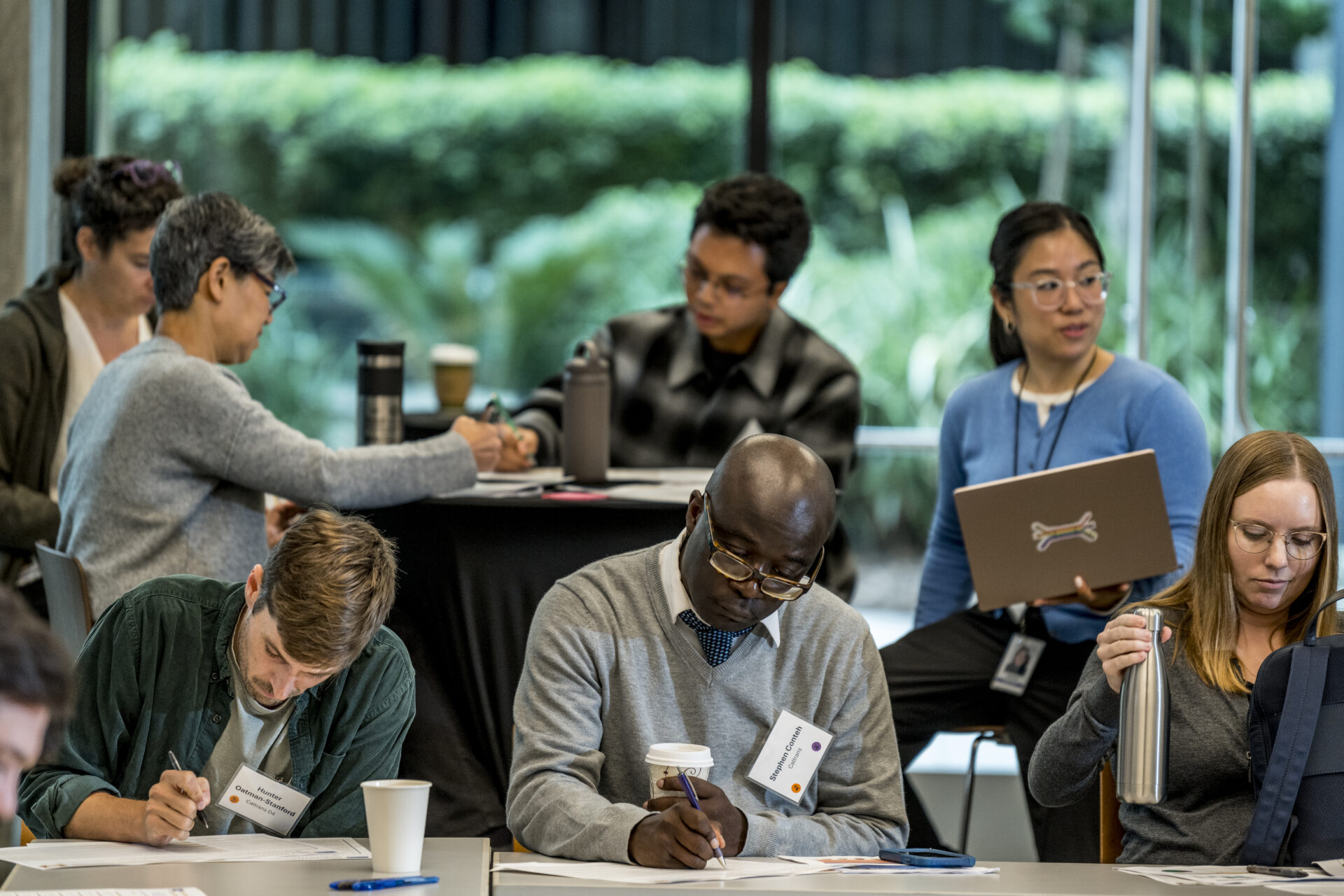
Staffers, stakeholders, community leaders participated in brainstorming workshops for Plan Bay Area in 2024. Photo: Karl Nielsen
As BCDC’s director and assistant director of planning, respectively, Jessica Fain and Dana Brechwald are leading the agency’s effort to get local jurisdictions to create their own plans for meeting Regional Shoreline Adaptation Plan goals, like protecting residents from flooding, contamination, and displacement, and pursuing nature-based adaptation projects wherever possible. While actual climate adaptation projects come down to funding capacity and approval from local governments, Fain is quick to point out that SB 272, enacted in 2023, does require cities within BCDC’s jurisdiction to develop their own shoreline plans.
“It’s important to remember that the RSAP isn’t just a voluntary goodwill thing,” Fain says. “SB 272 is just strong enough of a law that it’s giving everyone the push. We’re seeing really, really strong uptake for a law that gives cities 10 years to abide by. We’re seeing over 90% of cities in some way, shape, or form moving forward. I think that’s a pretty remarkable achievement for something so new.”
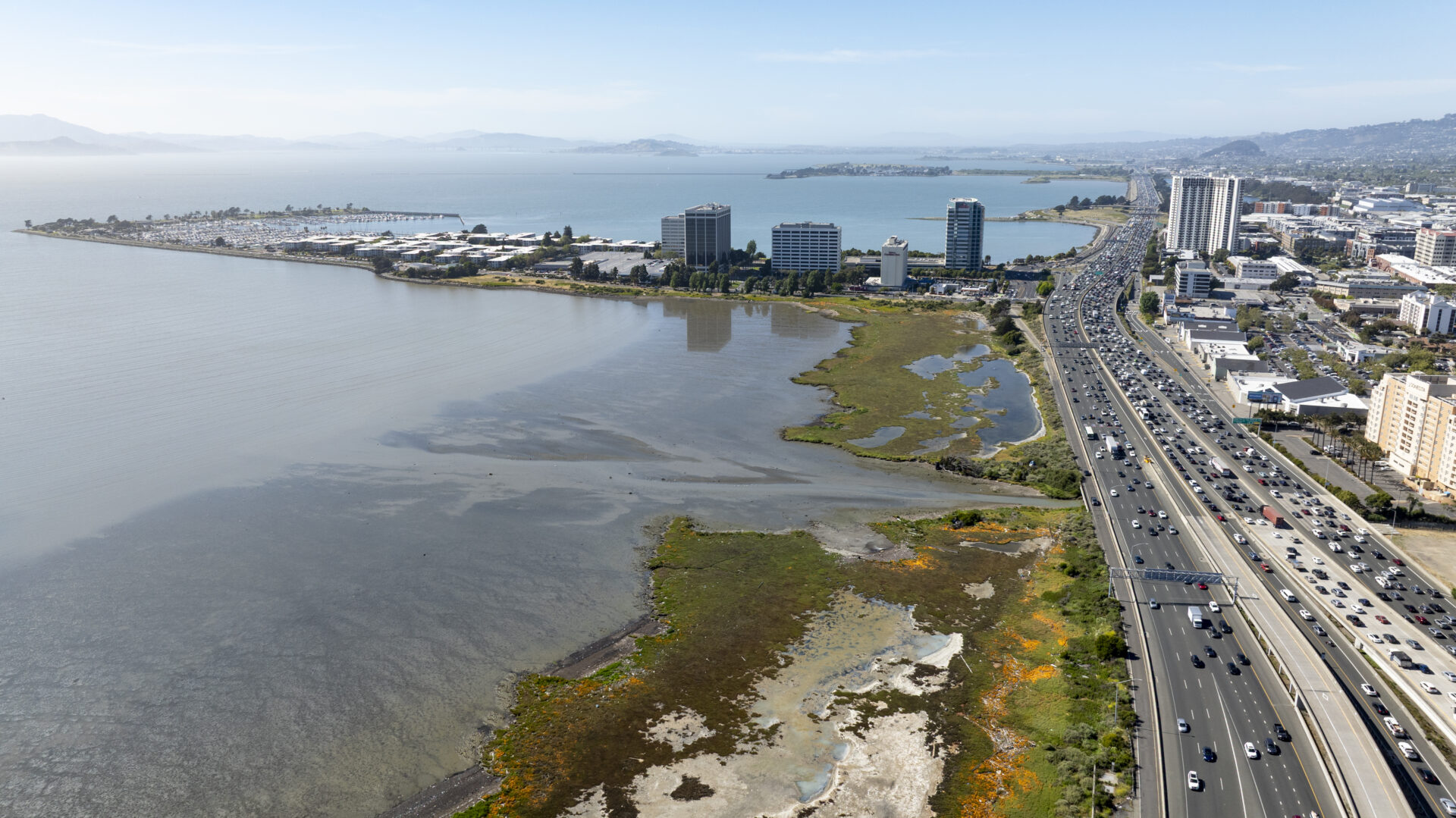
The zone where buildings, roads, bridges and wetlands overlap here in Emeryville is one focus of a multi-jurisdiction adaptation planning effort under the RSAP. Photo: Karl Nielsen
And, as for the relationship between local and regional governments, Brechwald thinks a certain amount of push and pull is healthy. Without that, she argues, the whole point of leveraging expertise at each of those levels to better prepare for climate change would be lost.
BCDC communicates with cities to assess how their individual plans “fulfill the broad strokes of what we were hoping a regional approach would do,” she says. “And we’re understanding more closely the factors they’re considering at a local level, and that back and forth conversation is where this translates from a nice regional vision to reality on the ground.”
Speaking to people like Brechwald and Abby Young, the Air District’s climate protection manager who devoted the last few years to creating the Regional Climate Action Plan, their excitement about the current state of regional collaboration on climate initiatives is palpable.
In building that plan, which the Air District released in April, Young and her colleagues focused on complementing other existing plans to fill gaps. For example, they’re looking at how to build out and enhance the Bay Area’s electric vehicle charging infrastructure to reach the state’s goal of all EVs on the road by 2035.
“There are gaps that impede the sale of EVs because people don’t trust that they will always be able to pull in somewhere and find a working charger,” she says.
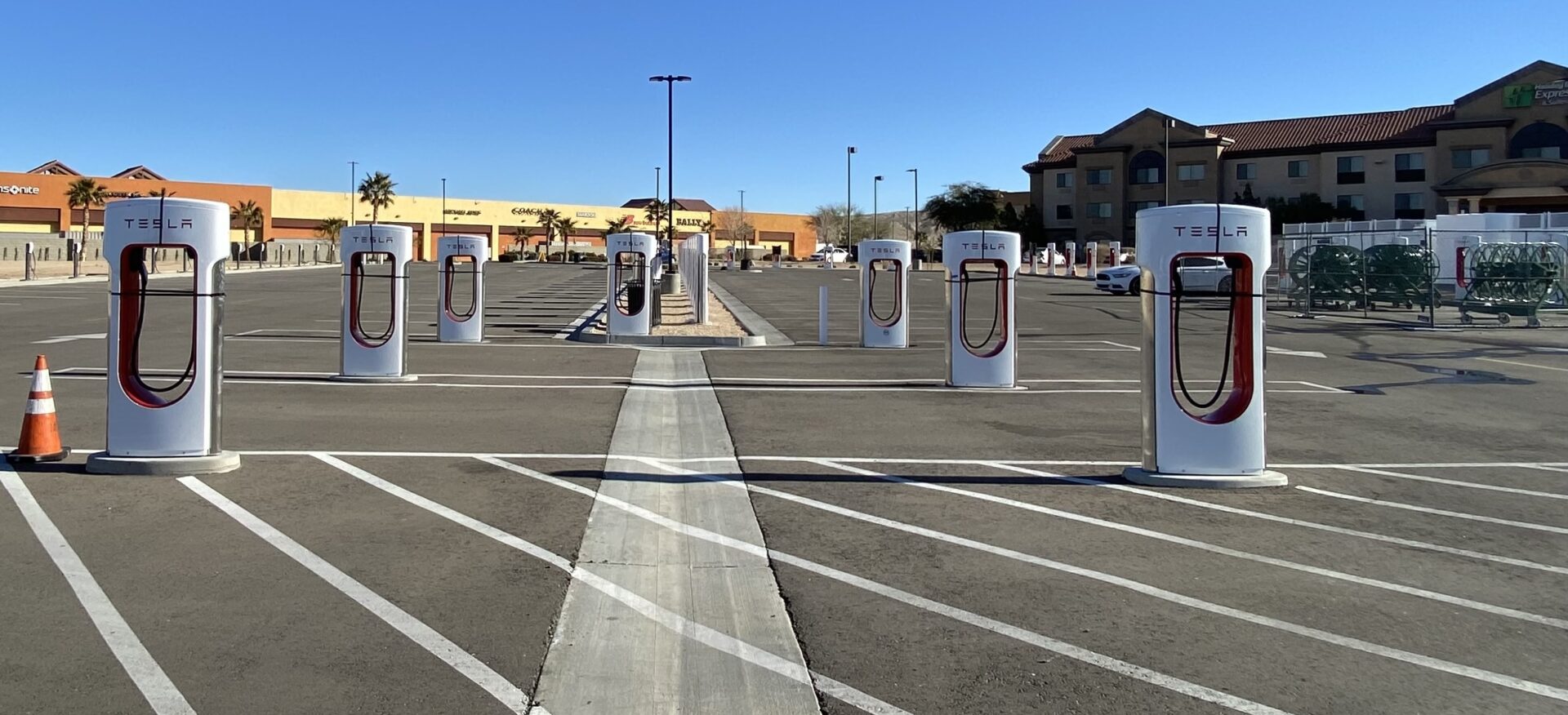
Locals on their way to the Southwest states can now find a charging station in Barstow in the middle of nowhere. Photo: Wikimedia Commons
“We have high institutional capacity in California,” Lubell adds, noting the number of different agencies working on climate action. “That complexity, to some extent that’s a problem you want to have because it reflects an environment where there’s a lot of resources. When a problem gets identified, there’s ways to build institutions around it, so you keep building stuff, and it gets messier. There are other places where even if they identify the problems, they can’t build any institutions at all.”
Throughlines
The asks coming down the pipeline from big regional agencies don’t always land. That’s in part because many city and county departments are already overextended, and also because a few inches of sea level rise every decade will never be as urgent as a fire or sinkhole.
“Cities have staff that are at capacity. Smaller cities, especially, are never going to be resourced at the level they need to take that 30,000-foot view and really understand the ways they could tap into external expertise or support to help,” says Allison Brooks, former executive director of the Bay Area Regional Collaborative (an inter-agency working group). “They might have one community development director who is also their sustainability director who is also desperately in need of support to advance best practices. Without a high functioning regional government, where we’re actively working with jurisdictions to problem solve, we get everybody in their own little worlds.”
But cities and counties have not been without their own network of support. The Bay Area Climate Adaptation Network hosts quarterly meetings and offers technical assistance and funding tips to its 100+ members. The network’s seven-year-old equity working group has become a key resource for vulnerable communities starting to plan for sea level rise.
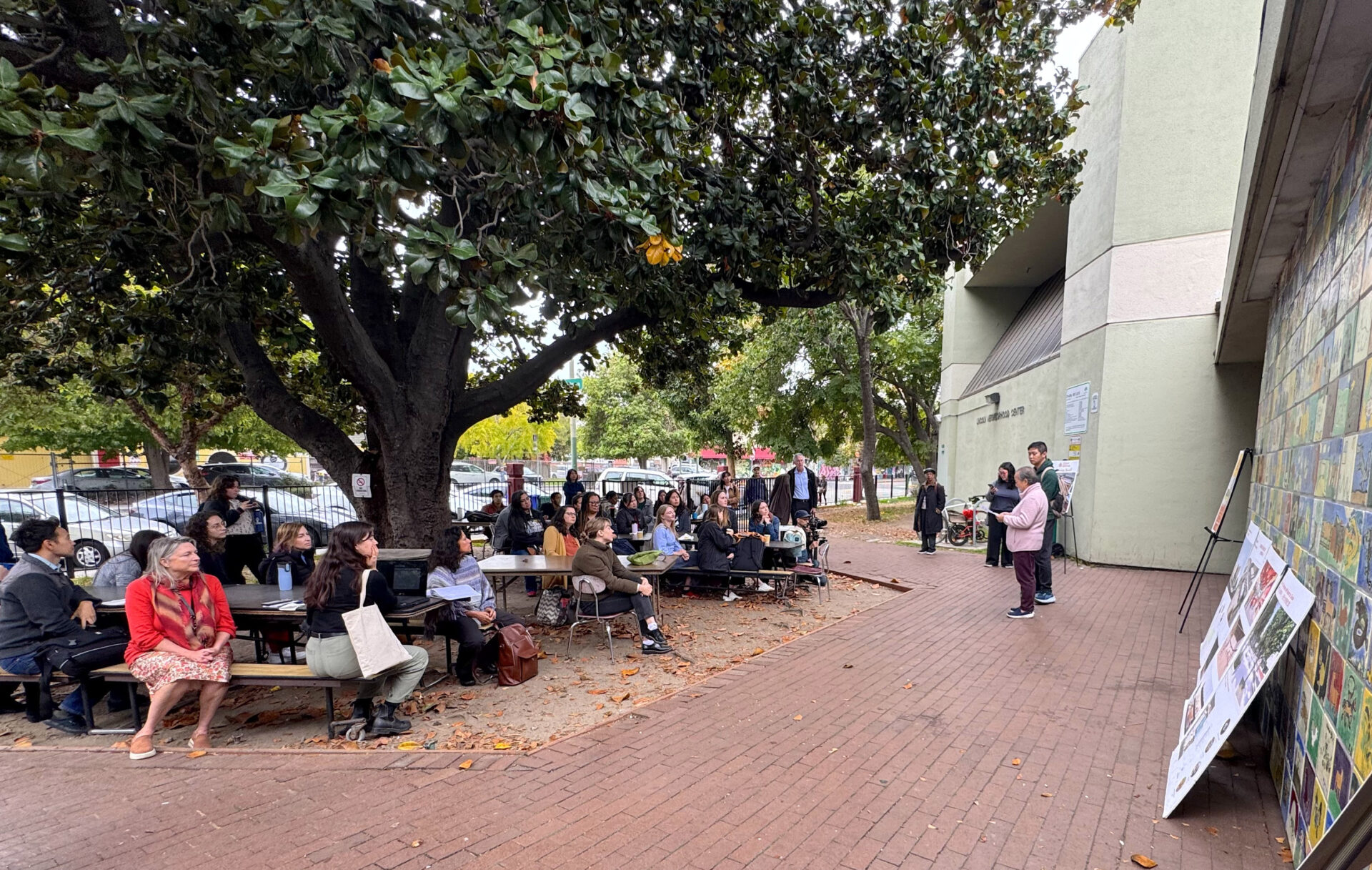
A BayCAN regional meet-up in November 2025. Photo: Tiffany Eng
“We’re a safe space for anyone to come and find out what other jurisdictions and community based organizations are doing, even just ask questions and troubleshoot together,” says BayCAN Program Coordinator Cas Esteve.
Esteve says BayCAN has struggled with funding because so much of its work is “administrative and relational.” The need for cross-county, cross-city, and cross-regional work is clear, but it’s hard to fund. Most recently, the group made progress setting up a centralized regional climate library.
But tracking the performance of climate adaptation projects can be a challenge nationally because of siloed data. The Bay Area, though, has some success stories. Regional wetlands restoration data is currently served by tools like the EcoAtlas, an inventory of local adaptation and restoration projects that SFEI and its state and federal partners have maintained for decades to prevent siloing. And new lidar data on elevations in relation to tides around the Bay is expected to be more accessible and useful to all.
“SFEI has been supporting the maintenance of EcoAtlas tools and critical data infrastructure for decades,” says SFEI’s Emily Corwin. “One of our objectives is to expand partnerships to sustain these open-source tools in the longer term, funding the next generation of user-experience improvements that sea level rise and adaptation actions demand.”

No one is an island when it comes to climate adaptation. Photo: Karl Nielsen
Regional authorities are also still trying to find the sweet spot for coordination. In 2024, BARC managed to push through a flood protection agreement among seven different agencies. BARC’s future, however, is now up in the air — the collaborative hasn’t held a public meeting in more than a year, and it hasn’t replaced Brooks, who stepped down in April 2025. She says that dynamic “doesn’t instill a lot of confidence that there’s still a commitment to public coordination.”
Urgency vs. Engagement
Beyond government planning, however, hundreds of organizations help educate and engage their communities in adaptation work. They solicit input from residents and make sure local jurisdictions are sticking to their climate goals.
Jennifer Hetterly, the senior coordinator of the Bay Alive Campaign to protect the Bay from sea level rise — which is led by a partnership of the region’s three Sierra Club chapters — says her team’s next role is as a watchdog ensuring that local jurisdictions are following through on their development of sea level rise plans and adaptation projects. As part of that effort, the campaign is investing in local education.
“We created a road show that we’re delivering to anybody that will hear us that in 15 minutes tells you about the sea level rise threat, the RSAP, and the process going forward for local communities as they start to plan,” Hetterly says. “We’re much more optimistic because of that regional coordination via the RSAP. That really does help provide focus.”
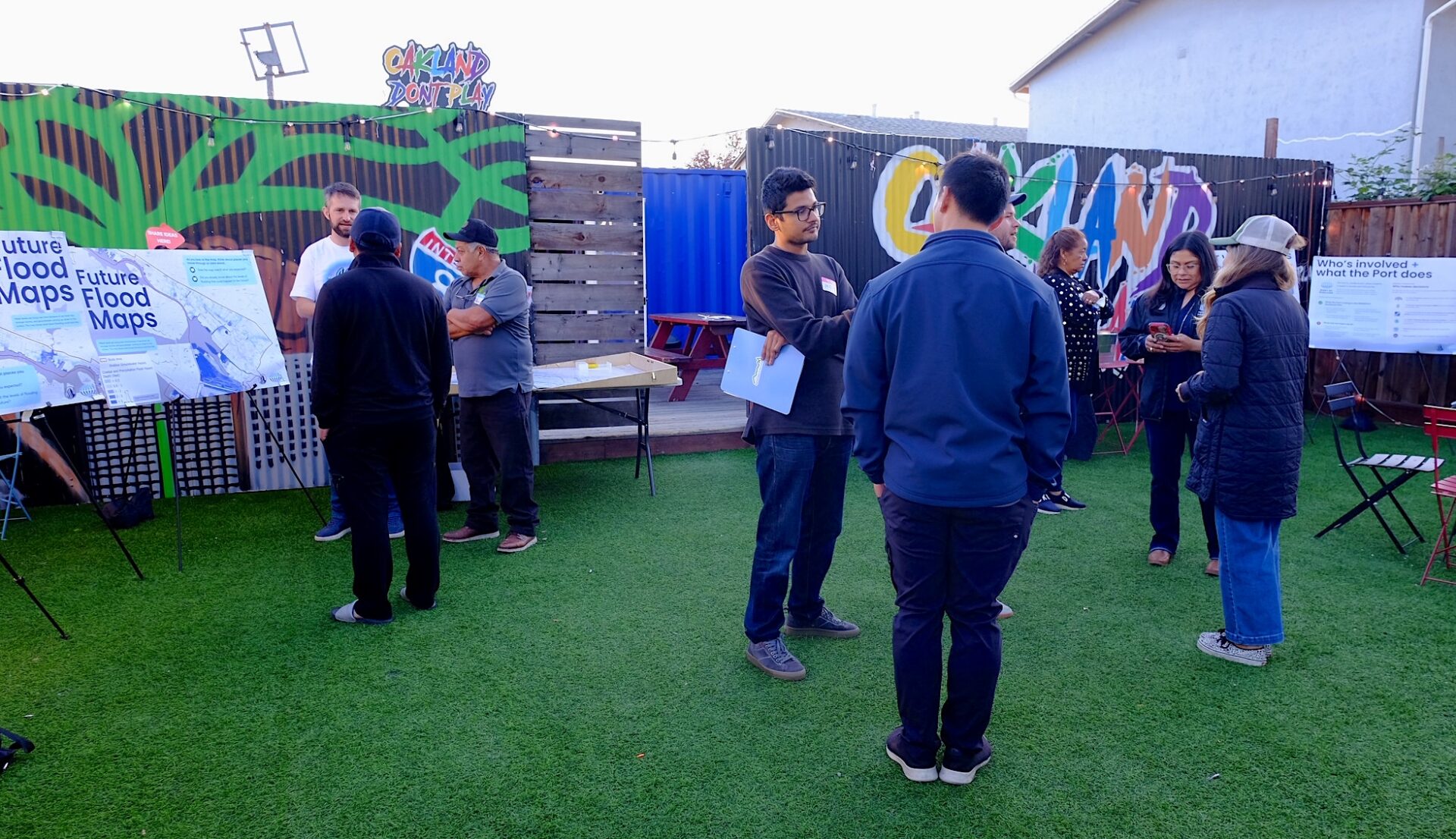
Oakland residents attend a Greenbelt Alliance event in March 2026 aimed at engaging voices from the waterfront in the future flooding conversation. Photo: Greenbelt Alliance
But while some communities have seen successful environmental interventions, others feel left out and vulnerable. Eddie Ahn, who serves on the MTC board and leads environmental justice nonprofit Brightline Defense, remains concerned about ongoing gaps in CalEnviroScreen’s measurements of pollution in communities like Bayview Hunter’s Point, Chinatown, and the Tenderloin that have historically borne the brunt of environmental contaminants in San Francisco.
One point of tension in all those issues is how much community engagement on a project or an environmental justice problem is necessary. Everyone agrees that community members deserve a seat at the table, but the question is when to make a decision and move on. Several planners note that it’s OK if residents don’t agree with something, as long as they have a chance to understand why their city or region is pursuing it.
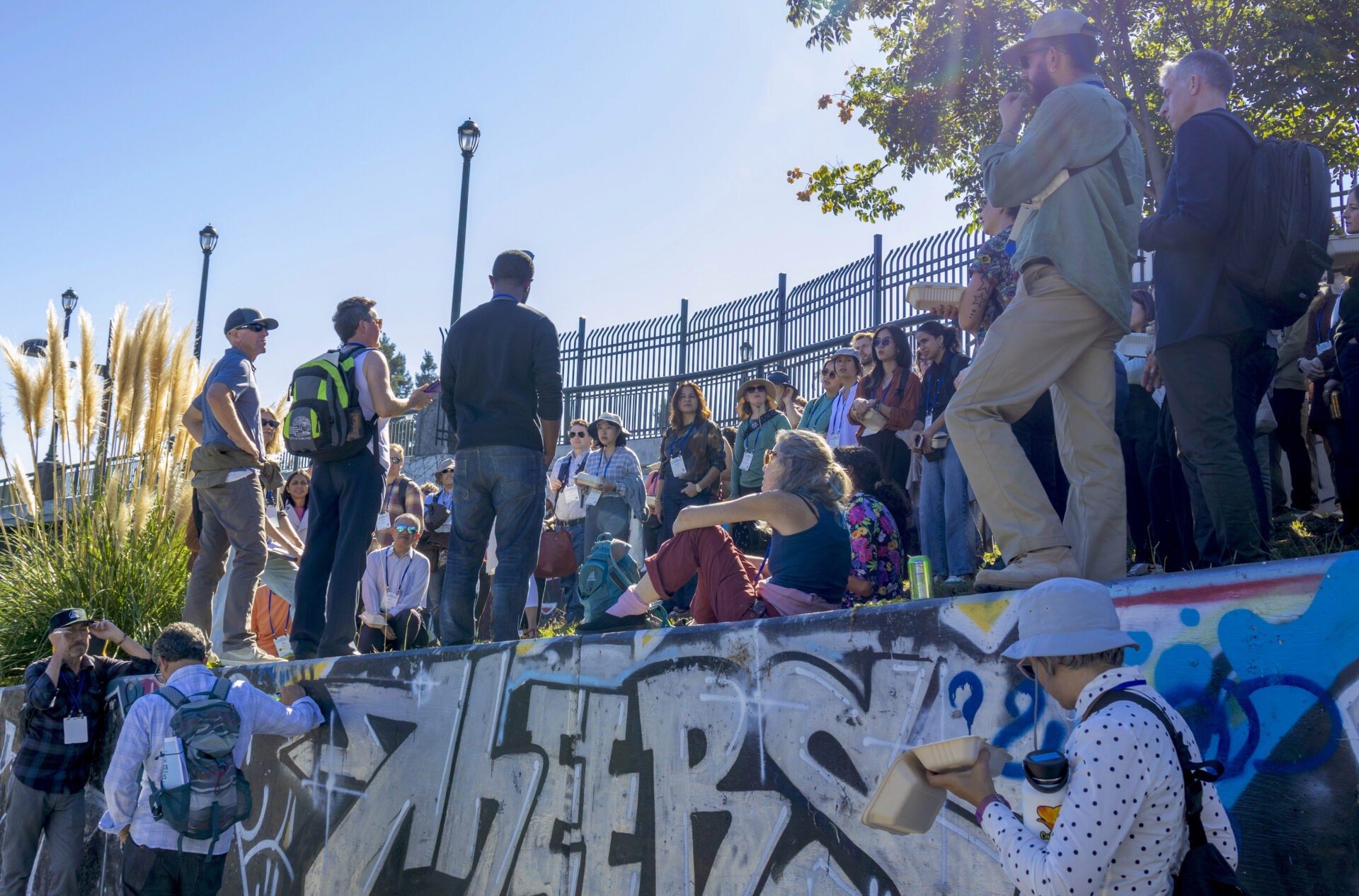
Building relationships at the 2025 State of the Estuary conference. Photo: Joey Kotfica
Together Bay Area’s Burke and others argue that we no longer have the luxury of trying to be perfect with every plan and project that we pursue given the urgency of the climate crisis. That said, though, they believe investing in relationships across jurisdictions and institutions will lay the groundwork to act faster going forward.
For their part, Fain and Brechwald have a playbook for community engagement: early community meetings, clear evaluation criteria, and reflecting back what you’ve learned with residents and showing them exactly how you’re incorporating their feedback.
“There are always going to be tradeoffs, and the more transparent you are about that, hopefully the more people can understand that the solutions being proposed might not be perfect,” Brechwald says, “but they are for the larger good.”
Searching for Transformation and Dollars
Moving forward, people working on climate resilience are in search of the next transformative idea — something that, as Abby Young from the Air District puts it, could be the next community choice aggregator, the program you might see on your energy bill.
CCAs work by allowing a local government and its constituents to choose the type of energy that PG&E delivers to them. They empower cities to purchase more power sourced from renewable energy, thereby reducing your utility bill and carbon footprint at the same time. Young points out that the public doubted their effectiveness at first, but after Marin Clean Energy emerged as the first CCA in 2010, just about every municipality has opted into one CCA or another (including San Francisco).
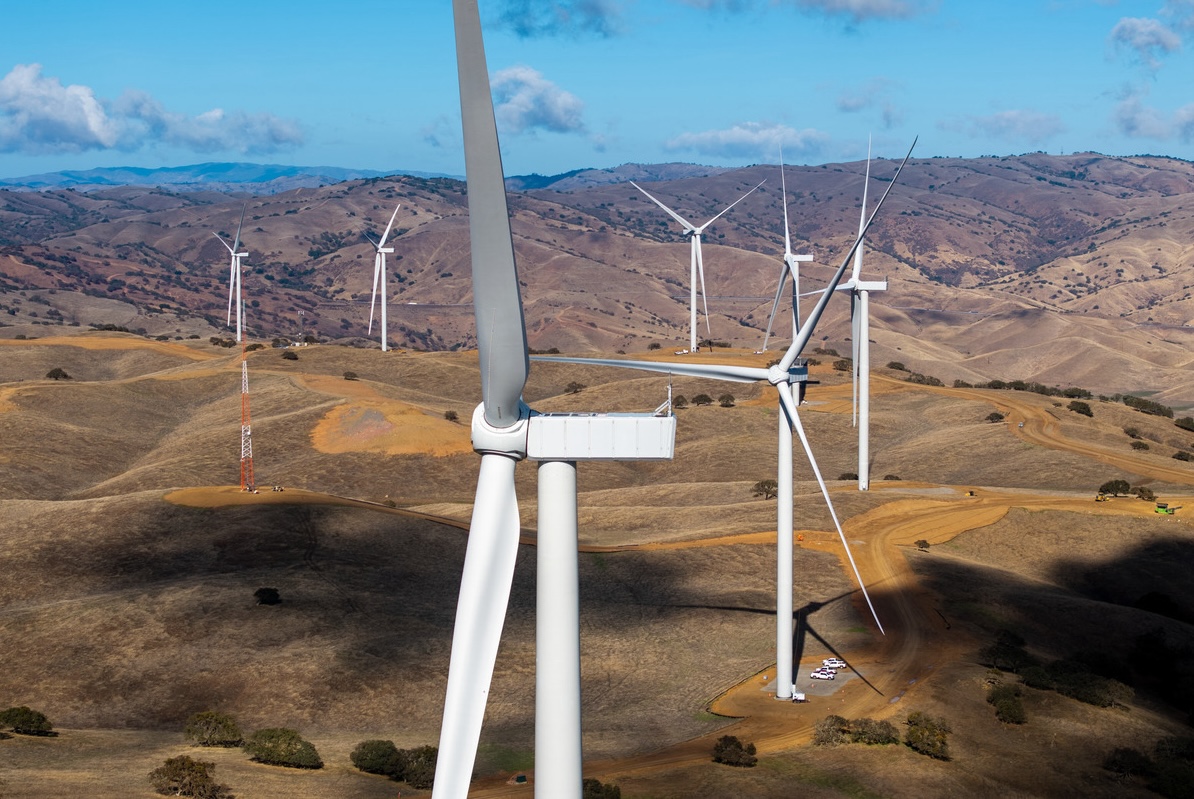
San Francisco's community choice energy program, Clean Power SF, recently secured its largest-ever single source of wind power. Gonzaga Ridge will provide 147.5 megawatts of clean wind energy as well as 50 megawatts of reliable energy storage. Photo: SFPUC
“There’s a lot you can do as a public agency to help incubate ideas that hold a lot of potential and can be transformative,” she says.
For many, funding is the next frontier for innovation, given how federal cuts since early 2025 have thrown budgets into question. Some point to public-private partnerships as a potential solution, leveraging the success of tech companies to support climate projects for the benefit of the entire region.
Others, like Lubell, hope to see new regional funding initiatives reminiscent of Measure AA, a parcel tax passed in 2016 to support wetland restoration. With oversight from the SF Bay Restoration Authority, and help from the SF Estuary Partnership and State Coastal Conservancy, those millions have leveraged millions more to build flood resilient habitats and ecosystems all around the Bay. And the Authority is also focused on maintaining the public’s investment.
“One thing that we’ve heard from some of our grantees and partners is that, especially for an effort that takes a decade or more to implement, it’s really important to keep the community engaged through smaller, more immediate things that have tangible benefits … [like] hands-on planting projects or stewardship of existing restored areas,” says Linda Tong, Deputy Program Manager for the Restoration Authority, and the Conservancy’s Bay Area Program. “I think that’s key to the long game.”
On other financial fronts, Ahn is closely watching the future of the cap-and-trade program, which puts a limit on the amount of greenhouse gas emissions that big polluters like oil refineries can produce each year. That limit decreases over time to help the state meet its climate goals, unless polluters pay big fees into the state’s Greenhouse Gas Reduction Fund. But regulators recently approved controversial changes to the program amid pressure from the oil and gas industry fueled by the Iran War. The program is theoretically a win-win for providing funding for adaptation while pushing down emissions, Ahn says, but critics fear that the state won’t meet its benchmarks for reductions by continuing to allow exemptions.
Meanwhile, Burke is still focused on relationship building.
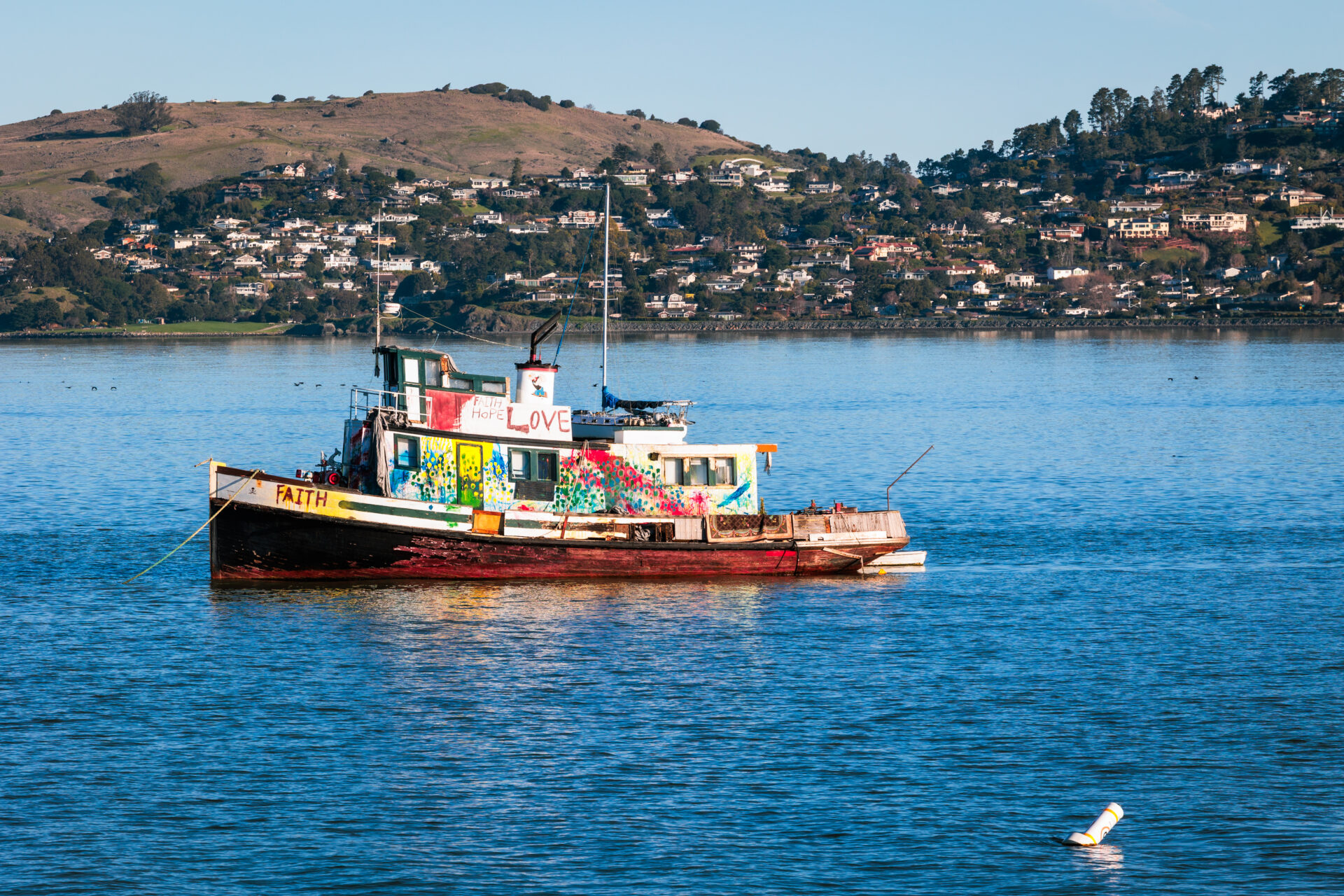
Photo: Richard H. Grant
“Relationships are central to everything — relationships with ourselves, with one another, and with this place we call home,” she says. “I see climate change as a relationship problem, that we’re in a crappy relationship with the planet, and it’s going to be through healthy relationships that we’re going to change how we work so we can be in the right relation with this place and one another.”
Top Photo: Richard H. Grant
Share your comments on this story below…
MORE
- Strong Leader, Light Touch: Caitlin Sweeney Retires, KneeDeep June 2026
- 21 Contra Costa Residents Learn SLR Ropes, KneeDeep June 2026
- Regional Climate Adaptation Coordination Falls Short, KneeDeep Jan 2026
- Finding the Throughline in Multi-Hazard Planning, KneeDeep, October 2023
- KneeDeep Stories about Bay Area Regional Initiatives



Great content! Keep up the good work!