



Pacheco Pass Is Getting a Second Wind
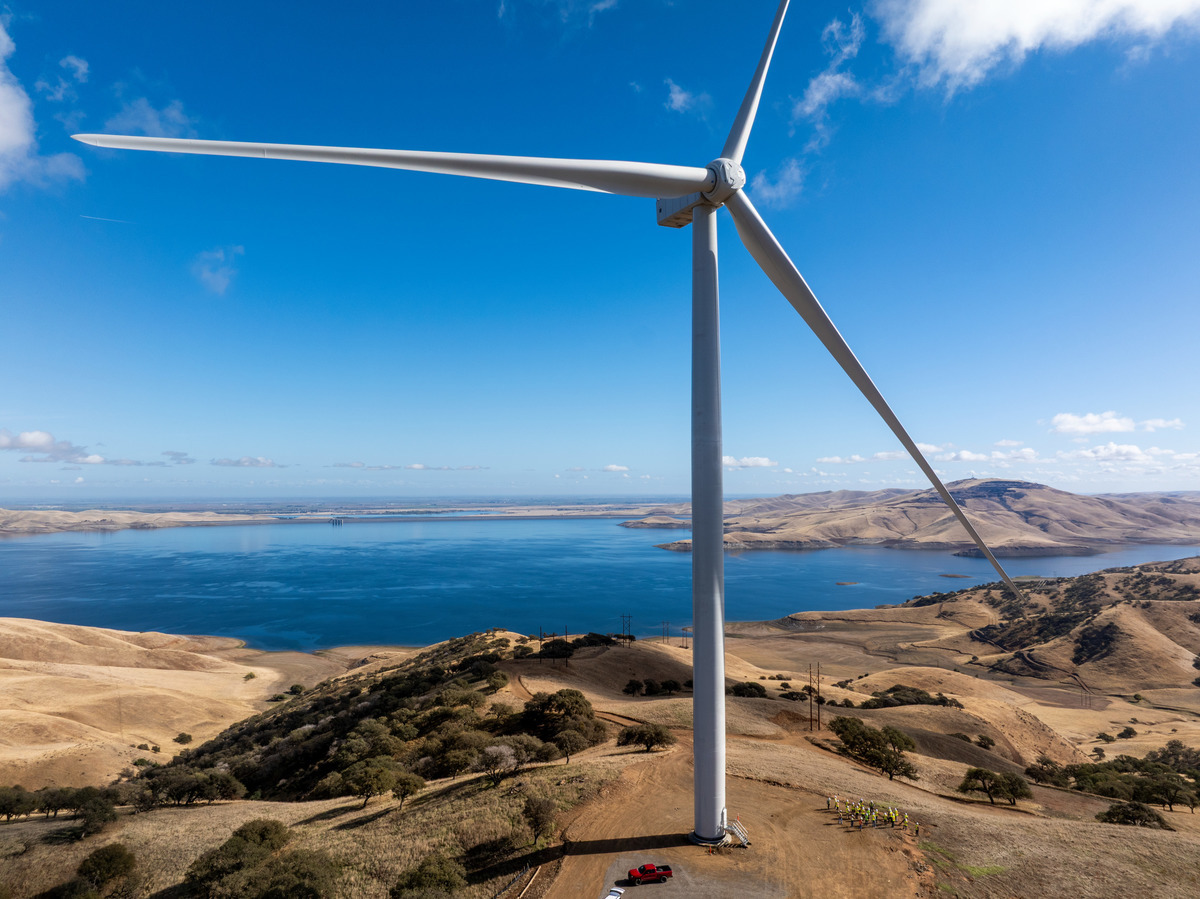
Turbines in Pacheco State Park have been busy since the 1980s, harvesting the wind that funnels through the gap in the Diablo Range and sending it into the grid. For four decades, the wind farm spun through drought years and wet years, through the dot-com boom and bust, through six presidents and seven governors.
Now, 378 tons of those turbine blades, worn down by old age and constant friction with the wind, will be recycled: their fiberglass bodies shipped to Oklahoma, ground into 360,000 pounds of concrete additives, and folded back into the built world. And in Pacheco Park, rebuilt turbines are expected to start turning this summer as part of the largest single source of wind power the San Francisco Public Utilities Commission has ever secured.
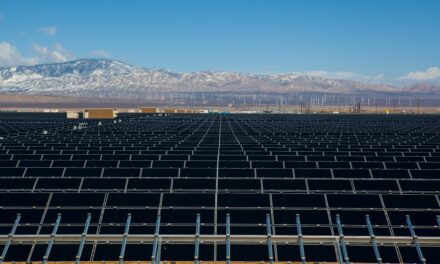
The new iteration of the wind farm, developed by Scout Clean Energy for the SFPUC’s CleanPowerSF program, is called the Gonzaga Ridge Wind Project. The site will provide 147.5 megawatts of clean energy and 50 megawatts of battery storage, enough to power roughly 120,000 average San Francisco homes each year.
The battery storage is a “critical part of unlocking the next stage of ‘greening’ the grid,” says Mike Hyams, SFPUC deputy assistant general manager. “The battery will store excess wind energy when production is high and release it later when the wind isn’t blowing or when there is high demand for electricity, allowing clean power to stay on the grid longer and reducing the need for fossil fuel plants to fill the gaps.”
CleanPowerSF, which launched in 2016, buys power from renewable sources and delivers it through PG&E’s existing poles and wires. Since 2023, the program has delivered 100% renewable electricity to its 385,000 customers, drawing on a mix of solar, geothermal, wind, and hydroelectric power projects based mostly in California. Since the CleanPowerSF program started, San Francisco has cut its greenhouse gas emissions from electricity use by 93% from 1990 levels. “The focus now is maintaining that level while improving 24/7 clean energy matching, meaning making sure the clean energy we buy or produce lines up with the hours when customers are actually using electricity,” says Hyams.
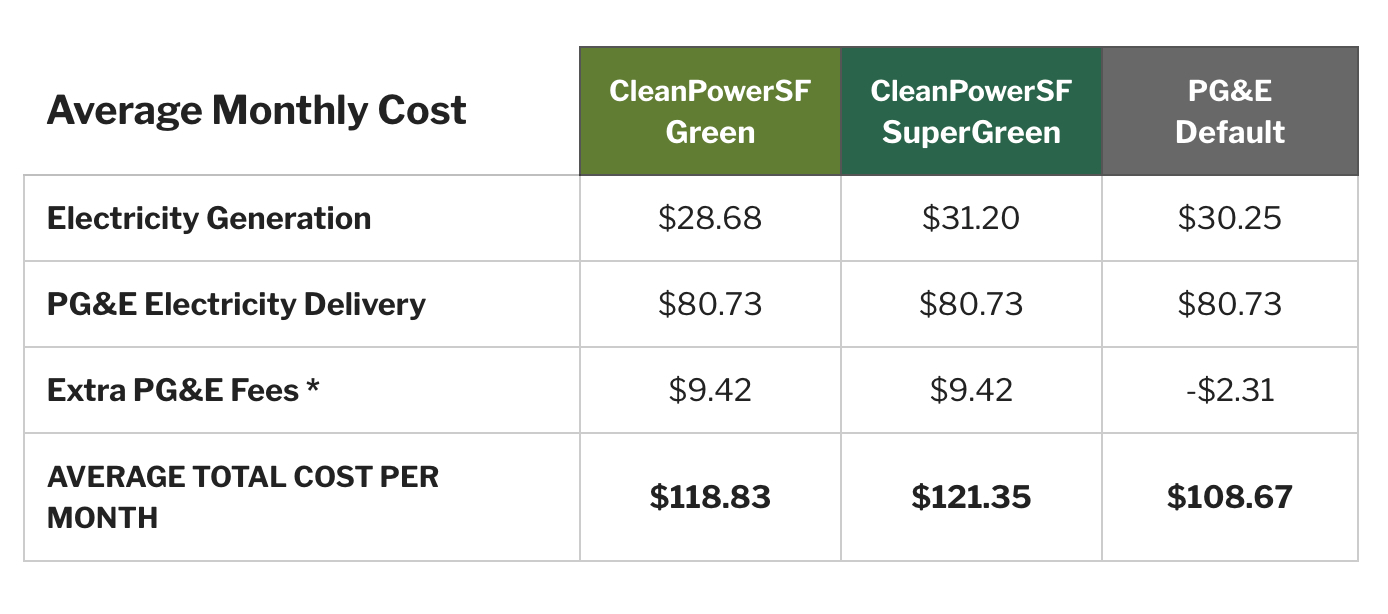
Average rates paid by CleanPowerSF customers in San Francisco as of March 2026 (a city where the default source is now green). The program also offers a “supergreen” certified renewables option. Source: CleanPowerSF
CleanPowerSF has now contracted for more than 600 new megawatts of solar, wind, and geothermal projects, collectively enough to power more than 500,000 San Francisco homes. Gonzaga Ridge will provide nearly a quarter of that new megawattage, and is expected to last for another 30 to 40 years.
“We will be nearly doubling the amount of clean wind energy for our CleanPowerSF customers,” SFPUC General Manager Dennis Herrera said in a press release.
As wind presses through Pacheco Pass, fresh blades will catch it, batteries will hold onto it, and electrons will begin their journey across California’s transmission system. In a porch light flicking on in the Sunset and a stove warming dinner in the Mission: the same wind that bent the golden grasses of Pacheco State Park.
Top photo courtesy SFPUC, Robin Scheswohl.