

How a North Bay Regional Park Helped Me Reconnect With Nature — and Myself

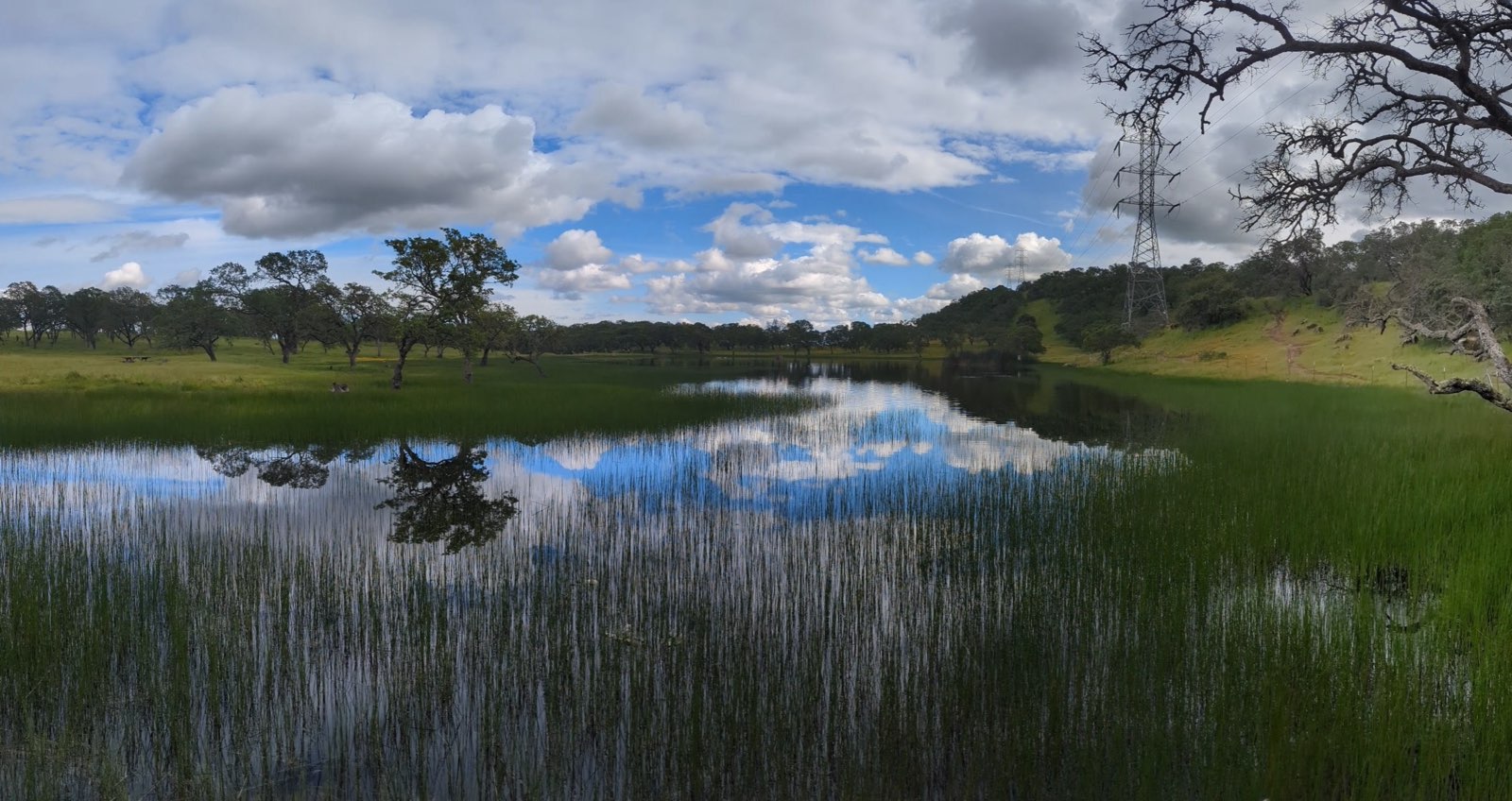
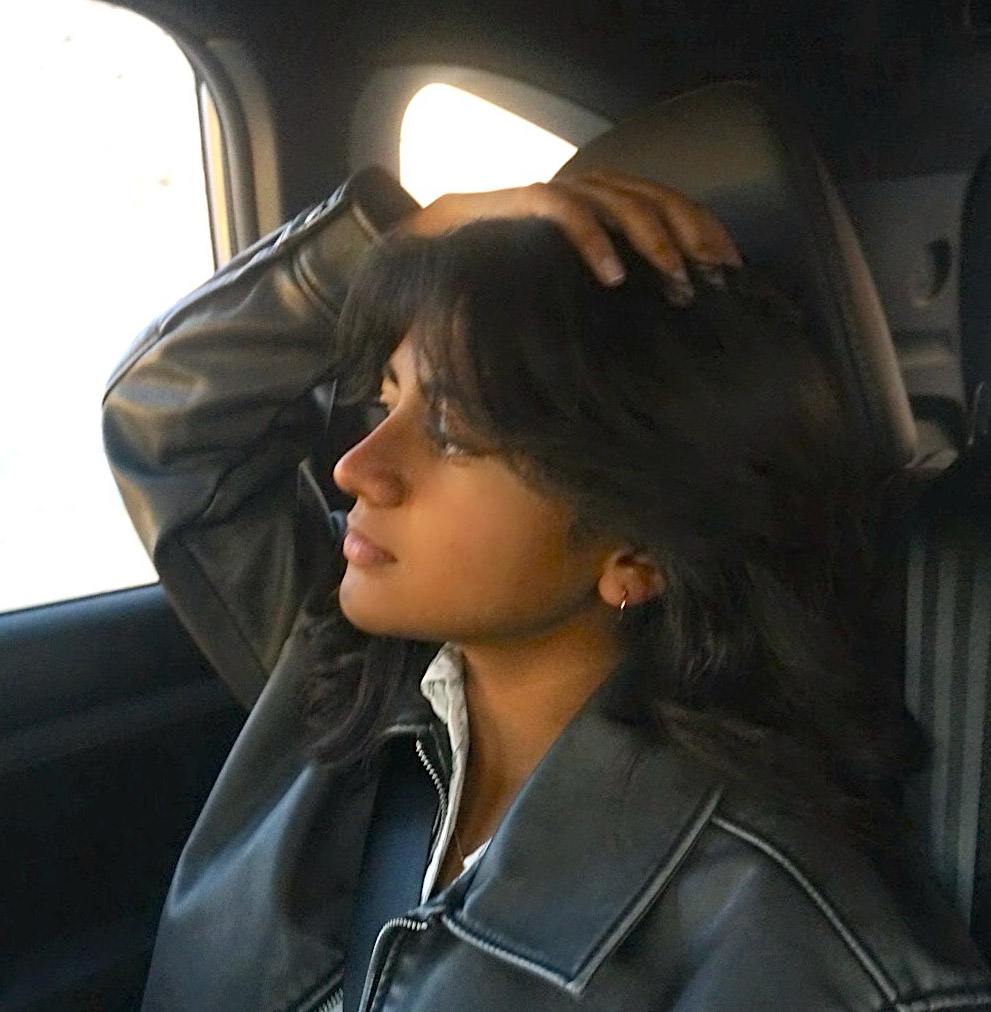
Photo: Sachi Bansal
Nestled among the allure of larger cities, it’s often difficult as a Fairfield resident to believe this small town has anything truly interesting to offer. My peers have echoed this sentiment time and time again, especially as the intense heatwaves of summer push us into any building with functional air conditioning.
Amid those distractions, many of us lose sight of one of the area’s greatest gems: Solano County’s Rockville Hills Regional Park.
As a young teen in the middle of the pandemic, it was easy to fall into a strictly indoor routine. I’d wake up, log into my online classes, and then spend the rest of the afternoon playing video games or mindlessly perusing the internet. At first, staying inside almost felt comforting. What teen wouldn’t want to spend all day playing whatever video game they wanted? But as the weeks stretched into months, my routine began to feel less like the freedom I thought it was.
Instead, it became a form of confinement. The world I had grown up in was now falling apart by the day, and every photo I saw of empty city streets only left me feeling emptier and emptier myself. This isolation grew into a quiet sense of constant dread and helplessness. As my early battles with depression began, it was easier to try burying my thoughts beneath endless distractions than it was to confront them.
So when my father proposed that we all go on a short hike, my instinctive response was to complain and try to find any escape from that horrid idea.
I was forced, instead, to give in, and I found myself standing at the bottom of a steep, muddy trail leading into the golden hills above me. Within minutes, I slipped, scraping my hands against the rocks and dirt below me. Yet somehow, rather than turning around, I felt invigorated. That sting of pain felt far more natural than anything I had experienced over the previous six months holed up in my room. I wiped the dirt off of my hands and kept climbing to the top of the nearest hill, where I sat in silence and stared down at the landscape below me.
Other Recent Posts
Fire Weather in the Wind
As the hot Nevada air cools every fall, it gets pushed west to lower pressure areas over the Central Valley, where the wind heats up and dries out.
My Morning Cleaning Up the Oakland Estuary
On Oakland’s Creek to Bay Day, I joined 100 volunteers for I Heart Oakland-Alameda Estuary to remove shoreline trash.
RCDs Pay Extra Attention to North Bay High Schoolers
A $13,500 grant will help three North Bay conservation districts evaluate youth education programs and prepare high school students for environmental careers.
Creeks Make Good & Bad Homes
San Jose State researcher Costanza Rampini explores why the houseless favor creek banks, and how they weather the flood risk.
Bay Area Braces for Record-Breaking El Niño
Record high water temperatures in the Pacific are expected to bring dangerous sea level rise, waves, and rain to the region this winter.
Regional Housing Agency Invests in Affordability
The Bay Area Housing Finance Authority is launching a loan program to support the construction of mixed-income rental properties.
The End is Coming for California’s Untouchable Grass
The law, which applies to grass that isn’t used for recreational purposes, could cut urban water use across California by more than 20% says Oakland thinktank.
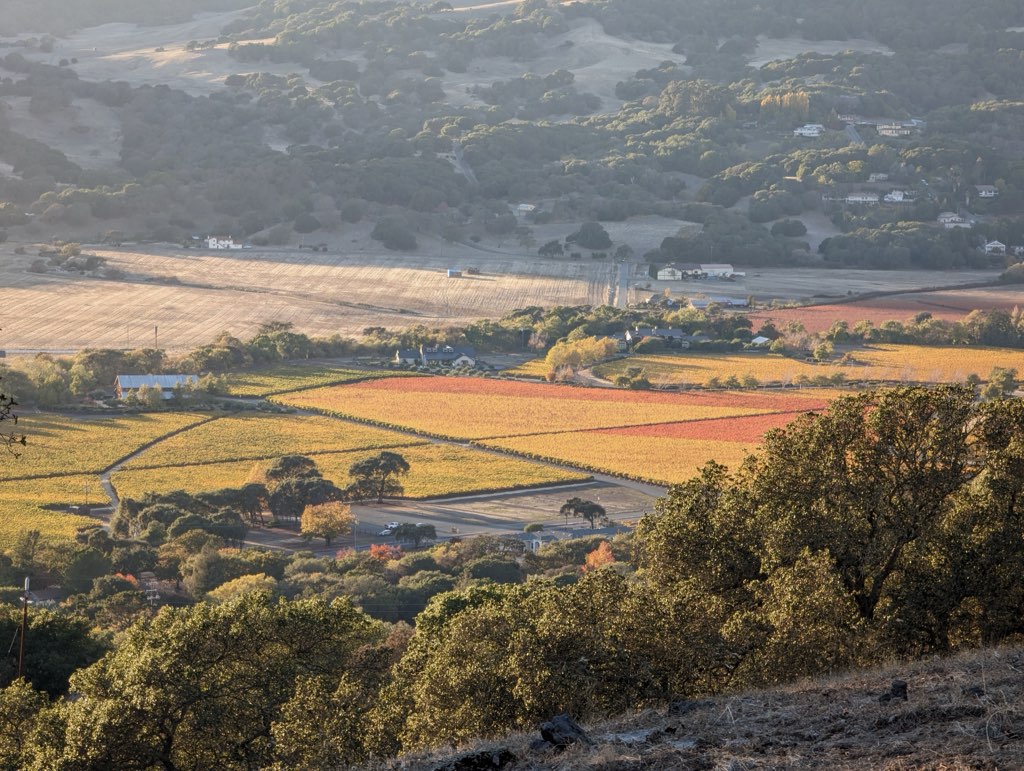
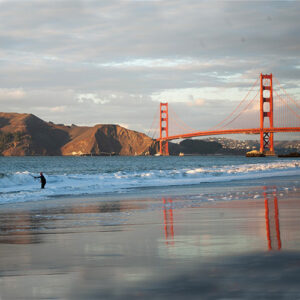
Photo: Sachi Bansal
As I watched reflections of birds flying over the lake in the middle of the park, I felt a newfound sense of peace. There were no more cellphone notifications to distract me, only the sound of wind through the trees. The thoughts that had once overwhelmed me now simply passed me by, moving gently along with the breeze. Here, I learned the value of acknowledgement, as I accepted and let go of the anxieties that I had once sought to eternally ignore. Without touching my phone, I felt more connected than ever before — not only to my surroundings, but to a version of myself that I thought I had lost.
That first hike, I must admit, was anything but magical in most aspects. I was exhausted, unprepared, and wearing shoes that had somehow turned from white to brown. Regardless, when the next opportunity to head back to the park arose, I found myself saying yes without hesitation.
By my third visit to Rockville, we had ventured farther into the park than ever before, exploring trails both old and new. It was here that I encountered an unfortunately familiar scent: cow manure. I wrinkled my nose with disgust until I looked up to see cows on a distant hillside. Suddenly, the smell no longer felt like an inconvenience, but a reminder that I was lucky enough to share these beautiful hills with so many other creatures.
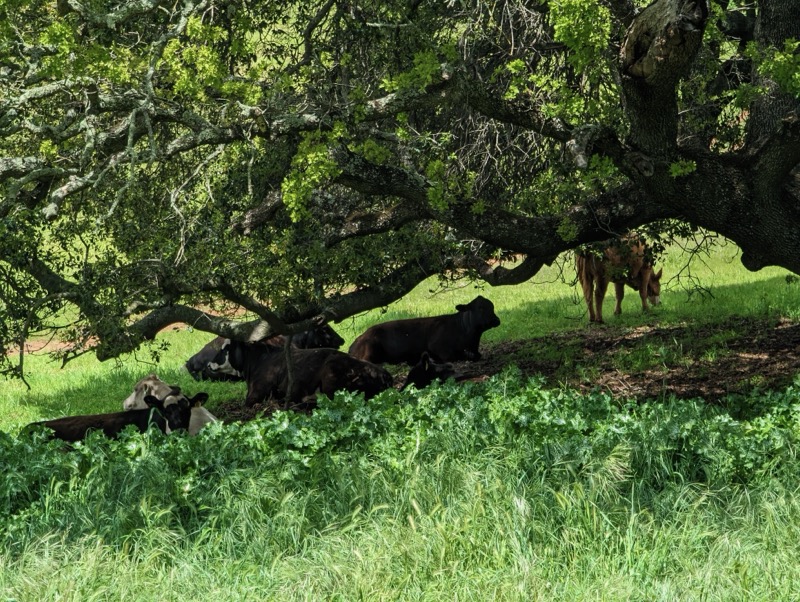
Photo: Sachi Bansal
Over time, these trails that had once felt alien became increasingly familiar. A look beyond the hills offered new glimpses of my hometown, which somehow looked more beautiful than I remembered. Rockville hikes gave me the perfect opportunity to reconnect with a world that had seemed so distant.
In the spring, Rockville truly comes to life. The hills are covered in blankets of vibrant wildflowers, and the reflections in the lake seem to bring the sky right down to Earth.
Although you may have to dodge the occasional pile of manure, it’s only a small price to pay to feel the world slow down around you. As sheep and cows graze nearby, wild turkeys wander through the grass, and all kinds of birds fly overhead, you’re reminded that life exists far beyond our own consuming routines.
You’ll also find hikers climbing the hills, cyclists navigating winding trails (or creating their own!), families forming new connections with each other, and photographers waiting patiently for the perfect shot. Despite the park’s popularity, though, it never feels crowded. There’s an unspoken bond between all who visit, expressed through small smiles and quick greetings.
As I’ve gotten older, Rockville has remained my refuge from the constant noise and stress of everyday life. It’s easy to get overwhelmed by the neverending flow of media and information in our lives that compete for our every waking moment. But none of those distractions provide the same sense of fulfillment as spending an afternoon sitting quietly in the hills. Rockville reminds me that peace is not media waiting to be consumed, but a continual experience.
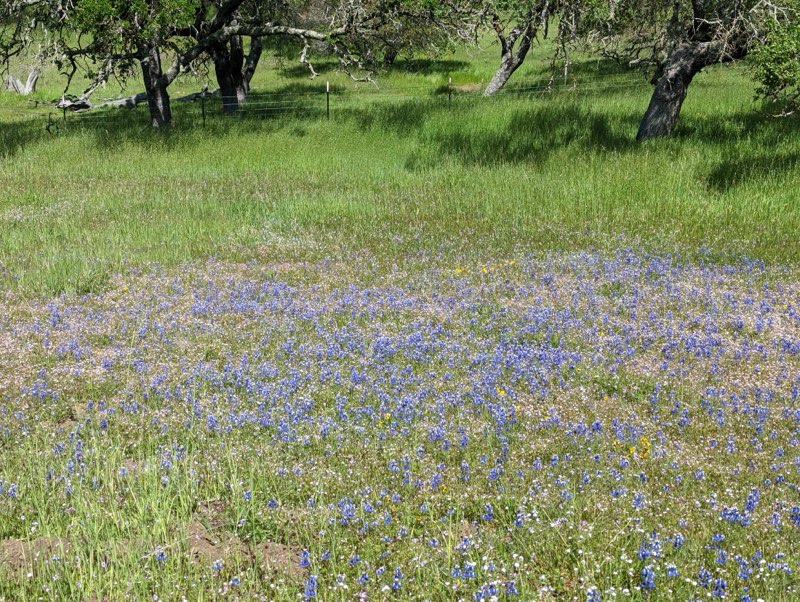
Photo: Sachi Bansal
Simultaneously, though, each visit to Rockville has gradually become a reminder that this refuge is never assured. Over the years, I’ve watched the water of Rockville’s upper lake gradually shrink. Areas that once sat beneath the water now lie exposed, forcing wildlife to adapt to an everchanging environment. Watching this evolution firsthand is a haunting reminder of climate change, and that these problems are anything but distant.
Like all natural spaces, Rockville is never guaranteed to remain the sanctuary it is today. Its beauty, accessibility, and sense of community exist only through the stewardship, appreciation, and advocacy of those who take care of and enjoy the land.