



Clean Ride by Power the People to Oakland Shore
Keta Price, an East Oakland activist and local planner, finds it difficult to get to the nearest shoreline for a little fresh air and time out on the waterfront. Oakland’s bayshore open spaces lie hidden in corners of the giant shipping and trucking landscape of the port, or between airport runways, military bases, industrial zones and bridge on-ramps. If you don’t have a car to wend your way around the concrete superstructures of eight-lane freeways, rail and BART lines, or other obstacles between the city and the Bay, shoreline parks and public open spaces can seem pretty inaccessible.
“We want to stitch East Oakland neighborhoods to the shore and increase public transit access,” says Price, who just launched a project to do just that called Power the People: Martin Luther King Jr. Shoreline Access Study.
Living and working on resilience projects around the Oakland Coliseum area for years, Price has an intimate knowledge of the landscape and people who live there. Before COVID restrictions suspended service, Price had been impressed with the free Broadway B shuttle, which made a clean, quiet loop with zero emissions to key destinations along Oakland’s main street.
“We want to do the same thing, connect a transit center deep in the neighborhood to parks like Martin Luther King Shoreline with a fare-free clean air bus,” she says. The East Oakland Collective’s Power the People is engaging Black and POC residents in activities aimed at identifying which clean mobility options would best support them in accessing the shoreline, she says.
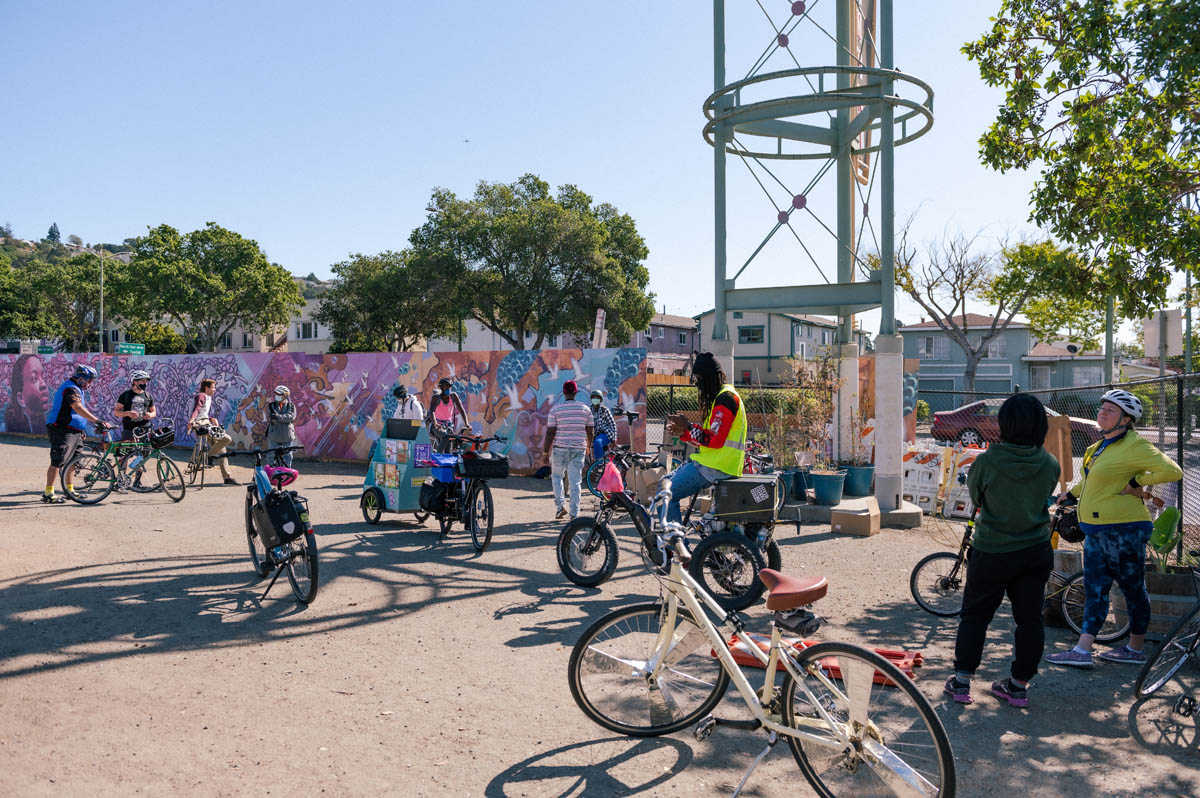
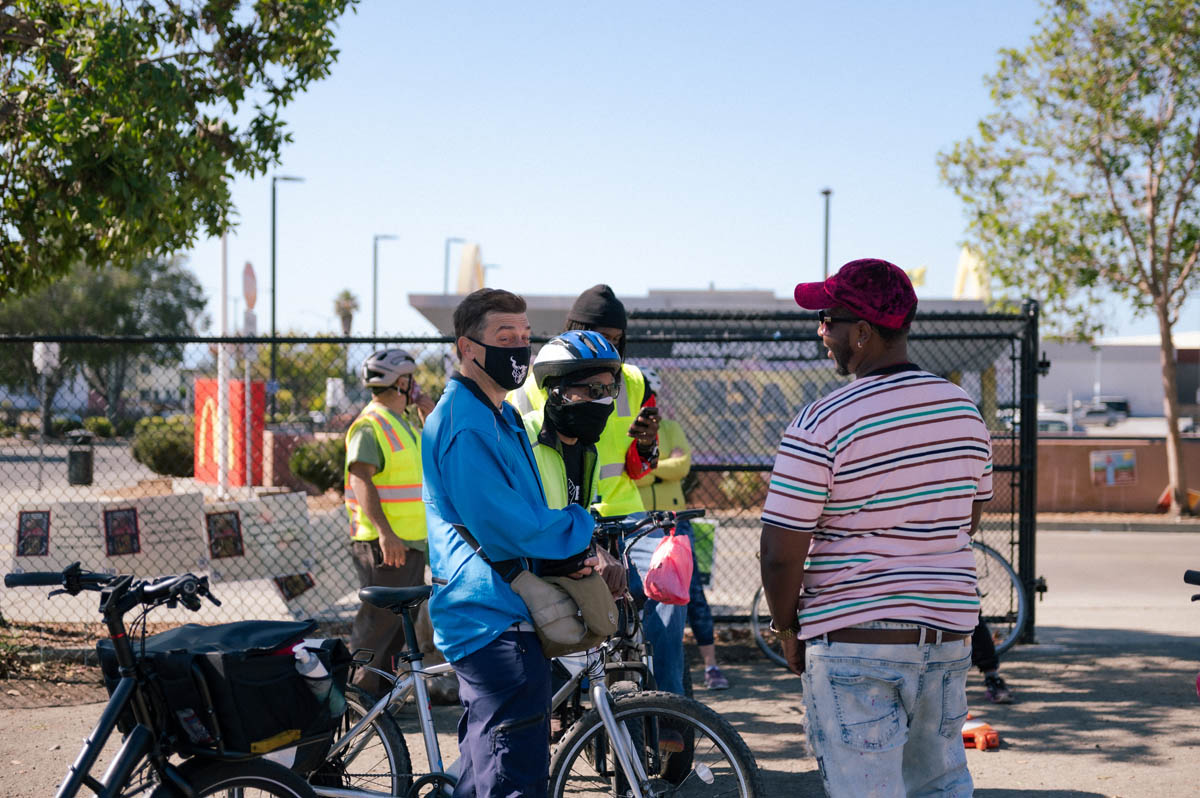
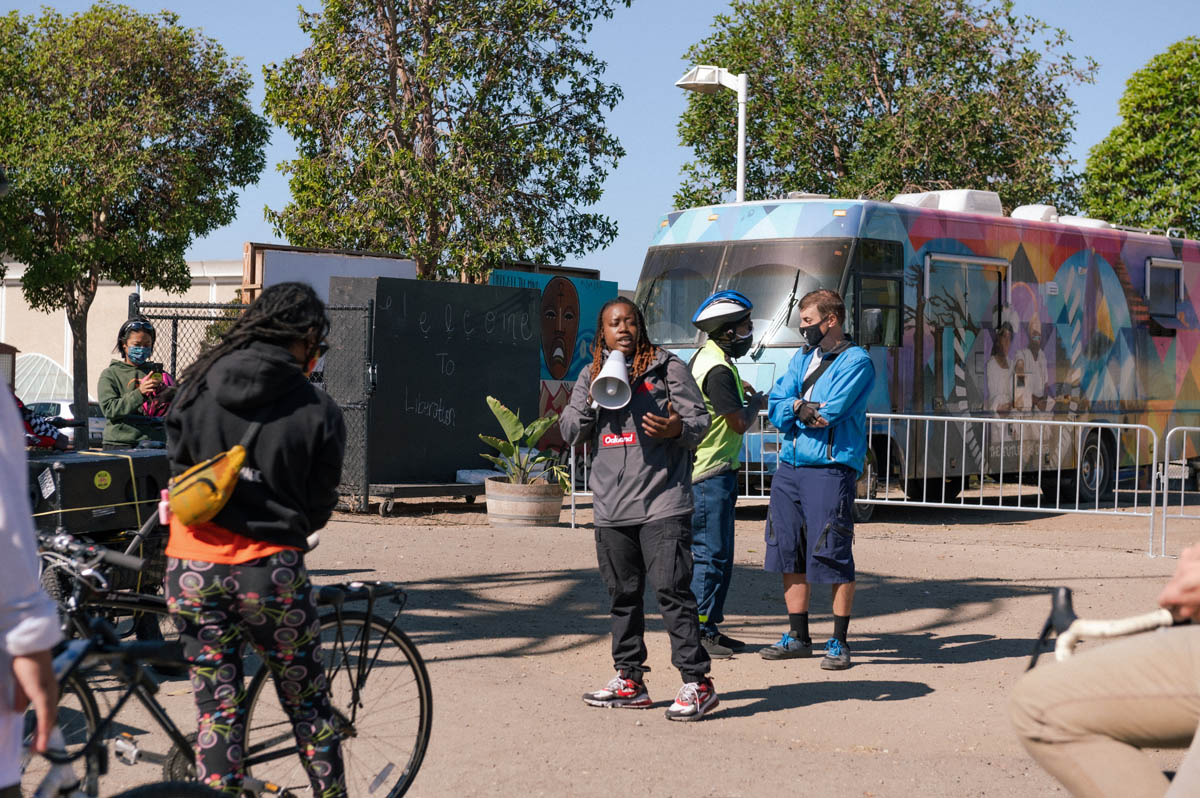
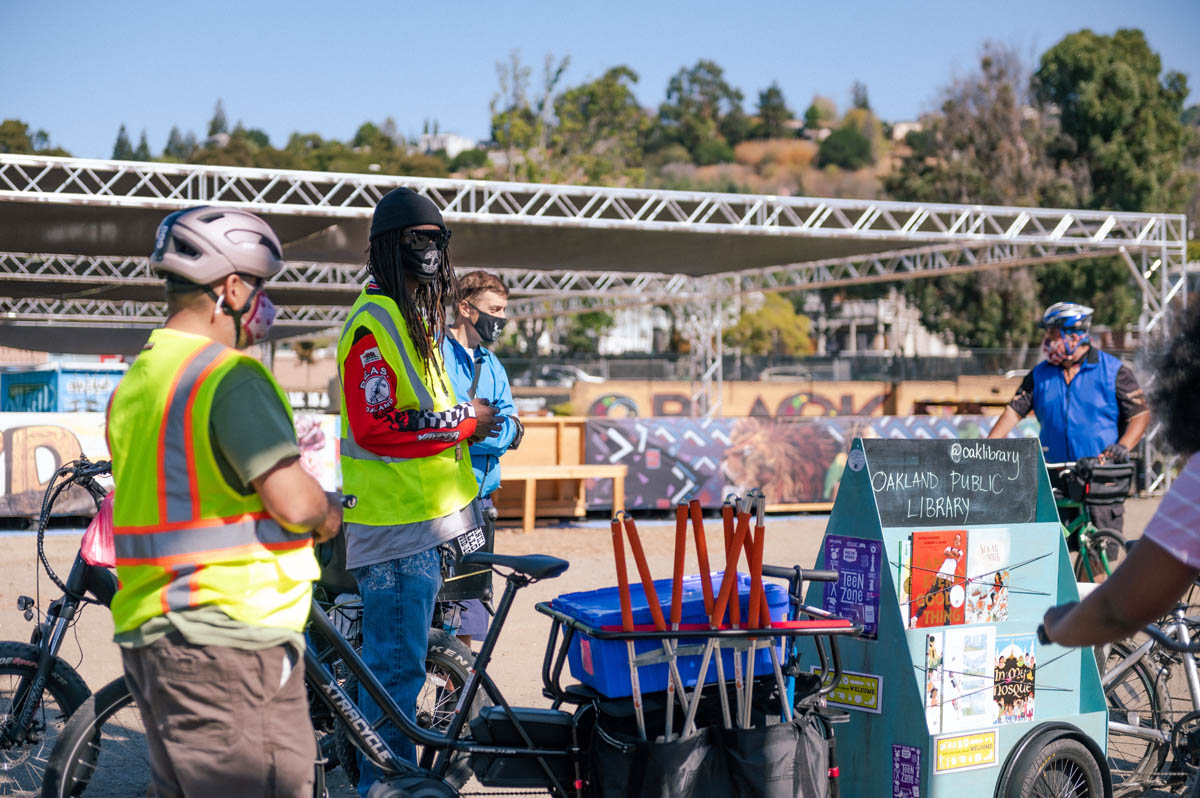
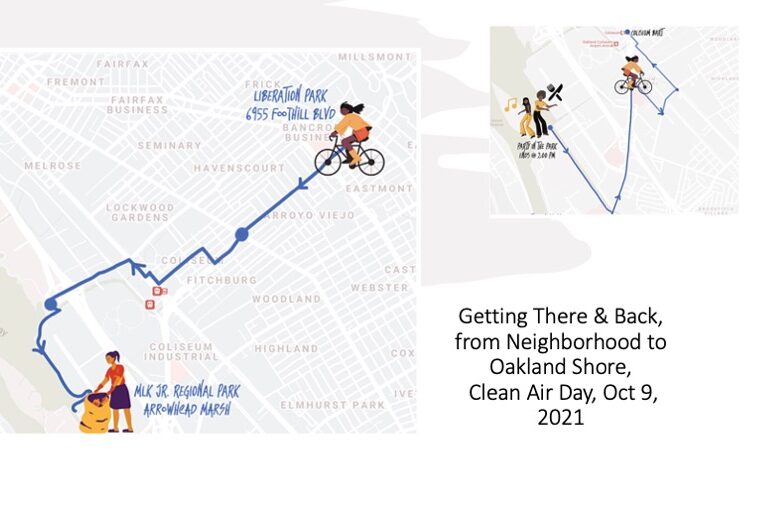
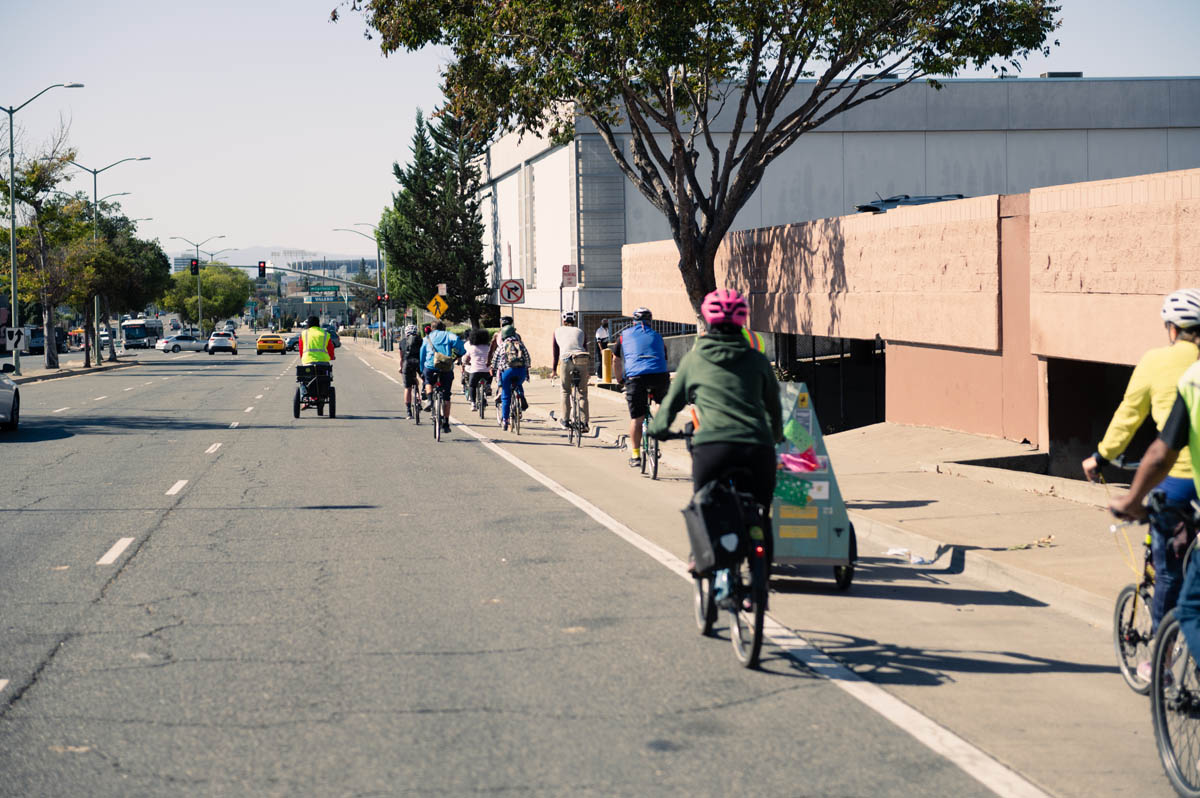
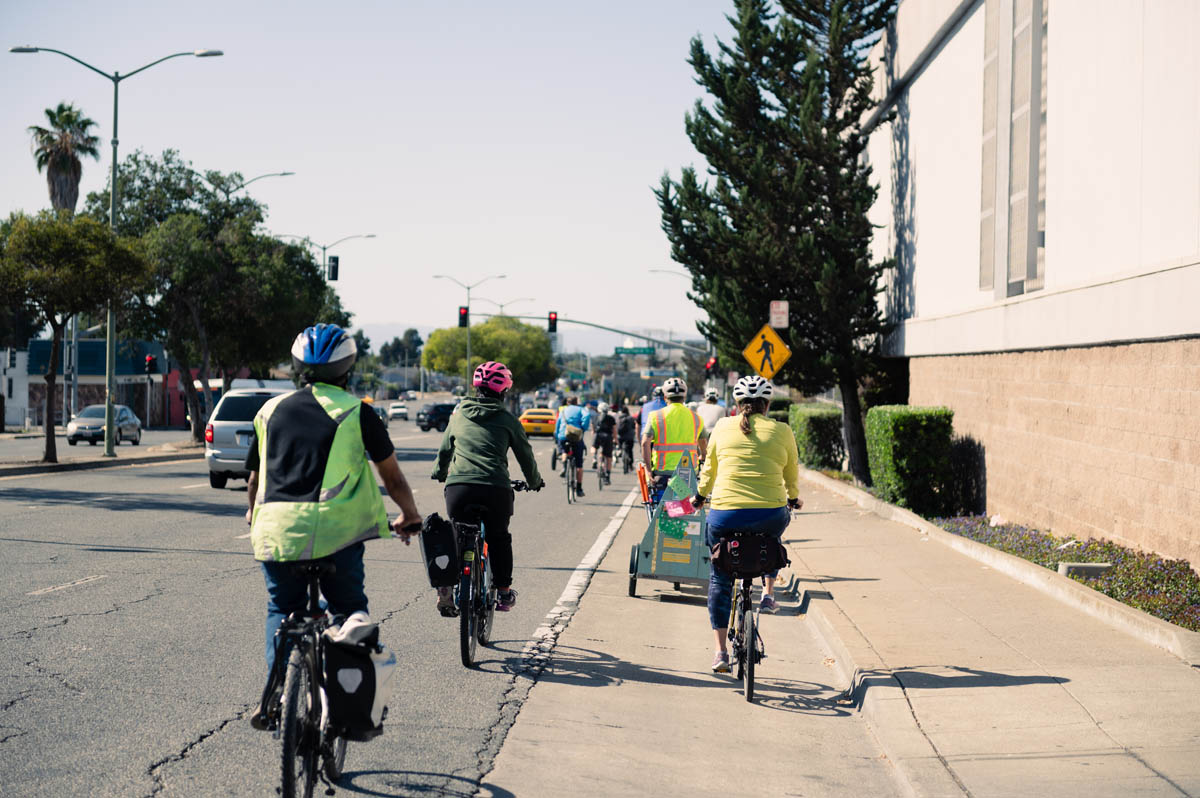
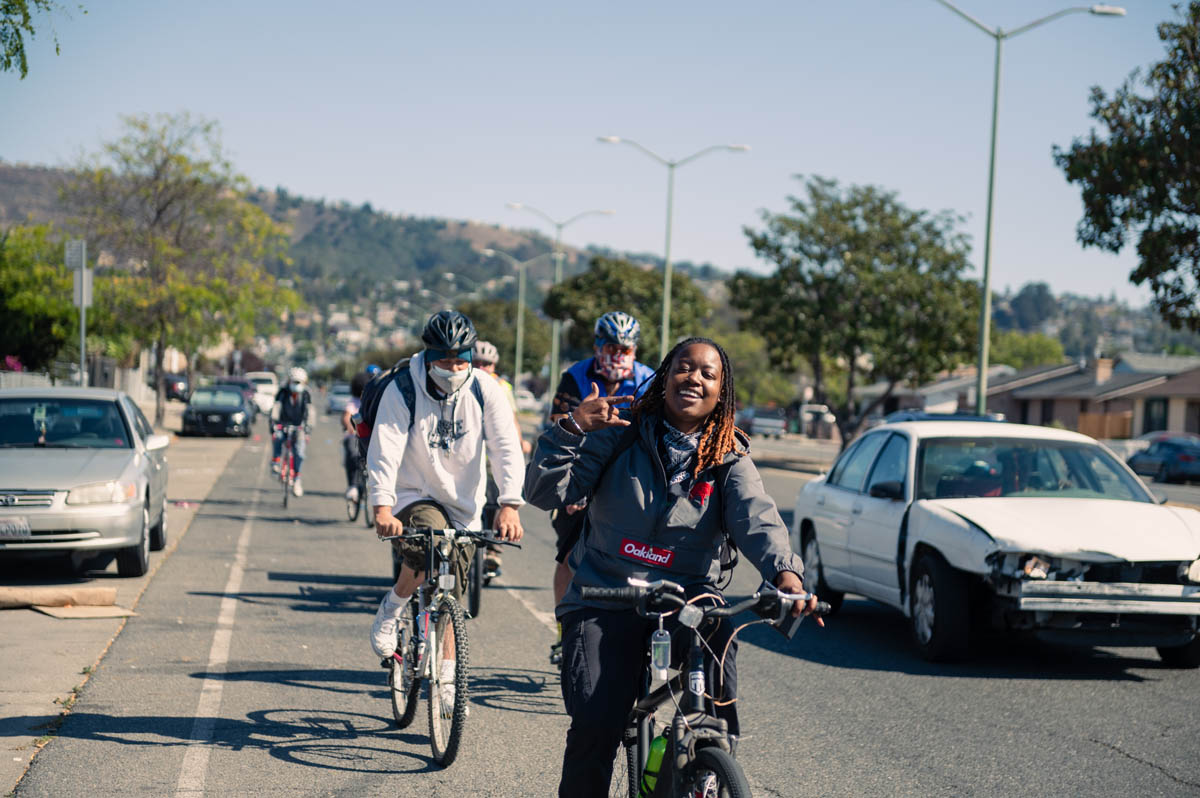
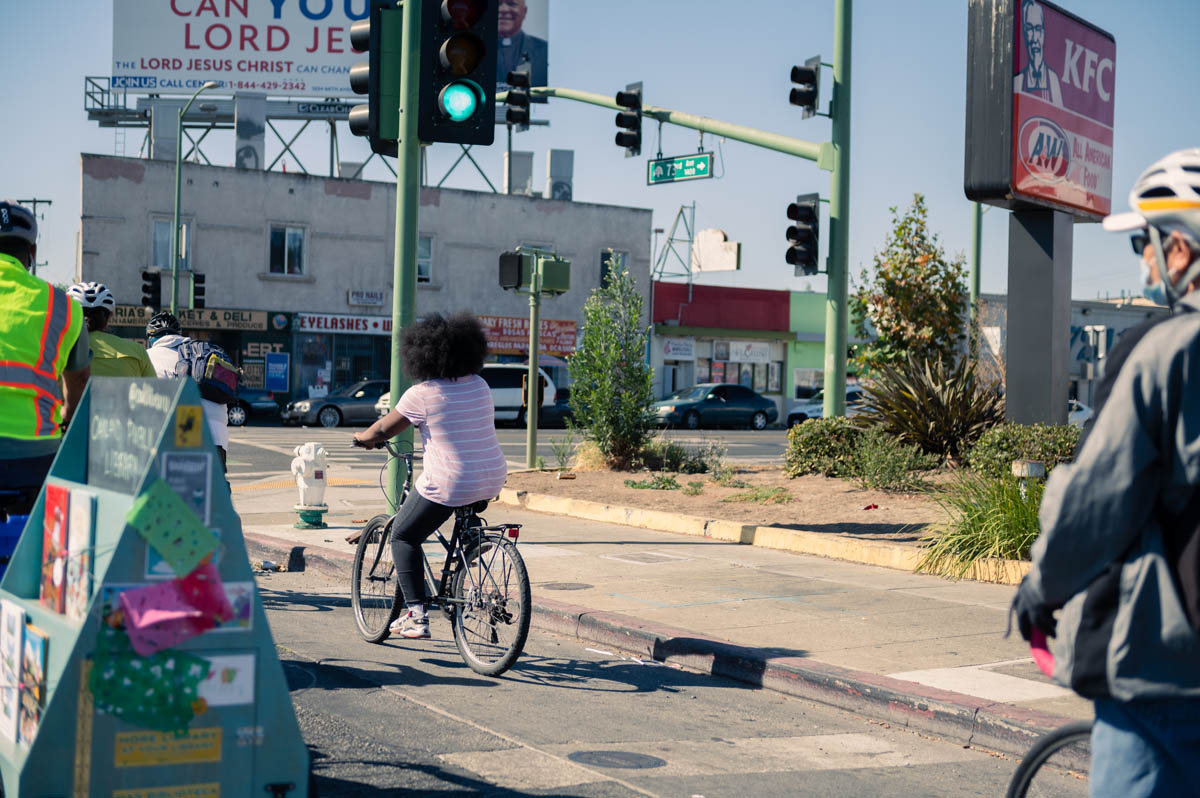
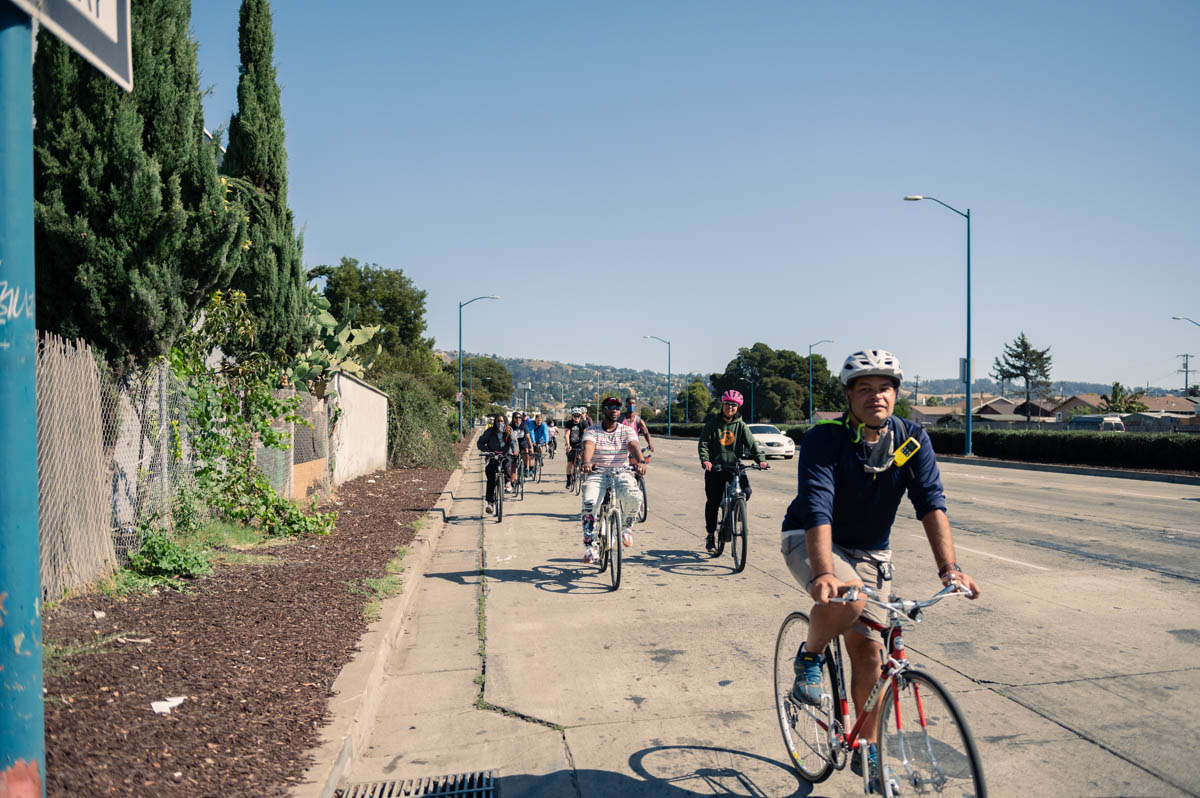
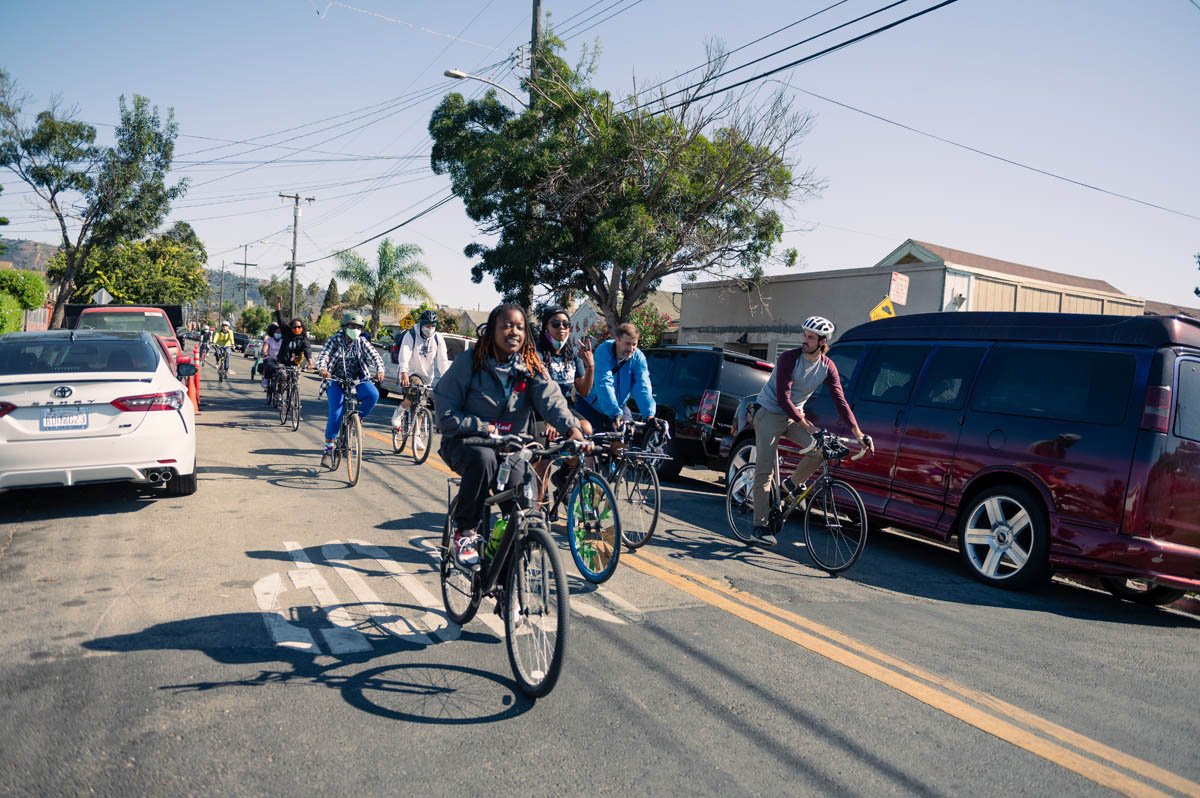
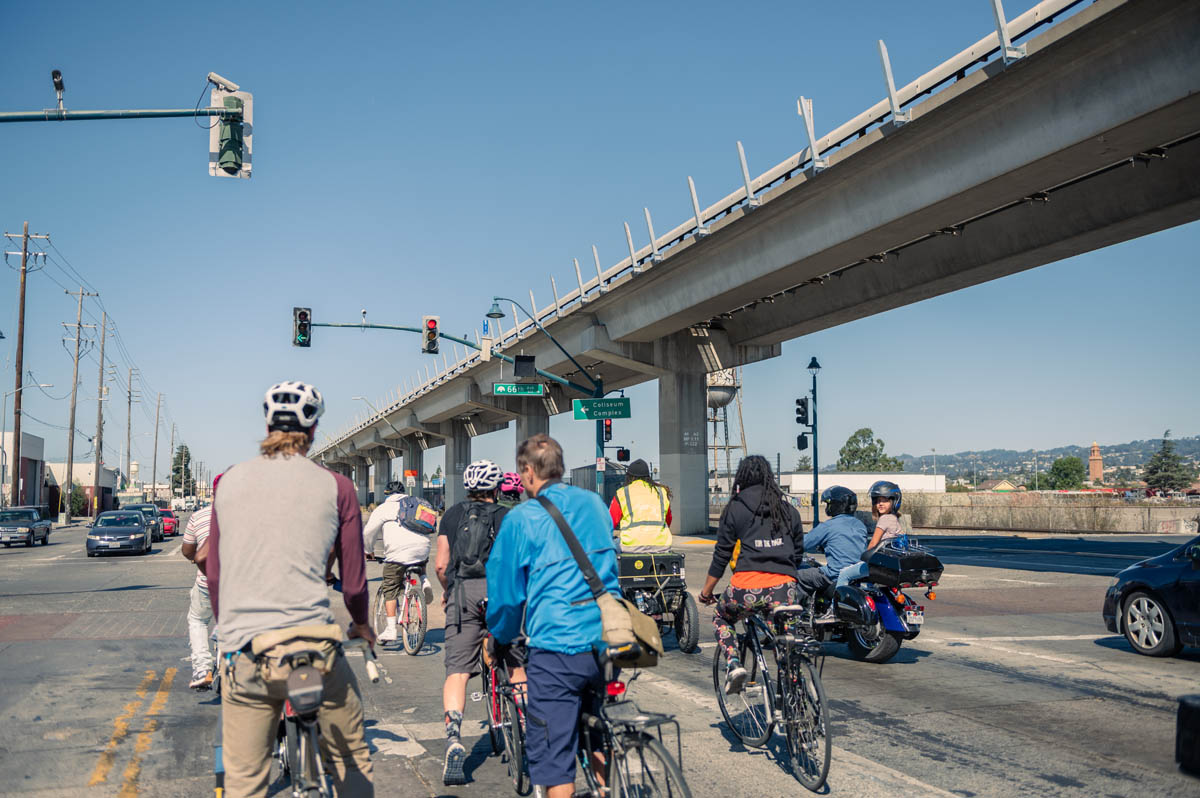
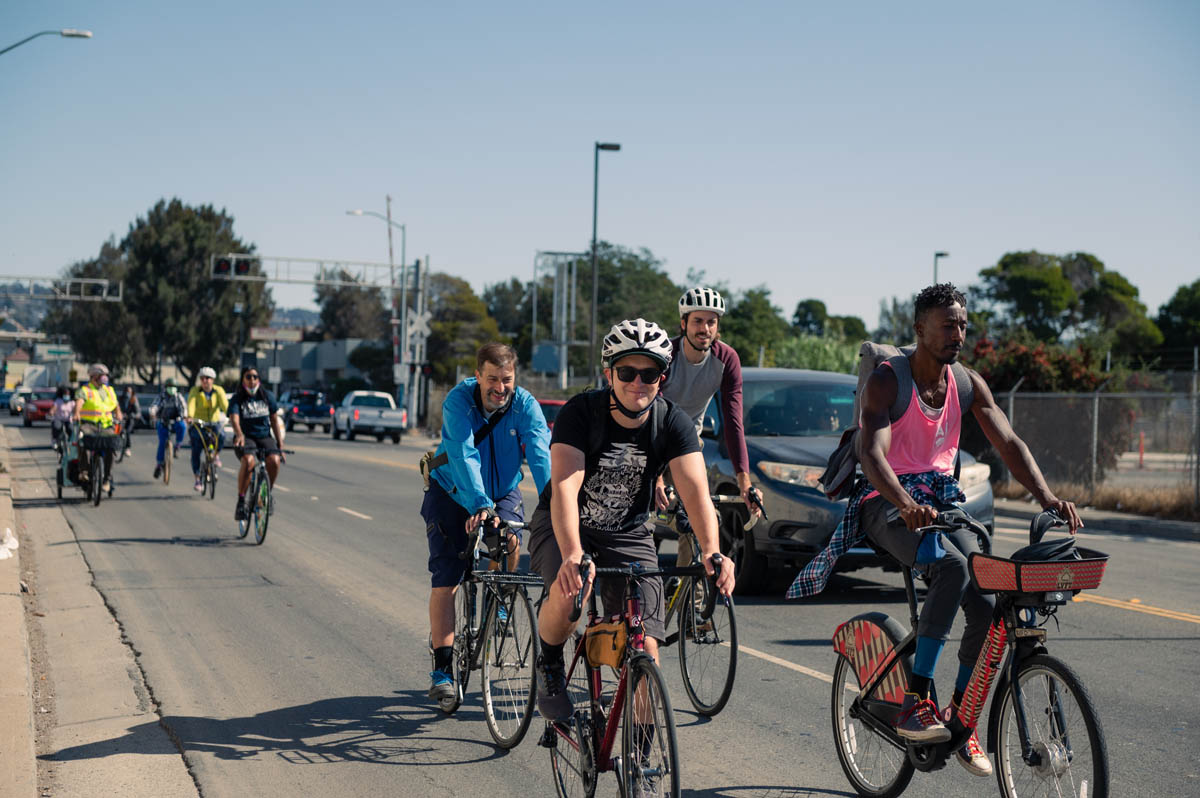
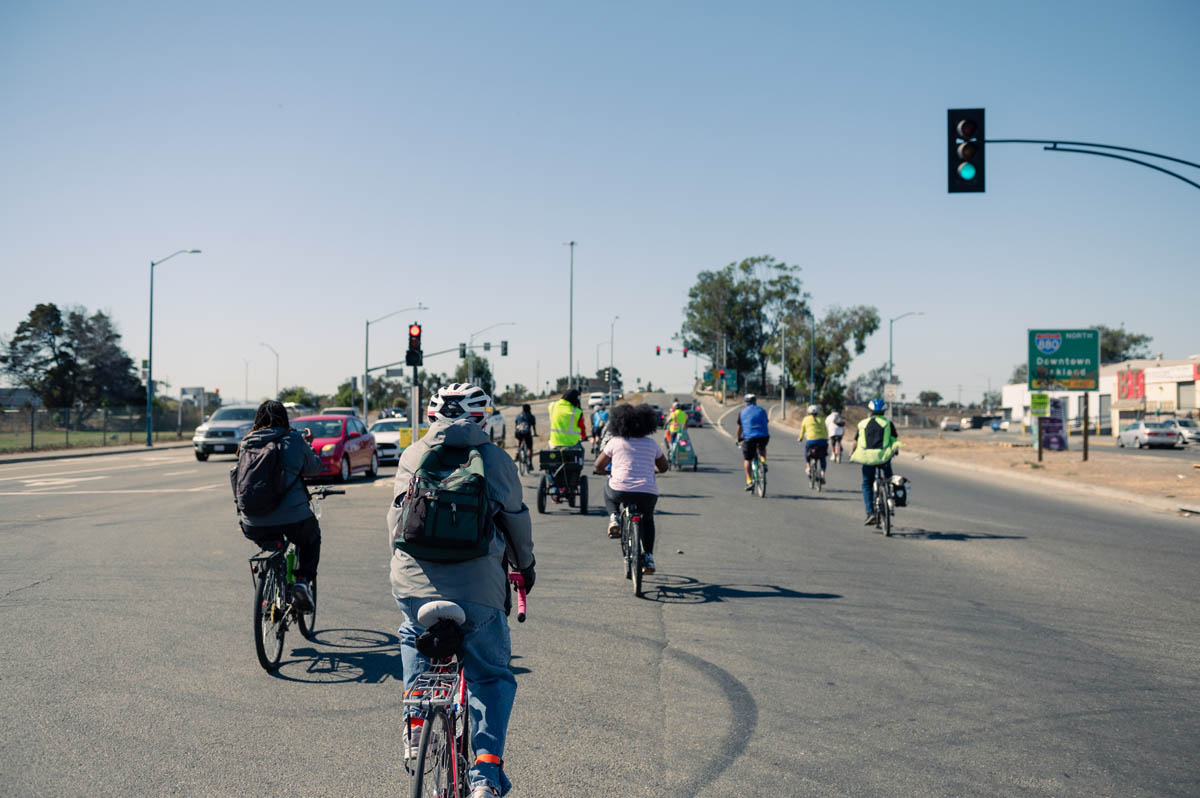
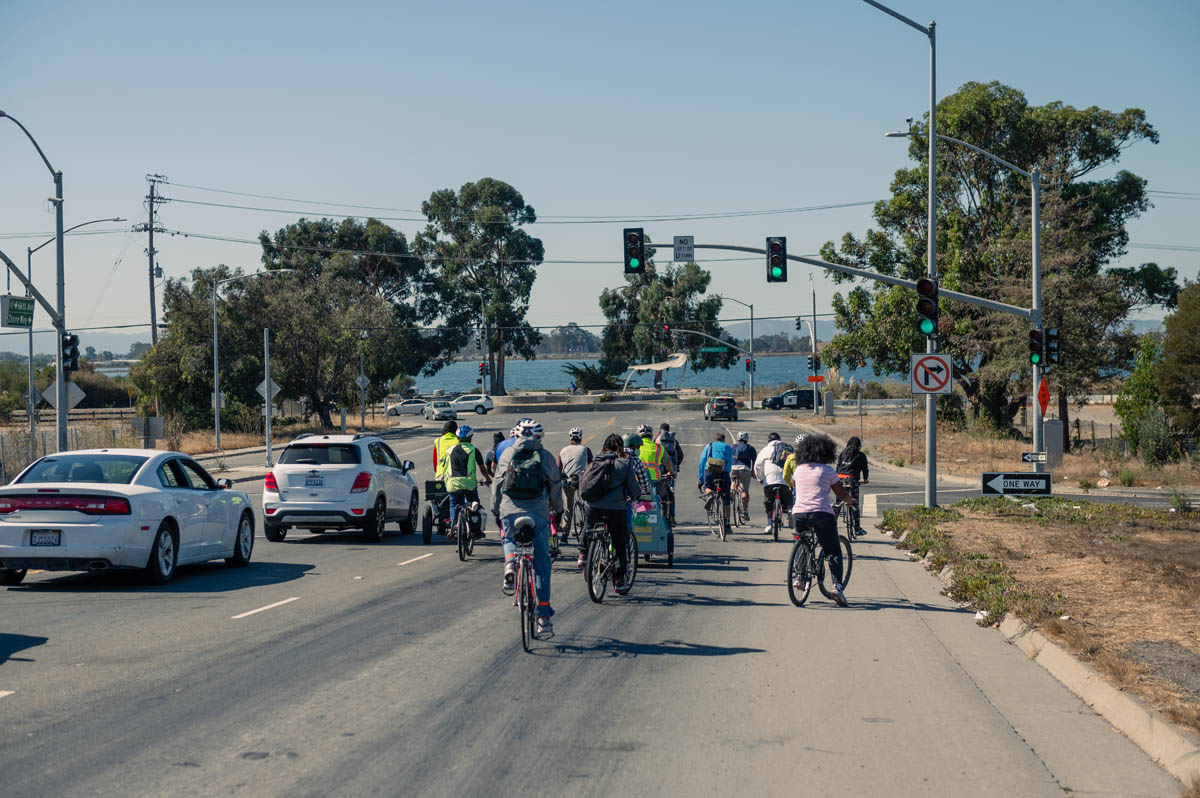
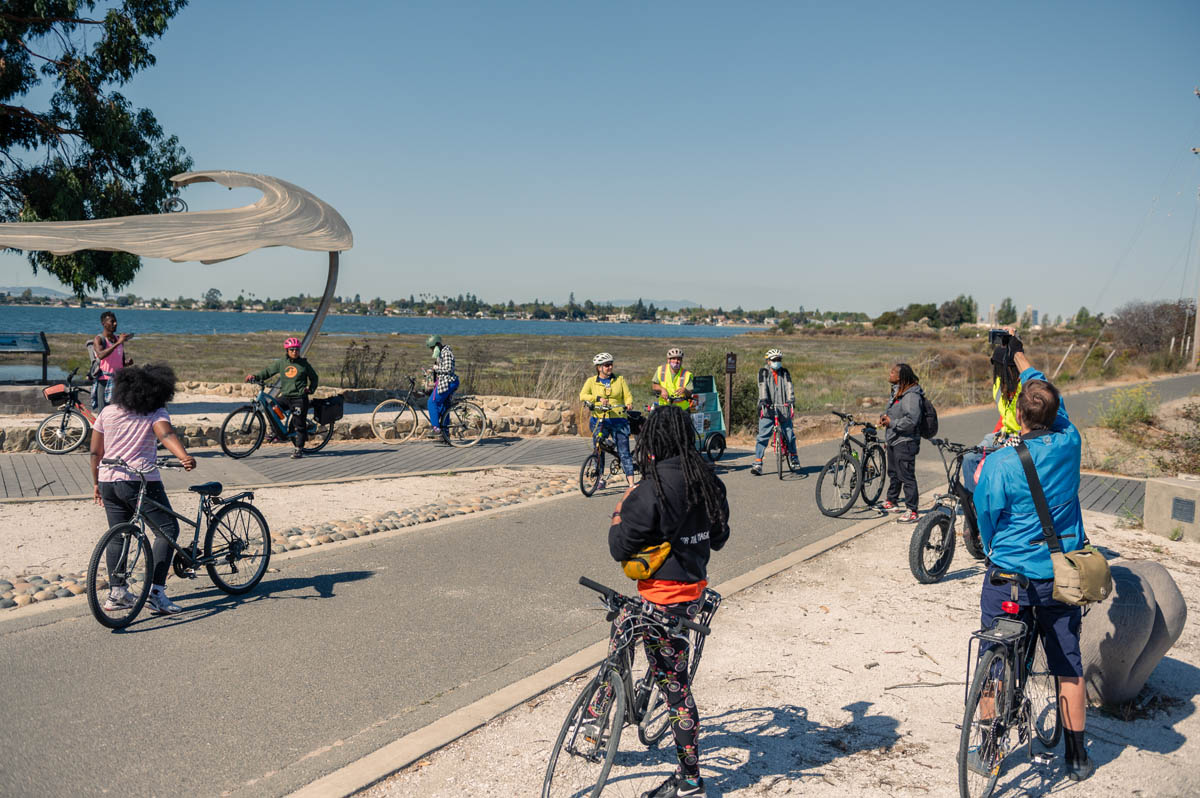
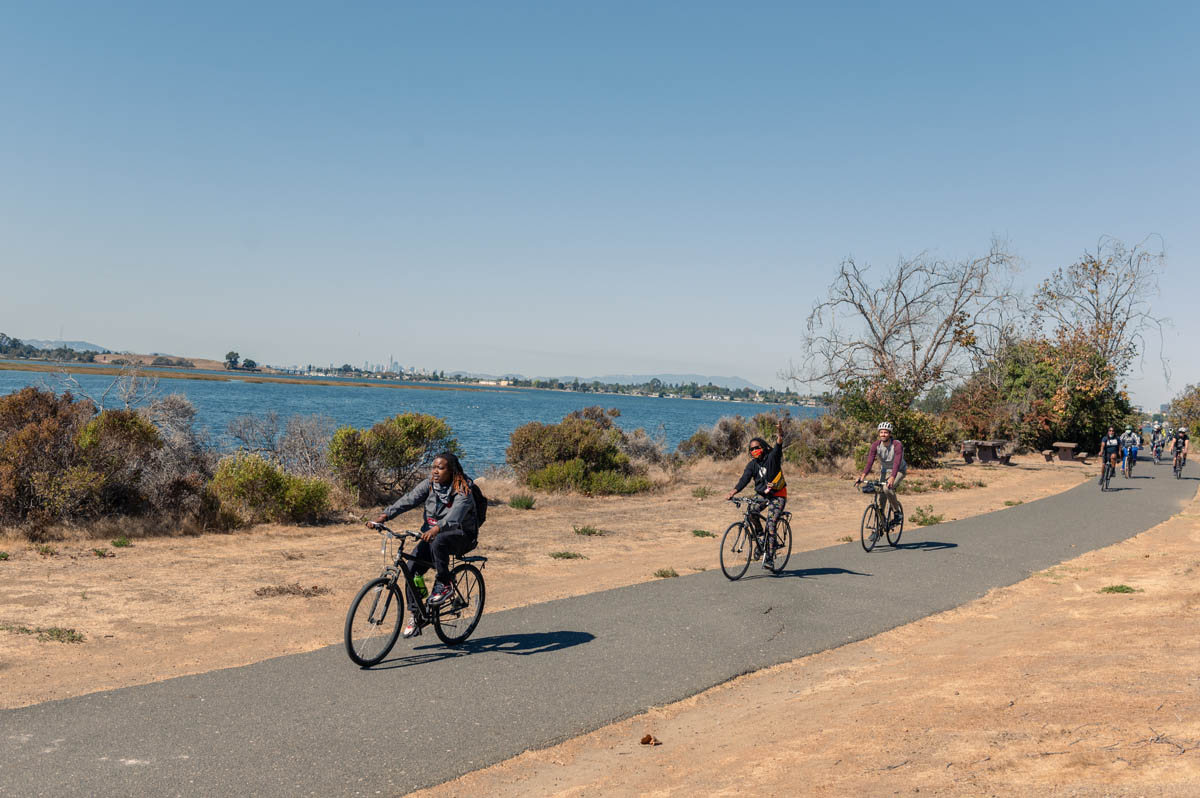
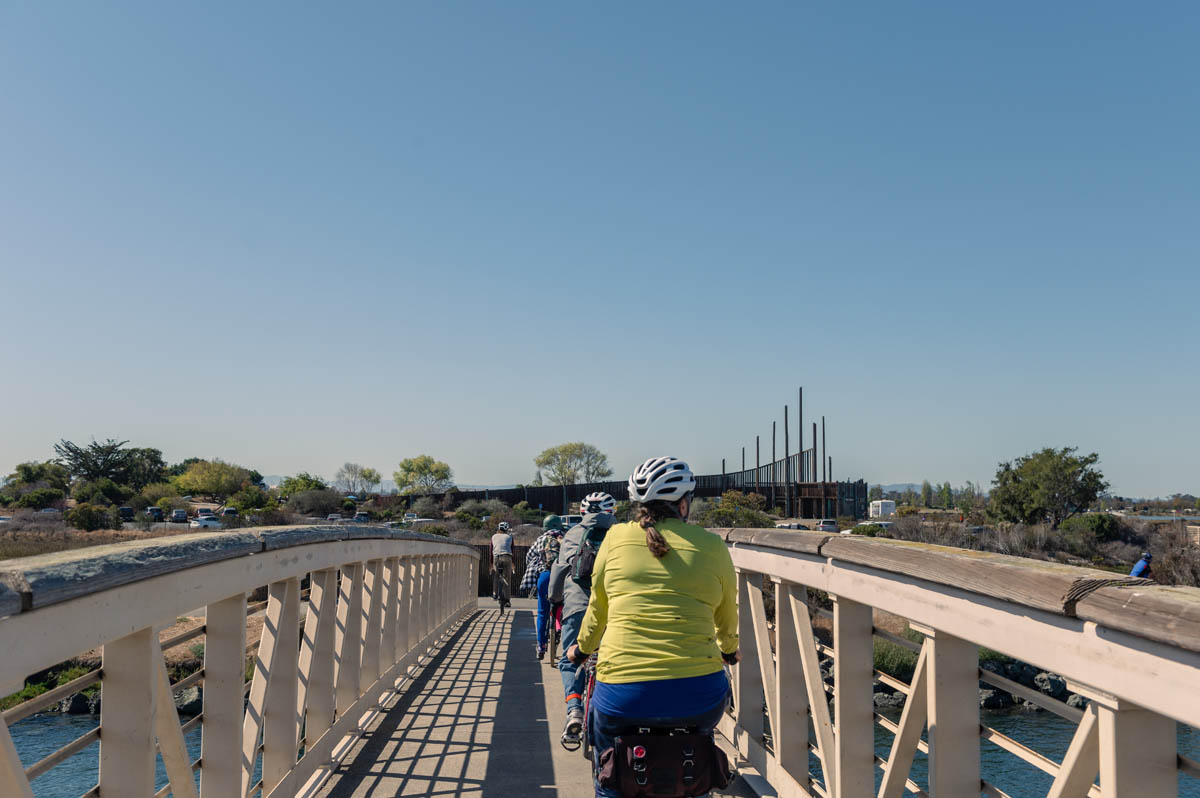
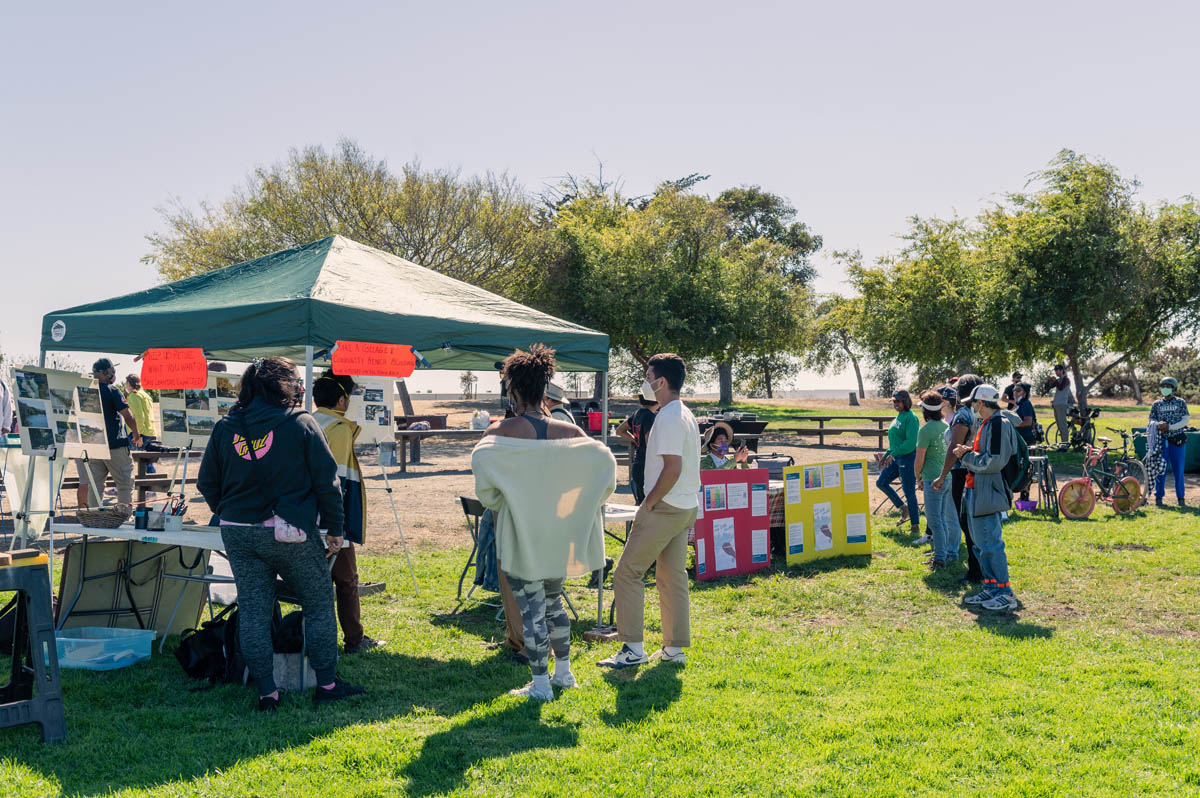
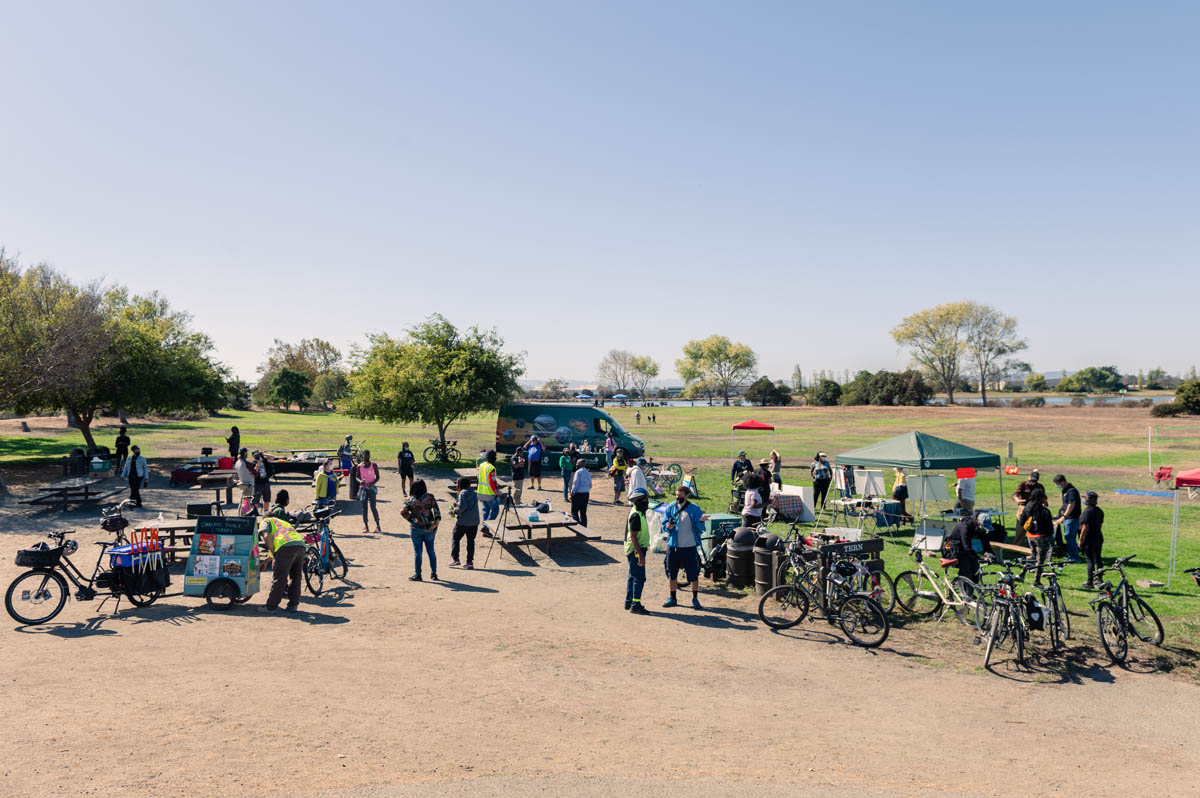
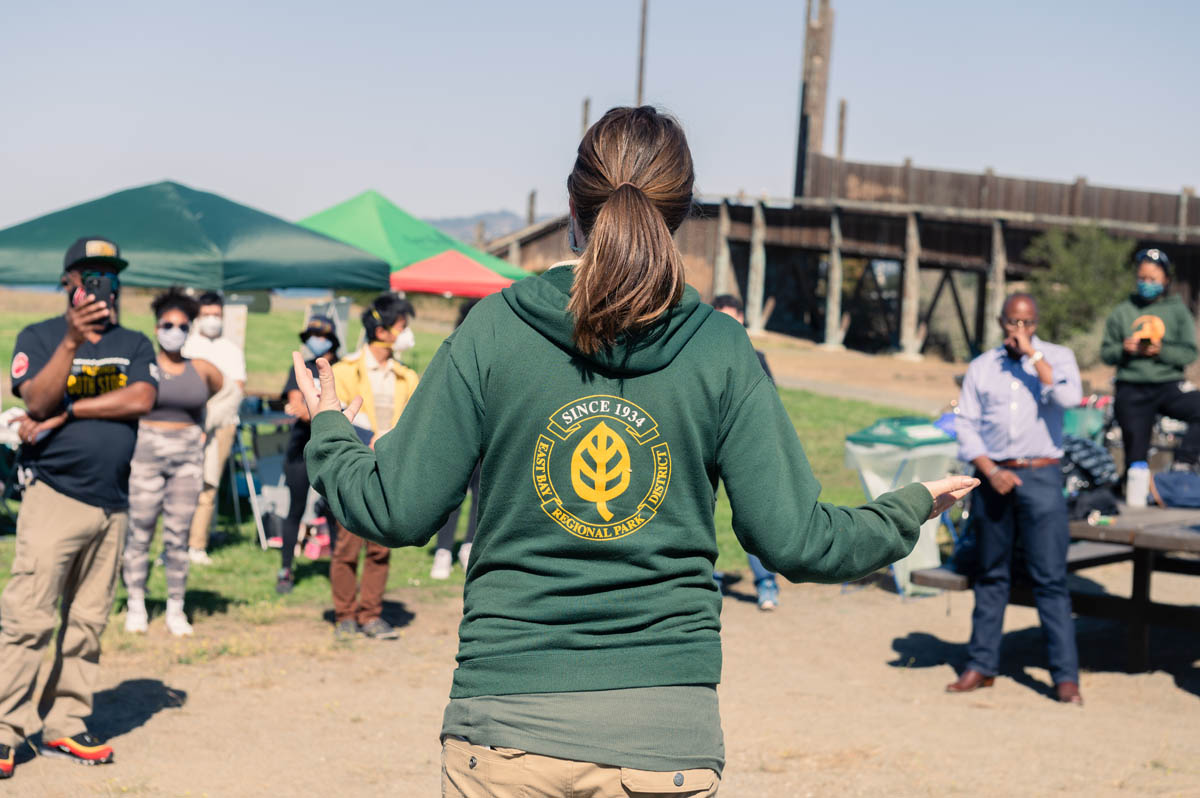
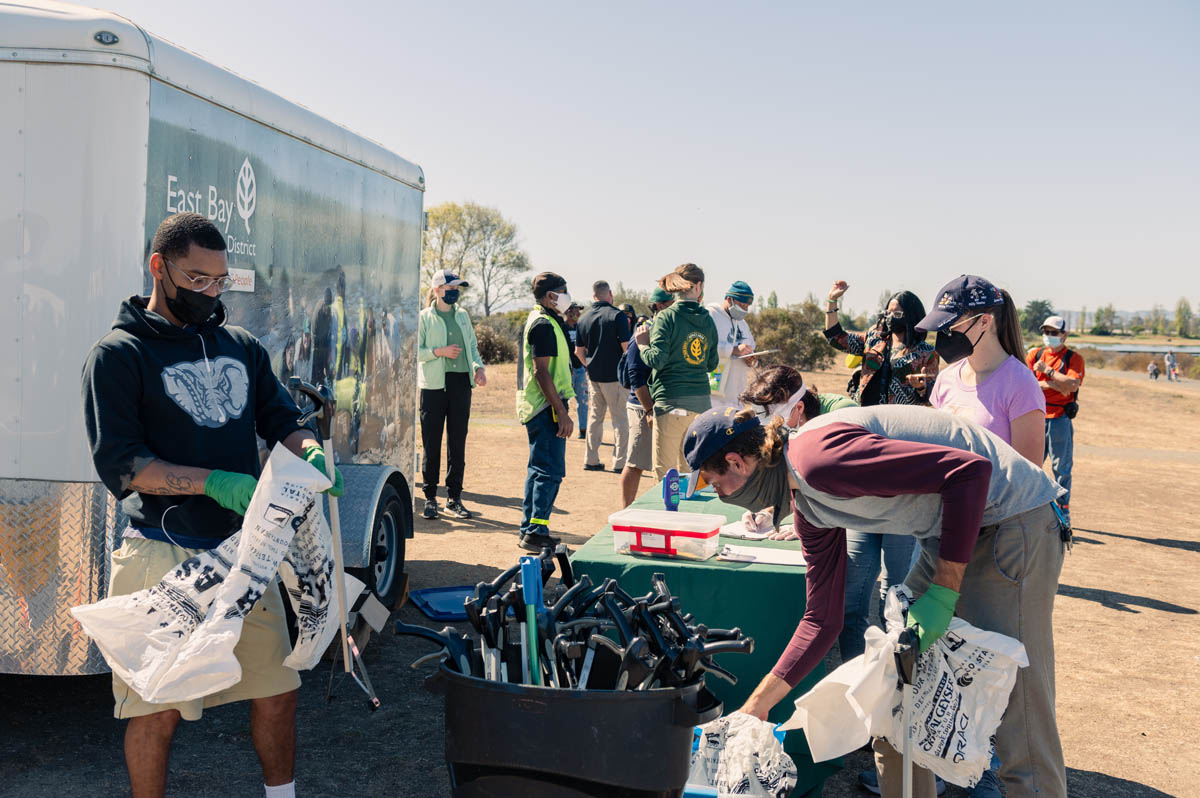
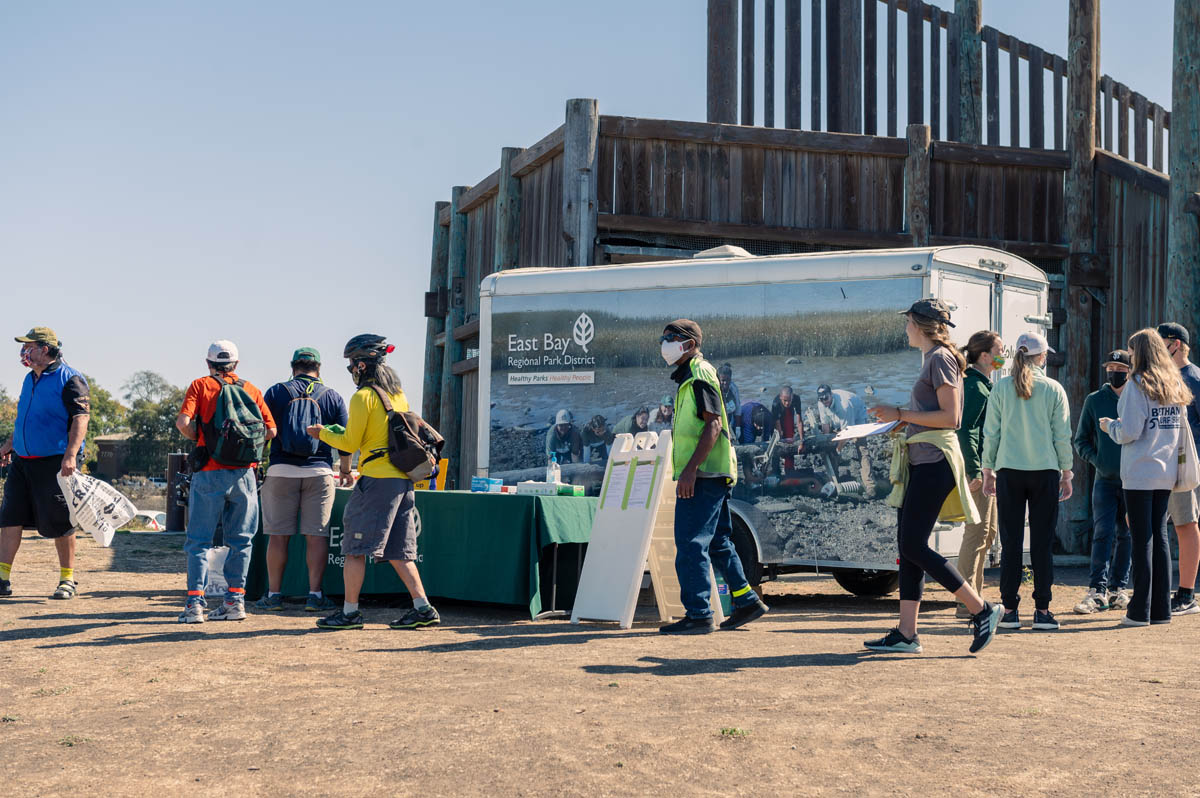
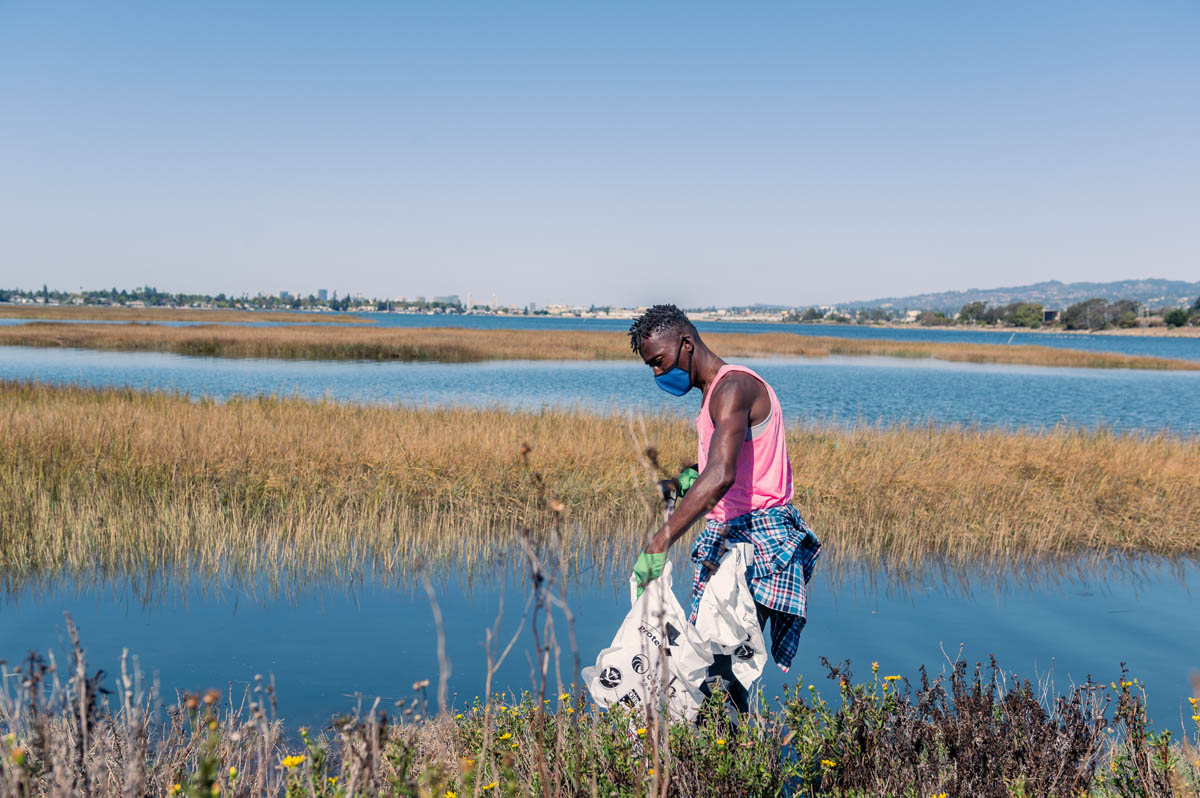
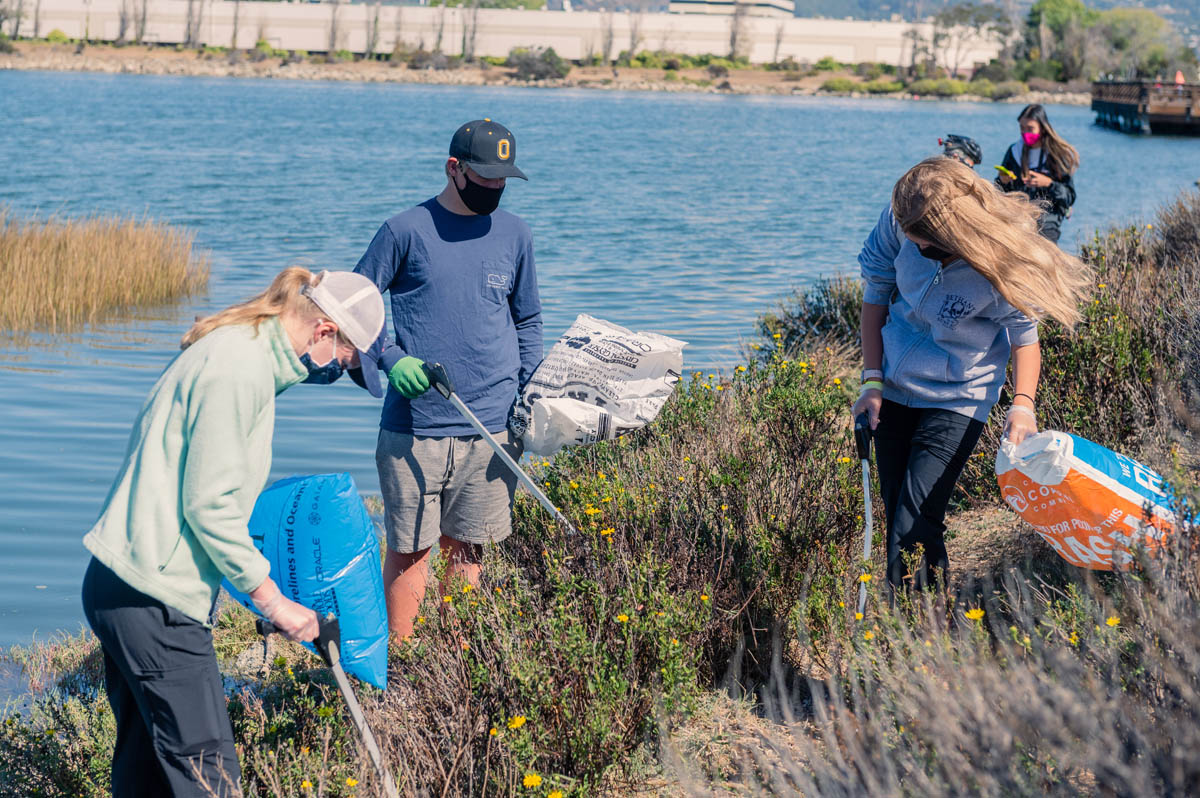
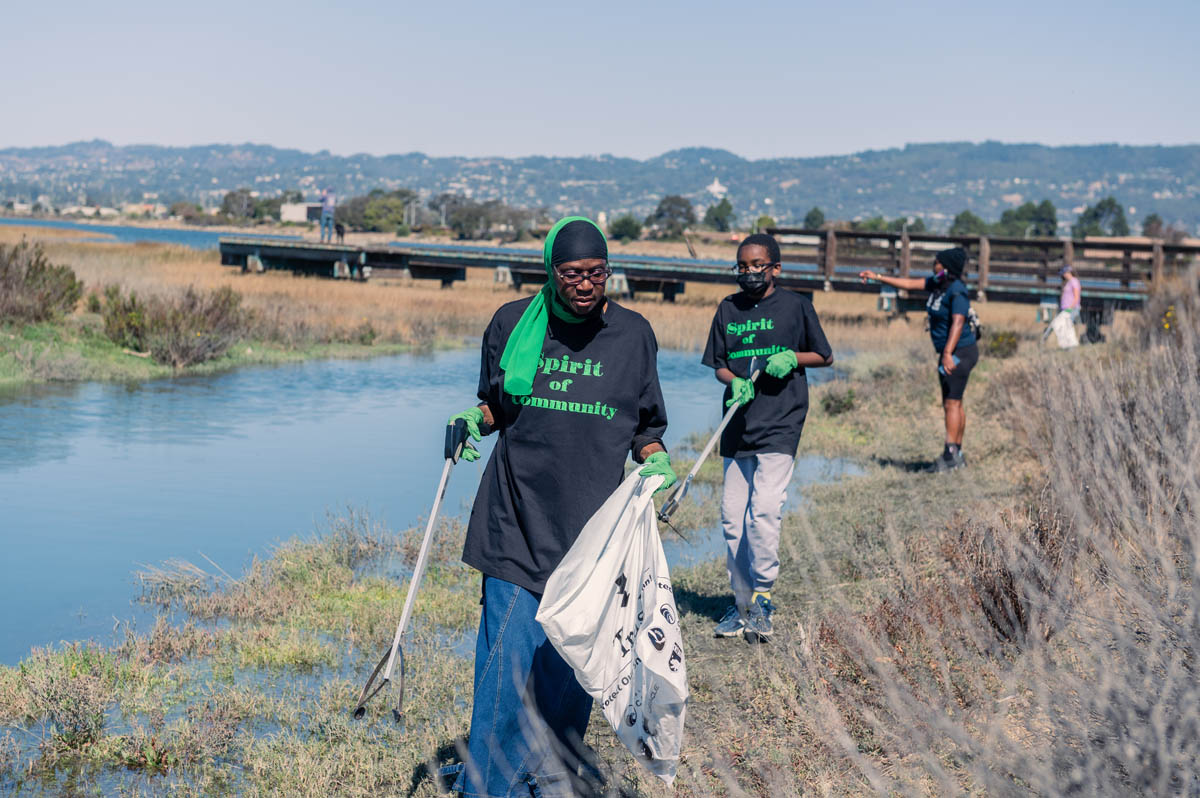
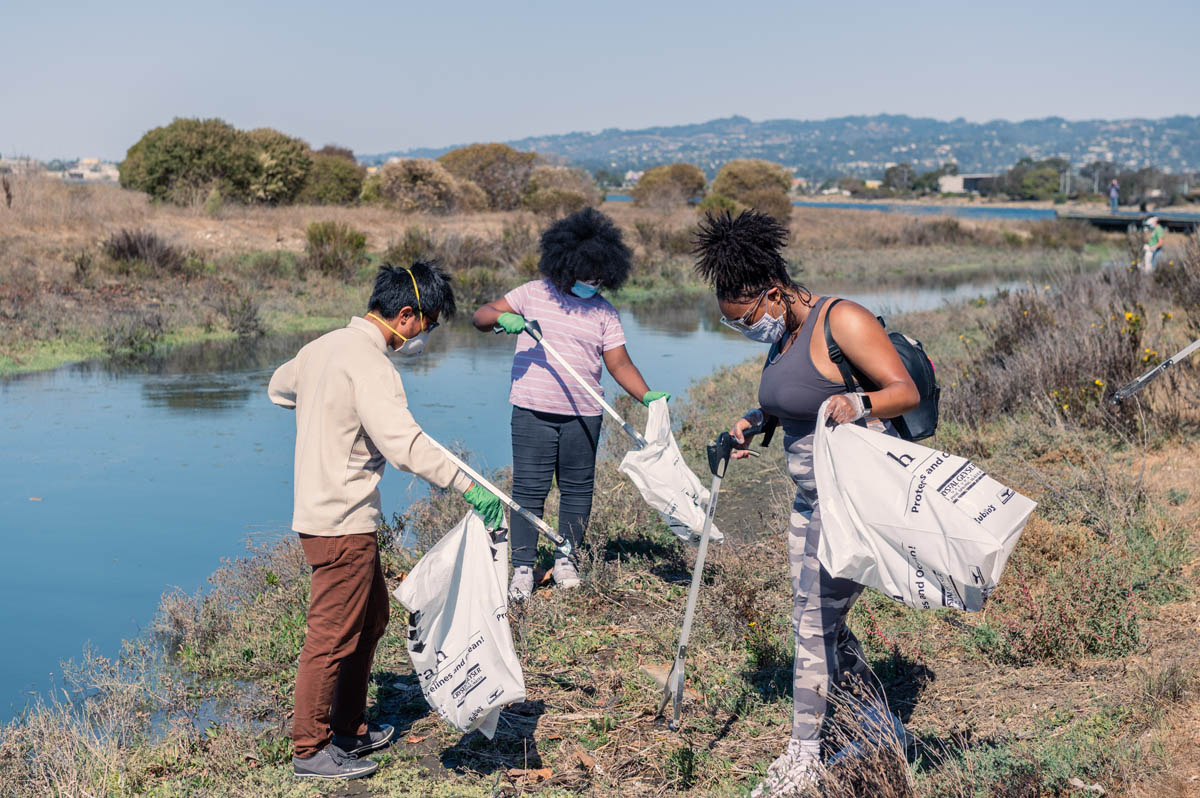
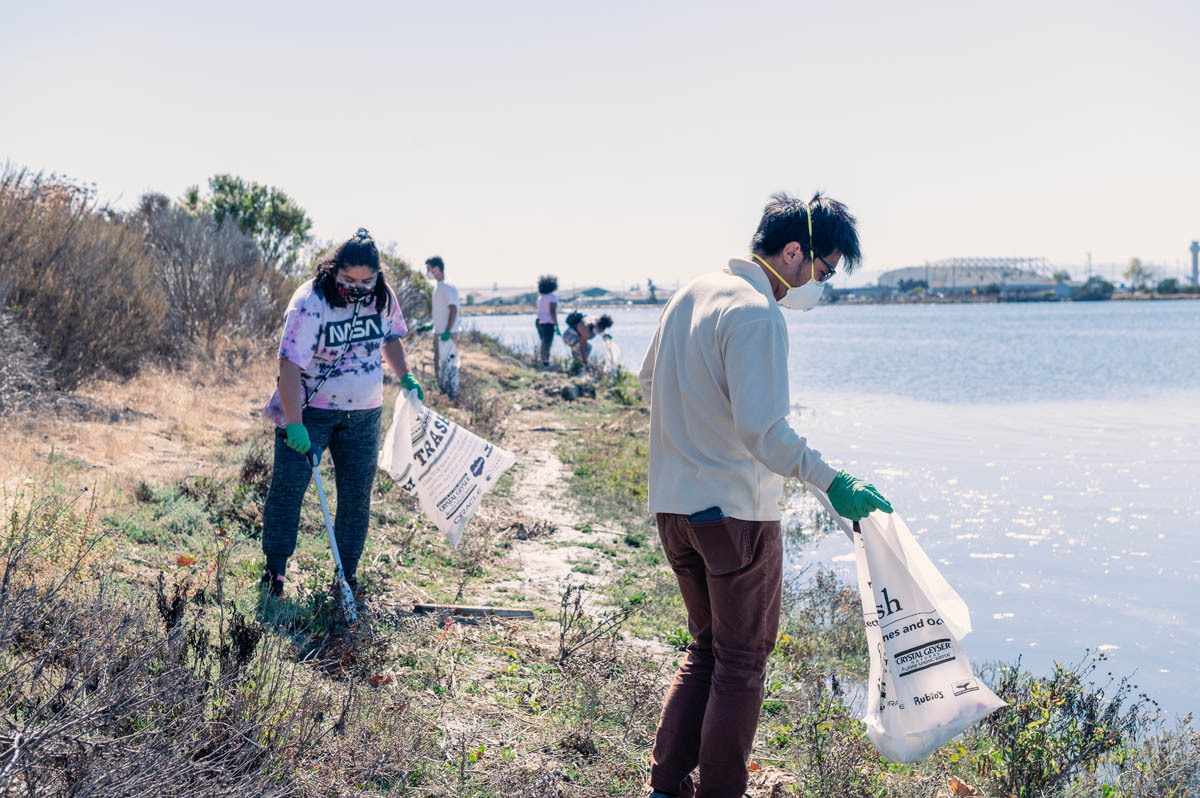
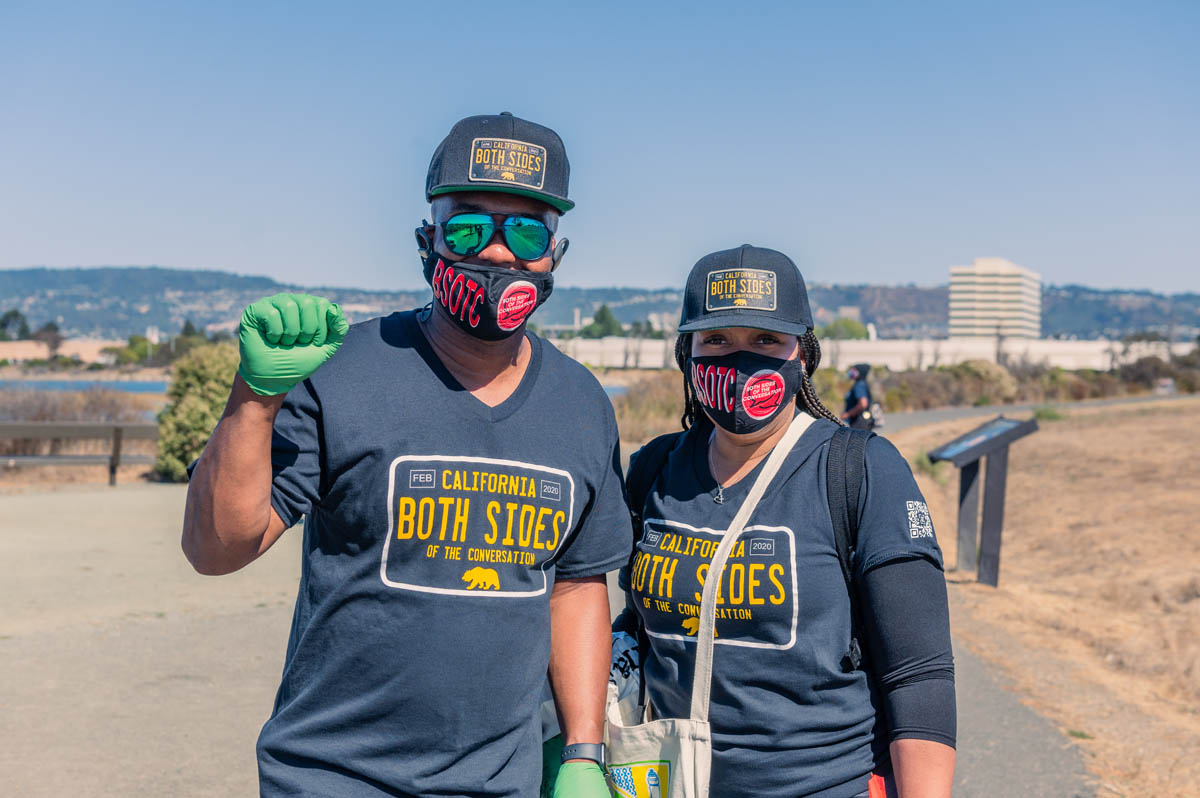
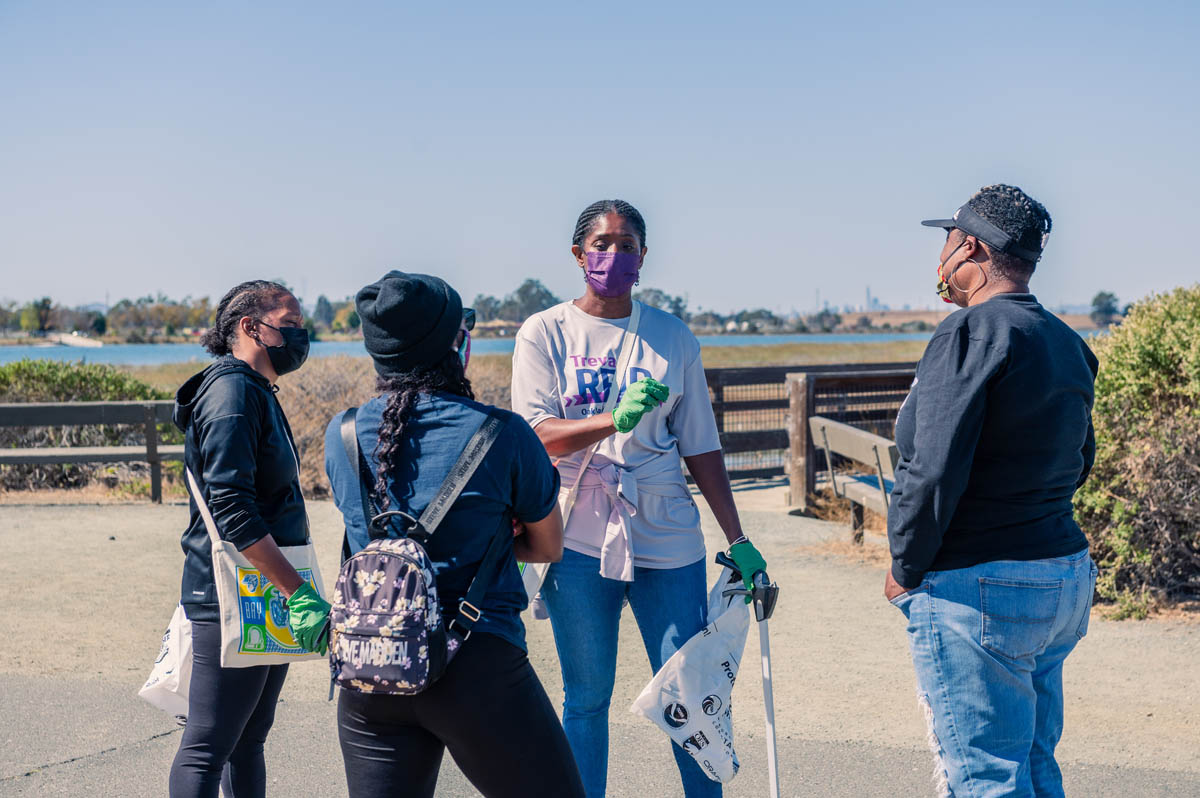
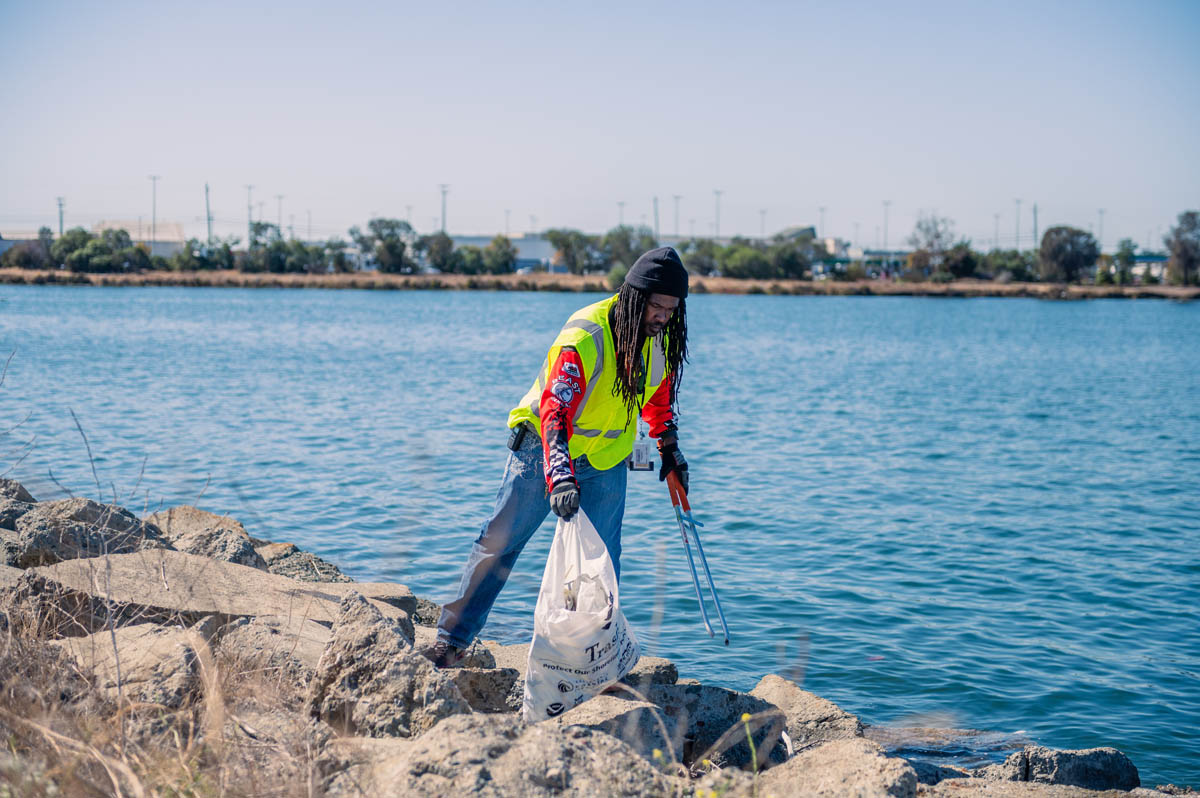
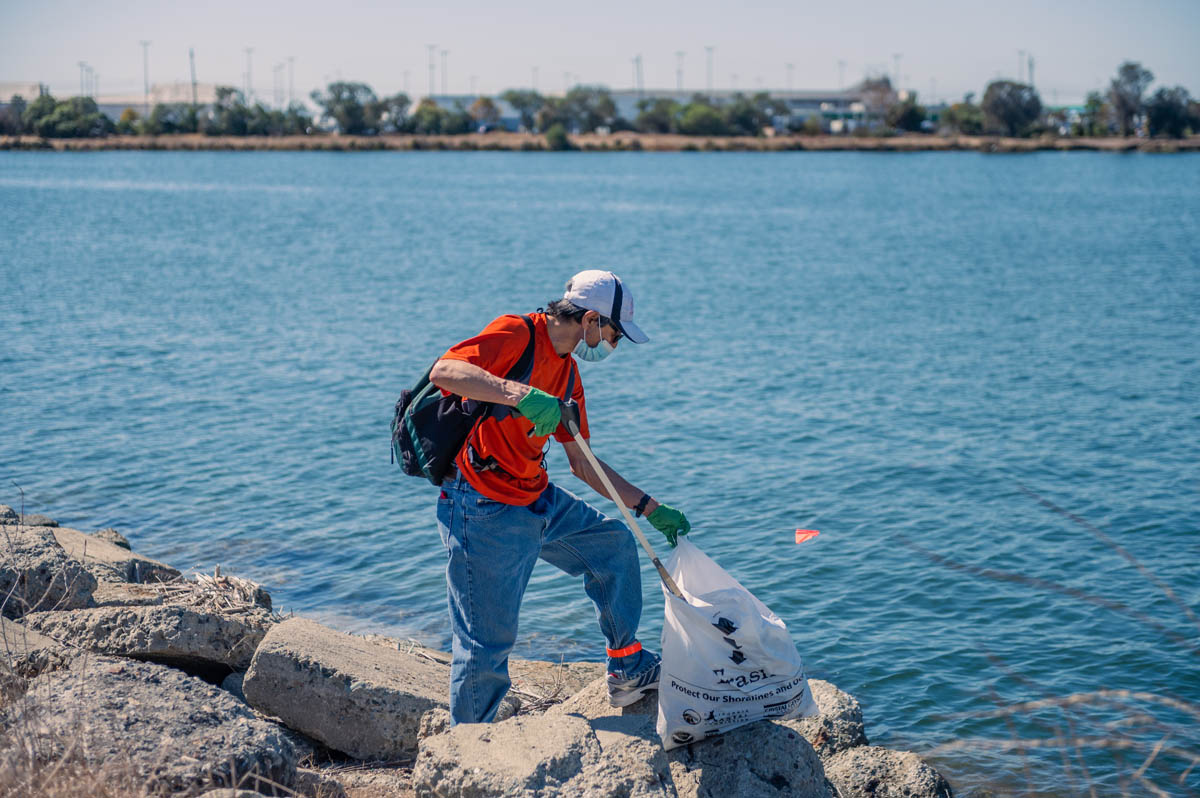
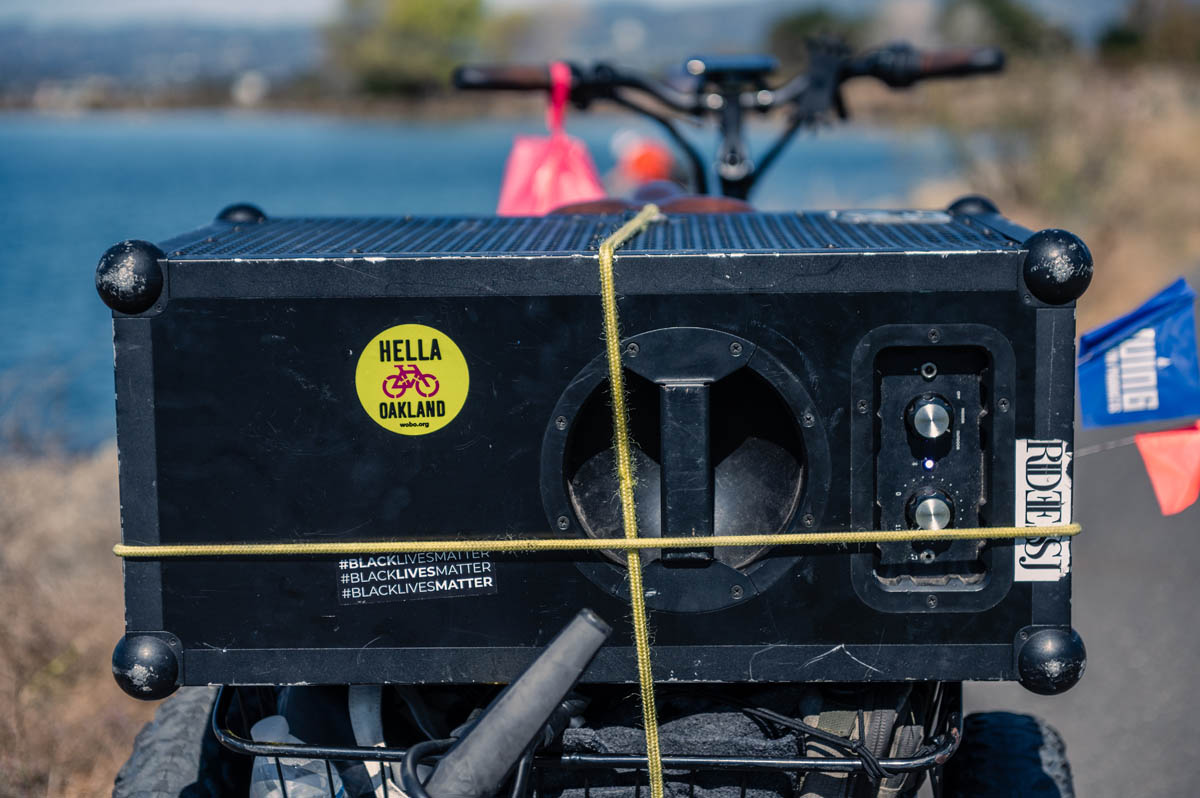
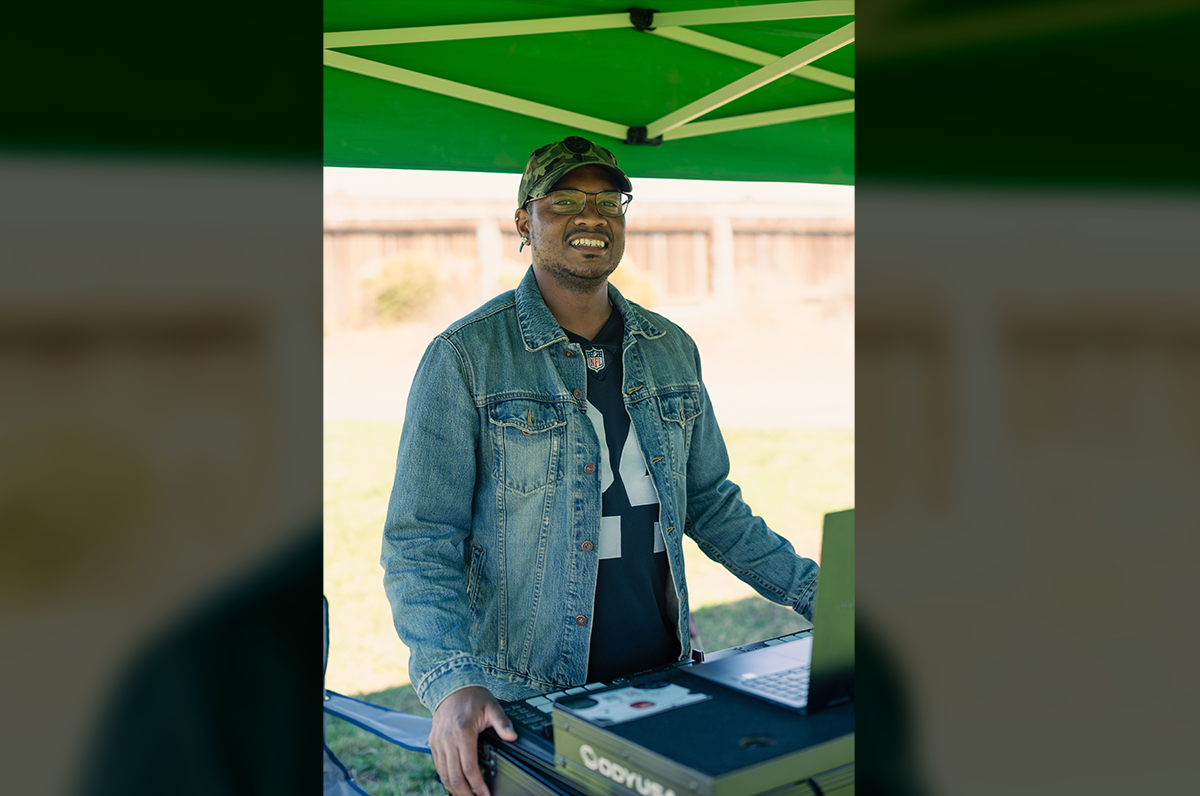
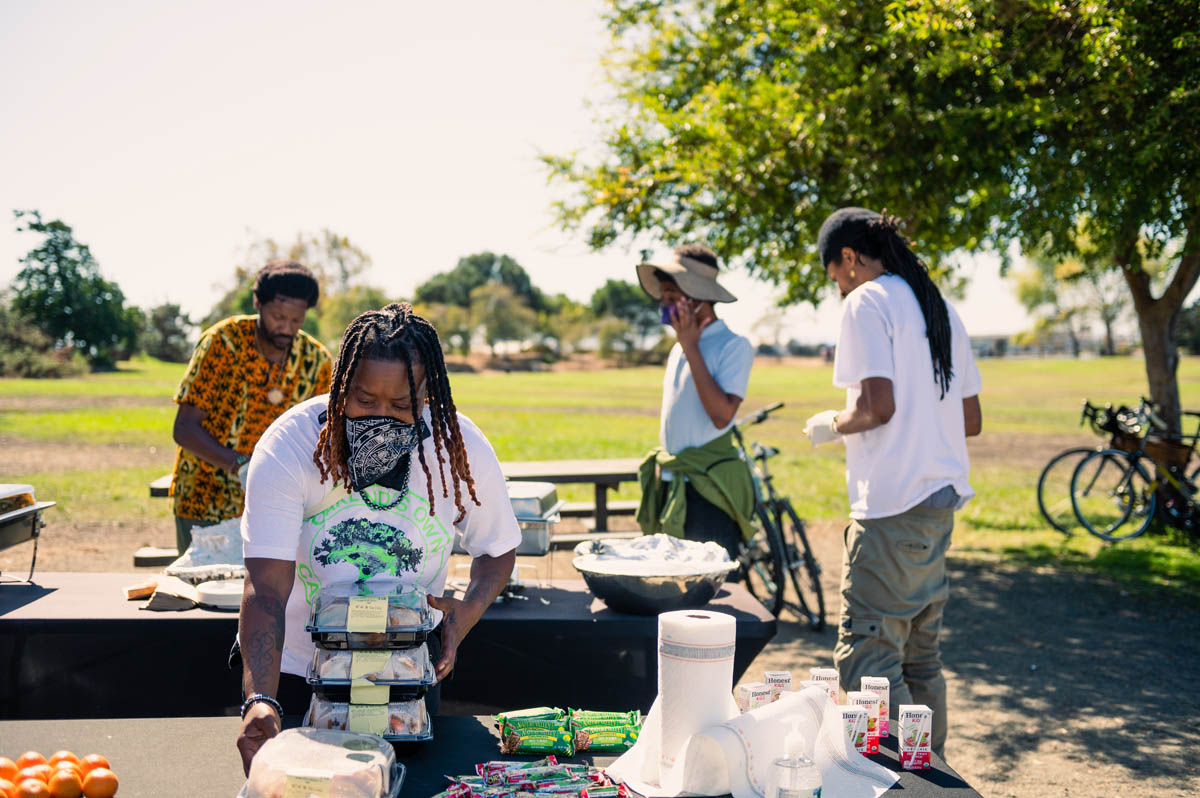
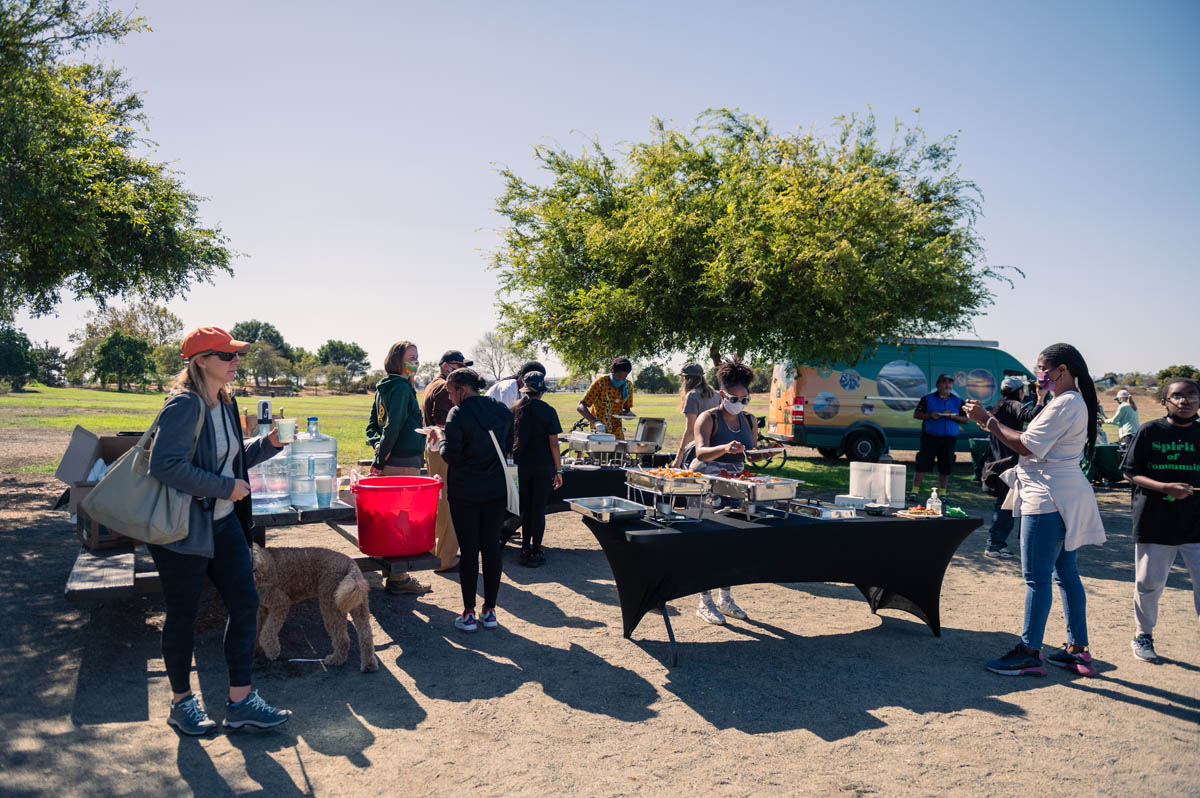
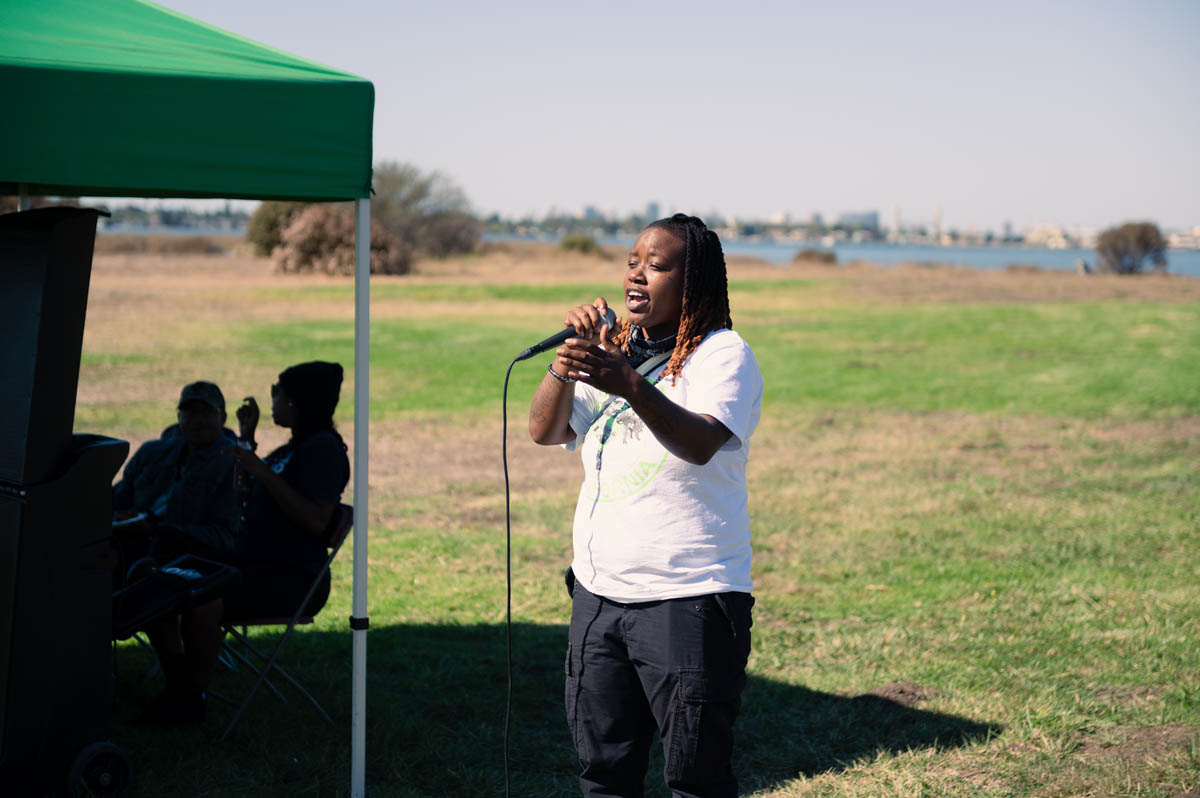
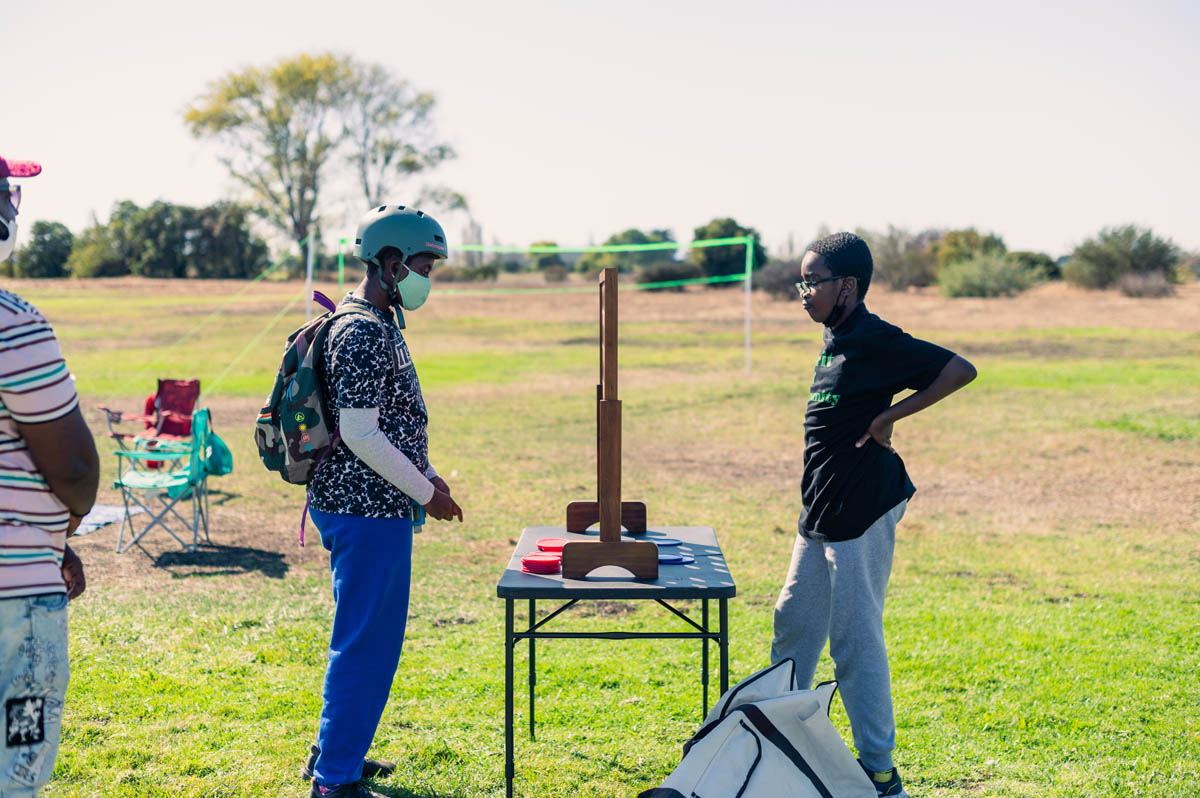
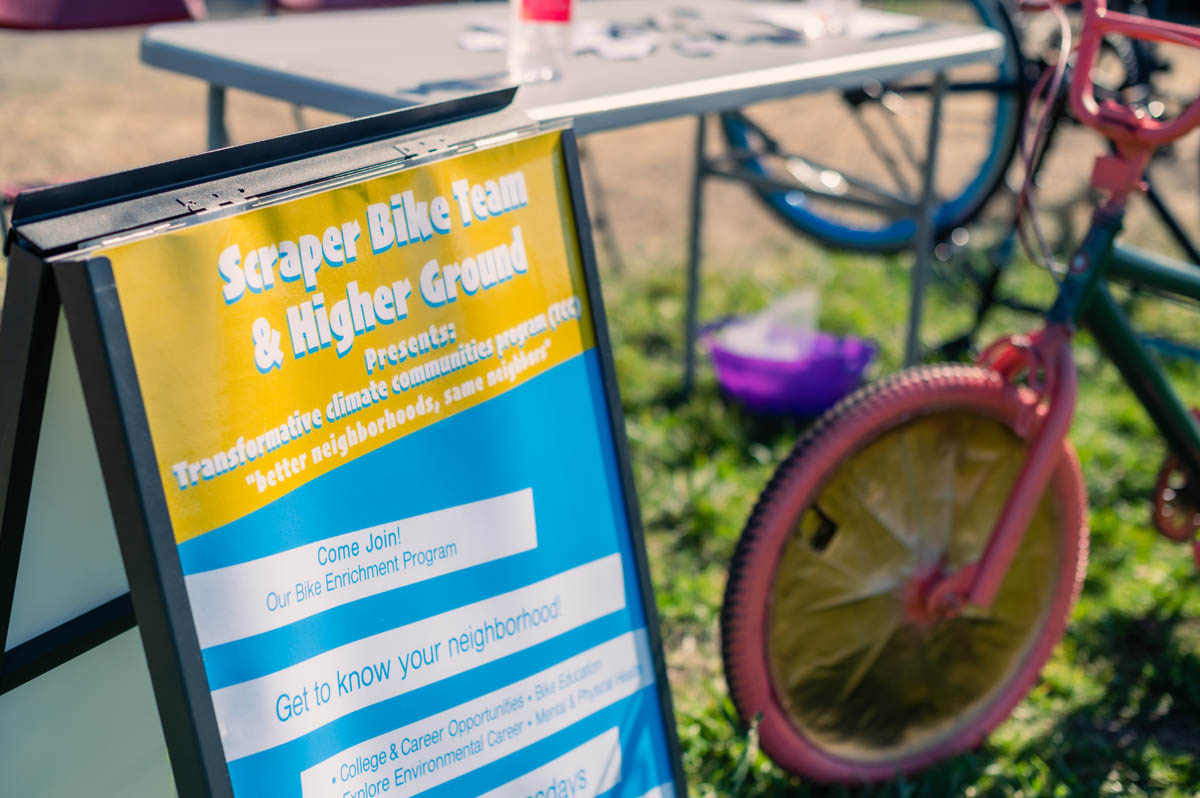
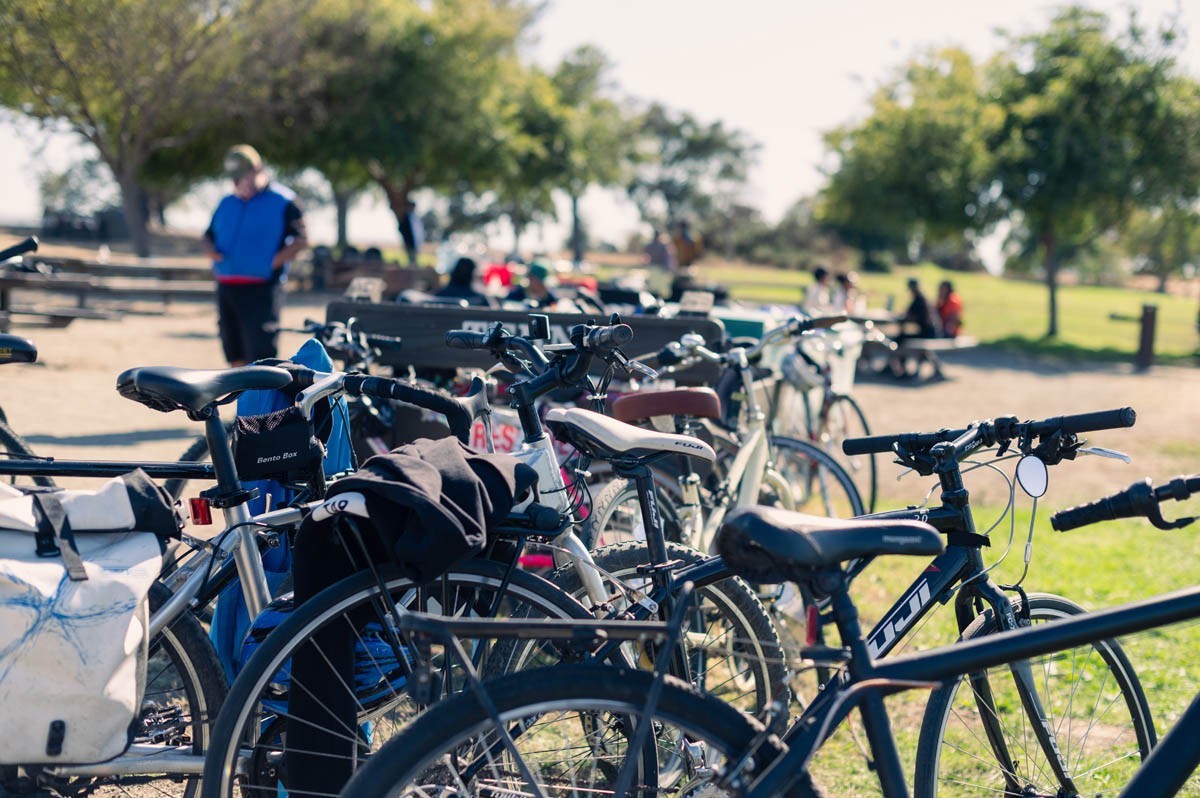
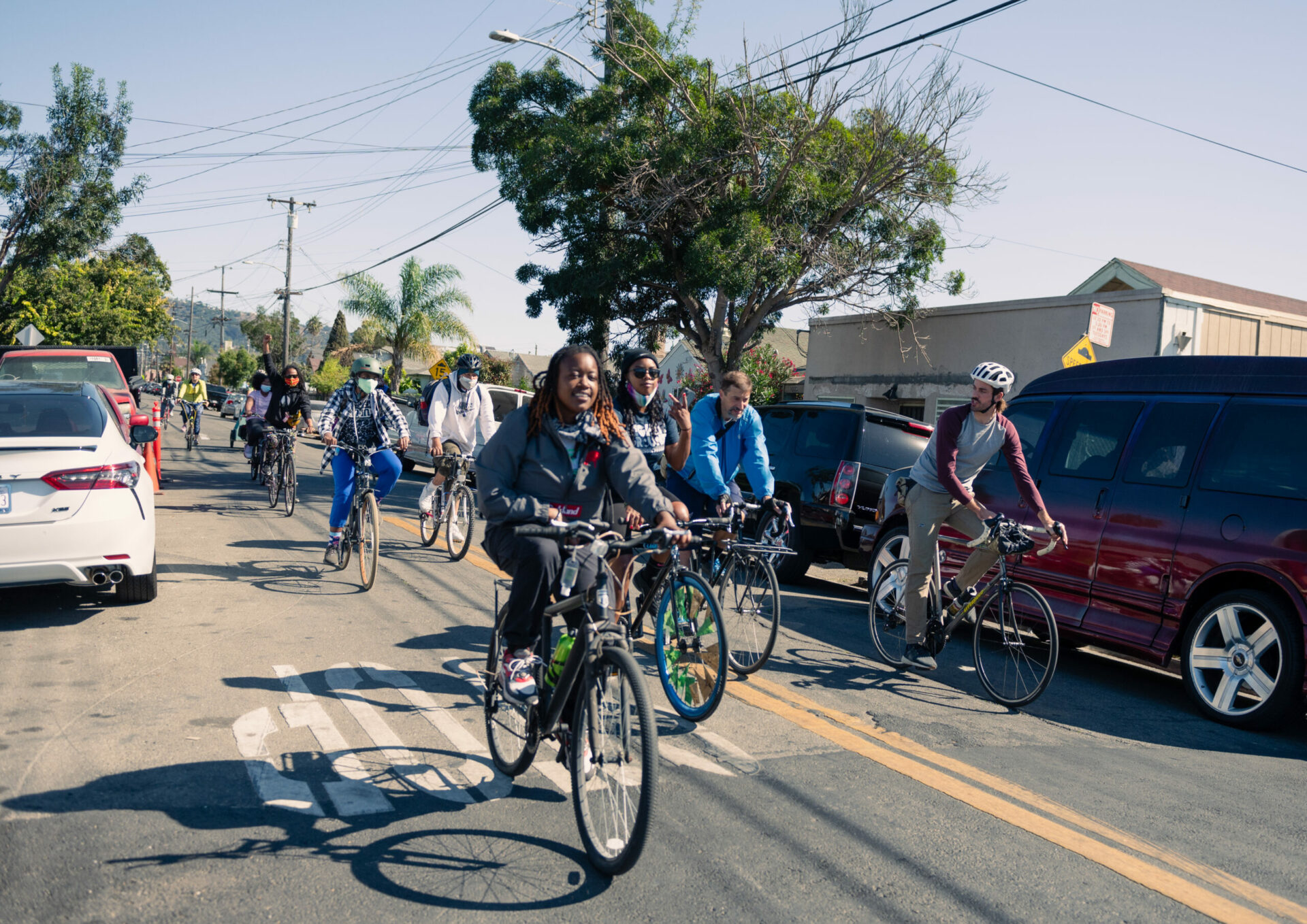
On Clean Air Day on October 9, for example, a group of people from the community rode bikes from East Oakland to the shoreline; helped pick up trash from the marsh, creek banks and bayshore; and celebrated with food, music, art and other activities (see slideshow below).
One focal point of Power the People is to explore the feasibility of creating a new fare-free zero emissions bus route along 73rd Ave. The study will also explore other clean mobility options such as biking, walking and skating to bring East Oakland residents from 94603, 94605 and 94621 zip codes to the Martin Luther King Jr. Shoreline park. Support for the community-led access study is coming from cap-and-trade funding and the Oakland Department of Transportation.
Price begins to talk fast when she gets going on all her ideas for helping Black and POC residents reclaim and restore shoreline spaces, and “explore culturally relevant recreation on the shore.” She mentions the Bay Trail, Doolittle Drive, resilience and equity hubs, transportation corridors and greenways. “Our neighborhoods need secure access to and from the shoreline in the face of sea level rise, that’s how the transportation infrastructure is tied to climate adaptation,” she says.
Price also points to increased visits to local urban parks and open space during the pandemic. “East Bay Parks recognizes this need, and we have their ear,” says Price, talking about her other endeavors through the East Oakland collective to promote events on the shore that highlight Black culture and educate the community about ecology. “We need to decriminalize Black folks enjoying and holding activities in green spaces,” she says.
Clean Air Day Bike to the Shore Slide Show ~ Photos Lonny Meyer
Other Recent Posts
Regional Housing Agency Invests in Affordability
The Bay Area Housing Finance Authority is launching a loan program to support the construction of mixed-income rental properties.
The End is Coming for California’s Untouchable Grass
The law, which applies to grass that isn’t used for recreational purposes, could cut urban water use across California by more than 20% says Oakland thinktank.
Sonoma Vineyard Workers Burn toward a Better Future
A group of immigrant farmworkers are forming a worker-owned cooperative to bring back Indigenous burning practices that used to revitalize the soil.
Los trabajadores de los viñedos de Sonoma queman por un futuro mejor
Un grupo de trabajadores agrícolas inmigrantes está formando una cooperativa de propiedad de los trabajadores para recuperar las prácticas indígenas de quema que solían revitalizar el suelo año tras año.
New Voices Shape Design of Berkeley’s North Basin Strip
Twenty acres of parkland between the highway and the Berkeley shore are slated for a coast-resilient makeover, with input from locals and stakeholders.
It’s Always Sunny In North Fair Oaks
Residents of the unincorporated community launched their second campaign in two years to get the county to care for dying street trees.
Siempre está soleado en North Fair Oaks
Los residentes de la comunidad no incorporada lanzaron su segunda campaña en dos años para lograr que el condado se ocupe de los árboles de la calle que se están muriendo.
Can Nature Help California’s Coast Fight Fire and Floods?
Local and state leaders gather for September summit on how to mainstream nature-based infrastructure.
Guide to Nature-Based Infrastructure Around the Bay Area
Regional leaders are testing eight types of climate adaptation and shoreline flood protection projects that work with nature instead of against it. Here’s an overview.
How Can I Get Clean, Green, Climate-Forward Job Training in the Bay Area?
Looking for a hands-on job working outdoors that actually pays? Here’s a list of training programs.