



Uncertainty Requires a Buffet of Resilience Choices
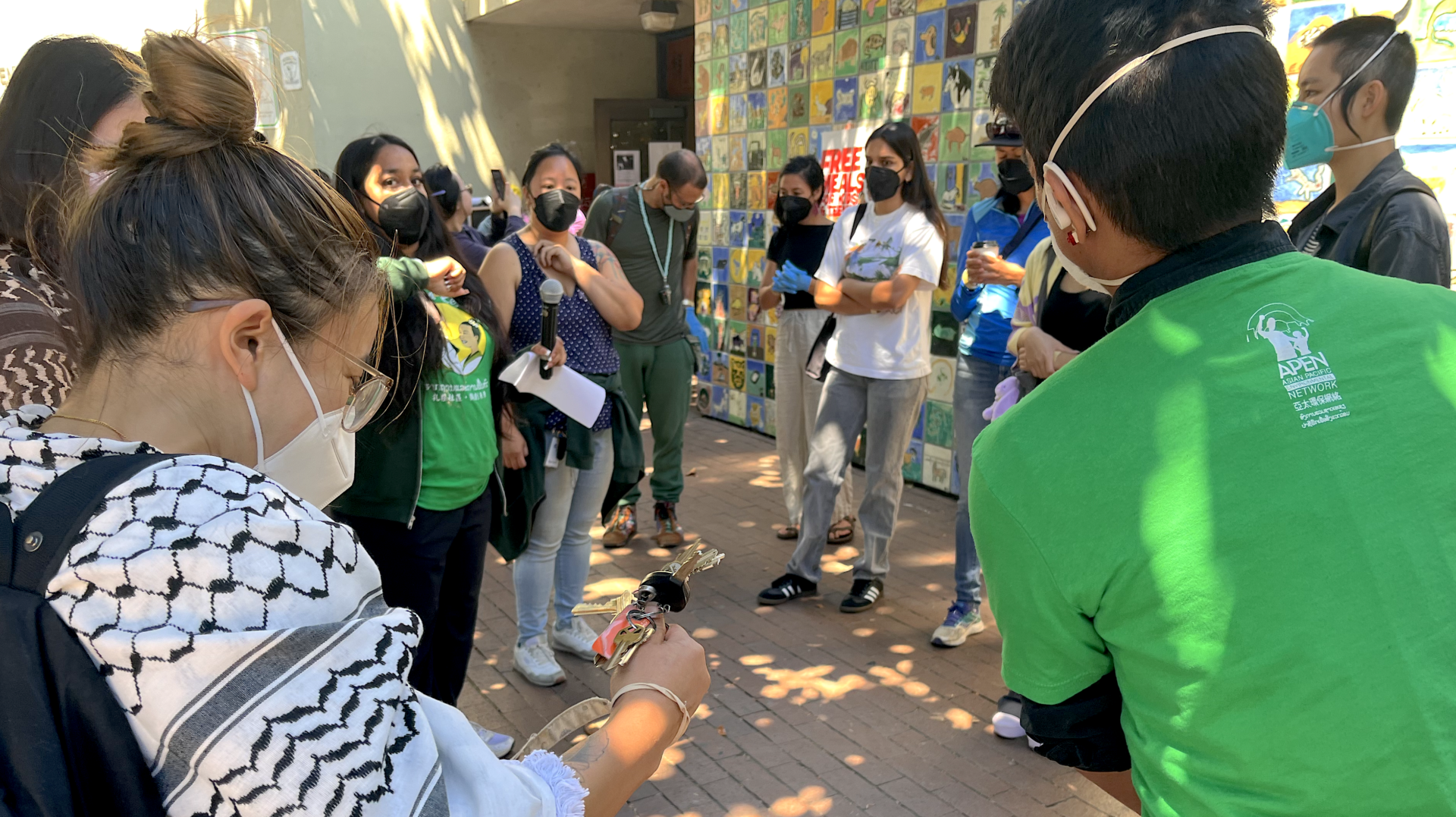
Photo: Tanvi Dutta Gupta
On August 14, over 70 community members gathered outside of Oakland Chinatown’s Lincoln Square Recreation Center to assemble hundreds of emergency resilience kits, courtesy of the nonprofit Asian Pacific Environmental Network.
“How many of you have eaten at a buffet?” asked the APEN coordinator. The intergenerational audience of volunteers—from children fiddling with toys to elders picking at the remnants of their catered lunch—raised their hands. “Well this will be like a buffet, but you have to pick everything,” she explained. Off to her side, a translator repeated her instructions in Cantonese for a large group of Asian elders, most of whom were wearing bright green APEN shirts. For the rest of the afternoon, the Lincoln Center echoed with bouncy hip hop and peals of laughter, as a rotating assembly line of community volunteers stuffed drawstring bags with Advil, peppermint tea, medical-grade face masks, COVID tests, and other supplies. All the volunteer groups took home 500 kits at the end of the day for their communities.
“Our communities are primarily monolingual, immigrant, working-class renters who live on the front lines of environmental injustice – heavy industrial pollution, high traffic corridors, unsafe housing, and unsafe workplaces, and climate change,” explains Shina Robinson, APEN’s resilience hubs manager. With plans to add new solar panels, backup battery power, and HVAC systems, the long-planned Lincoln Center resilience hub will act as a safe place for people to turn to during wildfires, heat waves, or other extreme weather challenges.
Events like the organization of emergency supply kits are designed to get the community on board with the hub’s daily programming—youth events, food distribution, climate readiness planning, CERT training—and assemble a coalition of different neighborhood groups. Representatives from the Friends of San Antonio Park, Fruitvale East Oakland Collective Land Trust, Richmond’s RYSE Youth Center, and many more showed up to discuss both progress on this one hub – 28 years in the making — and possible directions for the future. Robinson says: “It’s taken community organizations to steward that process and create a consistent campaign around it.”
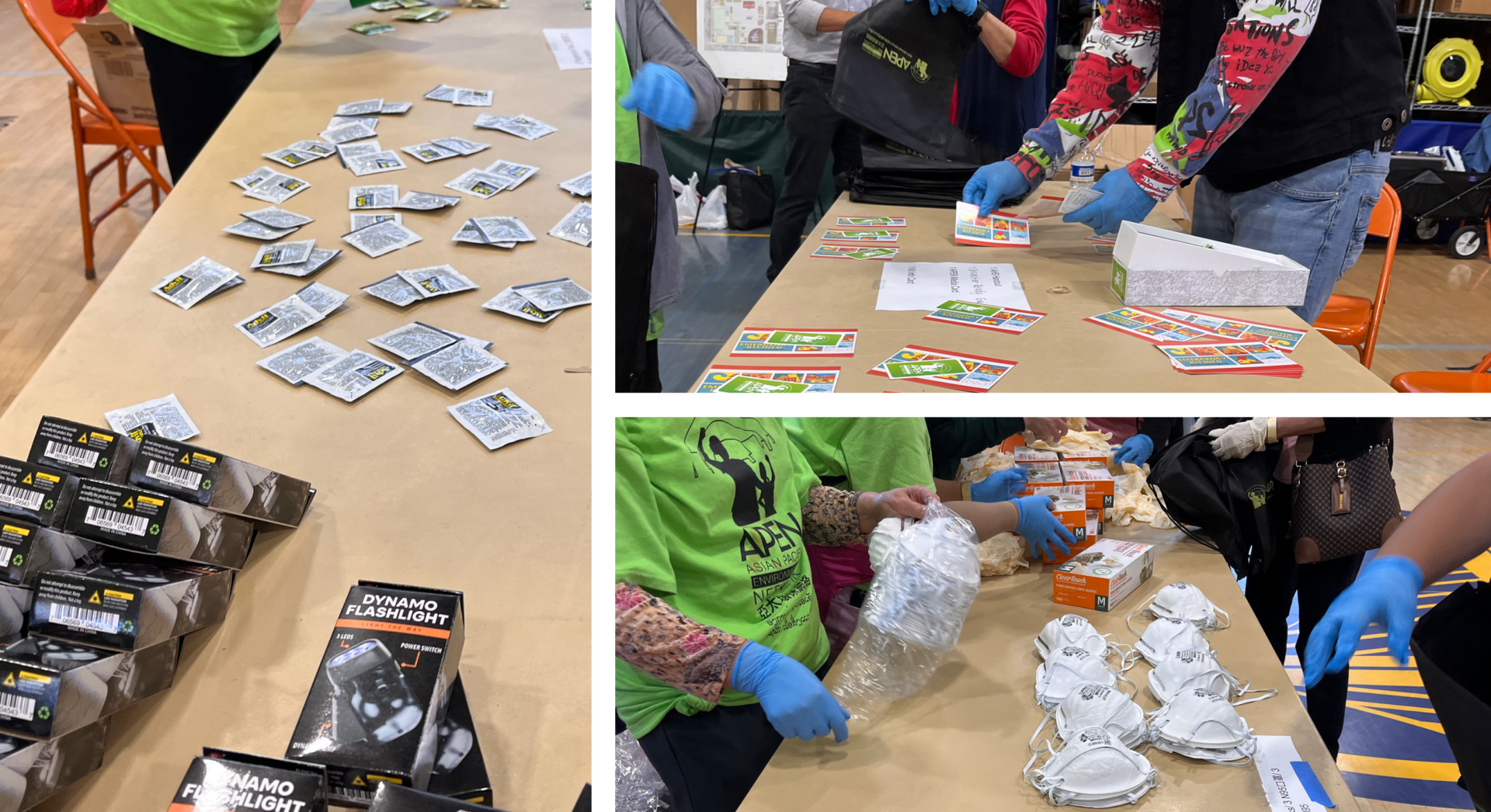
The buffet of choices for disaster packs. Photos: Tanvi Dutta Gupta
Other Recent Posts
Regional Housing Agency Invests in Affordability
The Bay Area Housing Finance Authority is launching a loan program to support the construction of mixed-income rental properties.
The End is Coming for California’s Untouchable Grass
The law, which applies to grass that isn’t used for recreational purposes, could cut urban water use across California by more than 20% says Oakland thinktank.
Sonoma Vineyard Workers Burn toward a Better Future
A group of immigrant farmworkers are forming a worker-owned cooperative to bring back Indigenous burning practices that used to revitalize the soil.
Los trabajadores de los viñedos de Sonoma queman por un futuro mejor
Un grupo de trabajadores agrícolas inmigrantes está formando una cooperativa de propiedad de los trabajadores para recuperar las prácticas indígenas de quema que solían revitalizar el suelo año tras año.
New Voices Shape Design of Berkeley’s North Basin Strip
Twenty acres of parkland between the highway and the Berkeley shore are slated for a coast-resilient makeover, with input from locals and stakeholders.
It’s Always Sunny In North Fair Oaks
Residents of the unincorporated community launched their second campaign in two years to get the county to care for dying street trees.
Siempre está soleado en North Fair Oaks
Los residentes de la comunidad no incorporada lanzaron su segunda campaña en dos años para lograr que el condado se ocupe de los árboles de la calle que se están muriendo.
Can Nature Help California’s Coast Fight Fire and Floods?
Local and state leaders gather for September summit on how to mainstream nature-based infrastructure.
Guide to Nature-Based Infrastructure Around the Bay Area
Regional leaders are testing eight types of climate adaptation and shoreline flood protection projects that work with nature instead of against it. Here’s an overview.
How Can I Get Clean, Green, Climate-Forward Job Training in the Bay Area?
Looking for a hands-on job working outdoors that actually pays? Here’s a list of training programs.
In 2020, Oakland City Council passed their Equitable Climate Action Plan, which calls for the construction of three resilience bubs by 2030. The Lincoln Center is currently the only location with imminent construction plans, after securing a $9.25 million grant from the California Department of Food and Agriculture last year. “We already have a database of buildings that have the space and infrastructure to be potential resilience hubs,” says Nick Kordesch, energy programs manager for the City of Oakland. “The next step is community outreach to find out which ones are trusted by the residents around them. Resilience hubs require collaboration with community organizations and across many city departments – it’s a holistic type of project.”
However, the funding for smaller local resilience efforts is piecemeal and scattershot, according to Susan Silber, program director of the nonprofit advocacy group Collective Resilience who has been catalyzing resilience hubs for the past several years. Not every hub has to be big or even full service, she says. “There are many places in our community that already operate as informal resilience spaces, offering some services everyday and some during emergencies. What we need now is a coordinated network.”
Miya Sommers, coordinator for the Friends of San Antonio Park, agrees. The San Antonio neighborhood, which is not easily accessible by BART, struggles whenever heat waves or poor air quality days occur. “For us, climate catastrophe shows up in multiple ways on a daily basis,” she says. “It’s exciting that the folks at Lincoln Square Park are sharing their resources, because the state gives out small slices of the pie but doesn’t actually help us access that funding or navigate institutional barriers.” Sommers’ hope is that over the next few years, they’ll be able to turn the San Antonio local library into a smaller drop-in resilience hub.
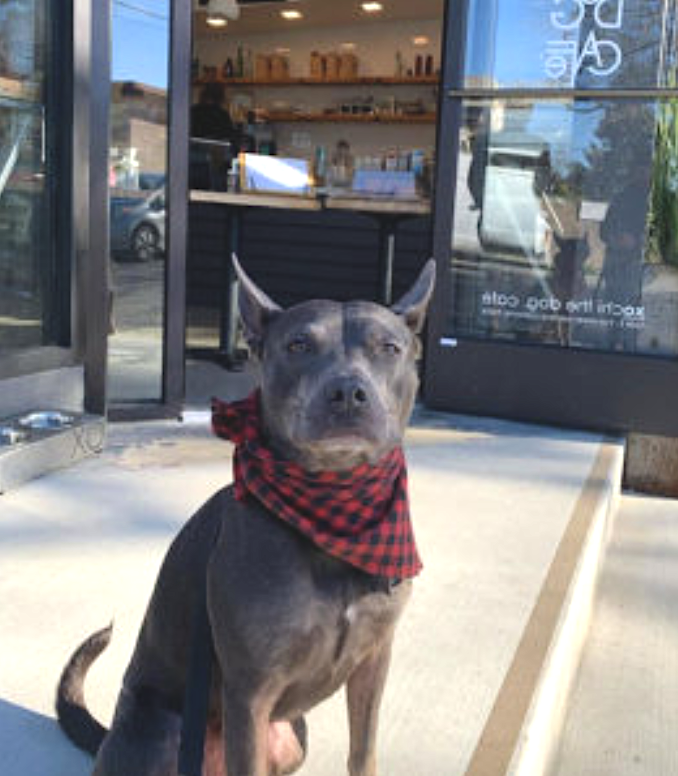
Photo: Xochi the Dog Cafe
Other East Bay organizers are looking to leverage places of worship, schools, and community-based organizations for climate resilience. In San Leandro, Temple Beth Sholom is building an off-grid, solar-based power system for the neighborhood, while the Bethel Community Presbyterian Church acts as a key food distribution center to nearby schools and BIPOC populations. In East Oakland’s Clinton neighborhood, Xochi the Dog Cafe doubles as a coffee joint and a climate resilience hub that hopes to offer emergency shelter, disaster preparedness classes, and a community garden.
“A more decentralized network of hubs of all types could literally save lives, and honor the work of existing sites already doing the resilience work,” says Silber. “Building a network has to be a community-driven process, which is democracy and equity at its best.”
Authors