


California’s Solar Boom Is Powering Clean Energy Careers
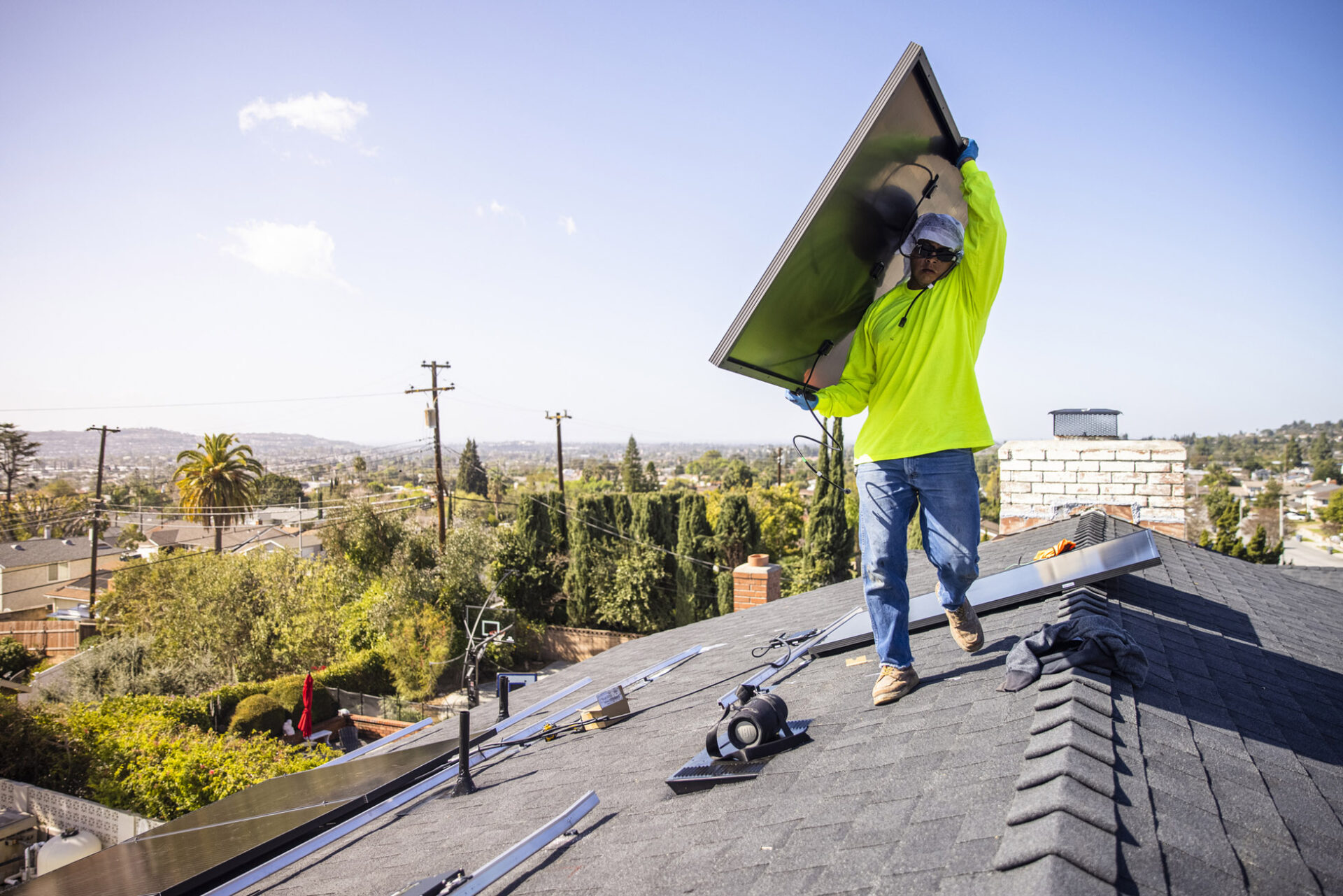
Photo: Adam Kaz
Global solar capacity is climbing fast — but before your panels can drink in the light, you need someone who can walk the roof. On July 28, a cohort of eight graduated from GRID Alternatives Bay Area’s Installation Basics Training 200 program: 200 hours of climbing ladders, wiring panels, and learning the muscle memory of solar installation.
Designed to create an efficient, equitable pathway into the solar industry, the GRID program comes with a stipend so participants can focus on learning without choosing between rent and a career. In a state where solar jobs are multiplying, these graduates are stepping into an industry that needs their skills yesterday.
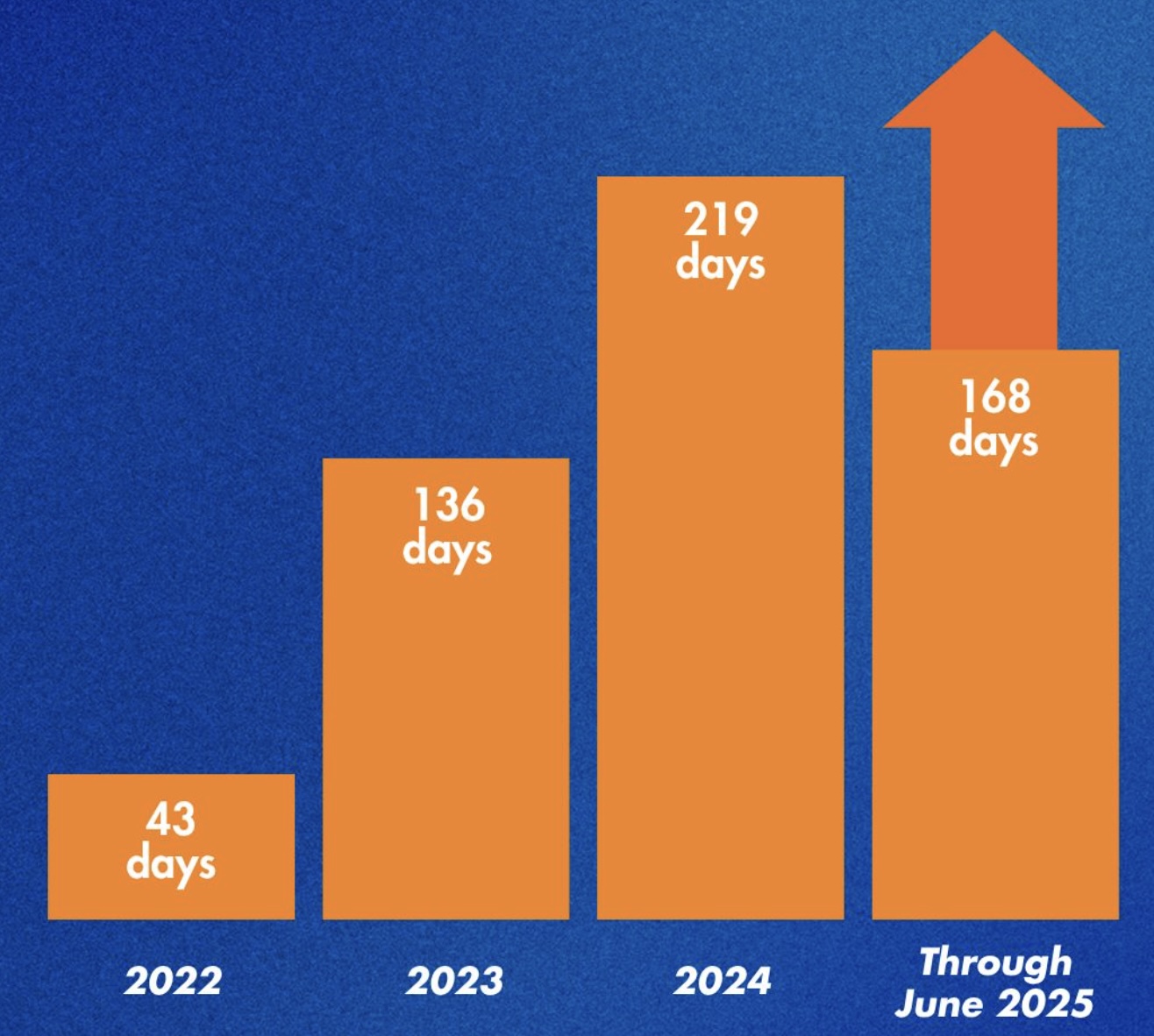
Number of days powered by clean energy in California. Source: State of California
Because there’s really good news: California’s appetite for sunlight has never been bigger. On May 25 of this year, renewables supplied more than 158% of the state’s electricity demand at peak. Batteries, once an optimistic footnote in energy planning, are now regular night-shift workers, often supplying the majority of after-dark power. Compared with two years ago, the state is burning 40% less natural gas for electricity. Despite the current federal push to squelch solar’s momentum, clean energy use is at an all-time high. Momentum is on the side of the sun.
Building the solar energy workforce and infrastructure can keep the curve bending toward clean power. The state’s solar farms — some of the largest in the world — hum across the desert, but the transformation is also nailed into the rafters of homes and businesses up and down the state. Programs like GRID’s help ensure the benefits of clean energy — lower bills, steadier work, cleaner air — reach more than just those who can already afford to play.
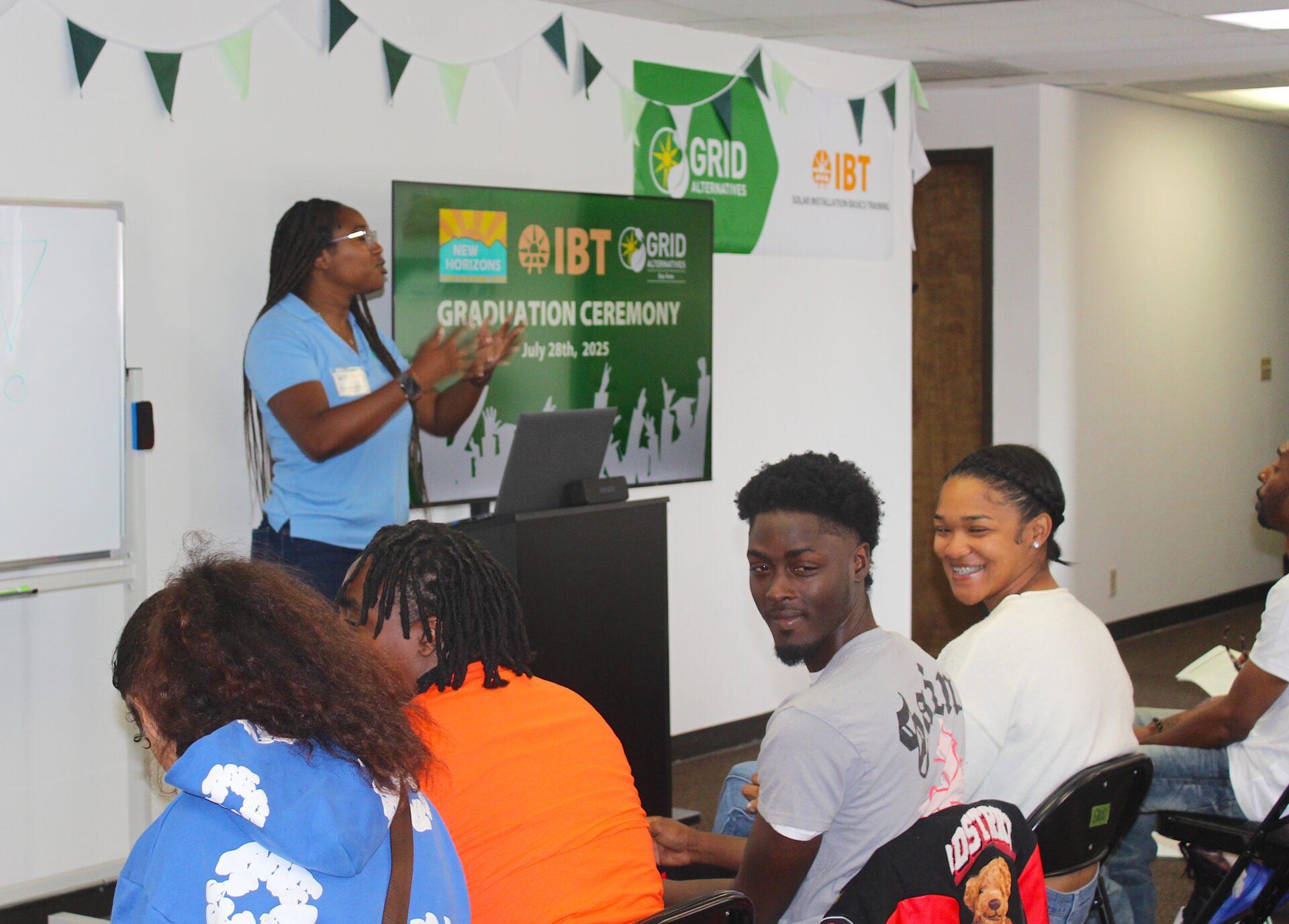
Graduates of a recent GRID program. Photo: GRID
Zoom out, and solar power is scaling worldwide at a pace that would’ve been unthinkable a decade ago. The planet now adds a gigawatt of solar (the output of a large coal plant) every 15 hours. Last year, 96% of the global demand for new electricity was met by renewables — and Texas is building renewable energy capacity faster than California. In some regions, the challenge is no longer whether solar can compete on cost, but whether storage and transmission can keep up with its growth.
Sunlight is abundant, but opportunities to harness it have to be built. That takes panels and permits, but also paychecks, safety harnesses, and the steady hands that bolt down each rooftop array. The sun has always been generous. Now California is finally meeting it, with both panels and people.
Other Recent Posts
Regional Housing Agency Invests in Affordability
The Bay Area Housing Finance Authority is launching a loan program to support the construction of mixed-income rental properties.
The End is Coming for California’s Untouchable Grass
The law, which applies to grass that isn’t used for recreational purposes, could cut urban water use across California by more than 20% says Oakland thinktank.
Sonoma Vineyard Workers Burn toward a Better Future
A group of immigrant farmworkers are forming a worker-owned cooperative to bring back Indigenous burning practices that used to revitalize the soil.
Los trabajadores de los viñedos de Sonoma queman por un futuro mejor
Un grupo de trabajadores agrícolas inmigrantes está formando una cooperativa de propiedad de los trabajadores para recuperar las prácticas indígenas de quema que solían revitalizar el suelo año tras año.
New Voices Shape Design of Berkeley’s North Basin Strip
Twenty acres of parkland between the highway and the Berkeley shore are slated for a coast-resilient makeover, with input from locals and stakeholders.
It’s Always Sunny In North Fair Oaks
Residents of the unincorporated community launched their second campaign in two years to get the county to care for dying street trees.
Siempre está soleado en North Fair Oaks
Los residentes de la comunidad no incorporada lanzaron su segunda campaña en dos años para lograr que el condado se ocupe de los árboles de la calle que se están muriendo.