



Stop Making Californians Pay for Corporate Pollution
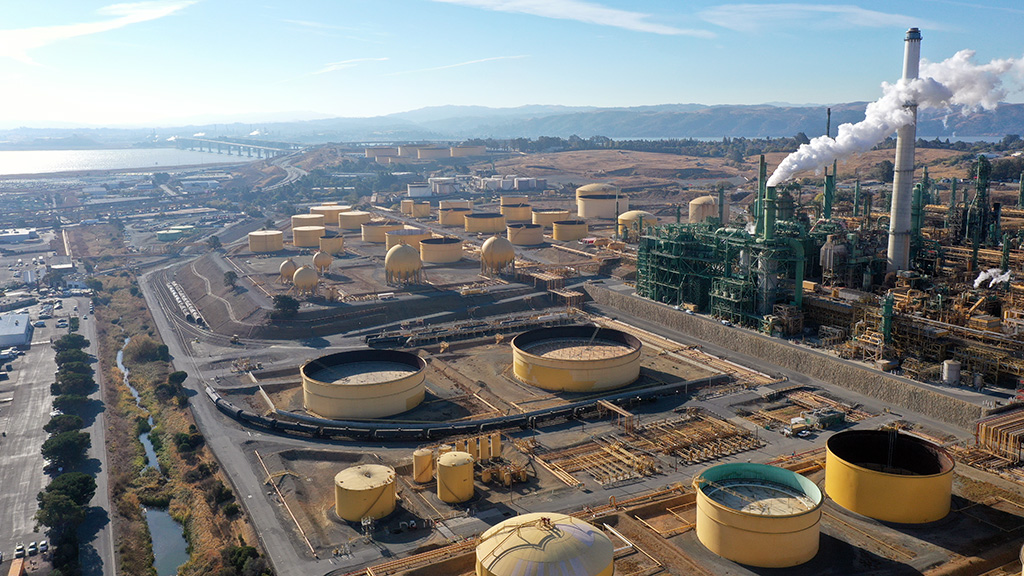
Valero refinery in Benicia. Photo: Baykeeper
Thick refinery air. Devastating wildfires. Skies choked with smoke. These are not distant headlines or rare disasters. They are everyday realities for many Californians living on the frontlines of pollution.
Every year, the costs of climate disasters keep piling up across California. Wildfires, extreme heat, and worsening air quality force communities to spend billions on emergency response, cleanup, health care, and rebuilding. Those costs don’t disappear once the smoke clears. They are pushed onto communities, draining public resources that could otherwise go toward schools, health care, and housing. In the meantime, fossil fuel companies continue to rake in enormous profits.
I was born and raised in Rodeo, a small East Bay refinery town where environmental health shaped everyday life. Growing up, the Phillips 66 refinery was part of my landscape. Its smokestacks towered over my neighborhood, and carrying an inhaler was a normal part of my childhood. Only later did I understand that our health was being treated as an acceptable cost of corporate profit. Communities like mine exist across California — they are far more likely to be located near refineries and other sources of industrial pollution. When wildfires burn, smoke and fine particles pile on top of existing pollution.
The 2020 wildfire season made this impossible to ignore. More than 4 million acres burned. Skies across the state turned orange. Millions of people were forced to breathe hazardous air for weeks. For frontline communities, it was a dangerous amplification of existing exposure. And once again, it was taxpayers and communities who paid the price, while fossil fuel corporations continued to profit.
For decades, fossil fuel companies have known that their products drive climate change and harm public health. They have funded disinformation, delayed solutions, and protected their profits while the damage has mounted. Today, Californians are left to foot the bill for disasters they did not cause.
It doesn’t have to be this way.
That’s why the call to Make Polluters Pay matters so deeply. The principle is simple: if corporations knowingly caused climate and health harms, they should help pay to repair them. Climate Superfund policies would shift the financial burden away from taxpayers and back onto the companies most responsible, funding critical investments like wildfire prevention, community resilience, clean air protections, and disaster recovery.
Through my work as an intern with San Francisco Bay Physicians for Social Responsibility, I have been helping lead a student sign-on effort supporting this campaign. Students across the Bay Area are demanding that lawmakers stop allowing fossil fuel companies to offload the cost of pollution onto the public while their profits keep climbing.
During the 2026 Make Polluters Pay Action Week a few months ago, I watched that student energy join a broader statewide movement. From Santa Barbara activists hanging banners over freeways, to town halls in Santa Cruz and community panels in Long Beach, Californians showed up in every corner of the state with a shared understanding: polluters should be held responsible for the harm they’ve caused.
Other states are already acting. Vermont and New York passed Climate Superfund laws in 2024, and more states are moving forward this year. As the world’s fifth-largest economy, California should not be left behind. Each year of delay shifts the costs of climate disasters onto working families and frontline communities, while the companies most responsible continue to profit.
California’s climate and health crises did not happen by accident. They are the result of decades of decisions made by powerful companies that prioritized profit over people. Make Polluters Pay is about correcting that imbalance. It is about ensuring that communities like the one I grew up in are no longer forced to breathe the consequences of corporate greed, while paying the price for the damage.
Other Recent Posts
Fire Weather in the Wind
As the hot Nevada air cools every fall, it gets pushed west to lower pressure areas over the Central Valley, where the wind heats up and dries out.
My Morning Cleaning Up the Oakland Estuary
On Oakland’s Creek to Bay Day, I joined 100 volunteers for I Heart Oakland-Alameda Estuary to remove shoreline trash.
RCDs Pay Extra Attention to North Bay High Schoolers
A $15,000 grant will help three North Bay conservation districts evaluate youth education programs and prepare high school students for environmental careers.
Creeks Make Good & Bad Homes
San Jose State researcher Costanza Rampini explores why the houseless favor creek banks, and how they weather the flood risk.
Bay Area Braces for Record-Breaking El Niño
Record high water temperatures in the Pacific are expected to bring dangerous sea level rise, waves, and rain to the region this winter.
Regional Housing Agency Invests in Affordability
The Bay Area Housing Finance Authority is launching a loan program to support the construction of mixed-income rental properties.
The End is Coming for California’s Untouchable Grass
The law, which applies to grass that isn’t used for recreational purposes, could cut urban water use across California by more than 20% says Oakland thinktank.