



Helping Farmworkers Navigate Ugly Weather and Raids
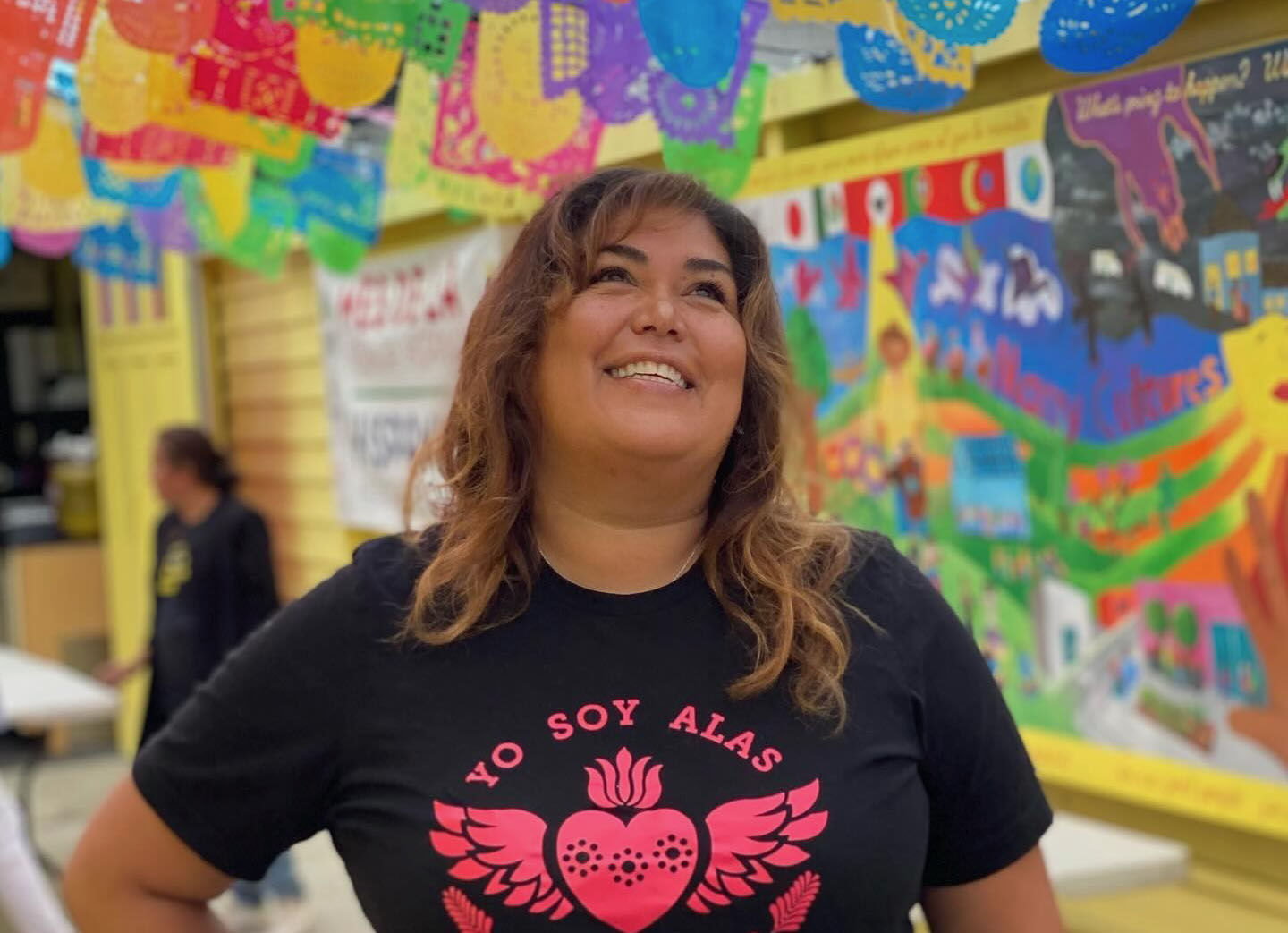
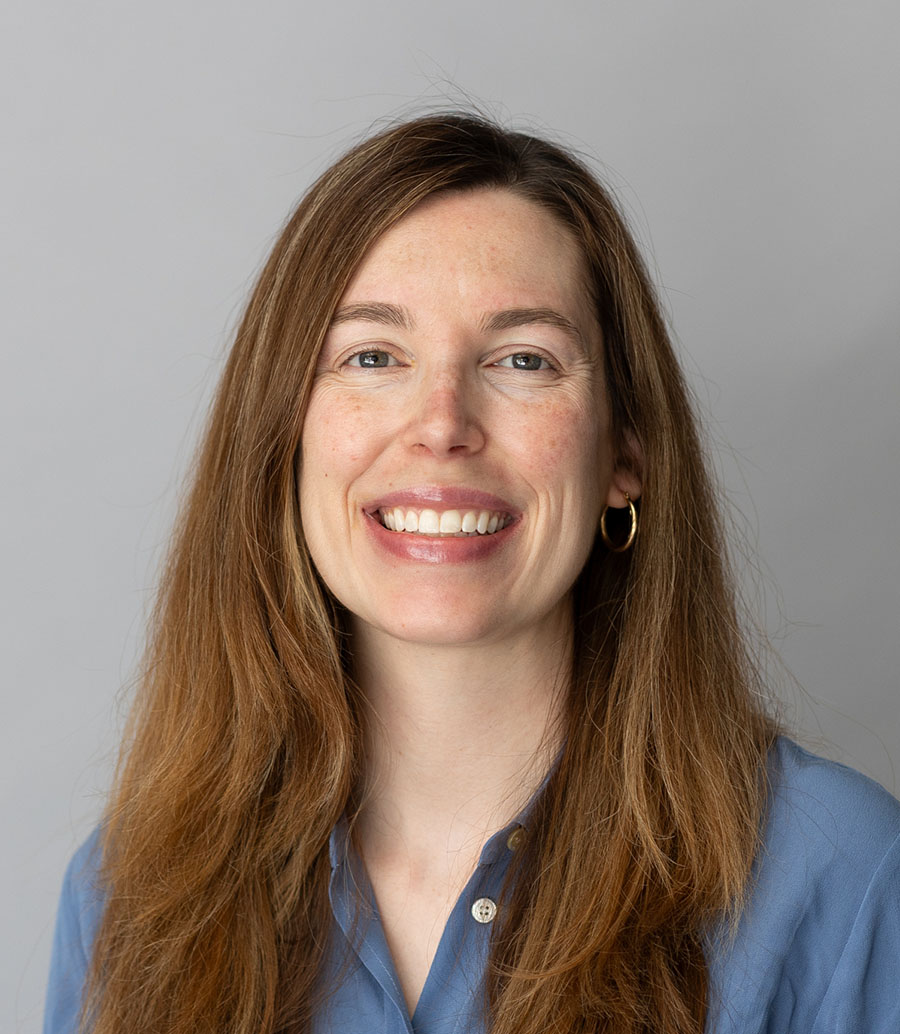
Belinda Hernandez-Arriaga. Photo: ALAS
Relentless misfortunes have impacted coastal farmworkers in recent years — climate change, the COVID-19 pandemic, a mass shooting at a mushroom farm with “deplorable living conditions,” and more.
That’s where leaders like Belinda Hernandez-Arriaga, executive director of ALAS (Ayudando Latinos A Soñar), are trying to fill gaps in health, immigration, and education services for Latinos in Half Moon Bay. The nonprofit’s Farmworker Equity Express Bus, a “mobile resource center,” brings Wi-Fi, nutrition services, tutoring, and counseling directly to workers in the fields.
Hernandez-Arriaga, who is originally from Texas and the granddaughter of a farmworker who hauled rice, is a trained social worker and professor. Her research focuses on cultural interventions to address trauma and farmworker mental health. She’s a member of Bay Area Border Relief and in the San Mateo County Women’s Hall of Fame. The county Board of Supervisors recently recognized her and ALAS for their work.
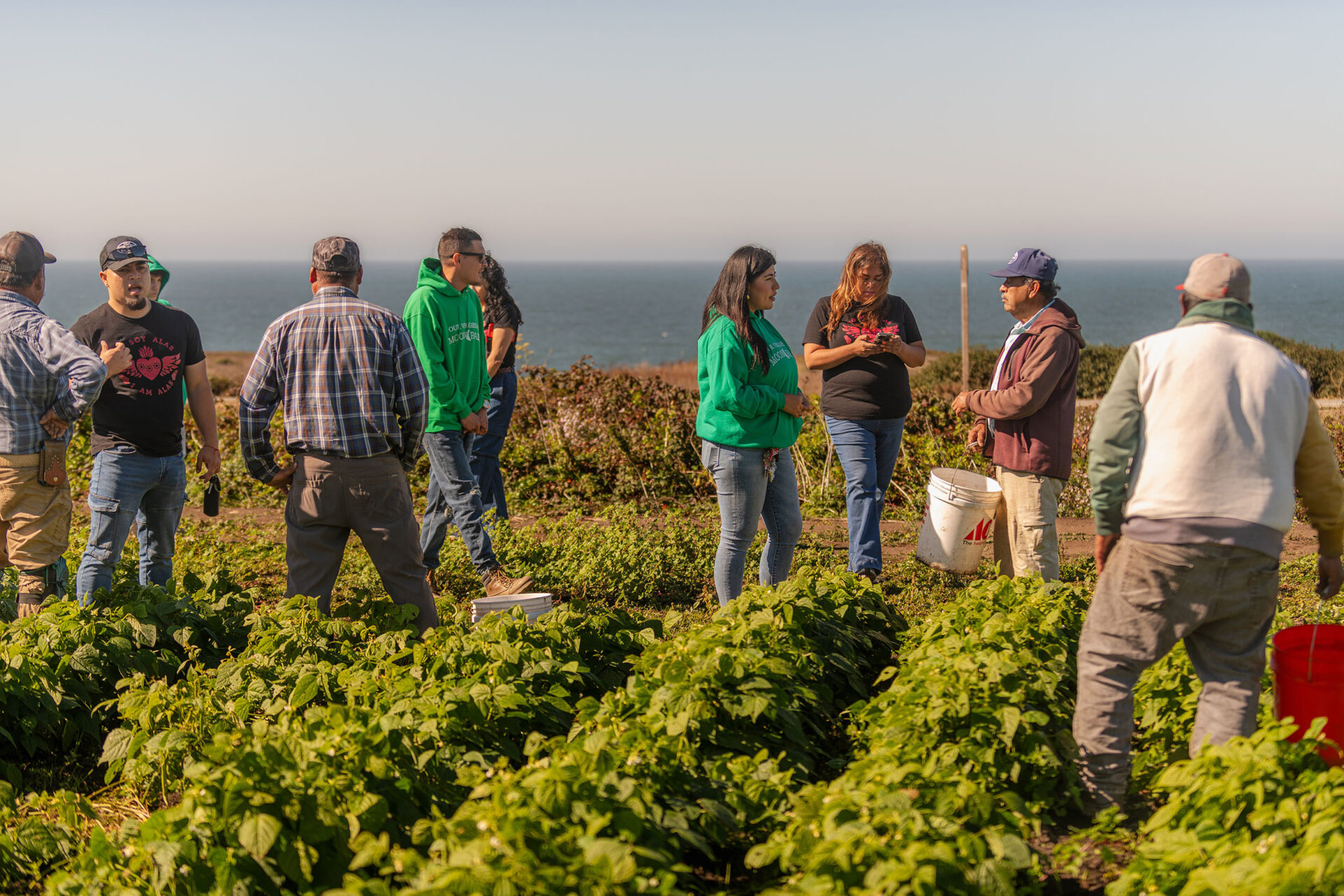
ALAS Farmworker Outreach Team in green hoodies bring food and resources to workers in the field on coastal farms. Photo: ALAS
Hernandez-Arriaga is currently responding to the most recent challenge for the community: the Trump administration’s mass deportation efforts. ALAS hired a security guard after receiving postcards saying “Have your bags packed — Trump’s coming!” Volunteers also noticed someone aggressively video-recording clients at ALAS headquarters.
In August, Hernandez-Arriaga spoke with KneeDeep about how her organization is addressing the difficulties these farmworkers face.
Q: How are farmworkers in coastal areas navigating ICE roundups?
So scared, so scared. The anxiety, the depression, the fear is real. Rounding up people in plain sight is making people physically and emotionally ill.
We’re definitely doing a lot more in the counseling mental health field. One of the things we believe is important in these areas is mobilizing the cultural arts as a centerpiece for healing — guitar classes, accordion classes, doing art, painting, singing, breaking bread.
Q: How have changing weather conditions on the coast affected farms?
Other Recent Posts
Regional Housing Agency Invests in Affordability
The Bay Area Housing Finance Authority is launching a loan program to support the construction of mixed-income rental properties.
The End is Coming for California’s Untouchable Grass
The law, which applies to grass that isn’t used for recreational purposes, could cut urban water use across California by more than 20% says Oakland thinktank.
Sonoma Vineyard Workers Burn toward a Better Future
A group of immigrant farmworkers are forming a worker-owned cooperative to bring back Indigenous burning practices that used to revitalize the soil.
Los trabajadores de los viñedos de Sonoma queman por un futuro mejor
Un grupo de trabajadores agrícolas inmigrantes está formando una cooperativa de propiedad de los trabajadores para recuperar las prácticas indígenas de quema que solían revitalizar el suelo año tras año.
New Voices Shape Design of Berkeley’s North Basin Strip
Twenty acres of parkland between the highway and the Berkeley shore are slated for a coast-resilient makeover, with input from locals and stakeholders.
It’s Always Sunny In North Fair Oaks
Residents of the unincorporated community launched their second campaign in two years to get the county to care for dying street trees.
Siempre está soleado en North Fair Oaks
Los residentes de la comunidad no incorporada lanzaron su segunda campaña en dos años para lograr que el condado se ocupe de los árboles de la calle que se están muriendo.
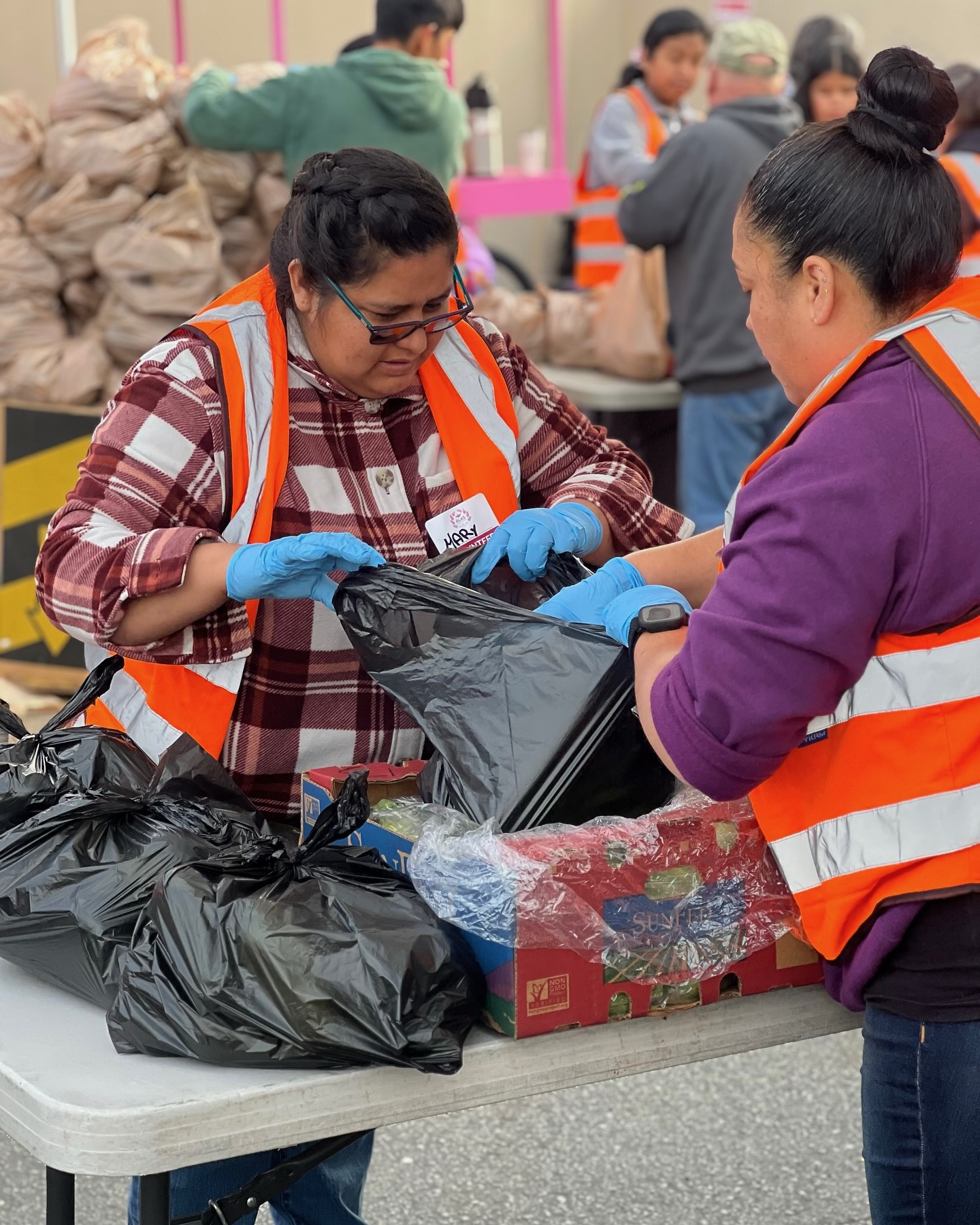
Prepping food to share with farmworkers. Photo: ALAS
Every year, we’ve seen different ways that climate change has an impact, but I’ve also seen how people don’t really think [about] how it affects our farmworkers. When it’s flooding, they don’t have income. Maybe they have a place to live, but they don’t have food [nor] access to basic needs.
We’ve been advocating for economic relief. Taking food to them has been a big change in our program, like taking fresh fruits and veggies, eggs and milk. Our farmworkers that grow our veggies are the same ones that we have to turn around and give food to. That’s so hard to take in.
Q: Is the dream of a better life in California still viable given our changing climate?
They’re out for days of work. They’ve lost wages. Crops are lost. Fires displaced folks. There’s no stipends or grants that come in during that time.
When COVID happened, we saw that there was economic relief, and how that really helped farmworkers.
People [farmworkers] don’t necessarily think about what they are doing to sustain themselves. That’s where our organizations, foundations, political leaders really can be at the forefront.
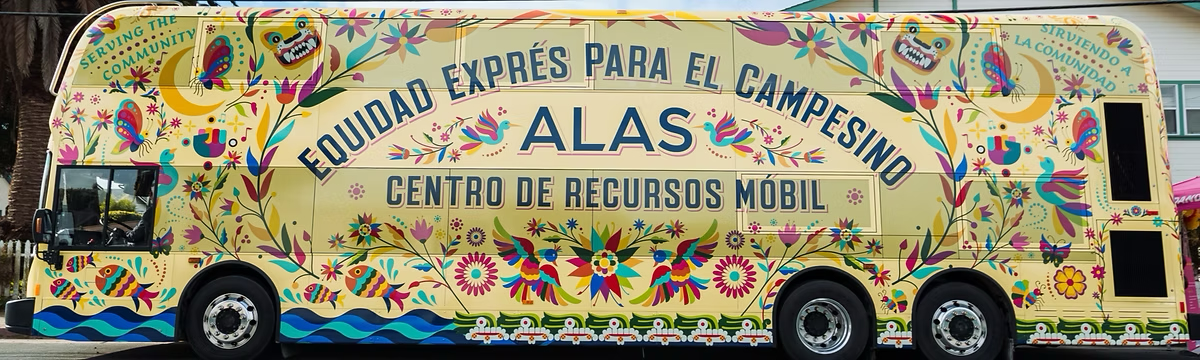
Photo: ALAS
Q: What motivates you to continue your work despite these challenges?
We’ve [gotten] letters from people cheering them [immigrants and farmworkers] on, saying, “Thank you. We appreciate you. We value you.” And for them, they see, “There’s people that really do care. We aren’t invisible.”
I’ll never forget [one worker] we were taking lunch to told me, “In 40 years, no one has ever given me so much as a bottle of water in the field.”
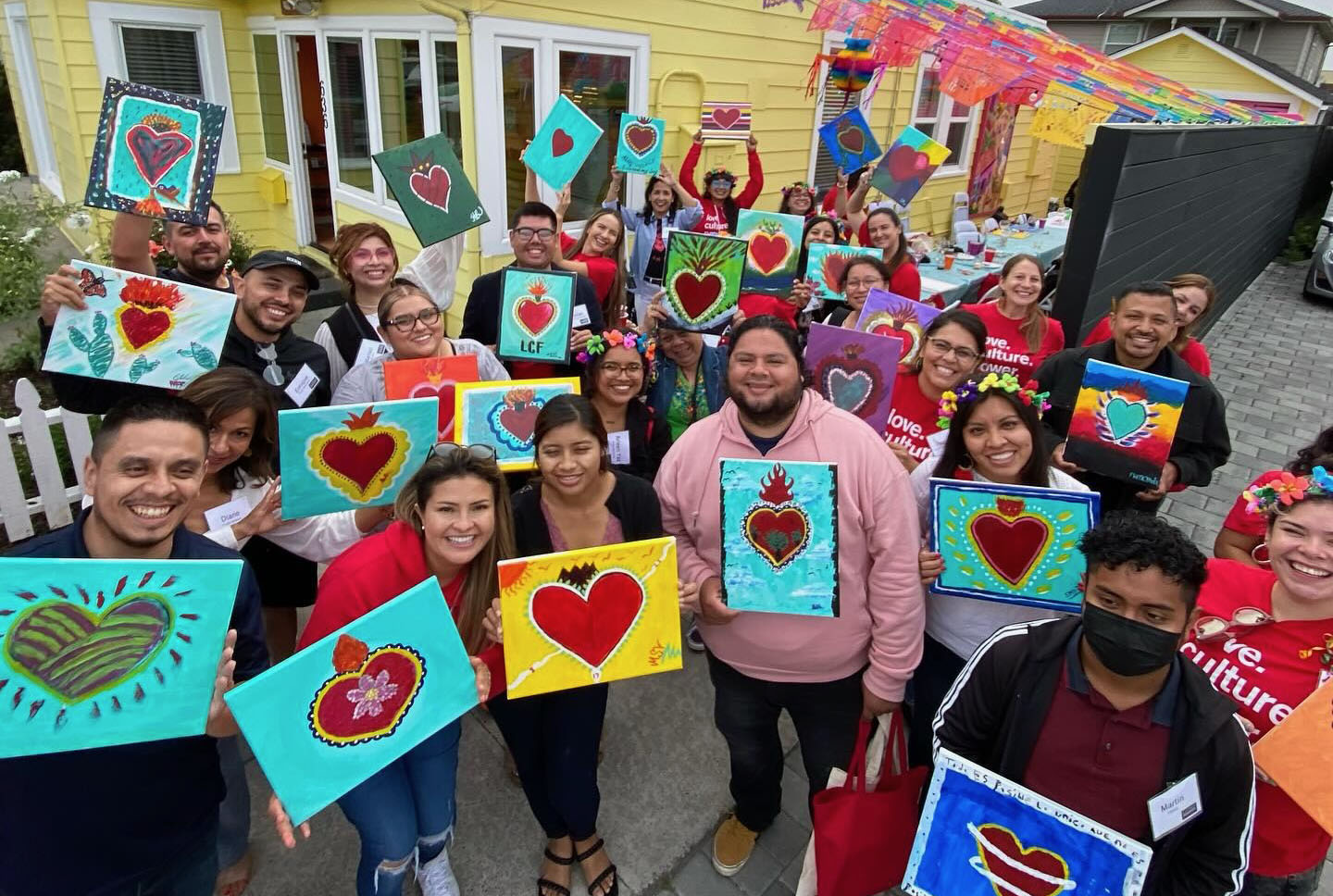
The community makes art to express attitudes about farmworkers. Photo: ALAS
How do you go in one moment in time from, “You’re a champion, a hero, you’re rallied around by our whole country,” and at another time it’s OK for them to be rounded up and running for their lives in the fields? They are doing work that many people would never do and never want to do. They do it because it gives them joy to know that other people are going to be able to eat because of them.
This interview was edited and condensed for clarity.