





Pros and Cons of Hydrogen in the Climate Space

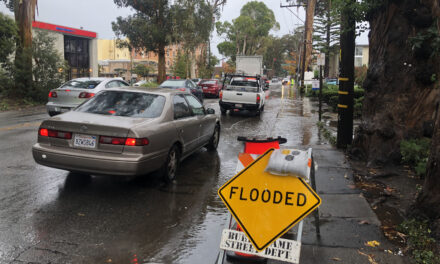
The region's new hydrogen-powered ferry. Photo: Switch Maritime
In California’s push for climate change solutions, hydrogen has become a key element: the gas is an energy carrier and can be used as fuel, replacing conventional gasoline and minimizing harmful emissions.
Aviation, industrial processes, and power generation are a few of the many business sectors making the switch to hydrogen as part of decarbonization efforts.
But despite ongoing growth in hydrogen use, it may not always be the answer to clean energy.
KneeDeep Times dug into the pros and cons of the hydrogen economy, including how it can benefit the environment and when it contributes to waste.
When is hydrogen fuel useful?
California’s transportation sector has been at the forefront of innovating with hydrogen power.
This summer in San Francisco, SWITCH Maritime, a company that develops zero-emission ferries powered by hydrogen fuel cells and batteries, launched its inaugural project, the Sea Change ferry. It is the first vessel of its kind in the United States, according to Elias Van Sickle, the company’s co-founder and chief operations officer.
“There are a select handful of other vessels that are similar, but we don’t have any backup diesel generators on our boat. So we are in a league of our own in that regard,” he says.
It is also the only vessel in the world with drinkable emissions.
“Because the fuel cells produce water as part of their ‘exhaust,’ passengers can actually drink the water,” Van Sickle adds. “It’s clean enough.”
Though Alex Jasset, energy justice director at Physicians for Social Responsibility in Los Angeles, is wary of hydrogen’s expanding role in energy transition, he agrees that running hydrogen through a fuel cell eliminates emission issues that would still be present if it was combusted like natural gas.
Hydrogen can also be a good solution if a sector can’t be easily electrified, says Jasset.
“Essentially, if there’s already an electric alternative, [I] would favor that,” he explains. “There are plenty of sectors — steel production is an example that comes to mind — that require very high heat to get to the level to produce steel. I don’t think we’re commercially at a level, right now, where we could just electrify that sector. So if, in the meantime, we can use hydrogen to offset some of the emissions from that sector, that’s a consideration.”
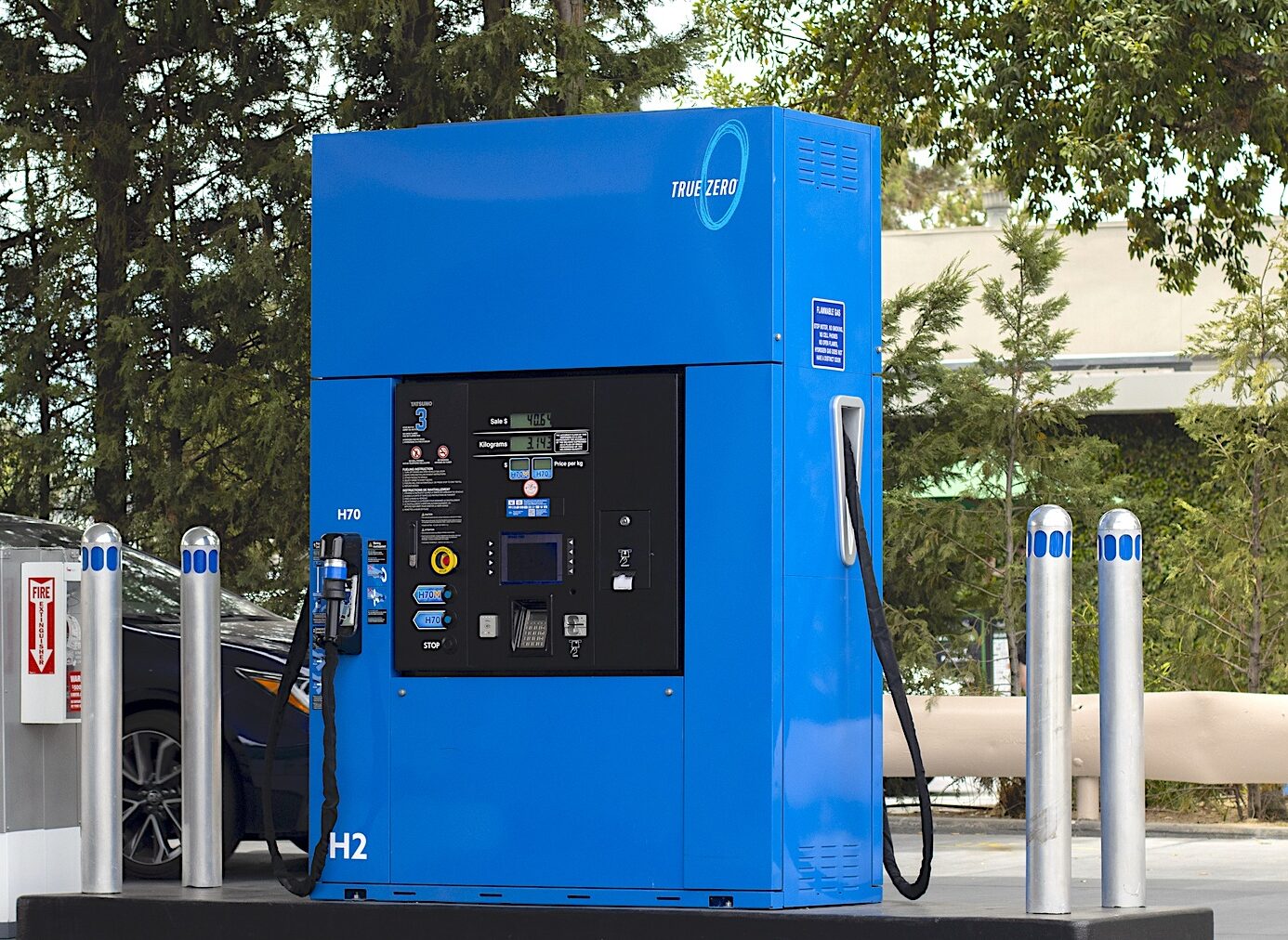
A hydrogen refueling pump at a Chevron gas station in Costa Mesa, California. Photo: I-Stock
Why isn’t hydrogen the perfect solution?
The way hydrogen is created affects its impact.
“You can make hydrogen from renewable energy, or you can make hydrogen from fossil fuels,” Jasset says. “And if you make hydrogen from fossil fuels, it’s actually worse for the environment than just burning the fossil fuels directly.”
According to Jasset, there are also other factors that could make hydrogen use problematic, such as: if it’s being produced “too far” from the usage site; if “all kinds of pipelines” or other infrastructure had to be built for delivery; and if the production site exacerbates environmental justice concerns.
“Those are all things I would ask about that unfortunately we don’t always know the answer to,” he says.
Because hydrogen use is a new technology, it lacks federal, state, and local guardrails and regulations to ensure a positive outcome against climate change.
Other Recent Posts
Fire Weather in the Wind
As the hot Nevada air cools every fall, it gets pushed west to lower pressure areas over the Central Valley, where the wind heats up and dries out.
My Morning Cleaning Up the Oakland Estuary
On Oakland’s Creek to Bay Day, I joined 100 volunteers for I Heart Oakland-Alameda Estuary to remove shoreline trash.
RCDs Pay Extra Attention to North Bay High Schoolers
A $13,500 grant will help three North Bay conservation districts evaluate youth education programs and prepare high school students for environmental careers.
Creeks Make Good & Bad Homes
San Jose State researcher Costanza Rampini explores why the houseless favor creek banks, and how they weather the flood risk.
Bay Area Braces for Record-Breaking El Niño
Record high water temperatures in the Pacific are expected to bring dangerous sea level rise, waves, and rain to the region this winter.
Regional Housing Agency Invests in Affordability
The Bay Area Housing Finance Authority is launching a loan program to support the construction of mixed-income rental properties.
The End is Coming for California’s Untouchable Grass
The law, which applies to grass that isn’t used for recreational purposes, could cut urban water use across California by more than 20% says Oakland thinktank.
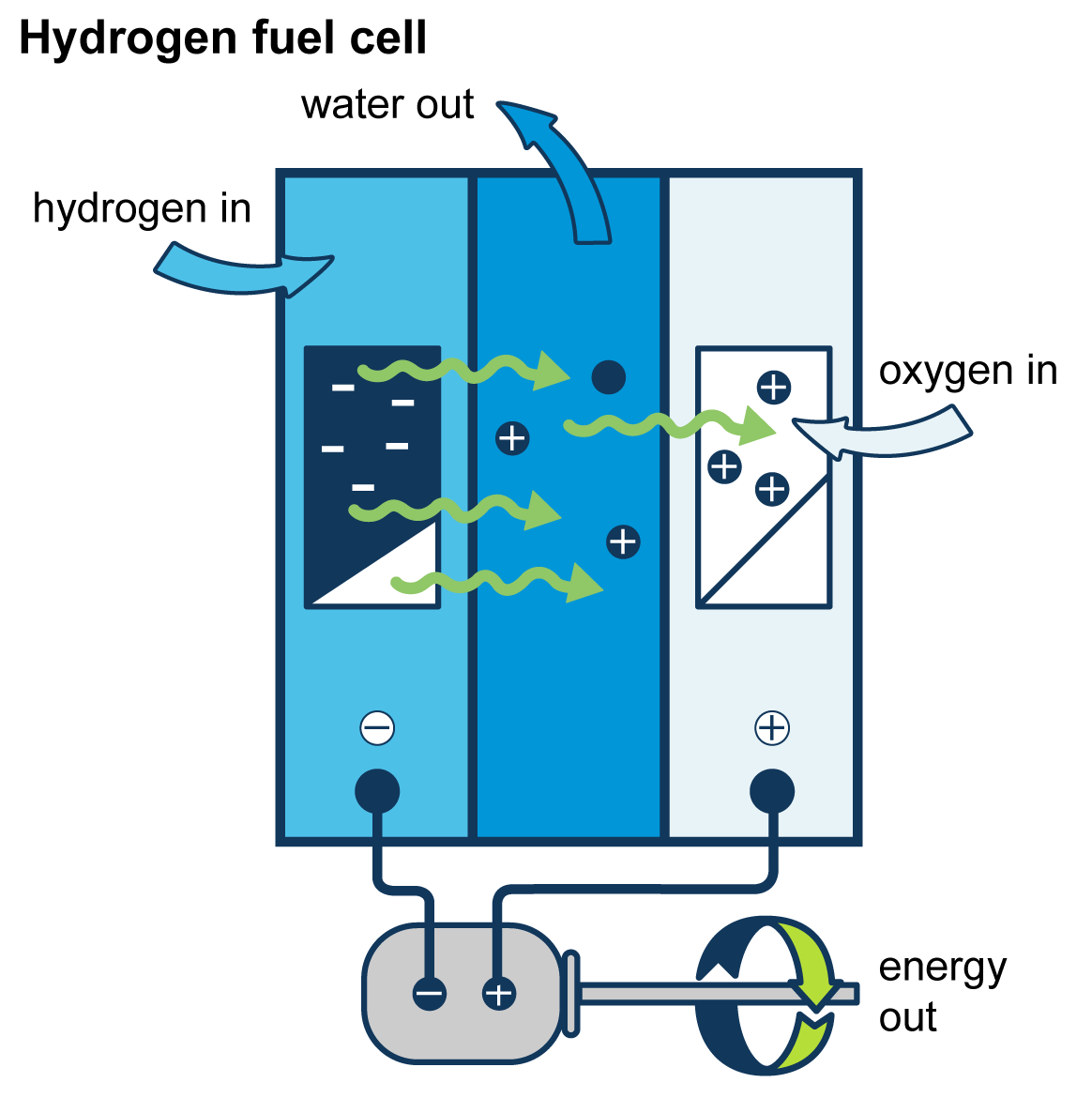
The inner workings of a hydrogen fuel cell. Source: National Energy Education Project
What’s driving the ‘hydrogen gold rush’?
Billions in federal funding, including through President Joe Biden’s Investing in America agenda and the Inflation Reduction Act, have incentivized hydrogen use across business sectors in recent months. In July, the U.S. Department of Energy signed a landmark $12.6 billion agreement to build a clean, renewable Hydrogen Hub in California.
Jasset believes this funding has fueled the extensive switch to hydrogen, or the “hydrogen gold rush,” without much investigation into whether it’s actually the best solution within a given sector.
“What [I] think would be a better approach is to really assess how much hydrogen would we need to meet our climate goals,” he says. “What is the best way to achieve our energy and climate and environmental justice goals? And then fund that accordingly, not chase this hydrogen funding because it’s available, regardless of whether the project makes sense.”