



Big Oil Cheats Generations
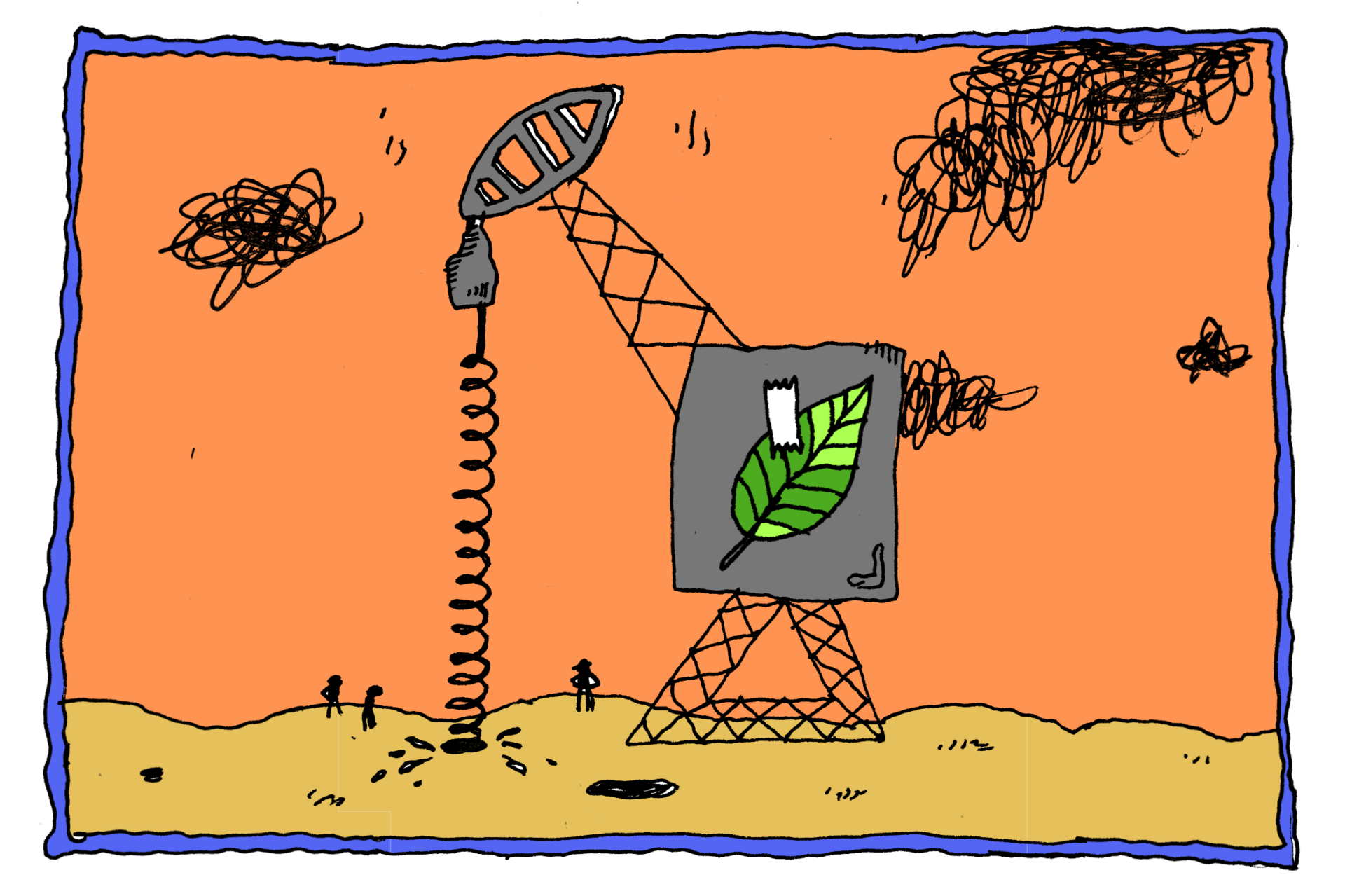
Did captains of the oil industry intentionally deceive and mislead the public as a strategy to sell fossil fuel-driven lifestyles to Americans? Leaders in Congress think so, and now they want oil barons to pay for allegedly compromising the health and safety of billions of people for their own financial gain.
“For more than half a century, Big Oil has misled the American public about its role in the climate crisis, doing everything in its power to keep the United States and the world dependent on its polluting products,” Democrats on the House Committee on Oversight and Accountability wrote in a 65-page report released in April.
Over the course of nearly three years, members of the House Oversight Committee compiled 280,000 documents showing a clear pattern of deception and obfuscation within the offices and email accounts of executives with major oil companies, including ExxonMobil, Chevron, Shell, and British Petroleum. The investigation also targeted the American Petroleum Institute and the United States Chamber of Commerce. According to the joint staff report, the findings show how the oil industry has strategically clouded the science on how fossil fuel use destabilizes the climate and has intentionally undermined efforts to wean the global economy off of fossil fuels.
The report tracks back decades and shows how the industry shifted over time from outright denial of climate science to a more nuanced strategy of publicly showing support for renewable energy while privately plotting to continue with business as usual.
It claims to demonstrate for the first time “that fossil fuel companies internally do not dispute that they have understood since at least the 1960s that burning fossil fuels causes climate change and then worked for decades to undermine public understanding of this fact and to deny the underlying science.”
Climate change activists are not surprised by the findings. In Richmond, Katt Ramos, a program director with Communities for a Better Environment, says the oil industry and other corporate interests promote “false solutions” to address energy, climate, and pollution problems, ultimately encouraging more extraction of energy resources and individual consumption.
“They know oil is taking a downturn, so they want to continue to profit and remain relevant by using our terminology and greenwashing their image,” Ramos says.
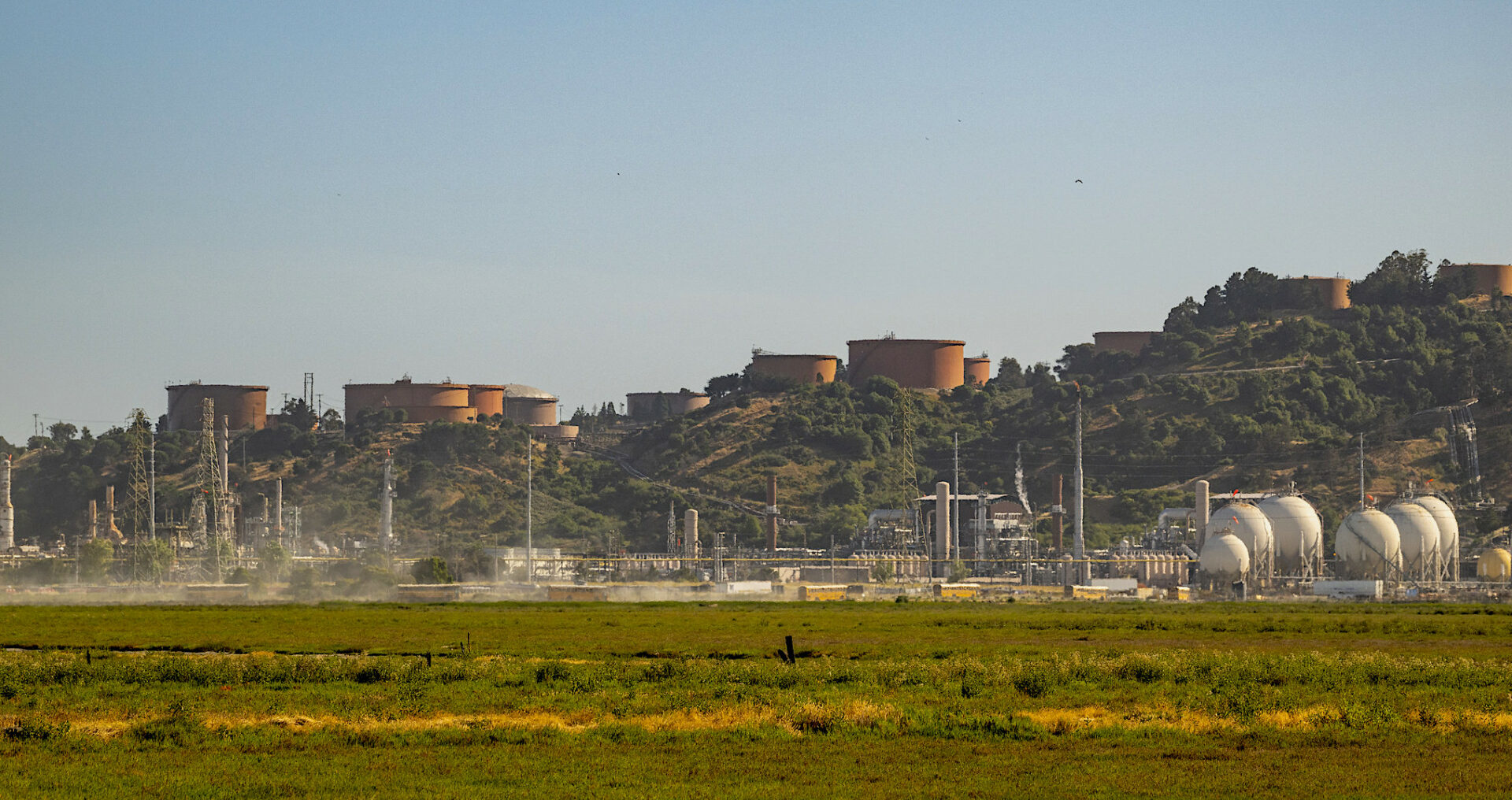
Chevron tanks in North Richmond. The local plant has declined to work with community partners and planners on joint flood protections necessary to combat sea level rise. Photo: Karl Nielsen
She says alternatives typically perceived as effective solutions, like the increased use of electric vehicles, can easily externalize environmental impacts and emissions if oil production continues and extraction of lithium and cobalt – necessary for EV battery production – ramp up in ways destructive to communities.
The House investigation began on September 16, 2021 when the Oversight Committee sent requests to officials with oil companies and the Chamber of Commerce asking them to turn over specific records and communications. The oil officials reportedly stalled, failed to meet a deadline, and ultimately handed over “trivial and publicly available materials such as press clippings, regulatory filings, and pages from the entities’ own websites,” the report explains. So, the investigators took things up a notch and subpoenaed all six parties—which still resulted in partial obfuscation and redacting of emails. Some 4,000 requested documents were either withheld or redacted.
The report concludes by declaring “[i]t is long past time to hold Big Oil accountable for its deception campaign and to take action to undo the harms it has perpetrated.”
Ramos believes accountability could come in the form of heavy taxes on oil companies that are used to pay for community improvements, with a focus on gardens, greenways, bikeways, and climate-friendly transportation upgrades. Such programs, she says, must be paired to a global decommissioning of fossil fuel production and military operations that take a staggering toll on the climate.
“Even if we have a perfectly built eco-village in Richmond, if the military still exists and the fossil fuel industry still exists, that is a very short-lived dream,” she says.
Other Recent Posts
Fire Weather in the Wind
As the hot Nevada air cools every fall, it gets pushed west to lower pressure areas over the Central Valley, where the wind heats up and dries out.
My Morning Cleaning Up the Oakland Estuary
On Oakland’s Creek to Bay Day, I joined 100 volunteers for I Heart Oakland-Alameda Estuary to remove shoreline trash.
RCDs Pay Extra Attention to North Bay High Schoolers
A $13,500 grant will help three North Bay conservation districts evaluate youth education programs and prepare high school students for environmental careers.
Creeks Make Good & Bad Homes
San Jose State researcher Costanza Rampini explores why the houseless favor creek banks, and how they weather the flood risk.
Bay Area Braces for Record-Breaking El Niño
Record high water temperatures in the Pacific are expected to bring dangerous sea level rise, waves, and rain to the region this winter.
Regional Housing Agency Invests in Affordability
The Bay Area Housing Finance Authority is launching a loan program to support the construction of mixed-income rental properties.
The End is Coming for California’s Untouchable Grass
The law, which applies to grass that isn’t used for recreational purposes, could cut urban water use across California by more than 20% says Oakland thinktank.
Sonoma Vineyard Workers Burn toward a Better Future
A group of immigrant farmworkers are forming a worker-owned cooperative to bring back Indigenous burning practices that used to revitalize the soil.
Los trabajadores de los viñedos de Sonoma queman por un futuro mejor
Un grupo de trabajadores agrícolas inmigrantes está formando una cooperativa de propiedad de los trabajadores para recuperar las prácticas indígenas de quema que solían revitalizar el suelo año tras año.
New Voices Shape Design of Berkeley’s North Basin Strip
Twenty acres of parkland between the highway and the Berkeley shore are slated for a coast-resilient makeover, with input from locals and stakeholders.