


Fast-Forward Fire
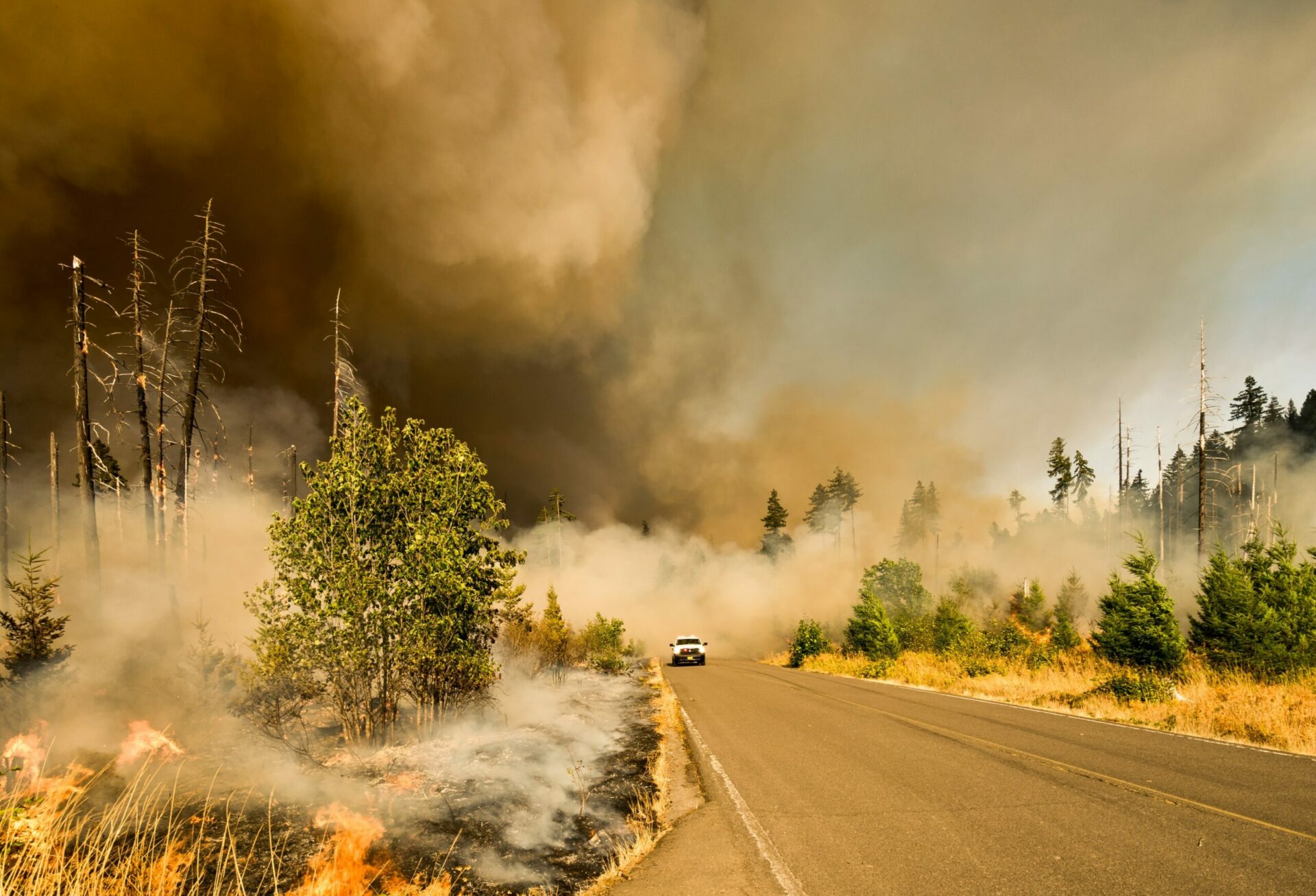
Over the past few years, California residents have had a front row seat to the effects of climate change. Seasonal wildfires are a fact of life here on the West Coast, but hot and dry conditions are turning them into catastrophic megafires: the seven largest fires in California history have all happened in the past five years.
A new study, published last month in Nature, substantiates these findings. Using machine learning, the Breakthrough Institute in Berkeley calculated that climate change has increased the risk of fast-spreading fires by 25% on average. Of the 18,000 California fires that occurred in 2003 to 2020, about 380 included a day where they grew by 10,000 acres – and most (though not all) of these extreme fires were exacerbated by human-caused climate change. There are critical thresholds that govern fire spread, and climate change carries the risk of tipping an otherwise humdrum fire into a veritable conflagration.
More specifically, the study states that climate change leads to hotter air and lower vapor pressure, which sucks the moisture out of plant matter and turns it into a highly flammable tinder. The Nature study corroborates earlier research: a 2019 analysis of fire data states that vapor pressure deficit (a metric of how much liquid the atmosphere pulls out of burnable material) is exponentially related to summer fire risk, and is “the clearest link between anthropogenic climate change and increased California wildfire activity to date.”
Some bad news: the Breakthrough Institute study found that even if global emissions are reduced quickly and decisively, global temperatures and fire risk will continue to rise. Without careful mitigation, the number of fast-growing fires could almost double by the end of the century. On the bright side, however, the study’s lead author Patrick Brown says that this risk can be almost entirely offset by careful fire management.
Though it’s too late to reverse climate change, fire experts agree that strategies like prescribed fire are effective in reducing spread. And it’s important to remember that humans affect fire risk directly: 80% of all U.S. fires are ignited by humans, and human homes in wildfire areas often act as fire fuel. Max Moritz, a fire expert at UC Santa Barbara, claims that zoning laws to reduce housing density could be a key lever in mitigating fire damage: “The strength of housing density on fire activity rivals the strength of climate variables in some parts of California. We have to be more holistic in our understanding of risk – to look at the human side as well.”
Other Recent Posts
Fire Weather in the Wind
As the hot Nevada air cools every fall, it gets pushed west to lower pressure areas over the Central Valley, where the wind heats up and dries out.
My Morning Cleaning Up the Oakland Estuary
On Oakland’s Creek to Bay Day, I joined 100 volunteers for I Heart Oakland-Alameda Estuary to remove shoreline trash.
RCDs Pay Extra Attention to North Bay High Schoolers
A $15,000 grant will help three North Bay conservation districts evaluate youth education programs and prepare high school students for environmental careers.
Creeks Make Good & Bad Homes
San Jose State researcher Costanza Rampini explores why the houseless favor creek banks, and how they weather the flood risk.
Bay Area Braces for Record-Breaking El Niño
Record high water temperatures in the Pacific are expected to bring dangerous sea level rise, waves, and rain to the region this winter.
Regional Housing Agency Invests in Affordability
The Bay Area Housing Finance Authority is launching a loan program to support the construction of mixed-income rental properties.
The End is Coming for California’s Untouchable Grass
The law, which applies to grass that isn’t used for recreational purposes, could cut urban water use across California by more than 20% says Oakland thinktank.
Sonoma Vineyard Workers Burn toward a Better Future
A group of immigrant farmworkers are forming a worker-owned cooperative to bring back Indigenous burning practices that used to revitalize the soil.
Los trabajadores de los viñedos de Sonoma queman por un futuro mejor
Un grupo de trabajadores agrícolas inmigrantes está formando una cooperativa de propiedad de los trabajadores para recuperar las prácticas indígenas de quema que solían revitalizar el suelo año tras año.
New Voices Shape Design of Berkeley’s North Basin Strip
Twenty acres of parkland between the highway and the Berkeley shore are slated for a coast-resilient makeover, with input from locals and stakeholders.