


Six Months on the Community Reporting Beat
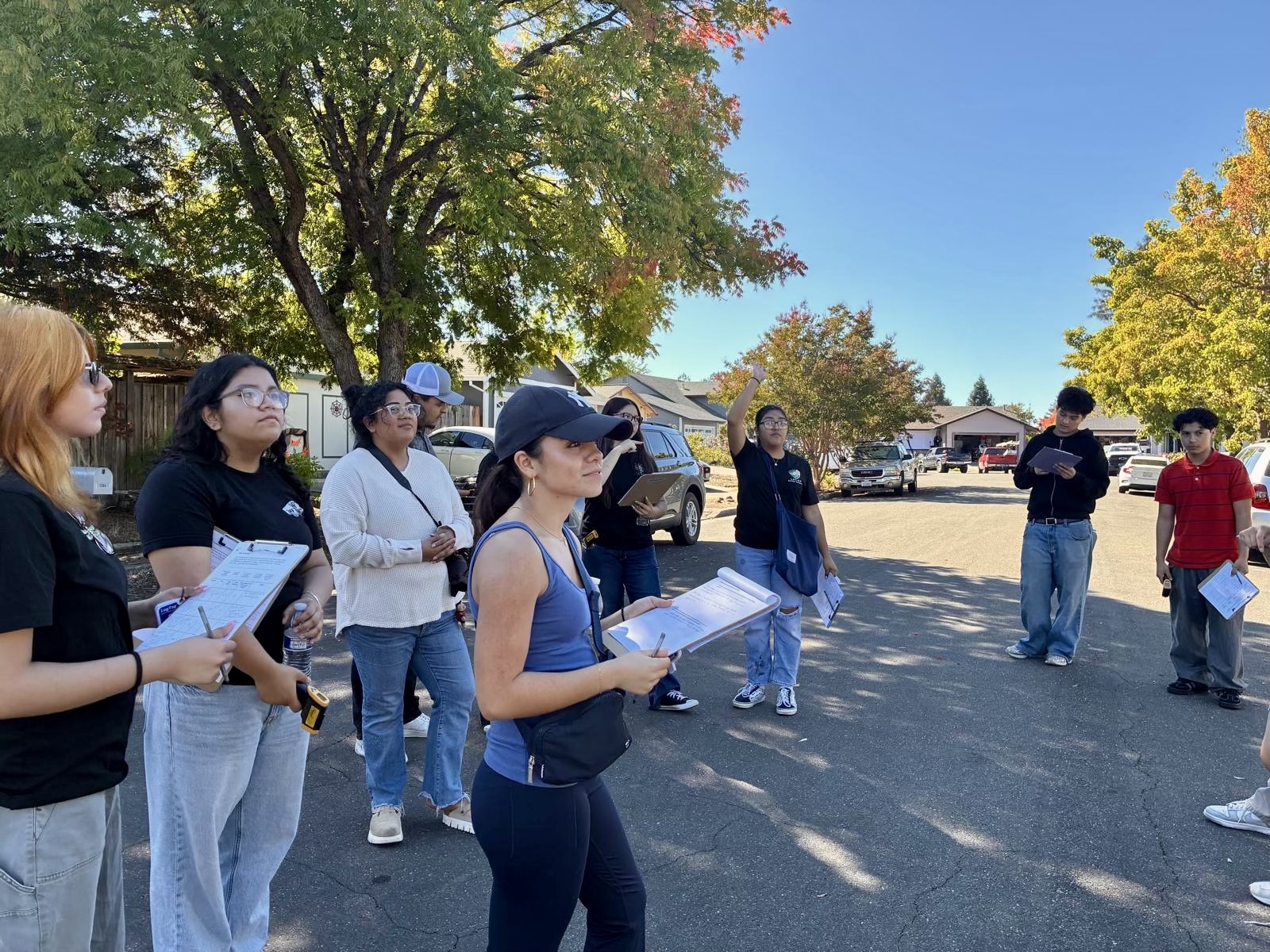
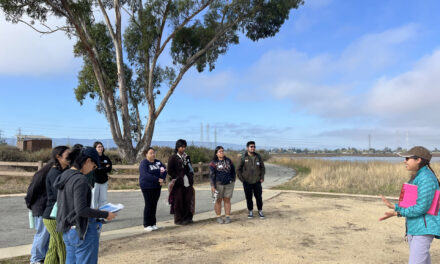
A youth advisory team profiled by community reporting fellow Amy Moore. Photo: Amy Moore
Last summer, KneeDeep Times launched a pilot Community Reporting Network with a grant from the CO2 Foundation.
“We’ve long reported stories interesting to insiders in the climate adaptation and environmental justice field, but we wanted to connect more with our neighbors and communities challenged by fires, floods, and really bad weather,” says editor Ariel Rubissow Okamoto.
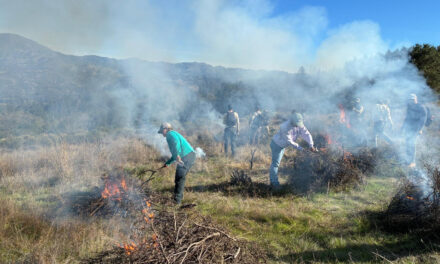
As part of the network, the magazine recruited four community college journalism students as reporting fellows for the fall 2025 semester. The students, Amy Moore from Santa Rosa Junior College, Tristan Moore and Gracebelle Ma’ake from Diablo Valley College, and Rain Hepting from Las Positas College, produced eight stories between September 2025 and January 2026 under the leadership of community editor Rose Garrett. Topics covered ranged from learning how to do a prescribed burn in Sonoma and detailing PFAS contamination in the Tri-Valley area to a profile of a Martinez resident battling bad air and a progress report on creating a pollinator garden in a Concord church yard. Formats ranged from text to photojournalism to comic strip.
Other Recent Posts
Fire Weather in the Wind
As the hot Nevada air cools every fall, it gets pushed west to lower pressure areas over the Central Valley, where the wind heats up and dries out.
My Morning Cleaning Up the Oakland Estuary
On Oakland’s Creek to Bay Day, I joined 100 volunteers for I Heart Oakland-Alameda Estuary to remove shoreline trash.
RCDs Pay Extra Attention to North Bay High Schoolers
A $15,000 grant will help three North Bay conservation districts evaluate youth education programs and prepare high school students for environmental careers.
Creeks Make Good & Bad Homes
San Jose State researcher Costanza Rampini explores why the houseless favor creek banks, and how they weather the flood risk.
Bay Area Braces for Record-Breaking El Niño
Record high water temperatures in the Pacific are expected to bring dangerous sea level rise, waves, and rain to the region this winter.
Regional Housing Agency Invests in Affordability
The Bay Area Housing Finance Authority is launching a loan program to support the construction of mixed-income rental properties.
The End is Coming for California’s Untouchable Grass
The law, which applies to grass that isn’t used for recreational purposes, could cut urban water use across California by more than 20% says Oakland thinktank.

L-R: Tristan Moore, Rain Hepting, Amy Moore, Gracebelle Ma'ake.
“I’ve learned so much more about how to craft an article, especially a climate-related article. You guys have given me so many incredible resources. … I feel like I have a way better understanding of what ‘climate resilience’ is now,” says Tristan Moore.
“I like the local focus because it’s encouraged me to connect with and learn about environmental issues in my immediate area that I otherwise may not have had a reason to look into,” adds Hepting.
In the spring, KneeDeep will work with three new community reporting fellows from high schools in Fairfield and Newark.
This January, a new editorial team also rolled out a pilot version of a newsletter called KneeDeep With Neighbors, which also publishes in Spanish as KneeDeep con vecinos. This will post a few times this spring — between releases, you can also see more content and send us your own questions and ideas through our new Facebook group and WhatsApp channel.
Congrats to our first group of fellows, and thank you for your contributions to the magazine!
MORE
To share your ideas for community reporting or to join our network, email us.