



Threatened by Trump’s Policies, GreenLatinos Refuses to Back Down
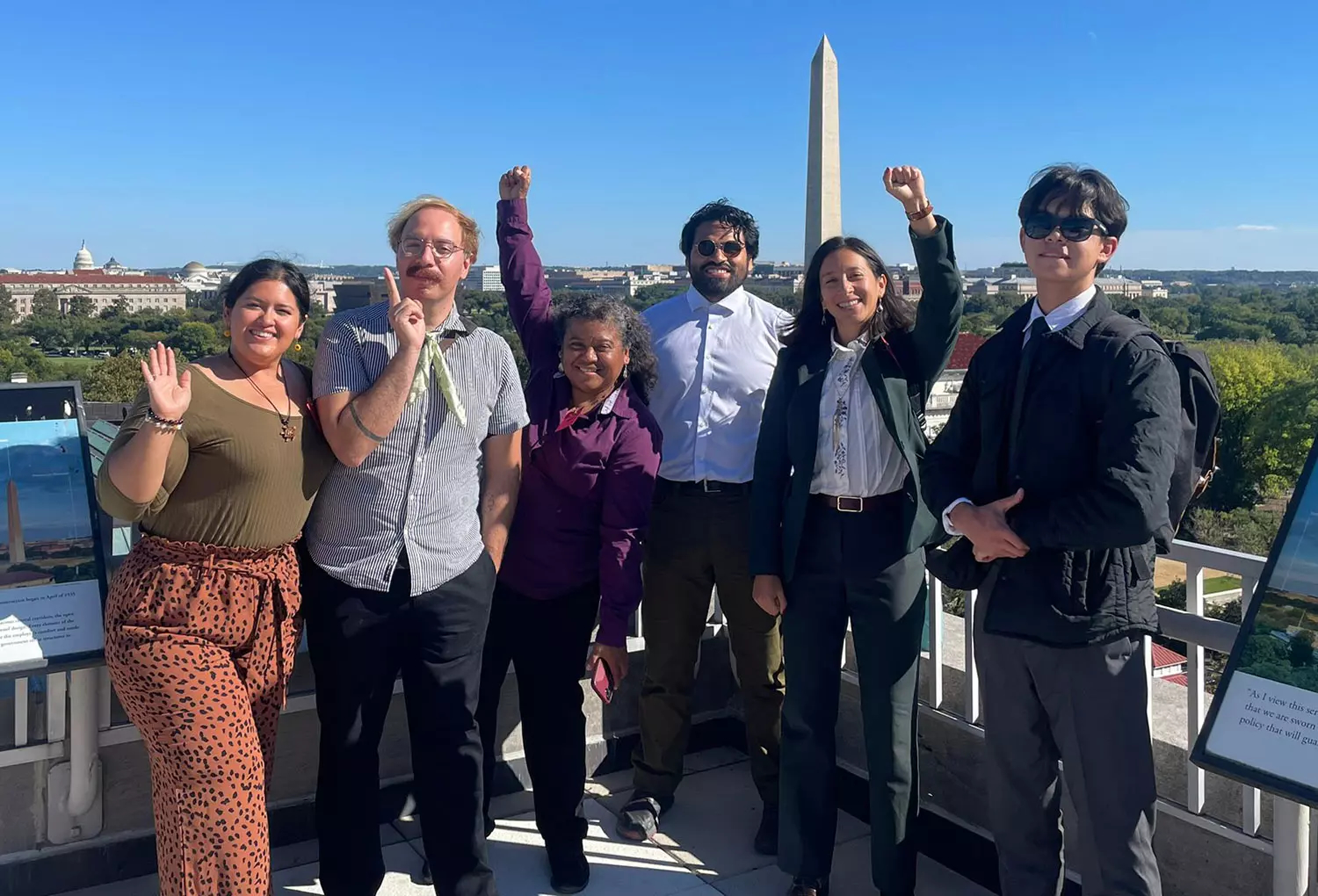
GreenLatinos was founded in 2012 by Latino civil rights leader Mark Magaña to give the Latino community a bigger voice in addressing climate change. This national nonprofit convenes Latino leaders and communities advancing environmental justice, climate action, and access to clean air, clean water, and public lands.
“We’re fighting for environmental freedom,” says the organization’s Camila Cáceres. “We all breathe the same oxygen, we all depend on the water. It really is about the freedom of all people to make sure we have a healthy planet.”
But it was the Latino community’s frontline work in harvesting food from both the ocean and the land that drew Cáceres to the organization. In her role as Water Equity and Ocean Advocate, Cáceres champions clean water rights and campaigns for government policies that address pollution in Latino communities (including a collaboration with Un Mar De Colores in California’s Tijuana River Valley).
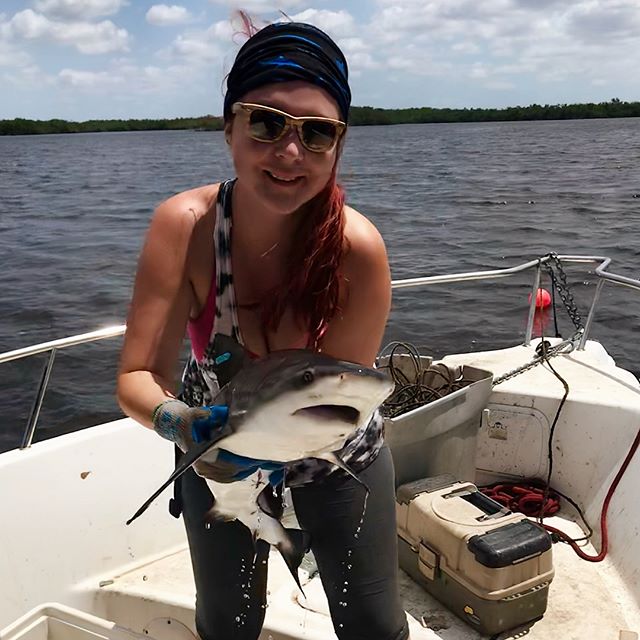
Cáceres, about to release a juvenile bull shark after taking a quick sample of blood and tissue. She's concerned about the impacts of the SHARKED Act making its way through Congress.
Other Recent Posts
Fire Weather in the Wind
As the hot Nevada air cools every fall, it gets pushed west to lower pressure areas over the Central Valley, where the wind heats up and dries out.
My Morning Cleaning Up the Oakland Estuary
On Oakland’s Creek to Bay Day, I joined 100 volunteers for I Heart Oakland-Alameda Estuary to remove shoreline trash.
RCDs Pay Extra Attention to North Bay High Schoolers
A $15,000 grant will help three North Bay conservation districts evaluate youth education programs and prepare high school students for environmental careers.
Creeks Make Good & Bad Homes
San Jose State researcher Costanza Rampini explores why the houseless favor creek banks, and how they weather the flood risk.
Bay Area Braces for Record-Breaking El Niño
Record high water temperatures in the Pacific are expected to bring dangerous sea level rise, waves, and rain to the region this winter.
Regional Housing Agency Invests in Affordability
The Bay Area Housing Finance Authority is launching a loan program to support the construction of mixed-income rental properties.
The End is Coming for California’s Untouchable Grass
The law, which applies to grass that isn’t used for recreational purposes, could cut urban water use across California by more than 20% says Oakland thinktank.
Cáceres is also a shark expert. A marine biologist with a PhD in shark fishery, she works with fishing communities — advocating for, and explaining, shark’s central role in the ocean ecosystem. Cáceres is gravely concerned about the ocean’s vulnerability to climate change: “This idea that the ocean is infinite keeps us from focusing on it as an exhaustible resource.”
Another thing that is disrupting the organization’s focus on critical issues is politics. “ICE raids have impacted our work in every possible way,” Cáceres says, noting that fear keeps Latinos away from town hall meetings and GreenLatinos rallies, just as fear disrupts their daily lives.
Undaunted by the Trump administration’s anti-immigrant and environmentally destructive policies, Cáceres is in good company. Representing some 2,000 GreenLatinos members in the Bay Area alone, California State Program Manager Pedro Hernandez echoes her passion.
“There have undoubtedly been ebbs and flows in Latino community activism stemming from the impacts of ICE raids,” he says. “But our community is now more organized, more skilled, more adept at digital mobilization, and larger than ever.”