


Scenes from a PG&E ‘Peak Day Event’ Around the Bay
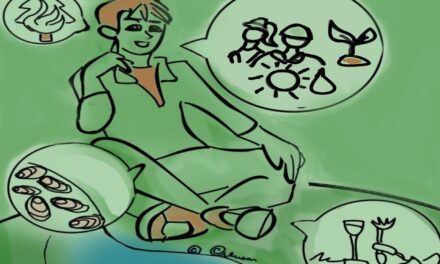
Art: Liana Finck
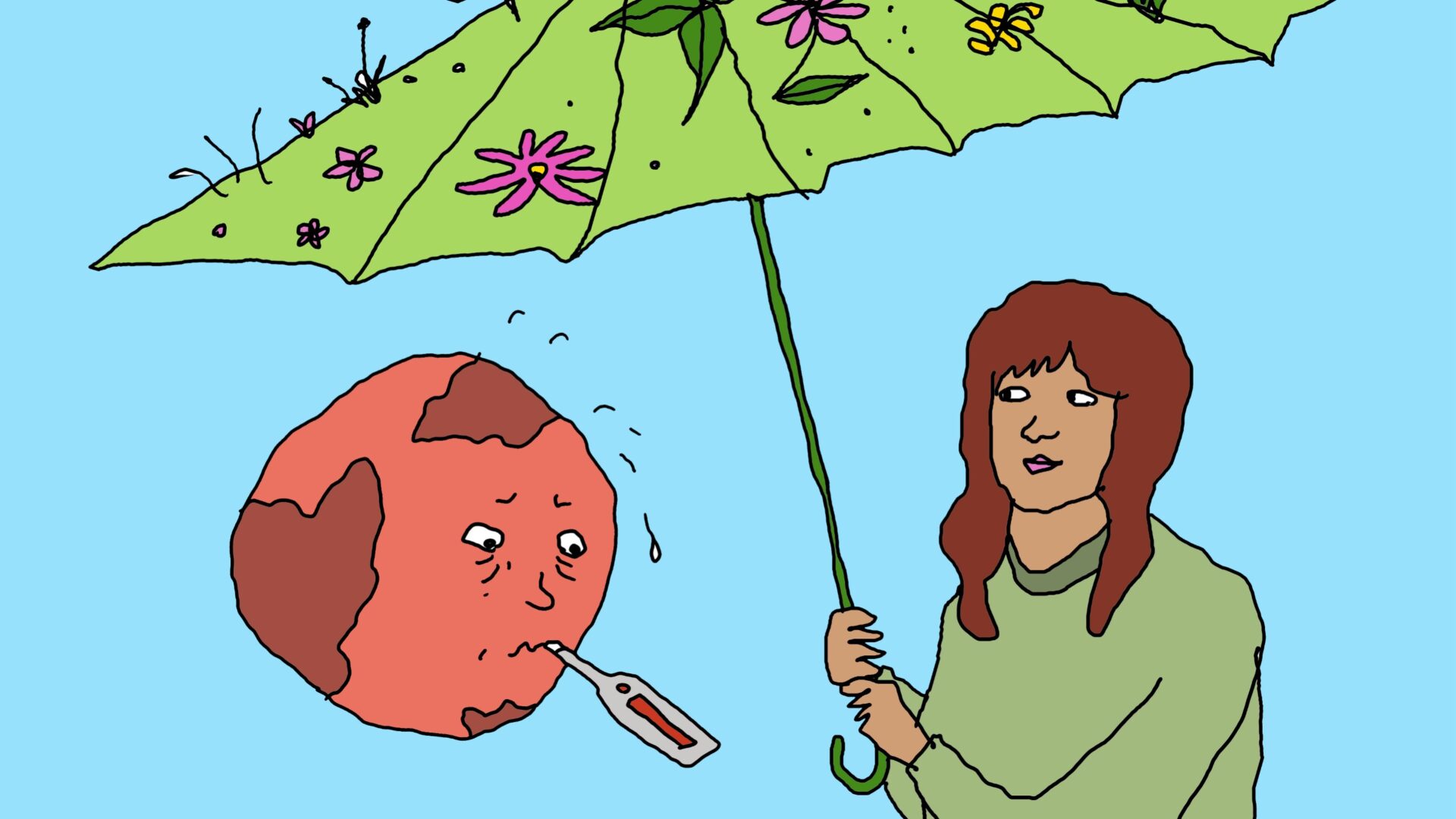
On Wednesday, Sept. 17, PG&E customers around the Bay Area received a “Peak Day Event” alert, designed to encourage residents to reduce their energy usage. It was the third day of a heat wave that saw temperatures ranging from the high 60s at the coast to nearing 100 degrees inland. Peak Day Events, according to PG&E, can help prevent power outages when local demand for energy is high due to hot weather.
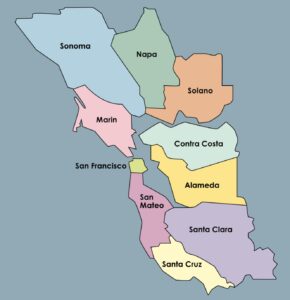
With more heat on the way this week, we were curious how people in different locations experienced the heat and responded to PG&E’s messaging. Here’s a snapshot from around the Bay, provided by some of KneeDeep’s reporters and community members.
My household is enrolled in Sonoma Clean Power’s GridSavvy Rewards program, which means that every time one of these alerts is issued, we can save extra money by saving power. We usually receive a day of advance warning, and I add an item titled “save power” to my calendar for the corresponding hours so that I remember. In practice, however, we typically don’t make any major changes, since we are already enrolled in PG&E’s time-of-use pricing—which means every day from 4-9 p.m. we avoid running any major appliances in order to avoid paying more for electricity. Since the peak demand events always fall within this window, we don’t have to do much differently. If anything, I’ll be even more careful about leaving lights on or using the oven or microwave for dinner. Throughout the time we’ve been participating in GridSavvy Rewards, we’ve definitely saved energy relative to baseline evening hours—though I’m not sure how much money we’ve earned.
— Nate Seltenrich, Sonoma
At 5:21 p.m., it’s 89 degrees Fahrenheit in Santa Rosa. I remind my husband about the Peak Day Alert, and he rushes to get his clothes into the dryer. I wish we’d planned ahead and hung the clothes out to dry in the sun, but with two busy schedules, kids to pick up from school, and dinner to get on the table, we didn’t make it happen today. I feel slightly guilty about wasting the sun’s amazing clothes-drying powers.
At 6 p.m., it’s 87 degrees. We don’t have air conditioning, so we eat dinner outside where it’s breezy, but a trio of yellowjackets quickly forces us back inside. I open up all the screen doors and windows that have been closed since around 10am this morning, part of our hot day strategy to keep the house cool, and turn on our ceiling fans.
At 8 p.m., it’s still 80 degrees, dropping to 75 degrees at 9 p.m. It’s comfortable in the house by the time we go to bed, so long as we stay disciplined about opening and closing the house up at the right times. I start the dishwasher and make a mental note to run the washing machine in the morning. Maybe tomorrow I’ll be able to line-dry in the sun.
— Rose Garrett, Santa Rosa
PG&E’s Peak Day Events may very well be a way to conserve energy, a solution for preventing blackouts, and they seemingly offer financial incentives for those who can grin and bear the heat. However, it often places an unfair and unspoken burden on families like mine. Not only am I a freelance content writer, but I am also a caregiver for five people—two of whom are medically fragile. The 98 degree heat in Sacramento without air conditioning would make our health circumstances grim, to say the least. My work from home requires me to be on the computer all day, so I chuckled when thinking of our household health and work needs summarized in our monthly statement as “high usage.” It occurred to me that as a BIPOC family, the last thing we need is another negative label. In addition to the stereotypes of low-income, medically fragile, and disenfranchised, now we can add “high usage” into the mix. The nuanced ways that Peak Day Events affect us and possibly the way we perceive ourselves through the PG&E lens are all systemic, as PG&E greenwashes its environmental issues onto us, much like an irresponsible parent who projects their bad decisions onto their children. In my honest opinion, Peak Day programs feel less like environmental responsibility and more like an eco-burden shift disguised as progress.
— Ozola Cody, Sacramento
It’s dark. Sort of a romantic dark. I’m seated on my bed next to a flickering electric candle, attending a Zoom writers’ group on my laptop in my bedroom. Lights are off to save energy, as it’s a peak day when PG&E asked people to cut down on electricity use between 6 p.m. and 9 p.m.
As I type, I realize my laptop is plugged into an outlet. I decide that I can charge it after 9 p.m., so I disconnect. I’m probably a dark shadowy apparition in my Zoom box, but no matter. We don’t have air conditioning, so I sit by a half-open window and enjoy the cooling breezes.
— Cristina Deptula, East Bay
Do you pay attention to PG&E’s “Peak Day Event” alerts? How do you and your household cope with hot days?
This story is the first in a series of dispatches exploring weather and climate impacts and responses around the Bay Area, sourced from community members who see and feel them firsthand. Tell us about how hot weather impacts you, or send a note about how you’re experiencing a different aspect of weather and climate, by emailing KneeDeep Times community editor Rose Garrett at rose@kneedeeptimes.org.
Other Recent Posts
Regional Housing Agency Invests in Affordability
The Bay Area Housing Finance Authority is launching a loan program to support the construction of mixed-income rental properties.
The End is Coming for California’s Untouchable Grass
The law, which applies to grass that isn’t used for recreational purposes, could cut urban water use across California by more than 20% says Oakland thinktank.
Sonoma Vineyard Workers Burn toward a Better Future
A group of immigrant farmworkers are forming a worker-owned cooperative to bring back Indigenous burning practices that used to revitalize the soil.
Los trabajadores de los viñedos de Sonoma queman por un futuro mejor
Un grupo de trabajadores agrícolas inmigrantes está formando una cooperativa de propiedad de los trabajadores para recuperar las prácticas indígenas de quema que solían revitalizar el suelo año tras año.
New Voices Shape Design of Berkeley’s North Basin Strip
Twenty acres of parkland between the highway and the Berkeley shore are slated for a coast-resilient makeover, with input from locals and stakeholders.
It’s Always Sunny In North Fair Oaks
Residents of the unincorporated community launched their second campaign in two years to get the county to care for dying street trees.
Siempre está soleado en North Fair Oaks
Los residentes de la comunidad no incorporada lanzaron su segunda campaña en dos años para lograr que el condado se ocupe de los árboles de la calle que se están muriendo.