


Solar Ceilings for Farmland, Coal Mines, Desert
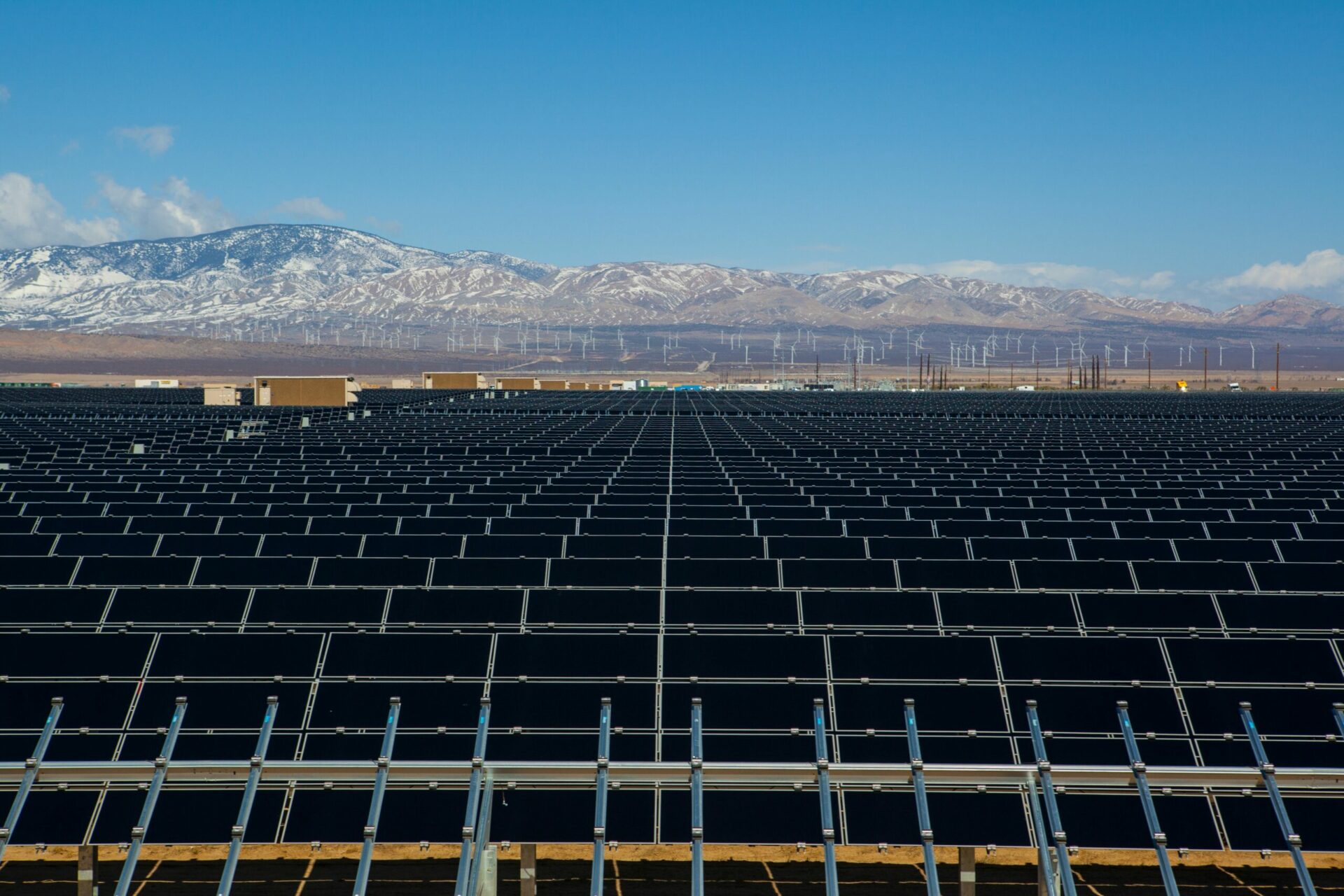
Almost 3,000 acres of California’s Mojave Desert will soon be permanently shaded by solar panels. On January 11, the Biden administration gave approval for two large solar projects just south of Joshua Tree National Park. Federal officials have indicated they’re ready to approve a third plant in the same area. The trio of projects will generate 1,000 megawatts of solar electricity – enough to power about 150,000 homes.
These solar installations arrive as the global economy flirts with a shift from fossil fuel reliance to renewable power investment. They are also drawing criticism, if not outright opposition, from environmentalists concerned about developing wilderness areas in the name of energy production.
Between 1.5 and 3 million acres of land will be needed to meet California’s 100-percent renewable energy goals alone, according to The Nature Conservancy, and better options for situating solar projects may be available. Subprime farmland in the San Joaquin Valley is already being converted to solar electricity generation, and research published last year in Nature Sustainability assessed the potential for placing linear panel arrays over California’s long irrigation canals, where shading water will provide the added benefit of reducing costly evaporation.
More controversial is the use of prime farmland, still productive and healthy, for these projects. This shift, underway now in the Midwest, naturally cuts into food and feed production and, more subjectively, can upset the traditional agrarian character of rural farming communities. However, great financial incentive is fueling this trend. According to recent reporting by NPR, farmers who replace photosynthesis with photovoltaics can make two or three times the money. And a growing contingent of farmers choose the best of both worlds by “intercropping” solar panels alongside certain crops.
Another category of solar array placement would locate the clean electricity factories on defunct mines, shuttered landfills, and remediated toxic waste sites. The U.S. Environmental Protection Agency has identified 130,000 potential locations of this sort across the country for renewable energy projects. To date, fewer than 500 have been developed, according to the New York Times.
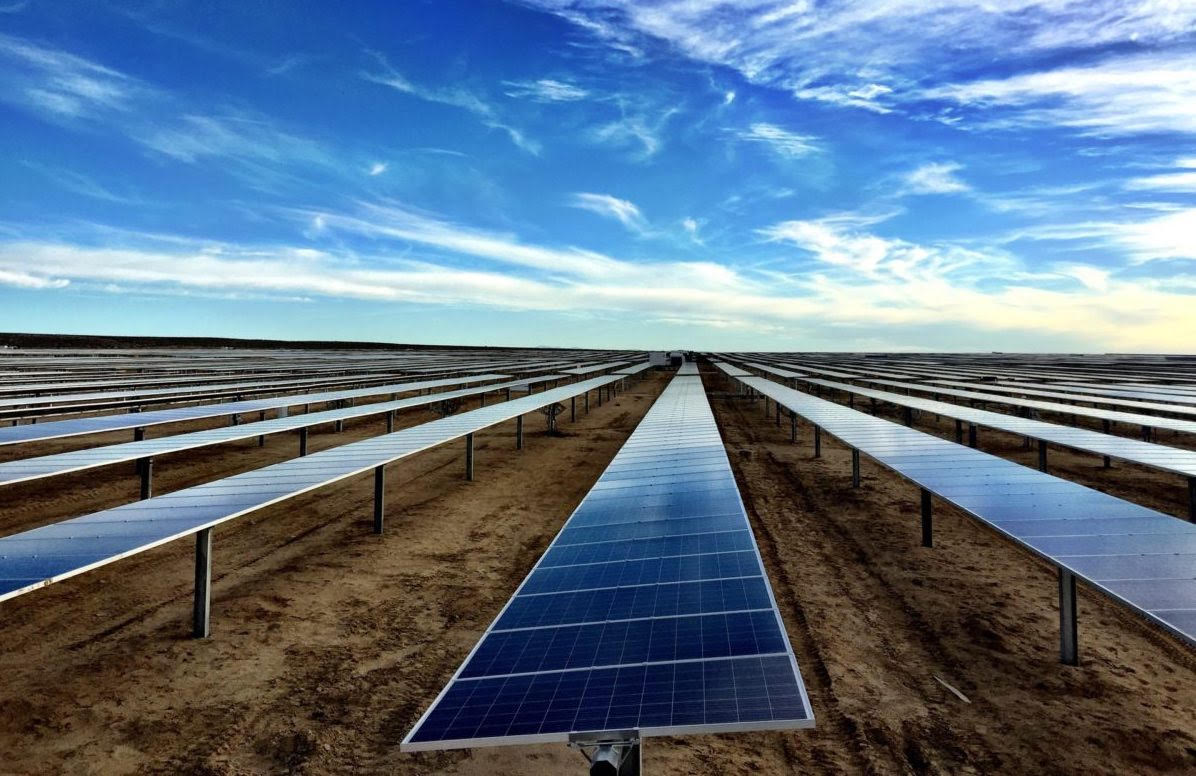
Photo: US Department of Energy.
But the age of solar investment is still young, and a landscape transformation is happening. In Martin County, Kentucky, for instance, the abandoned Martiki coal mine is slated for conversion into a 200-megawatt solar farm covering hundreds of acres. The plan has garnered support, even within a community founded on what former President Donald Trump called “beautiful, clean coal.” This sort of land-use conversion can restore value to the scarred, polluted acreage of retired mines while providing jobs. There is also a symbolic effect in overlaying the glimmering youth of the solar industry on the ruins of the fossil fuel era.
In the Mojave Desert, solar panels aren’t the only clean-energy infrastructure settling into the scorching sands. The Ivanpah solar thermal project, launched in 2013, has been the source of as much controversy as electricity, as environmentalists have decried the facility as a desecration of wilderness.
The Sahara Desert has also become the target for questionable solar electricity plans. Vast sprawls of panels there could generate electricity for hundreds of millions of people – but modeling has shown they could also have severe global climate impacts. In an article in Geophysical Research Letters, scientists predicted that heat radiating off the solar panels could disrupt global air and moisture circulation, even causing droughts as far away as the Amazon rainforest.
Residential rooftops are a relatively uncontroversial use of dead space for generating clean electricity, but this could potentially become an equity issue if government rebates for installations mostly flow to wealthier Americans who can afford new Teslas and home renovations.
There will be costs to building any energy project, and fossil fuel industries have revealed, among other things, a vein of scientific fact – that no energy comes for free.
Other Recent Posts
Wild Pigs Rough Up Bay Area Greens
They tear up landscapes in search of food, prey on native wildlife, and damage streams, and warming could bring them closer to urban areas.
Delta Residents Absorb the Flood Challenge, And Choose Different Ways to Act
Graduates of a shoreline leadership program in Contra Costa County recently pitched their ideas for sea level rise education and adaptation.
Strong Leader, Light Touch: Caitlin Sweeney
Ahead of her retirement earlier this month, the Estuary Partnership director sat down with KneeDeep to discuss her achievements and the future of the Bay.
Unmasking Regionalism
Regional leaders say the Bay Area has built ambitious climate resilience plans. Now comes the harder task: funding and implementing them.
Pacheco Pass Is Getting a Second Wind
In Pacheco Pass, a decades-old wind farm is getting an upgrade that will double CleanPowerSF’s wind energy.
Climate Change, A Scorpion’s POV
From the Sierra Nevada to the Mojave Desert, the state’s native scorpions are losing habitat as heat, wildfires, and development reshape ecosystems.
12 Creek Types: Which One Is In Your Backyard?
Geomorphologist Gregory Pasternack and his team documented 12 types of Bay Area creeks to help residents protect themselves from flood threats.
Could Avocados Be A Transformational Fruit for the Bay Region?
Local growers and activists are planting avocado trees to build climate resilience, local food systems, and alternatives to imported fruit.
Radar Gap Filled on Marin Mountaintop
A new weather radar installation will help the region’s northern counties read incoming storm clouds, hours before they drop their rain.
The Climate Questions Facing Bay Area Voters This Spring
Important details about votes on transit funding, open space preservation, wildfire prevention, and earthquake prep this Election Day.
More
- Bay Area Leads Nation on Floating Solar (KneeDeep Times)
- Climate Change in California (The Nature Conservancy)
- Oakland Invades the Desert (East Bay Express)
- Energy and water co-benefits from covering canals with solar panels (Nature Sustainability)
- Midwest farmers are split on whether to use farmland for big solar plans (NPR)
- Coming Soon to This Coal County: Solar, in a Big Way (The New York Times)
- Impacts of Large‐Scale Sahara Solar Farms on Global Climate and Vegetation Cover (Geophysical Research Letters)
- Stepping UP in 2021: #1 How agri-PV could address two of the biggest sustainability challenges of our times (PV Magazine)