



Mama Wanda Sows Resilience

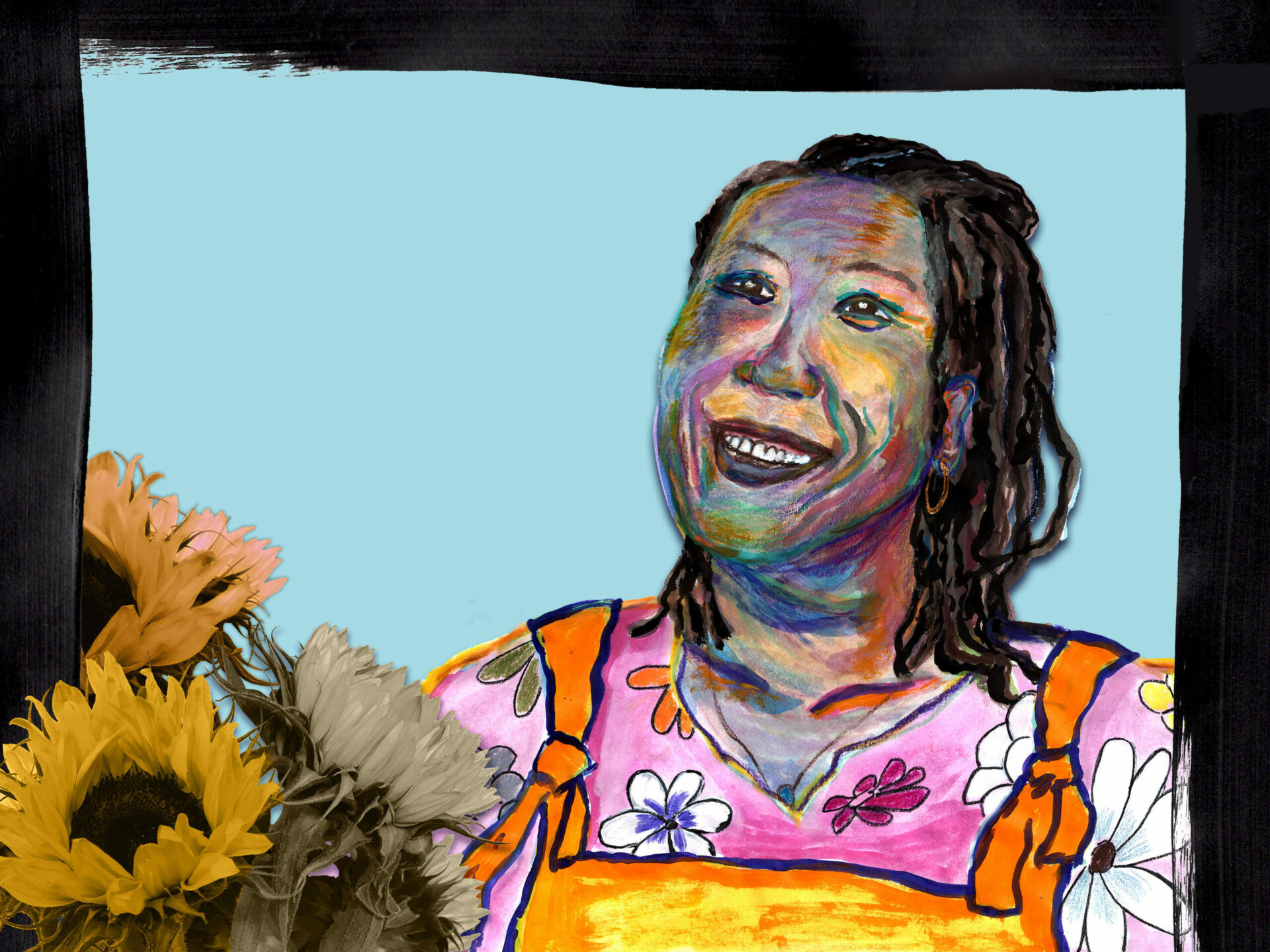
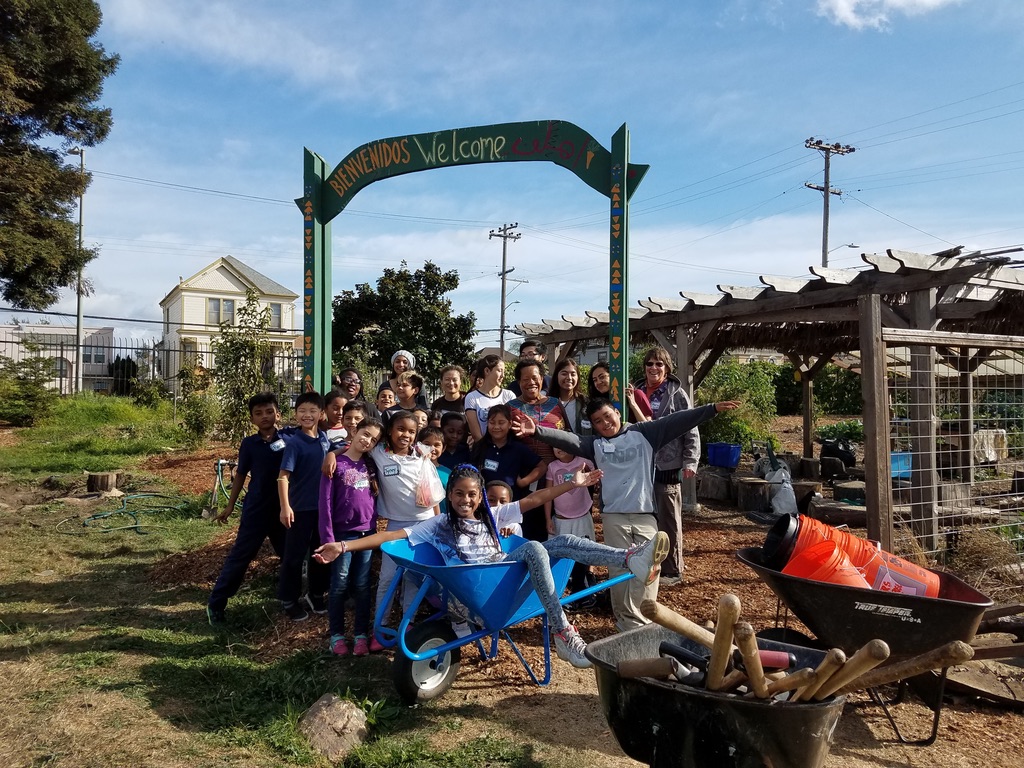
Wanda Stewart stood out in her bright yellow overalls at Hoover Elementary’s garden work day celebrating Black History Month last spring. Known affectionately by the community as Mama Wanda, she flitted through the garden like a bee, swarmed by people and activity.
After a career of school administration and community engagement, Stewart saw firsthand how schools can be a central space for activating people. But it wasn’t until she moved to Berkeley, started growing food on her own land, and fell under the mentorship of legendary East Bay gardener Victory Lee that she saw how her experience with schools and love of gardening could come together to generate transformational change.
“By growing gardens in schools, we’re not just growing the children. We’re growing neighborhoods.”
Stewart went on to lead the food justice nonprofit People’s Grocery and build a garden at Hoover Elementary in West Oakland. All the while, she honed her philosophy: “By growing gardens in schools, we’re not just growing the children. We’re growing neighborhoods. We’re growing the earth and improving the planet.”
Stewart is now Executive Director of Common Vision, a fifteen-year-old nonprofit working at the nexus of food, learning, and the environment. Common Vision began with fruit tree planting in schools and now also educates youth, cultivates school gardens, and engages in urban forestry.
Stewart is quick to say that just like school gardens, trees offer multiple benefits. Trees clean the air, produce fruit, shed leaves that can generate compost, and even lower crime. Trees and gardens can also provide heat relief for community members and students. The greenery and shade can be crucial for schools with heat-absorbing blacktop playgrounds like Hoover Elementary, while also offering what Stewart calls “psychological cooling of the spirit.”
When Common Vision plants shade trees, youth conduct neighborhood outreach to inform residents of their benefits. This deep relationship building strengthens community support networks so communities can better respond to public health and climate crises.
Other Recent Posts
Fire Weather in the Wind
As the hot Nevada air cools every fall, it gets pushed west to lower pressure areas over the Central Valley, where the wind heats up and dries out.
My Morning Cleaning Up the Oakland Estuary
On Oakland’s Creek to Bay Day, I joined 100 volunteers for I Heart Oakland-Alameda Estuary to remove shoreline trash.
RCDs Pay Extra Attention to North Bay High Schoolers
A $13,500 grant will help three North Bay conservation districts evaluate youth education programs and prepare high school students for environmental careers.
Creeks Make Good & Bad Homes
San Jose State researcher Costanza Rampini explores why the houseless favor creek banks, and how they weather the flood risk.
Bay Area Braces for Record-Breaking El Niño
Record high water temperatures in the Pacific are expected to bring dangerous sea level rise, waves, and rain to the region this winter.
Regional Housing Agency Invests in Affordability
The Bay Area Housing Finance Authority is launching a loan program to support the construction of mixed-income rental properties.
The End is Coming for California’s Untouchable Grass
The law, which applies to grass that isn’t used for recreational purposes, could cut urban water use across California by more than 20% says Oakland thinktank.
Sonoma Vineyard Workers Burn toward a Better Future
A group of immigrant farmworkers are forming a worker-owned cooperative to bring back Indigenous burning practices that used to revitalize the soil.
Los trabajadores de los viñedos de Sonoma queman por un futuro mejor
Un grupo de trabajadores agrícolas inmigrantes está formando una cooperativa de propiedad de los trabajadores para recuperar las prácticas indígenas de quema que solían revitalizar el suelo año tras año.
New Voices Shape Design of Berkeley’s North Basin Strip
Twenty acres of parkland between the highway and the Berkeley shore are slated for a coast-resilient makeover, with input from locals and stakeholders.
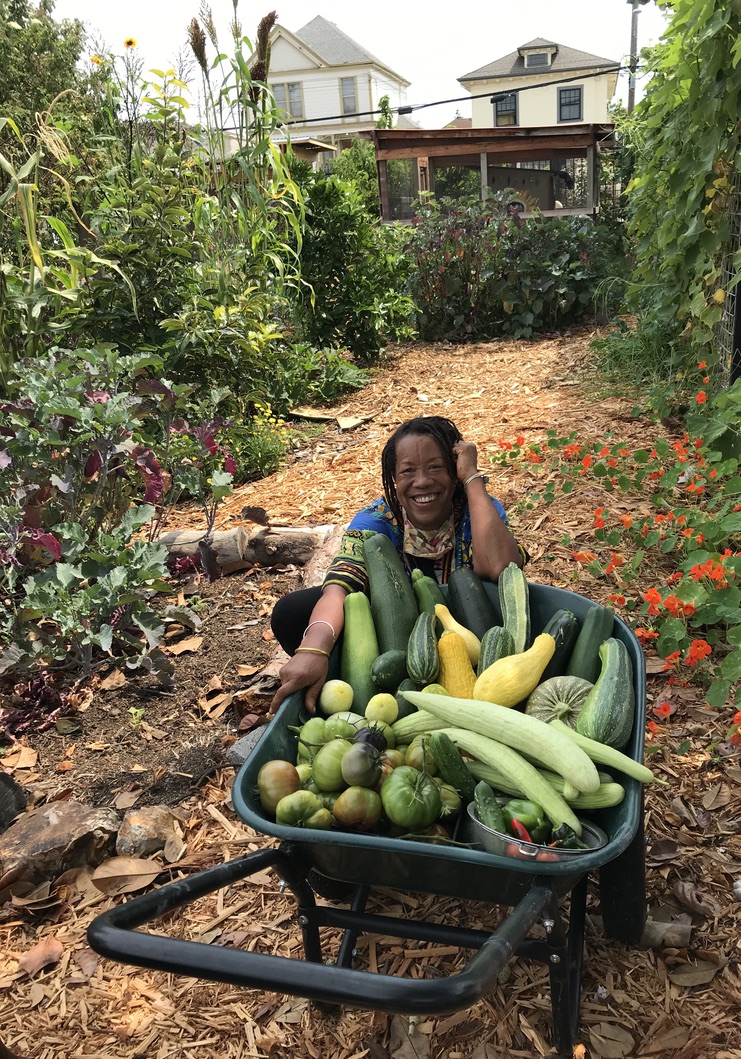
When Oakland public schools closed at the start of the pandemic, Stewart coordinated a big harvest of collard greens and the herbs mullein, mint, plantain, and oregano to distribute to the kids. Afterward, the power of gardens as sites of individual and community resilience hit her: “There’s this fear of ‘here comes the apocalypse,’ but what made me cry was how empowered I felt because I had just fed the children and sent them home with food that was medicine. We had established gardens that could sustain us when the pandemic showed up in ways we hadn’t anticipated. Those four herbs are the herbs that one needs for respiratory distress. Those children had the tools to help their families. They knew how to grow those collard greens.”
Moving forward, Common Vision plans to help high school youth plant 2,000 trees in West Oakland and 5,000 trees in San Leandro. Meanwhile, Stewart says, “I am doing my best work as a climate resilience leader by first growing my best self — the best Wanda I can be.”
Top Art: Alyson Wong. Photos courtesy Common Vision.