


Behind the Scenes in Game Design
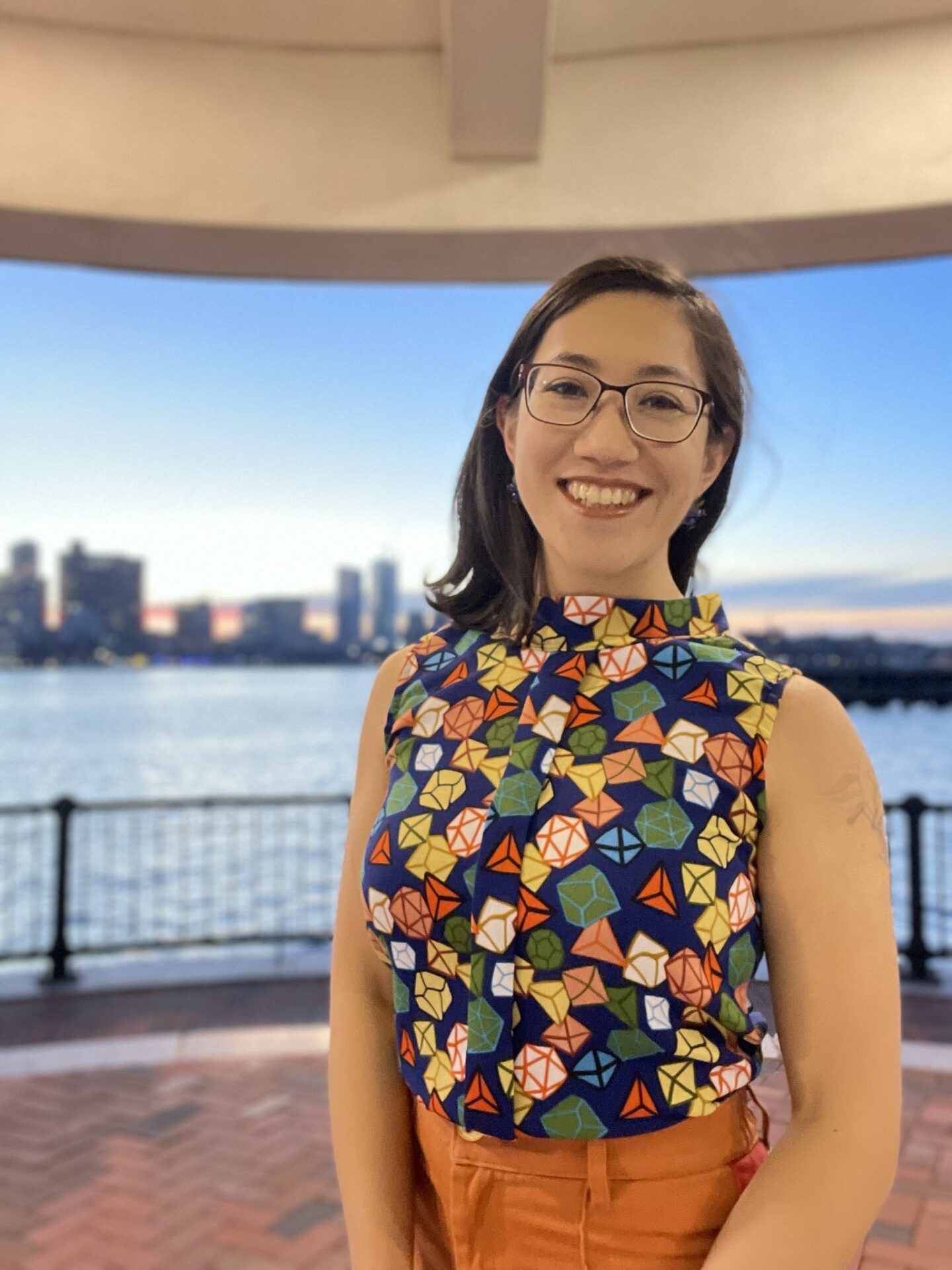
KneeDeep interviewed Marcy Brown, master of “Death by a Thousand Breaths,” about what went into her thinking in designing a 90-minute, live action role-playing Dungeons and Dragons game called Cerulean Port City. The game took place at the Exploratorium on July 30th. Players were asked to collaborate, solve puzzles, and craft solutions to fix the fantasy city’s air pollution issues.
Q: What does Cerulean Port City look like?
A: Cerulean Port City is a mid-sized town with a bustling harbor, where cultures intermingle and exchange, where the power of the elemental forces of earth, sea, and sky are heightened in their proximity and harmony to one another, where magic and technology work in tandem. It’s a lively but peaceful town where everyone is welcomed and ancestral ways of knowing and being are honored.
Q: Why choose a port city — like the Bay Area — as a setting?
A: For many of our Gaming for Justice adventures, the setting is based on Oakland at different times throughout history, with fantasy elements added to create a world that feels familiar and not at the same time. There will be plants, places, or even events that may be recognizable, but the scenarios are unique. What I love about port cities is their diversity and the heightened potential energy inherent to these places of exchange. Whether that is goods, culture, or people seeking new experiences by departing or arriving, the sense of novelty and excitement is renewed again and again.
Q: Can you share a few threads of activity you see happen in live-action gaming?
A: As they move through the story, we’ll see players define what justice and accountability look like to them. That will change how they approach challenges and set goals. We’ll also see how the players identify their values and collaborate with others, potentially finding areas of compromise and ways to be creative.
Q: What does environmental justice have to do with climate resilience, and how can storytelling and gaming help empower youth?
A: Climate resiliency is not possible without environmental justice, as it is BIPOC (Black and Indigenous People of Color) communities who are most impacted by climate change. People who have been historically oppressed, or who are currently marginalized, bear the brunt of extreme weather, natural disasters, public health crises, and more caused by climate change.
Storytelling and gaming, specifically role-playing, have the power to inspire action and build community. Storytelling is how we first made sense of the world around us, and understand our place in it. When we weave stories and play together, we create possibilities, learn how to work collaboratively and creatively, find strengths within ourselves and each other, and see ourselves represented. Through gaming and playing together, we create space to be silly, have fun, fight our fears, and dream, and that kind of free visioning is a very powerful thing in a world that can seem dark and overwhelming.
Q: How did you get into this work and why do you do it?
A: I’ve loved writing from a young age, but shelved that passion to focus on a more science-y path, which led me to the field of outdoor education, where I basically get to encourage people to create connections to the places they inhabit. I worked one season as an education technician for a national park, and while in that position I learned more about the intersection of play and education. I was given the freedom to create new ways to incorporate curriculum into our programs, and I created my first games for youth! I had never felt so inspired or creative before in my life.
I got into Dungeons and Dragons during the pandemic as a way to socialize with my friends, and it very quickly consumed all my time once I realized what an incredible vehicle it is for expression, dreaming, and collaborating with others. I’m inspired every day by the people I get to be a Dungeon Master for and the party members I get to play with, especially the youth, who do not impose restrictions on themselves like adults have been socialized to.
Other Recent Posts
Affordability Top of Mind For 6 Oaklanders This Election Season
KneeDeep’s Alex McCutcheon spent a recent afternoon asking passers by along Lake Merritt for their thoughts on affordability and climate change.
A Wasted Opportunity
Too many of this year’s crop of Democratic candidates are squandering the opportunity to connect the affordability crisis to the climate crisis.
Climate Issues On Your Ballot This Fall
Voters have a chance to approve more than $13 billion in resilient and transportation infrastructure funding for the Bay Area and the state this midterm election.
The Sleepy Midterm Race with the Biggest Influence on Climate Policy
Typically an undercovered downballot race in the past, the election of California’s next insurance commissioner could reshape the state’s fire and flood coverage.
Fire Weather in the Wind
As the hot Nevada air cools every fall, it gets pushed west to lower pressure areas over the Central Valley, where the wind heats up and dries out.
My Morning Cleaning Up the Oakland Estuary
On Oakland’s Creek to Bay Day, I joined 100 volunteers for I Heart Oakland-Alameda Estuary to remove shoreline trash.
RCDs Pay Extra Attention to North Bay High Schoolers
A $13,500 grant will help three North Bay conservation districts evaluate youth education programs and prepare high school students for environmental careers.
Creeks Make Good & Bad Homes
San Jose State researcher Costanza Rampini explores why the houseless favor creek banks, and how they weather the flood risk.
Bay Area Braces for Record-Breaking El Niño
Record high water temperatures in the Pacific are expected to bring dangerous sea level rise, waves, and rain to the region this winter.
Regional Housing Agency Invests in Affordability
The Bay Area Housing Finance Authority is launching a loan program to support the construction of mixed-income rental properties.
KneeDeep will report on this event in an upcoming August 2022 story.