

Warren Logan’s Fight for Safer Streets

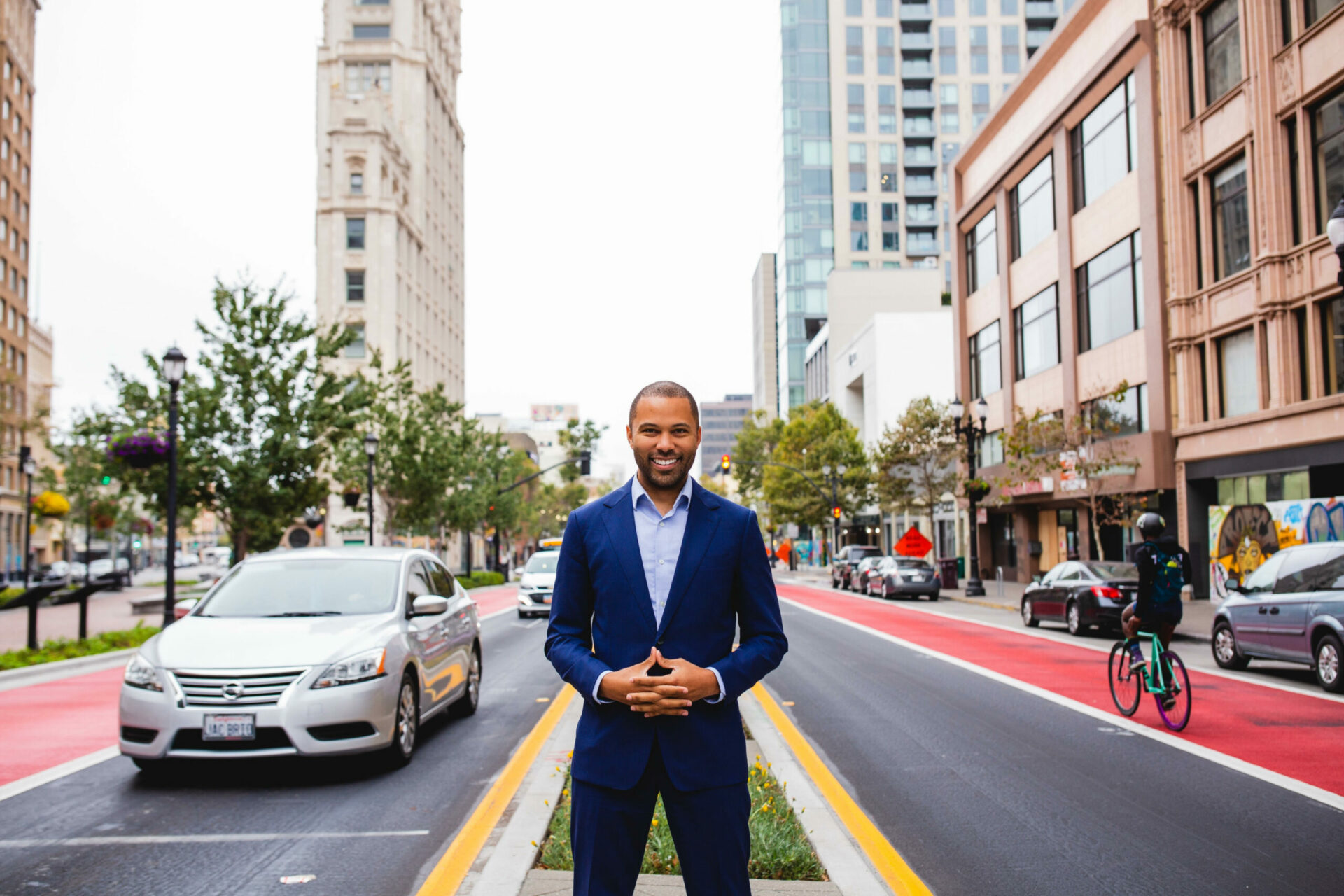
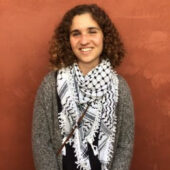
Warren Logan is confident that if we fight for safer streets, we can have them. As the former Policy Director of Mobility and Interagency Relations with the City of Oakland, Logan has played an instrumental role in fighting for safe, bikeable, and walkable streets throughout the city.
“In Oakland, by the numbers, you are more likely to be hit by a car than cancer or a stray bullet,” says Logan.
According to a 2018 Oakland Equity Indicators Report, the City of Oakland experiences approximately two severe or fatal traffic crashes each week, which disproportionately impact those who are Black, Indigenous, or people of color (BIPOC), high priority communities, and seniors.
During Logan’s tenure with the City of Oakland, he directly addressed the issue he was most passionate about: transportation equity. He strongly advocated for the Safe Oakland Streets (SOS) Initiative as an emergency response to the pandemic and traffic safety concerns.
“Black and brown people are taught to accept what is in front of them,” says Logan. “We and everybody deserve more.”
From implementing traffic safety projects to conducting citywide crash analyses, Warren made BIPOC communities a priority and increased the participation of the most impacted residents in community meetings. He also worked with communities and local businesses on Oakland Slow Streets, which designates certain blocks for use by bikers and pedestrians only.
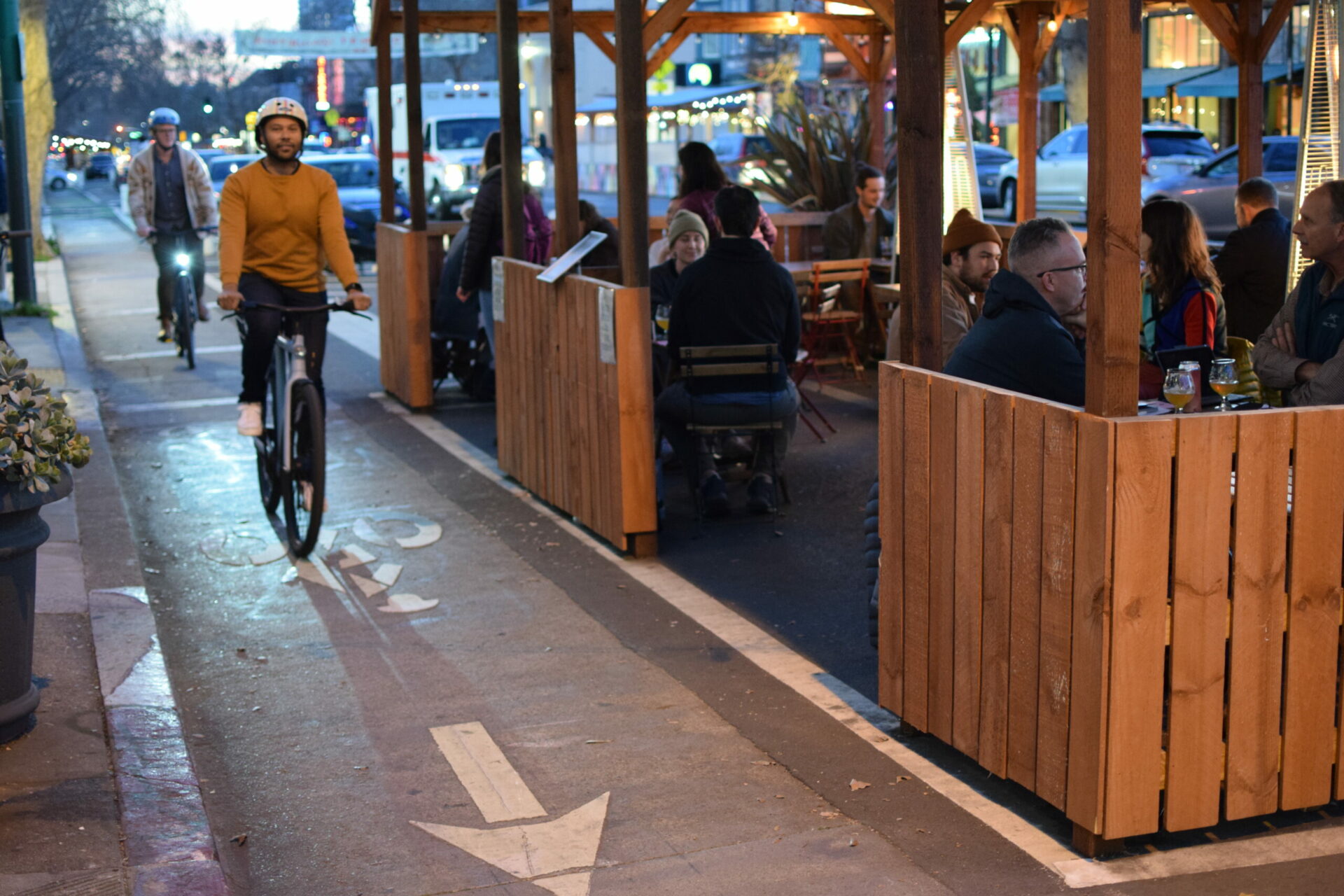
Logan cycling down a protected bike lane in Oakland’s Temescal Neighborhood. Photo: Kerby Olsen, City of Oakland.
After six months with the Oakland’s Mayor’s Office, the COVID-19 pandemic started. Logan took on a second role, serving as Oakland’s Emergency Response Director and Community Resilience Officer.
Through this new position, Logan was able to apply traffic safety to other emerging issues such as the need for more public open space. For example, Logan advocated to remove the I-980 freeway, which has historically divided West Oakland from the city’s main downtown.
“In two years, we were able to turn this project from a pipe dream to a million-dollar state-sponsored concept study. It is now someone’s actual job to figure out what will happen to this freeway,” says Logan.
Logan’s passion for community reflects his family’s long history of civic engagement. His grandfather, Theophilus Logan, currently 105 years old, was instrumental in supporting Black families trying to purchase homes in Southern California as the first African-American Board of Realtors president.
“Every person in my family asks: how do we help the people around us?” says Logan. “My answer: I try to think about the upstream issues and ask the ‘why’ questions to get to the heart of things.”
After two years with the City of Oakland, Logan joined Lighthouse Public Affairs. This California-based consulting firm tries to foster collaborative relationships between government, neighborhood leaders, and private stakeholders so they can tackle big challenges, such as climate change, affordable housing, and equitable mobility, together.
In the middle of one of the hottest years on record, Logan says he wants to fight the idea that there is nothing we can do about climate change. “I hope that we take hyperlocal action [to increase our] climate resilience,” says Logan. “We are somewhere between a sinking ship and melting iceberg, but I want to prove to people that we can dream again.”
Other Recent Posts
Feds Meddling With Protections For California Coast
NOAA is reviewing California’s Coastal Management Program in a renewed push for offshore oil and gas drilling.
New Study Shows Rain Gardens Filter Chemicals Out of Stormwater
Scientists found rain gardens dramatically reduce toxic chemicals in stormwater while providing biodiversity and cooling.
The Tricky Art of Growing Oysters in the Lab So They Can Survive in the Field
The Nature Conservancy, the Amah Mutsun Tribal Band, and others are growing oysters in the lab and planting them in the wild in estuaries around San Francisco Bay.
Printing Without Plastic: The Vintage Machine Winning Over Eco-Conscious Artists
This comic guide to risograph printing explains how the 1980s Japanese machine cuts energy use and avoids plastic toner.
East Bay Kids Fight Extreme Heat in their Schoolyards
Many California schools are ill-equipped to tackle heat, with many campuses lacking sufficient tree coverage. These students are fighting to change that.
How a North Bay Regional Park Helped Me Reconnect With Nature — and Myself
A young Fairfield resident reflects on how hiking during the pandemic became a refuge from digital overload and the growing realities of climate change.
Wild Pigs Rough Up Bay Area Greens
They tear up landscapes in search of food, prey on native wildlife, and damage streams, and warming could bring them closer to urban areas.
Residents Chose Different Ways to Respond to Contra Costa Flood Challenges
Graduates of a shoreline leadership program in Contra Costa County recently pitched their ideas for sea level rise education and adaptation.
Strong Leader, Light Touch: Caitlin Sweeney
Ahead of her retirement earlier this month, the Estuary Partnership director sat down with KneeDeep to discuss her achievements and the future of the Bay.
Unmasking Regionalism
Regional leaders say the Bay Area has built ambitious climate resilience plans. Now comes the harder task: funding and implementing them.