




Category: Editor’s Picks
Encouraging Stories of Practical Action
Year-end story round up of practical actions you can take to become more climate resilient, from home improvements to neighbor networks.
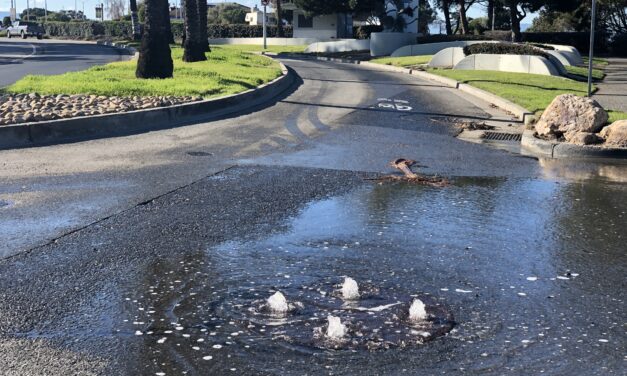
New Maps Reveal Bay Area Flood Threat From Below
As Bay Area residents kayaked through flooded streets and bailed out buildings during California’s recent storms, they faced not only bursting creeks and pouring rain but also rising groundwater.
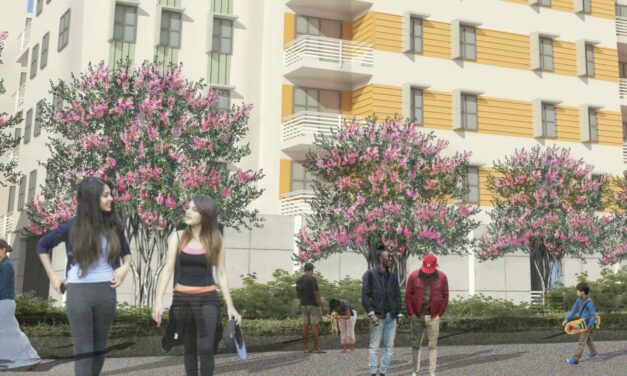
Flipping the Switch on All-Electric Housing
An East Palo Alto affordable housing project is at the forefront of a trend cities across California are trying to encourage: switching from natural gas appliances to electric ones. But the transition isn’t without headaches.

All Stories
Encouraging Stories of Practical Action
Year-end story round up of practical actions you can take to become more climate resilient, from home improvements to neighbor networks.
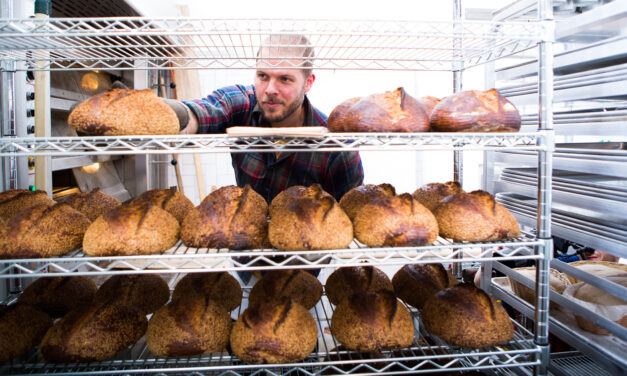
Leaders of the Local Grain Economy
While wheat accounts for just under 3% of California’s harvested cropland, a local grain economy has given the crop new significance.
New Maps Reveal Bay Area Flood Threat From Below
As Bay Area residents kayaked through flooded streets and bailed out buildings during California’s recent storms, they faced not only bursting creeks and pouring rain but also rising groundwater.
Flipping the Switch on All-Electric Housing
An East Palo Alto affordable housing project is at the forefront of a trend cities across California are trying to encourage: switching from natural gas appliances to electric ones. But the transition isn’t without headaches.
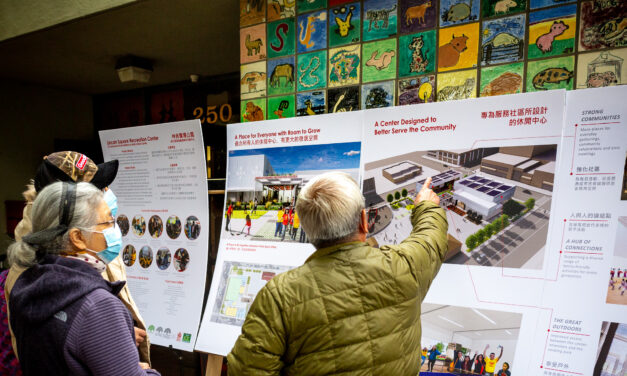
Oakland Tailors Resilience Hubs to Neighborhood Needs
Faced with a health crisis, or stifling heat or smoke, most people will go somewhere familiar for help, a place they feel welcome. Oakland Chinatown’s Lincoln Center is that kind of safe haven, the perfect location for one of the city’s new “resilience hubs.”

Feathered Flames
Among the more well-known causes of wildfire — lightning, volcanic activity, neglected cigarettes, gender reveal parties gone awry — there remains a less notorious culprit: electrocuted birds.
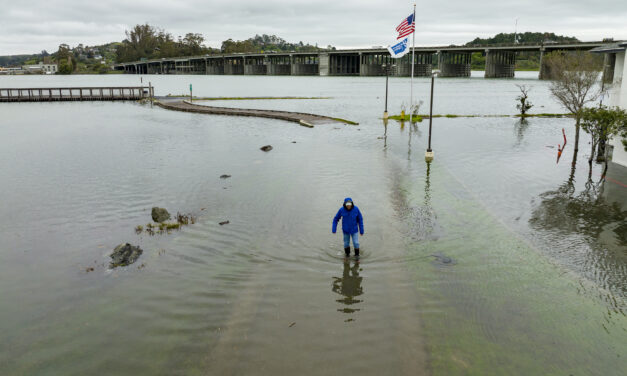
Royally Flooded: Dispatches from the Highest Tides
Cars entering the freeway ramp in Mill Valley whizzed through hundreds of feet of ankle-deep seawater. Next to the San Francisco International Airport runway, baywater burbled up into the road from a storm drain.
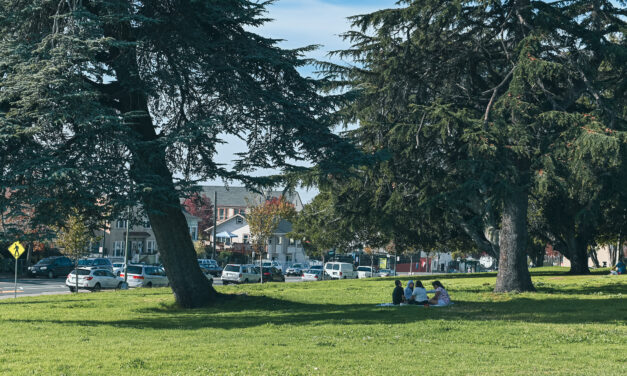
Trees Tell A Tale of Two Cities
Trees do far more than add shade and property value to a city block; they can remove harmful pollutants from the air, reduce flooding, and perhaps most crucially in a changing climate, they can reduce heat. A 2019 investigation by NPR found that Oakland’s poorer neighborhoods are almost universally hotter than its richer regions (in fact, the city had one of the strongest correlations between heat and income in the country).
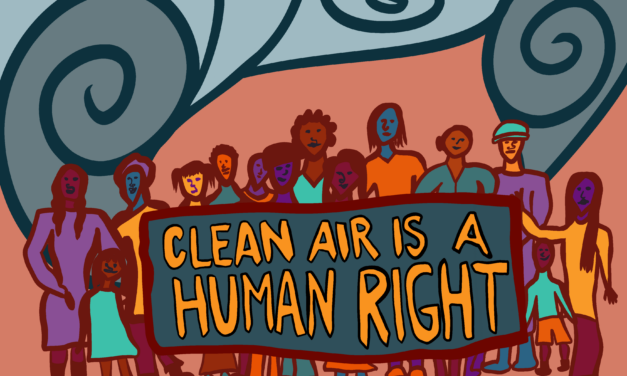
Cleaner Air, Fewer Health Hazards from Bay Area Refineries
In July, the Board of Directors of the Bay Area Air Quality Management District voted 19-3 to amend its Regulation 6, Rule 5, requiring fossil fuel refineries under its jurisdiction to reduce particulate matter emissions from their fluidized catalytic cracking units (“cat crackers” in refinery parlance), a major point source of pollution. The move gave the Bay Area the nation’s most health-protective and stringent regulation on particulate emissions, a recognized health hazard.
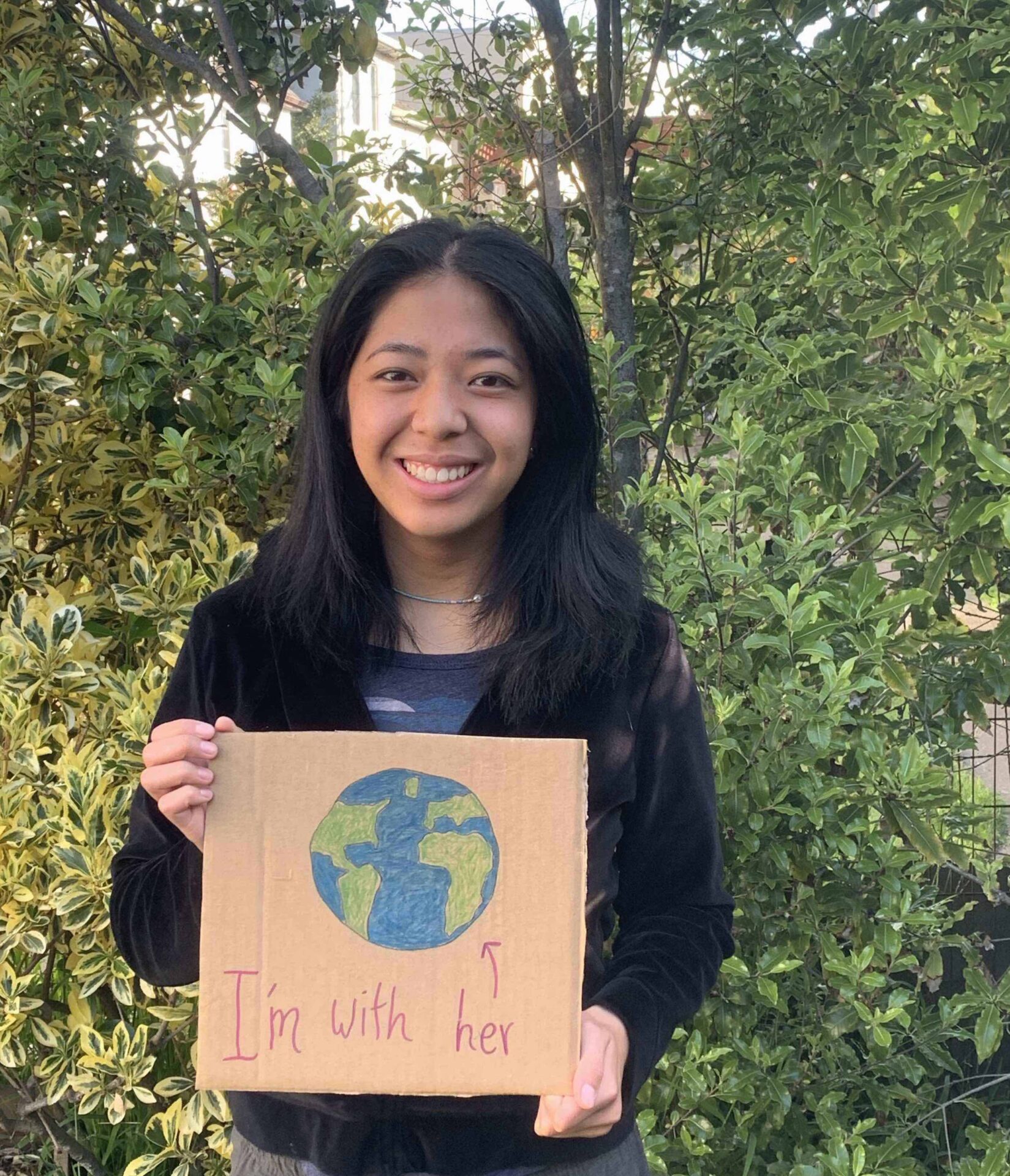
Conversations With Two Bay Area Youth Climate Activists
Oona Clark & Natalie Kim, Bay Area