


The Rancher Using Goats to Fight California Wildfires
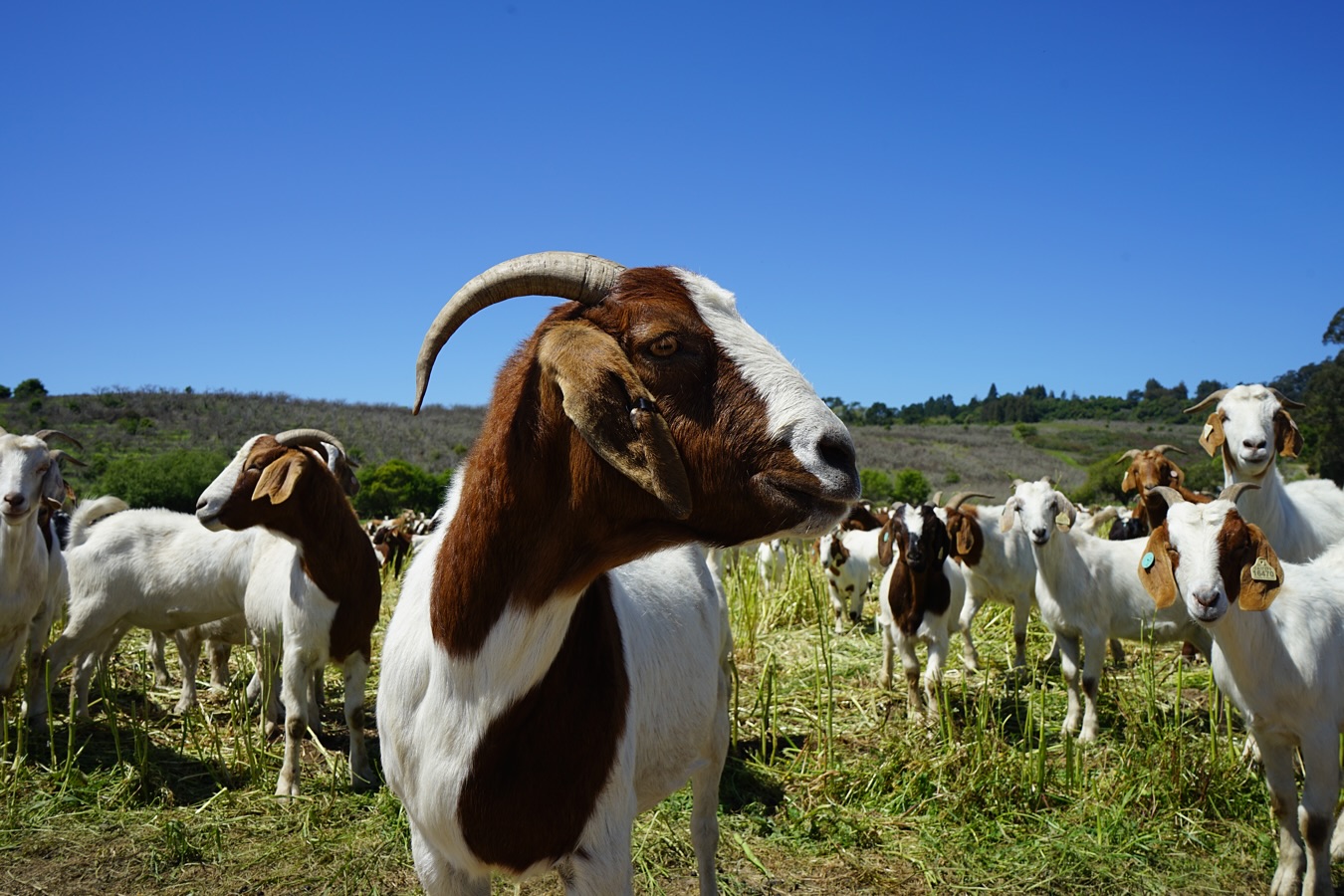
Photo courtesy Star Creek Land Stewards
Every summer, Bianca Soares Shapero and her crew move thousands of goats and sheep across California. Their mission: eat. More specifically, eat the dry grass, thick brush, and fire-prone vegetation that surround schools, homes, and roads.

Bianca Soares Shapero. Photo courtesy Star Creek Land Stewards
Shapero is a rancher and project manager at Star Creek Land Stewards, one of the state’s largest targeted grazing operations. She’s the fourth generation in her Basque family’s sheep business in Los Banos, rooted in the herding traditions of northern Spain. The operation started with wool and lambs but evolved into wildfire prevention.
“We run close to 7,000 animals,” she says. “They’re split into about 15 or 16 different groups, moving almost every day for six months.”
Goats, not gas-powered tools
Battalion Chief Todd Lando, wildfire mitigation specialist for the Central Marin Fire Department and president of FIRESafe Marin, works with Star Creek and other grazing crews across the region. He calls targeted grazing “probably the best and most effective and environmentally sensitive tool we have” to reduce wildfire risk.
“Goats are the best way we’ve found to mimic natural processes that used to be a part of this landscape,” Lando says. “They eat the lower limbs of trees, reduce flammable fuels, and improve tree health. Plus, they turn the vegetation into tiny pellets that don’t burn. They fertilize.”
Mechanical tools like weed trimmers leave behind flammable debris, he says, but grazing restores native grasslands and slows fast-moving wildfires.
“We’ve seen a significant reduction in wildfire hazard over the last decade because of regular targeted grazing,” he says.
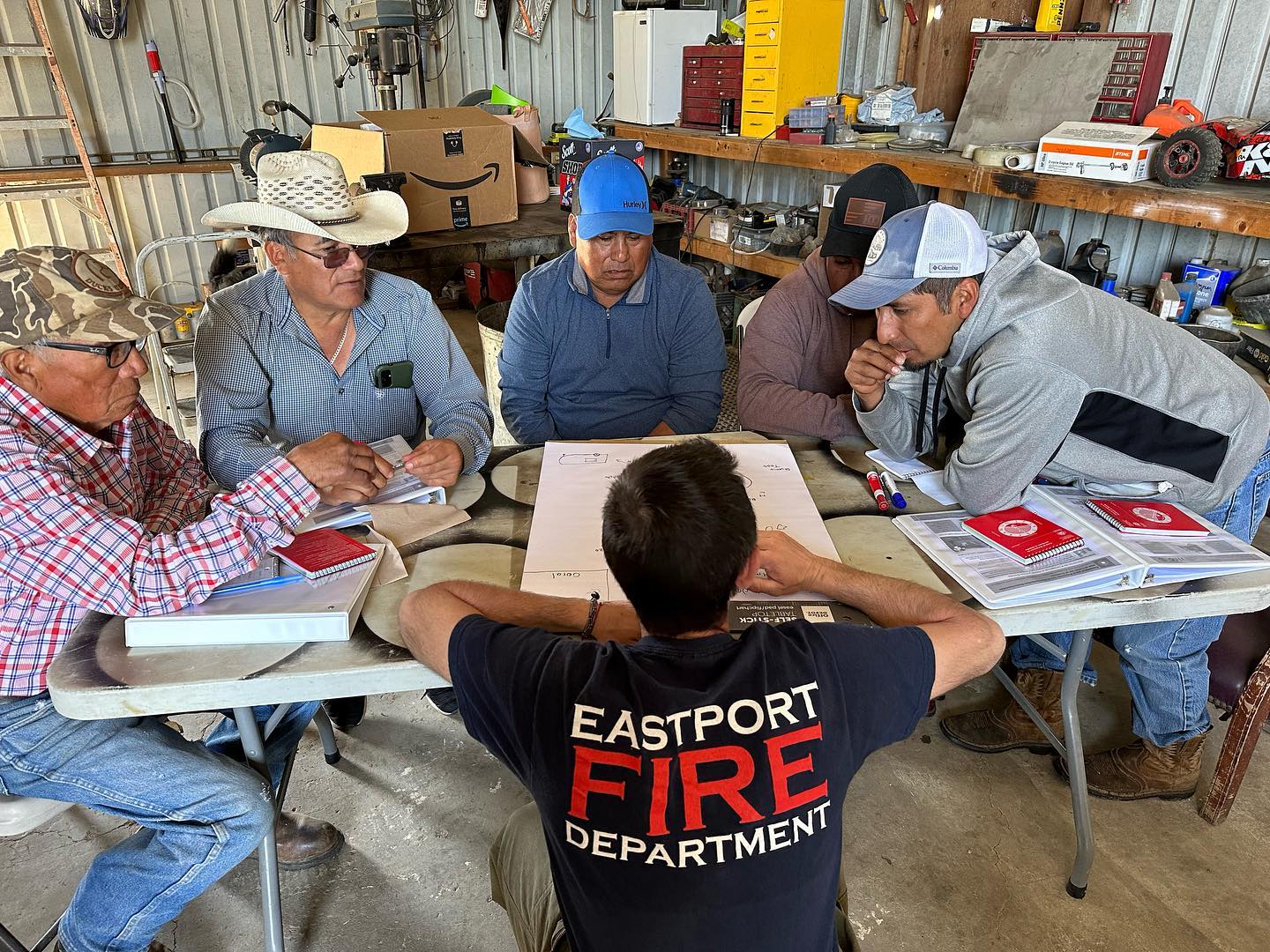
The Star Creek team meets with fire personnel. Photo courtesy Star Creek Land Stewards
Star Creek works with both public agencies and private landowners. Some clients are individual homeowners. Others are school districts, utility companies, or regional parks departments. Shapero says the work is often technical, with custom-shaped grazing zones and steep, sensitive terrain.
“We have projects that are one acre and others that are 800 acres,” she says. “These are high-risk, high-profile areas. We’re talking about putting livestock right behind people’s homes or along emergency access roads.”
One Marin County project stays with her. At the project site, two schools sit at the ends of narrow roads behind neighborhoods of several hundred people. Because evacuation isn’t possible, both schools have to shelter in place during wildfires. That makes regular grazing around them essential to keep the school kids safe. Shapero and Lando both say once you understand the risk, it’s impossible to ignore the need to do the work.
Earning their keep
In the East Bay, one of Star Creek’s herds was grazing a site last July when an illegal firework sparked a blaze before sunrise.
“We got a call from the fire crews,” Shapero says. “The fire burned right up to the fence line where we were grazing. Once it got into the area where the animals had been for just two days, it smoldered out. The fire captain said, ‘It worked.’”
Some neighbors are surprised to see goats show up in their backyards. Others don’t realize the crews are there on contract for fire prevention.
“Once you explain, they get it,” Shapero says. “They see the before and after and feel better.”
Lando agrees. “Each year when the goats return, it’s almost like a local attraction,” he says. “We’ve even had goats escape during a school graduation. People thought it was hilarious.”
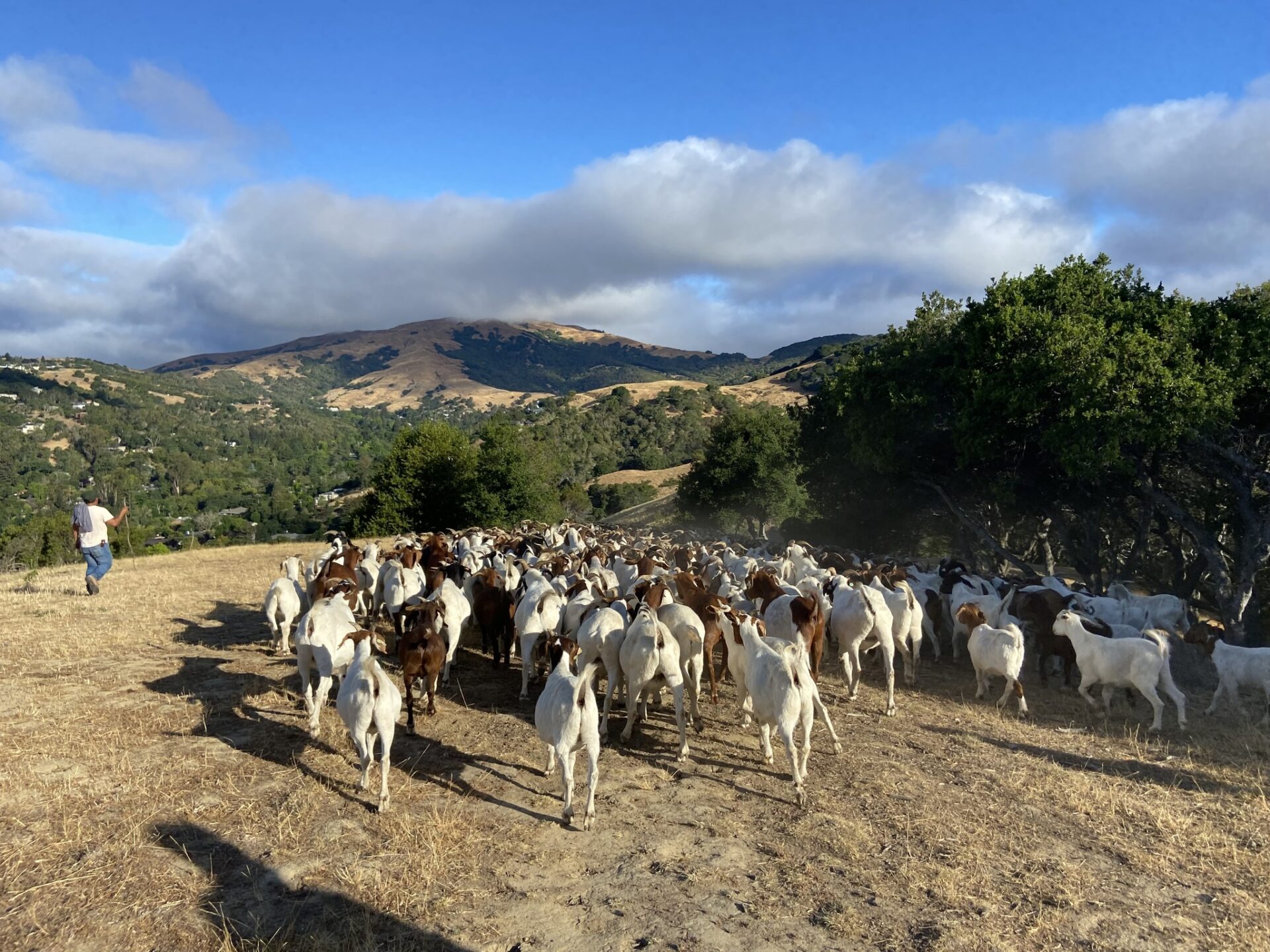
Goats from Star Creek Land Stewards graze steep Bay Area hillsides. Photo courtesy of Star Creek Land Stewards
Grazing isn’t a silver bullet. Shapero says steep brush areas may take three to five years of repeated grazing. And access can be an issue. Crews must build portable fencing, bring in water, and care for animals daily.
With fire season stretching longer each year and dry hills growing more flammable, she says the need for this work is only growing. Once you see the risk in dry brush and overgrown grass near homes, she says, “you can’t unsee it.”
MORE
- Marin Makes Clean Sweep of Forest Floors, August 2024
Other Recent Posts
Fire Weather in the Wind
As the hot Nevada air cools every fall, it gets pushed west to lower pressure areas over the Central Valley, where the wind heats up and dries out.
My Morning Cleaning Up the Oakland Estuary
On Oakland’s Creek to Bay Day, I joined 100 volunteers for I Heart Oakland-Alameda Estuary to remove shoreline trash.
RCDs Pay Extra Attention to North Bay High Schoolers
A $15,000 grant will help three North Bay conservation districts evaluate youth education programs and prepare high school students for environmental careers.
Creeks Make Good & Bad Homes
San Jose State researcher Costanza Rampini explores why the houseless favor creek banks, and how they weather the flood risk.
Bay Area Braces for Record-Breaking El Niño
Record high water temperatures in the Pacific are expected to bring dangerous sea level rise, waves, and rain to the region this winter.
Regional Housing Agency Invests in Affordability
The Bay Area Housing Finance Authority is launching a loan program to support the construction of mixed-income rental properties.
The End is Coming for California’s Untouchable Grass
The law, which applies to grass that isn’t used for recreational purposes, could cut urban water use across California by more than 20% says Oakland thinktank.