New Jersey Shells Out for Retreat
New Jersey’s Blue Acres program buys homes in flood-prone areas and converts them to open space. This not only moves frontline residents out of danger, but also protects neighbors.
Read More
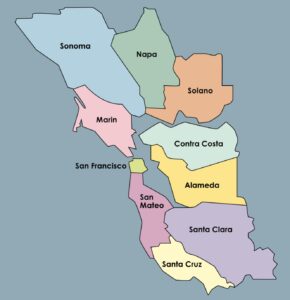
City & County Initiatives

Bay Area Regional Initiatives
Resilience Hub




New Jersey’s Blue Acres program buys homes in flood-prone areas and converts them to open space. This not only moves frontline residents out of danger, but also protects neighbors.
Read More
KneeDeep is seeking submissions for ClimateCraft, our college student climate reporting contest, in multimedia and written categories.
Read More
On a drizzly Thursday in April, dozens gathered beside a weedy San Jose shoreline to break ground on four miles of new levee and 2,900 acres of restored habitats, a future buffer from the rising Bay.
Read More
In California, our fate swings from drought to floods, depending largely on whether or not we get rainstorms called atmospheric rivers.
Read More
“Retreat can conjure failure, and nobody wants to be managed,” explained the study’s lead author Amanda Stolz at the California Social Coast Forum this March. Part of the problem is the term itself. One Pacifica resident quoted in the study commented, “Managed retreat’ is a code word for give up — on our homes and the town itself.”
Read More