



Agroecology Commons Weathers a Weird Winter and Political Storms
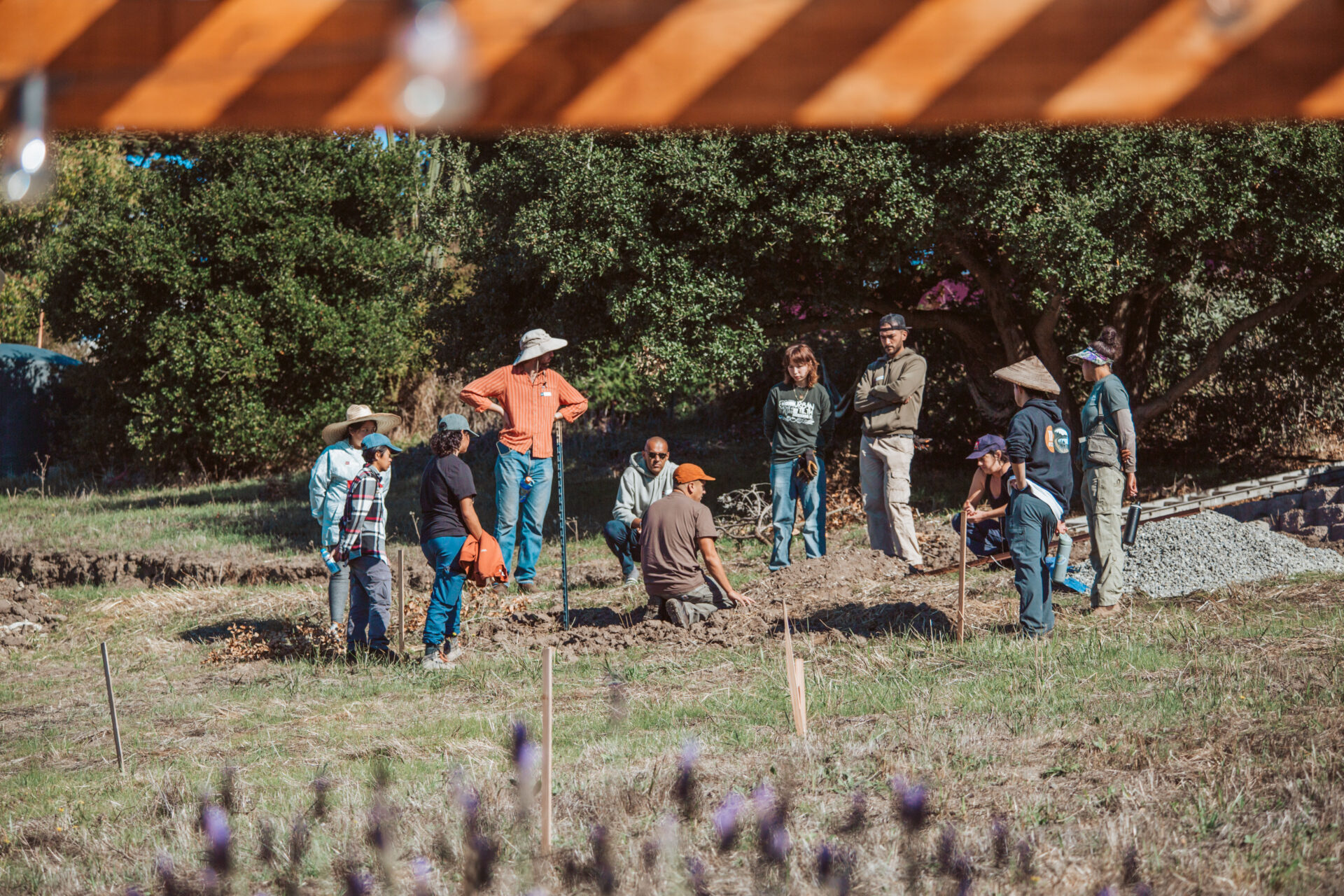
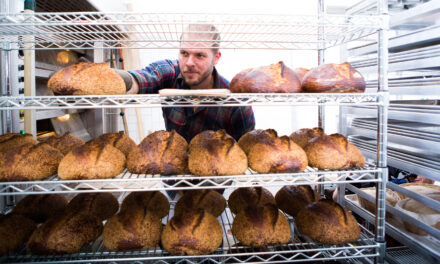
Photo: Brooke Porter
The bees at Agroecology Commons Farm are confused. It’s a winter that can’t quite decide what season it is, and the normal progression of cold, sun, and bloom has become less legible.
“[They] think it’s spring,” says Brooke Porter, co-founder of the East Bay collective, which runs an educational incubator farm and farmer training program rooted in food system justice. “All of a sudden there’s a nectar flow, and then it’s cold again. They’re definitely being thrown off by it all.”
It’s a small but telling dispatch from a season of weather whiplash — drought, then deluge, then hail — that has tested farmers across the region. At the three-acre farm on a hillside in El Sobrante, the team has been navigating the swings with pragmatism and ecological attunement. The garlic needed mid-winter irrigation, which almost never happens. The cover crops fared better. The bees, as ever, did their best.
When KneeDeep last visited the site in 2024, Porter and her collaborators at Agroecology Commons were dreaming of new infrastructure, including a greenhouse. Now, the foundation of that greenhouse is underway.
Other Recent Posts
Fire Weather in the Wind
As the hot Nevada air cools every fall, it gets pushed west to lower pressure areas over the Central Valley, where the wind heats up and dries out.
My Morning Cleaning Up the Oakland Estuary
On Oakland’s Creek to Bay Day, I joined 100 volunteers for I Heart Oakland-Alameda Estuary to remove shoreline trash.
RCDs Pay Extra Attention to North Bay High Schoolers
A $13,500 grant will help three North Bay conservation districts evaluate youth education programs and prepare high school students for environmental careers.
Creeks Make Good & Bad Homes
San Jose State researcher Costanza Rampini explores why the houseless favor creek banks, and how they weather the flood risk.
Bay Area Braces for Record-Breaking El Niño
Record high water temperatures in the Pacific are expected to bring dangerous sea level rise, waves, and rain to the region this winter.
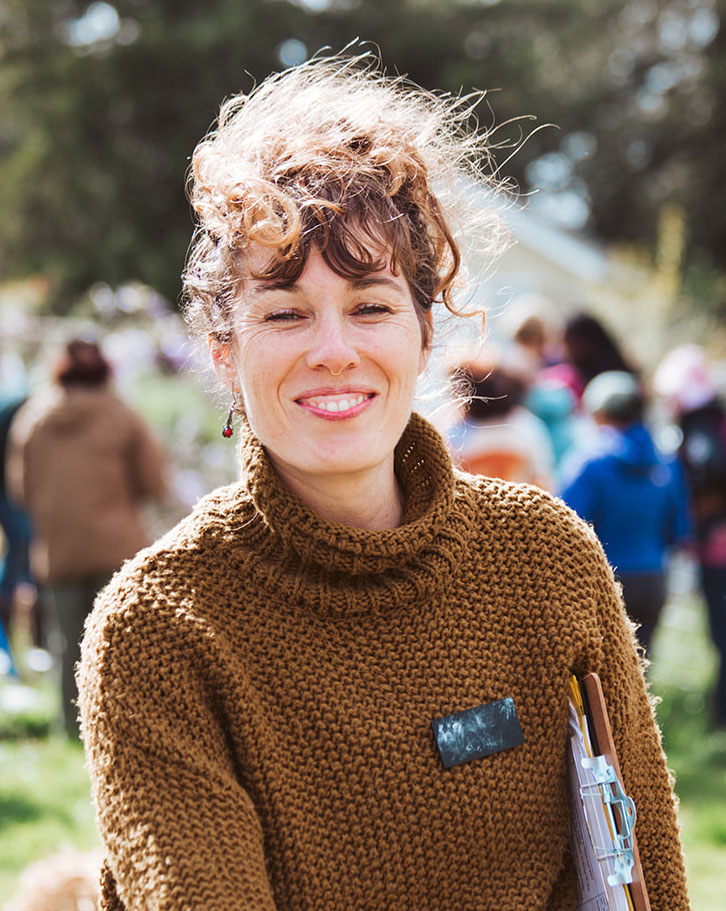
Brooke Porter. Photo: Alexa Levy
The bees aren’t the only ones busy. Two huge stock tanks were just delivered to the farm, destined to become a bigger, better vermicomposting system. A class of carpentry students from Laney College is building a honey house. And more than 5,000 gallons of water catchment capacity have been installed, funded in part through a climate resilience grant.
“It was pretty incredible how quick the tanks filled up,” Porter says. Catching rain is both an ecological principle and an economic necessity; the farm is not zoned for agriculture, which means it pays the highest municipal water rate. “We’re really trying to align with agroecological principles: recycling natural resources on the land, relying less on external inputs,” Porter says.
This spring, the farm is green. Native lupins are just starting to push up, and lavender is filling in around the edges. Tillage daikon radish crowd the beds as cover crops, their roots doing the necessary labor of breaking up the farm’s thick clay soil. The garlic is in. The plum trees ringing the property are in full bloom, and the bees are, optimistically, everywhere.
It was in the apiary that Porter had one of her favorite moments of the year. She was working among the hives when she spotted two animals running down the hill toward Garrity Creek, with a coyote in hot pursuit. She scared off the coyote and managed to take a few quick photos, which have the hasty framing of a cryptid sighting. “I was like, oh my God, are those really what I think they are?” She sent the pictures around, and the verdict came back: definitely river otters. It’s “a good sign that we’re doing something right,” Porter says, “that the river otters are returning to the ecosystem.” The sighting was just before a watershed management skillshare: an auspicious omen.
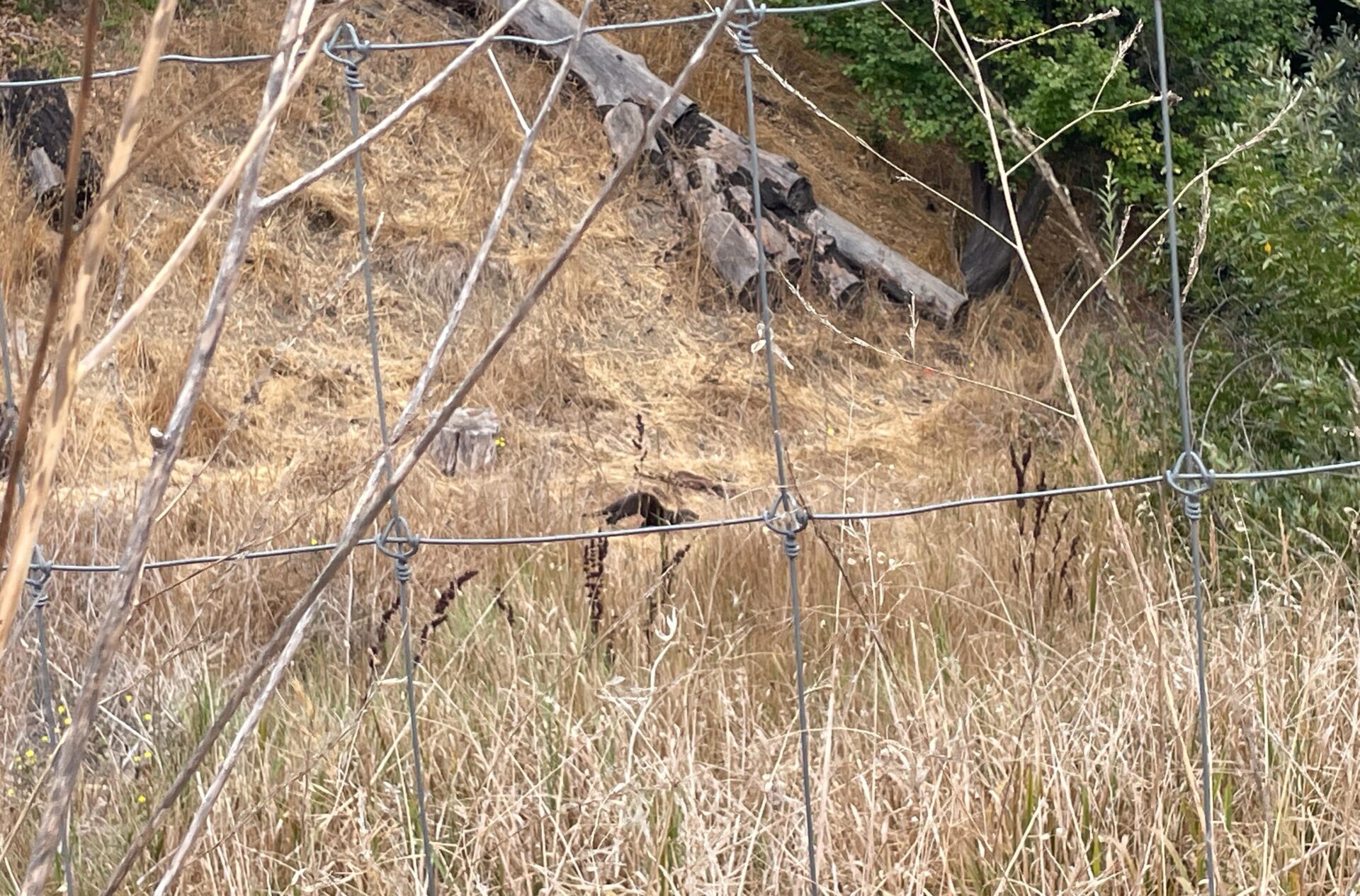
A river otter, spied at a distance. Photo: Brooke Porter.
The collective has a way of returning to the soil, literally and otherwise. A skillshare on soil health last year featured multiple farmers teaching different techniques, including a session on how to make DIY fertilizer using fish scraps sourced from Monterey Fish Market. The result, Porter reports, produces more liquid than you’d expect, so much that she’s been gifting jars of it to other farmers. She sent the recipe over to Florida, where a flower farmer recently sent back a photo of her own batch. Wholly unexpectedly, “it smells really good,” Porter says. “You almost want to eat it.” The fish bits would have been thrown away; turning them into a savory fertilizer is, as Porter puts it, a closed-loop system in action. If there’s a philosophy at work here, it’s this: turn everything into a knowledge-sharing opportunity, and everything else into soil.
Central to Agroecology Commons’ identity is the Bay Area Farmer-to-Farmer Training Program, a nine-month agroecological training program pairing beginning farmers with experienced mentors. In December, the program celebrated 40 graduates from its third cohort, with apprenticeships spanning nine farms from Sacramento to Sebastopol to the Bay Area. The program is “affirming their values about equity and reciprocity and having farmers be honored to pass on the skills and knowledge that they have to share,” Porter says. Both the mentor farmers and apprentices are paid living-wage stipends. Graduates can also pursue incubator plots or seed grants to support their own projects. Recently, the organization distributed $200,000 to 31 farms throughout the Bay Area watershed.
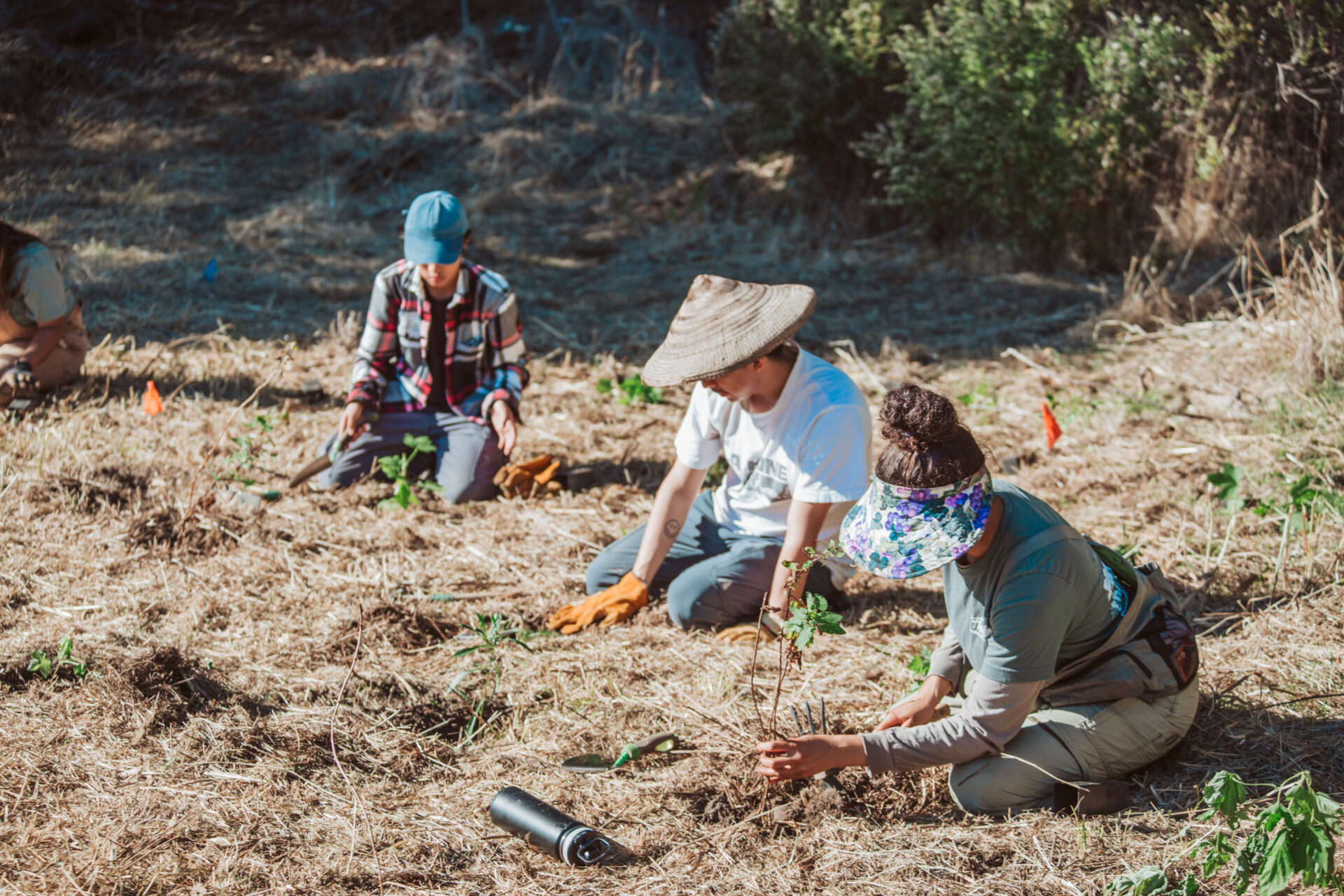
Working in the soil at Agroecology Commons. Photo: Brooke Porter.
Amid all of this momentum, the organization is also managing metaphorical stormy weather. Agroecology Commons has been fighting back after the USDA canceled federal grant funding, citing the collective’s focus on diversity and equity. In August, the farm secured a preliminary injunction in the case ordering the USDA to reinstate the terminated grants. But the battle has eaten energy and cast uncertainty on future planning.
Still, the greenhouse foundation is being poured. This month, the farm will plant a new demonstration orchard, where the bees will do more of their good work. The lupins are coming up. And down on Garrity Creek, a pair of river otters has decided this hillside spot is worth coming back to.
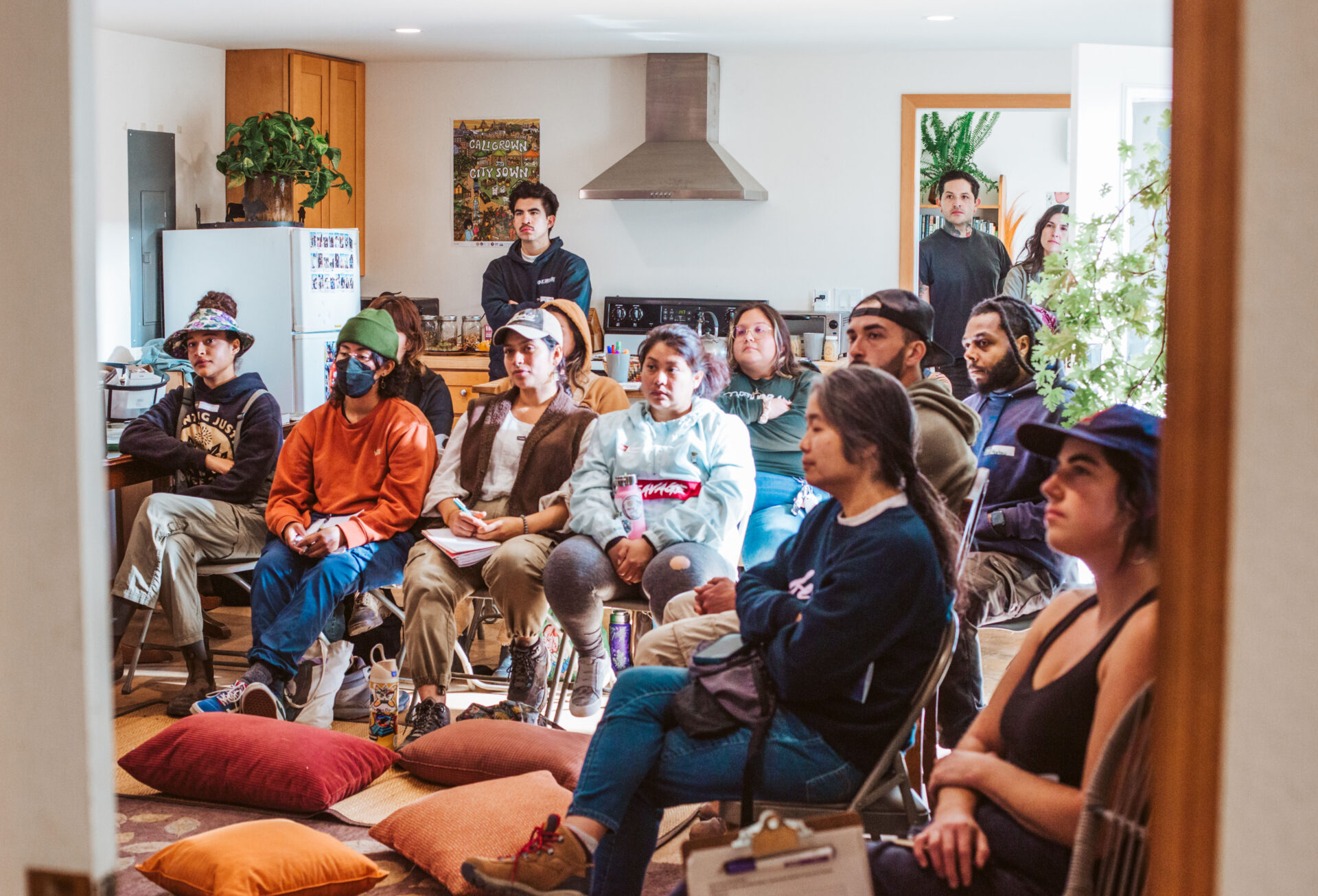
A session at the Watershed Skillshare. Photo: Brooke Porter.