




Is Rising Heat Making It Harder for West Oakland to Breathe?
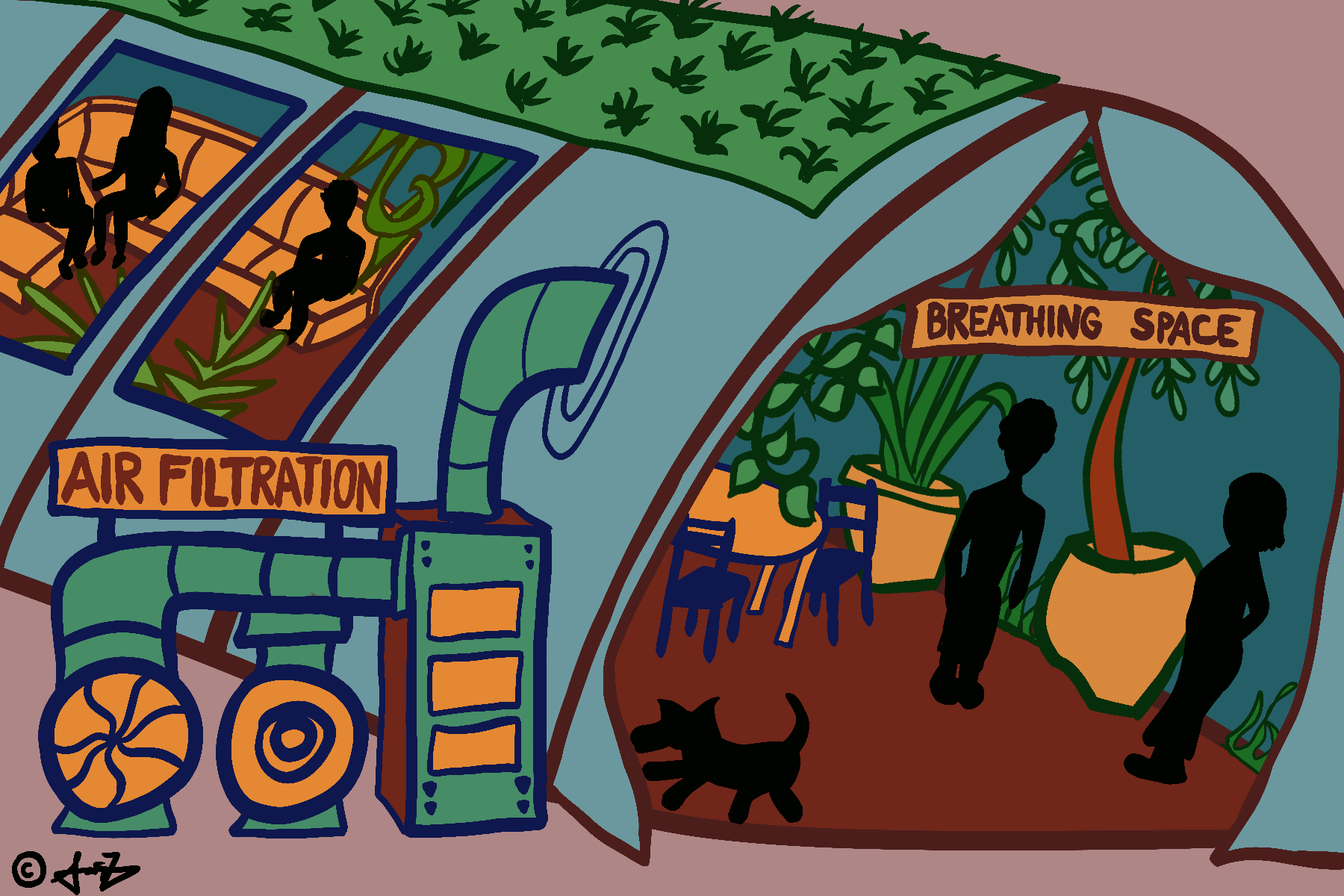
In March, during the hottest winter days ever recorded in the Bay Area and California, Ms. Margaret Gordon stayed home, seeking refuge from the swelter. Like many in West Oakland, she has asthma and is aware of the risks that such high temperatures pose. So she took care of herself as she usually does during a heat wave: closing the windows, lowering the blinds, turning down the thermostat, and running as many fans as she can.
But as a long-time environmental activist, Gordon knows that cooling down at home may not be an option for all of her neighbors.
“Everybody don’t have that type of support,” she says. “Everybody’s not driving a car where they have air conditioning. Everybody don’t have that privilege. There’s a lot of inequities.”
For decades, West Oakland has seen higher asthma rates than surrounding neighborhoods: one in five adults, a state survey found, has been diagnosed, and children are seven times more likely to be hospitalized for it than children anywhere else in California. And climate change is making it worse. Scientists have found that extreme temperatures — both heat and cold — increase the chances of having an asthma attack, because they trigger biological responses that may lead to airway inflammation and constriction. “Climate change is a critical concern for asthma control,” concluded a study that also found children and women to be at higher risk.
Other Recent Posts
Regional Housing Agency Invests in Affordability
The Bay Area Housing Finance Authority is launching a loan program to support the construction of mixed-income rental properties.
The End is Coming for California’s Untouchable Grass
The law, which applies to grass that isn’t used for recreational purposes, could cut urban water use across California by more than 20% says Oakland thinktank.
Sonoma Vineyard Workers Burn toward a Better Future
A group of immigrant farmworkers are forming a worker-owned cooperative to bring back Indigenous burning practices that used to revitalize the soil.
Los trabajadores de los viñedos de Sonoma queman por un futuro mejor
Un grupo de trabajadores agrícolas inmigrantes está formando una cooperativa de propiedad de los trabajadores para recuperar las prácticas indígenas de quema que solían revitalizar el suelo año tras año.
New Voices Shape Design of Berkeley’s North Basin Strip
Twenty acres of parkland between the highway and the Berkeley shore are slated for a coast-resilient makeover, with input from locals and stakeholders.
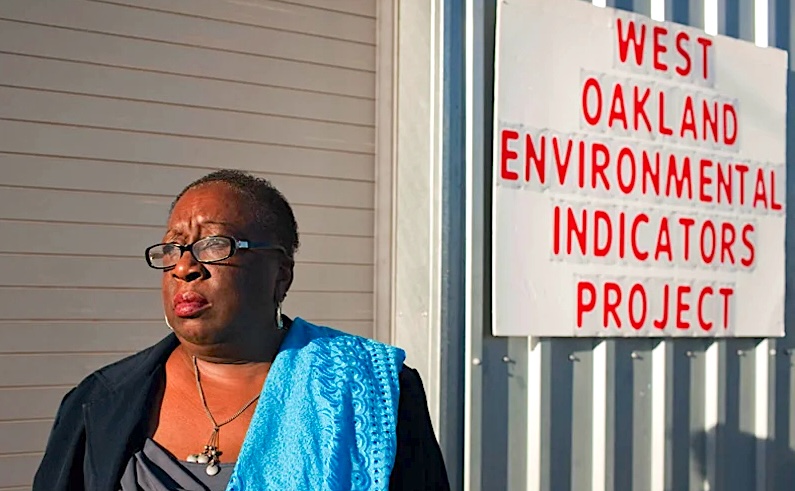
Margaret Gordon. Photo: Earth Justice
We are now living in a world where extreme weather events such as heat waves are going to be more frequent and more intense. In Alameda County, experts have predicted that the number of heat waves could triple from five per year to 15 by 2050. That puts many West Oaklanders in peril, as there are no designated cooling centers in the neighborhood.
“When we have a heat surge, we have a cumulative impact of heat and emissions that can aggravate somebody’s ability to breathe,” says Ms. Gordon. “What happens to the homeless out on the street? What happens to the children in school? Those constituents should have the right to breathe clean air when we have extreme heat days.”
Ms. Margaret Gordon arrived in West Oakland in the early 1990s, and it didn’t take her long to understand why asthma rates were higher there. The neighborhood sits at the back of one of the largest ports in the United States, and it’s ringed by three major freeways. Over the next two decades, she spent her days mapping air pollution and its toll on residents’ health. Her work laid the foundation for research confirming that West Oakland’s elevated rates of asthma and cancer are tied to the toxic air its residents breathe.
The Port of Oakland knows this and has been working on lowering its emissions for the past two decades. Last year, the port took a significant leap. With a $322 million EPA grant, it partnered with West Oakland organizations to electrify its cranes, forklifts, and tractors, aiming to reduce more than 69,000 tons of yearly greenhouse gases by the turn of the decade.
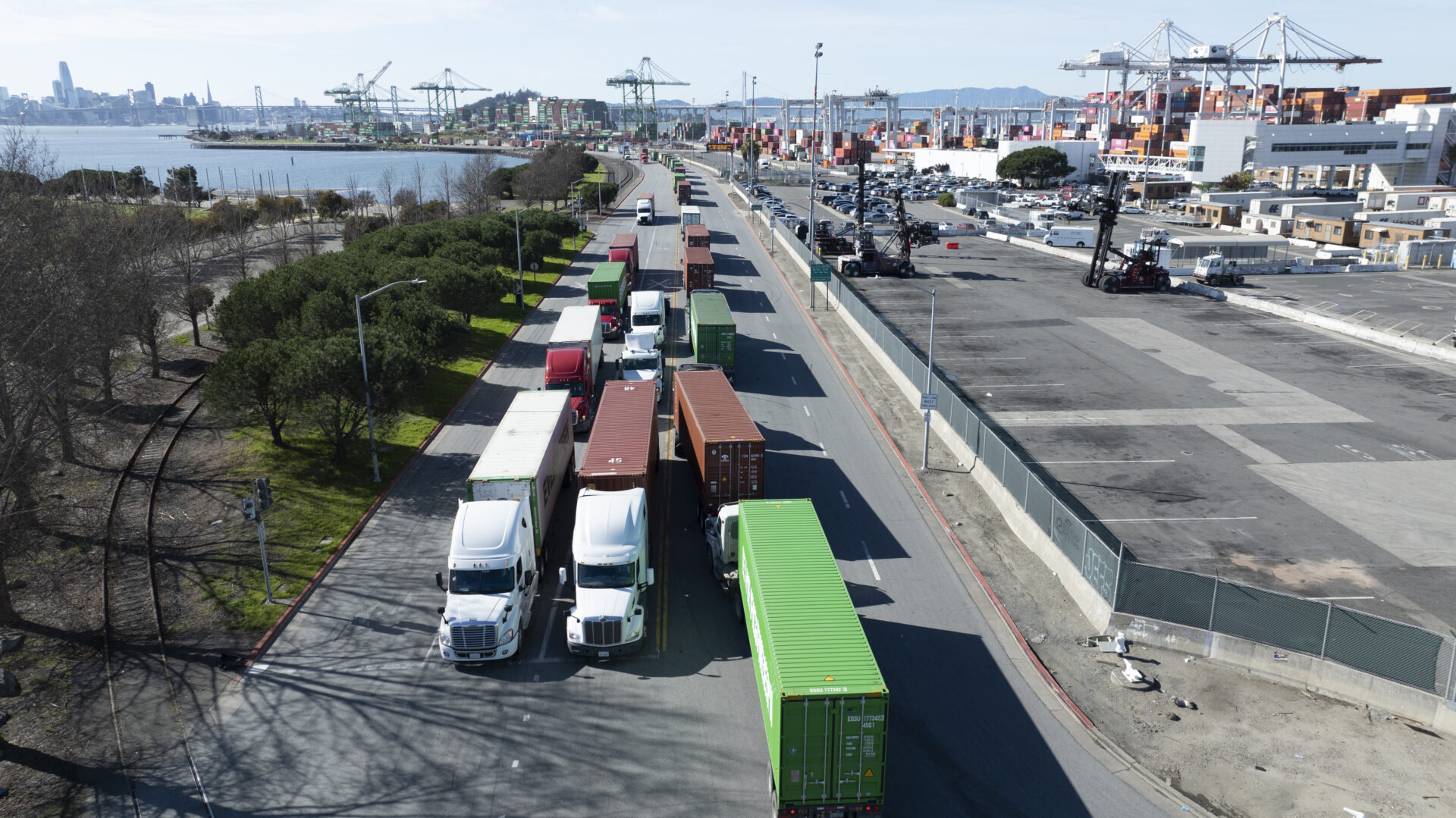
Los camiones recogen la mercancía en el puerto de Oakland. Foto: Karl Nielsen
But the trucks that carry cargo in and out of the port — among the biggest sources of air pollution for surrounding neighborhoods — are not changing. They belong to outside companies and are not covered by the electrification effort. In a push to eliminate this pollution across the state, the California Air Resources Board had planned to retire diesel trucks and trains gradually, but withdrew its plans just weeks before Donald Trump took office, anticipating that the new EPA would refuse to approve them. Gordon recognizes the progress the Port has made, but in a warming world, the trucks that roll daily through the streets of West Oakland continue to worry her.
“We don’t live up on the wharf. We don’t live up on the water,” Gordon says. She and most of her neighbors can hear the cargo trucks rumbling by. “Only the people in Alameda live up on the water.”
MORE
- Learn more about preparing for wildfire smoke from the Bay Area Air District.
- Get local air quality forecasts from Spare the Air.
- KneeDeep Stories About Health
- KneeDeep Stories About Heat
- KneeDeep Stories En Espanol