
Work With Us
Submission Guidelines
KneeDeep Times editors welcome story, film, photo and art submissions on a wide variety of climate resilience topics. Editors are actively working to expand the magazine’s freelance and editorial pool to better reflect California’s diversity.
We sometimes seek time-sensitive pitches on specific topics. Please scroll to bottom to view active pitch requests.
KneeDeep pays up to $1/word for most stories. Preferred lengths are 500 or 1000 words.
We prefer solution-driven stories about the greater San Francisco Bay Area. But we welcome stories about California, the West Coast, or even elsewhere in the country as long as you can add information about what it has to do with our region (example two part story: New Jersey Shells Out for Retreat + Coast Leaders Talk Graceful Withdrawal).
KneeDeep also pays for professional photography, art, and film.
KneeDeep also welcomes opinion or perspective pieces, or letters to the editor (300-1000 words). But we reserve the right to decide whether to publish them or not.
Feel free to contact us, either to introduce yourself and the types of stories you like to cover, or with pitches. Contact the editor Ariel Rubissow Okamoto.
Citizen Stories & Snaps
KneeDeep welcomes citizen stories and personal reflections on climate adaptation and resilience on the California Climate Quilt. Our editors are also available to help you shape and share your story this way. While we do not pay for quilt squares, we hope to organize some occasional prizes for best images and stories soon!
Picture of the Month
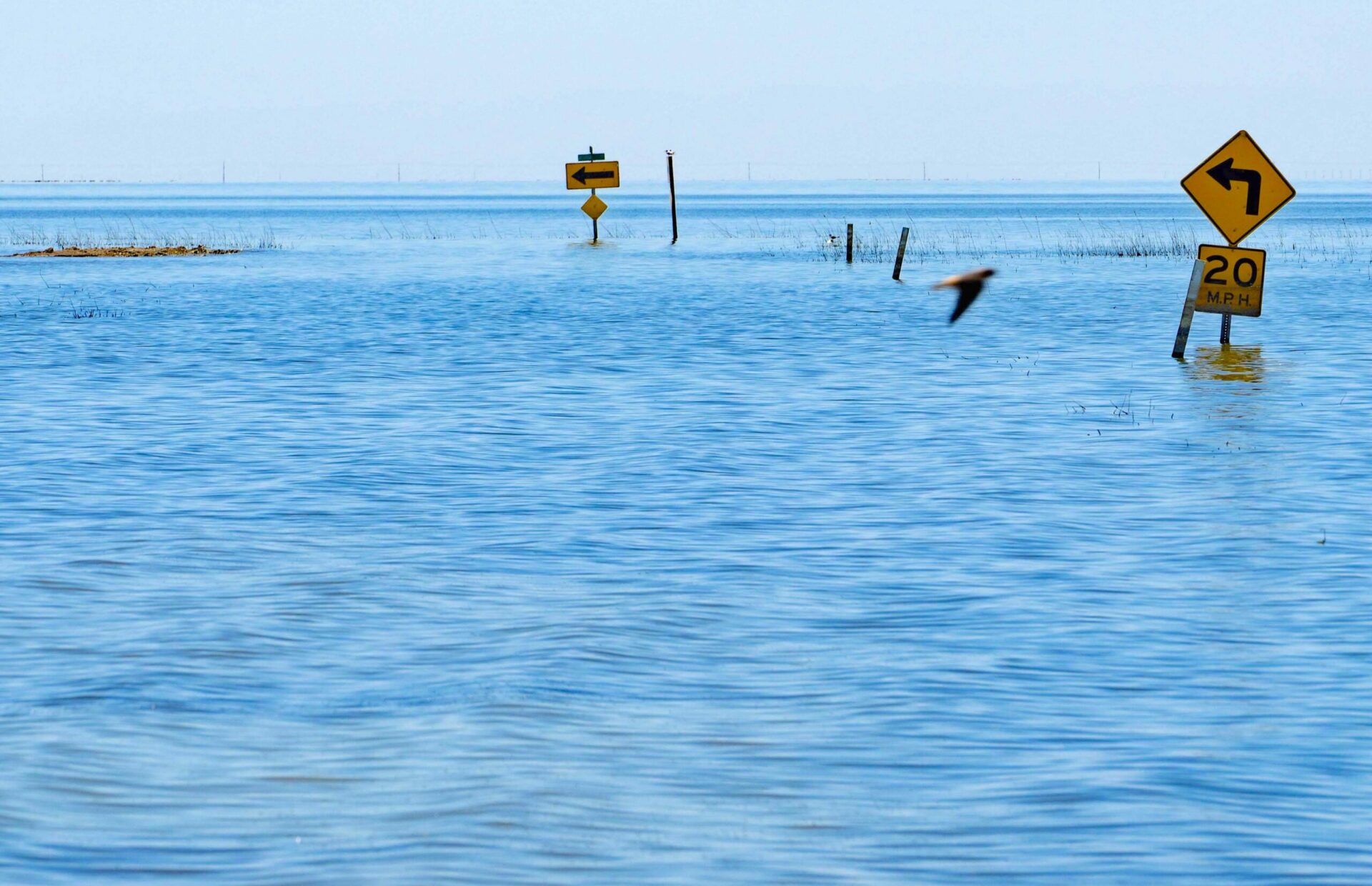
The editors chose a Picture of the Month and feature it at the bottom of the home page. All submissions must be of high resolution and in a horizontal format, and include an interesting caption, either telling the story of what we are seeing in the picture or of what the photographer felt and was trying to capture in the image. We pay up to $100 per picture of the month.
Republication Guidelines
KneeDeep welcomes republication of its stories. See our guidelines here.
Other Recent Posts
Gleaning in the Giving Season
The practice of collecting food left behind in fields after the harvest is good for the environment and gives more people access to produce.
New Study Teases Out Seawall Impacts
New models suggest that sea walls and levees provide protection against flooding and rising seas with little effect on surrounding areas.
Oakland High Schoolers Sample Local Kayaking
The Oakland Goes Outdoors program gives low-income students a chance to kayak, hike, and camp.
Growing Better Tomatoes with Less Water
UC Santa Cruz researchers find the highly-desired ‘Early Girl’ variety yields more tomatoes under dry-farmed conditions.
Santa Clara Helps Homeless Out of Harm’s Way
A year after adopting a controversial camping ban, Valley Water is trying to move unsheltered people out of the cold and rain.
The Race Against Runoff
San Francisco redesigns drains, parks, permeable pavements and buildings to keep stormwater out of the Bay and build flood resilience.
Learning the Art of Burning to Prevent Wildfire
In Santa Rosa’s Pepperwood Preserve, volunteers are learning how controlled fires can clear out natural wildfire fuel before it can spark.
Martinez Residents Want More Than Apologies — They Want Protection
After a 2022 release of toxic dust and a February 2025 fire, people in the northeast Bay town are tired of waiting for safety improvements.
Weaving Fire Protection Out Of What’s Already There
A new Greenbelt Alliance report shows how existing vineyards, grasslands, and managed forests can slow wildfire and save vulnerable homes.
Fall Plantings Build Pollinator Habitats in Concord
Community groups, climate advocates and a church are coming together to plant pollinator gardens as monarchs, bees see population declines.