



Tag: Science
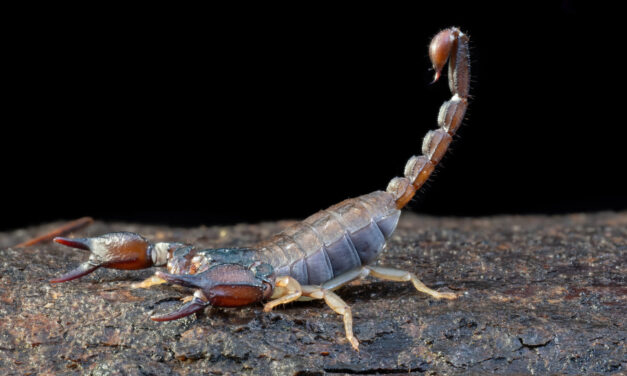
Climate Change, A Scorpion’s POV
From the Sierra Nevada to the Mojave Desert, the state’s native scorpions are losing habitat as heat, wildfires, and development reshape ecosystems.
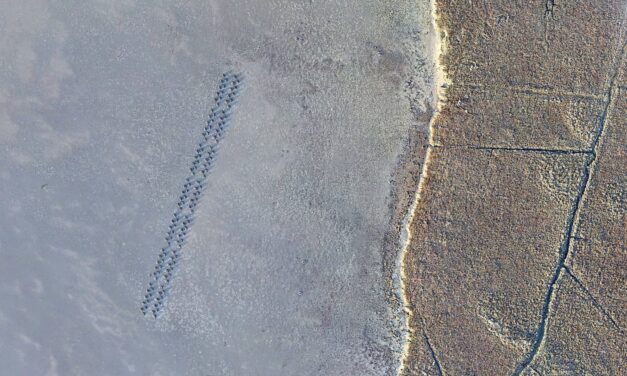
Living Shorelines Test Run Reports Back
A landmark study reveals how oyster reefs and eelgrass can build habitat and fight sea level rise in San Francisco Bay — if scaled up fast enough.
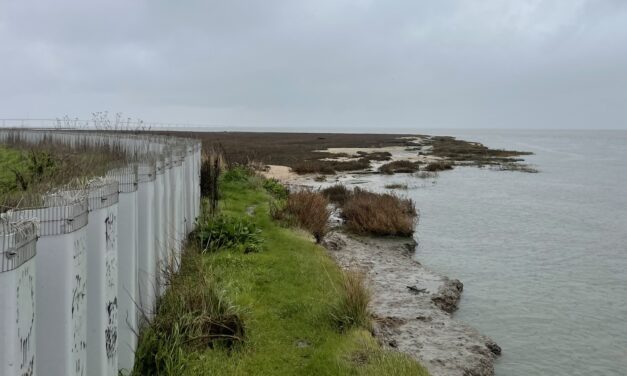
New Study Teases Out Seawall Impacts
New models suggest that sea walls and levees provide protection against flooding and rising seas with little effect on surrounding areas.

All Stories
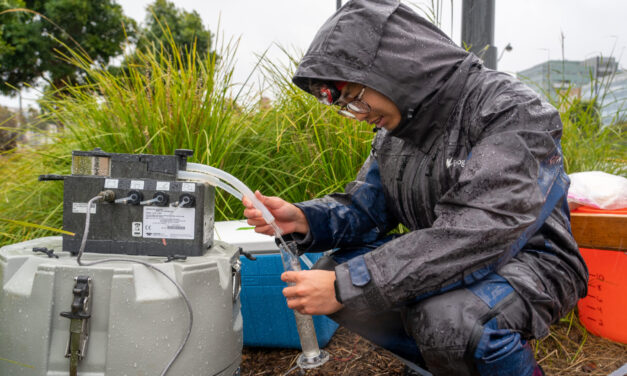
New Study Shows Rain Gardens Filter Chemicals Out of Stormwater
Scientists found rain gardens dramatically reduce toxic chemicals in stormwater while providing biodiversity and cooling.
Climate Change, A Scorpion’s POV
From the Sierra Nevada to the Mojave Desert, the state’s native scorpions are losing habitat as heat, wildfires, and development reshape ecosystems.
Living Shorelines Test Run Reports Back
A landmark study reveals how oyster reefs and eelgrass can build habitat and fight sea level rise in San Francisco Bay — if scaled up fast enough.
New Study Teases Out Seawall Impacts
New models suggest that sea walls and levees provide protection against flooding and rising seas with little effect on surrounding areas.
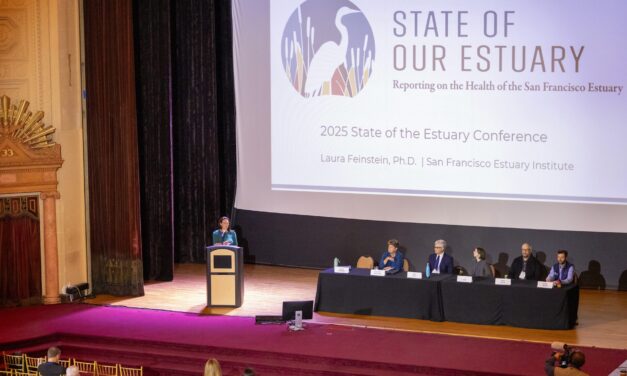
Split Verdict Over State of the Estuary
Habitat restoration and pollution regulations are holding the Bay steady, but the Delta is losing some of its ecological diversity, says SF Estuary Partnership scorecard.
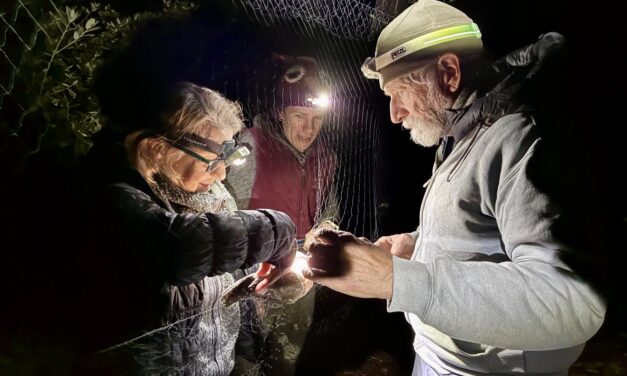
Volunteers Catch and Release Tiny Owls For Science
In Santa Rosa, citizen scientists capture northern saw-whet owls to help further research on climate impacts to the bird.
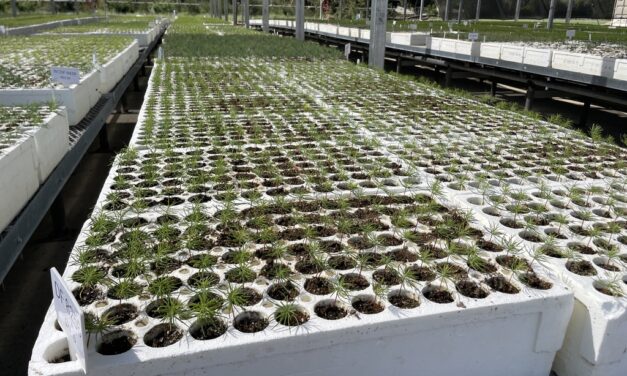
Reforesting a Fiery, Warming World
To survive climate change, California forests need more than re-planting — they need seedlings matched to tomorrow’s conditions.
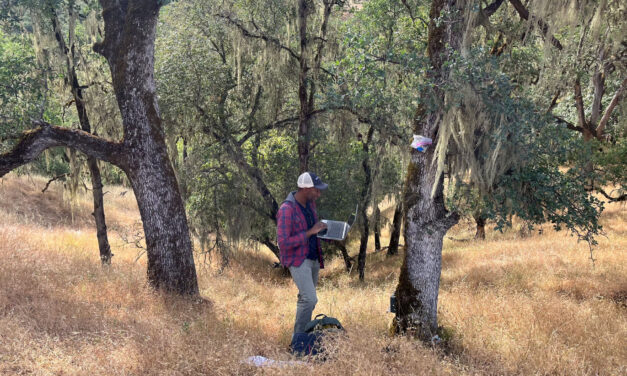
Birds, Not Bats, Flock to Burned Oak Savannas
A new study has found that birds are thriving in the nutrient rich oak savannas that burned in the 2018 Mendocino Complex Fire. But bats, not so much.
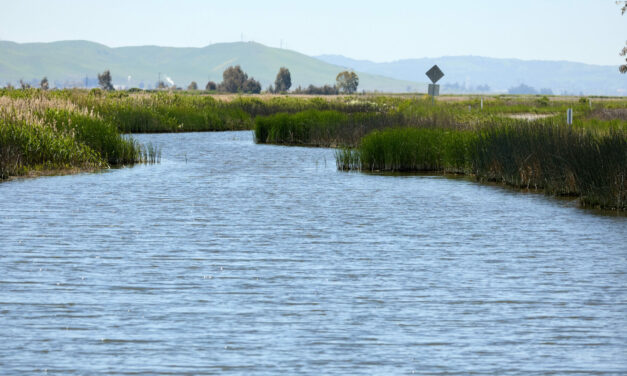
Suisun Marsh, a Zone of Potential in a Sinking Ecosystem
A fresh report from SF Estuary Institute and the prospect of major development along the marsh’s borders are putting Suisun back in the news.
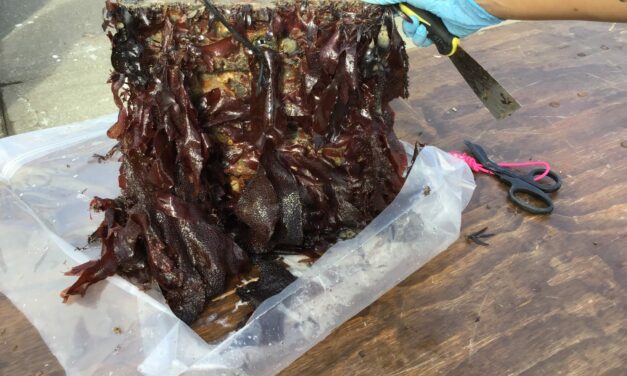
Nine Tiles Hint at Preferred Textures for Seawall Life
A two-year experiment suggests seawalls with nooks and crannies attract more seaweed, crabs, oysters and other bay creatures than smooth ones.
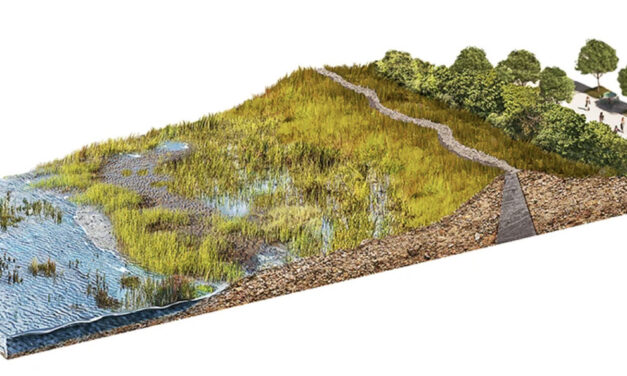
New Metrics on Hybrid Gray-Green Levees
UC Santa Cruz research project investigates how horizontal “living levees” can cut flood risk.
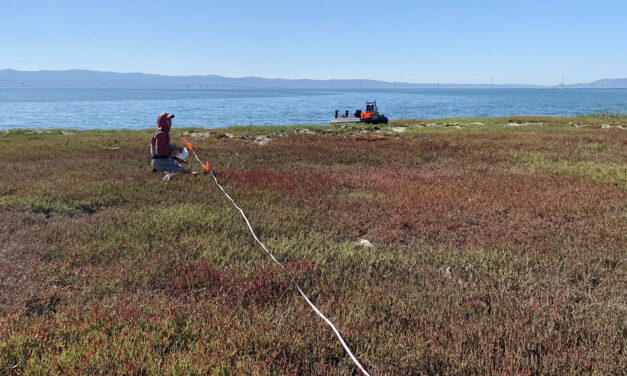
Boxes of Mud Could Tell a Hopeful Sediment Story
Scientists are testing whether dredged sediment placed in nearby shallows can help our wetlands keep pace with rising seas. Tiny tracers may reveal the answer.