



Refreshing Santa Clara County Rivers
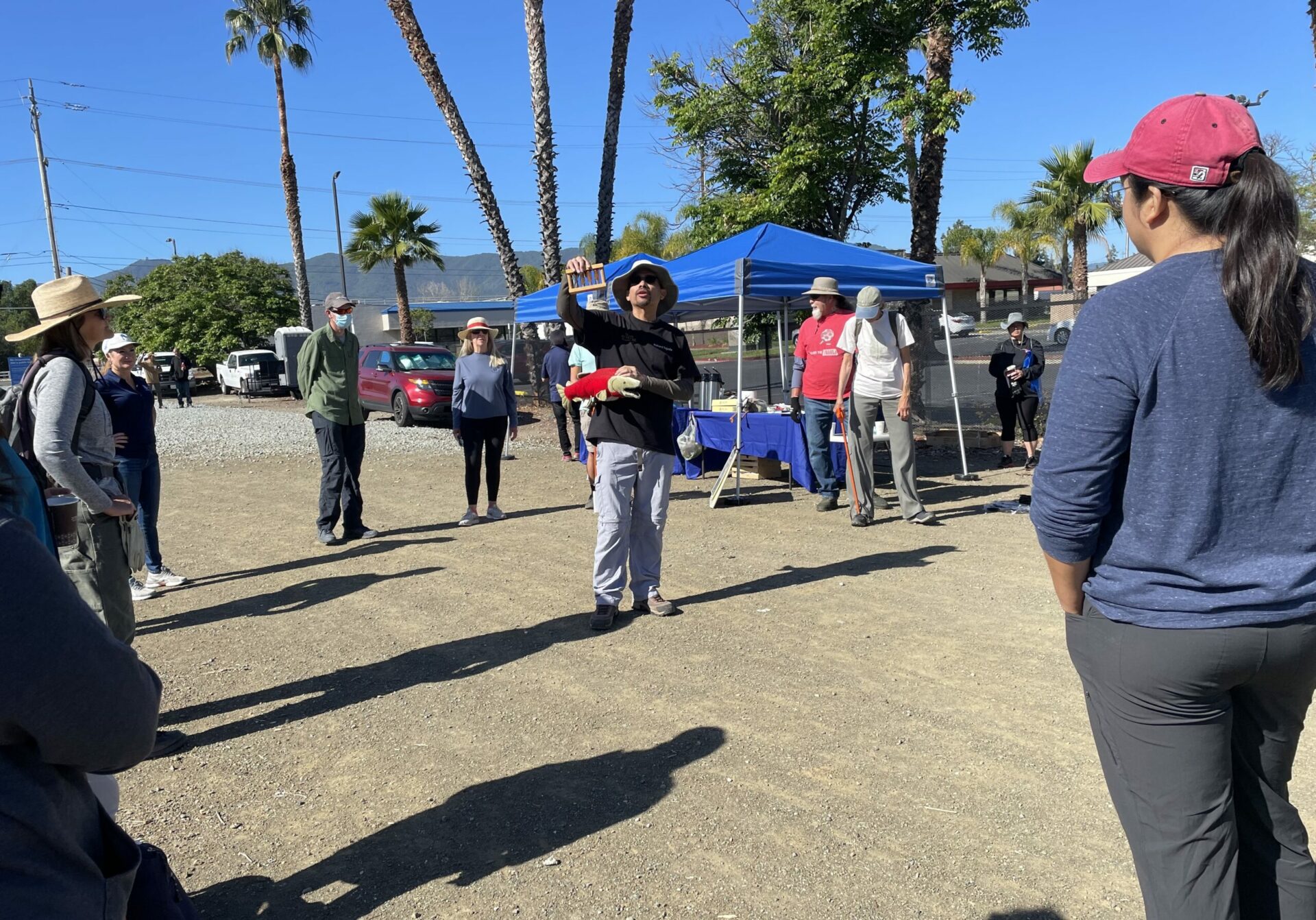
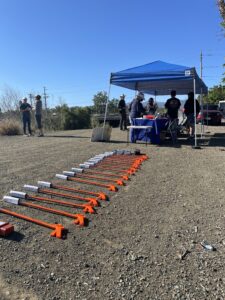
More than 500 volunteers with trash pickers in hand scoured 36 miles of Santa Clara County riverbanks on May 21, collecting over 25,000 pounds of trash for National River Cleanup Day.
The annual event, put on locally by Valley Water and Creek Connections Action Group, was first started in 1991 by American Rivers. The event focuses on protecting rivers, watersheds and ecosystems from trash and litter. Since 2007, the local event has resulted in almost 475,000 pounds of trash collected from sites across Santa Clara County. Nationally, 32 million.pounds have been removed from American waterways in the last three decades.
“It was one of the first times in two years, since the start of the COVID-19 pandemic, when we actually had organized group cleanups for National River Cleanup Day,” says Nick Ingram, a representative from Valley Water.
At one cleanup site, Valley Water partnered with Saved by Nature and Opening Doors 2020 to provide hot meals and hygiene kits to the unhoused people in the area.
“Some of the unhoused that were there joined our cleanup efforts,” Ingram says. “They grabbed gloves, trash pickers and a bag and joined the volunteers. Everyone had a great time.”
While the results of these trash cleanups leave rivers looking pristine, they also result in several expected — and unexpected — environmental benefits.
“Once a piece of trash enters a storm drain or stream it may continue downstream and affect many other water bodies (creeks, streams, rivers, lakes, estuaries, bays, ocean…),” according to a fact sheet released by the State Water Resources Control Board.
Cleaning up trash, especially around waterways, can help protect ecosystems that rely on that water source. Debris in rivers and creeks that flow into San Francisco Bay can entangle wildlife, disrupt migration patterns and even release harmful chemicals.
Other Recent Posts
Regional Housing Agency Invests in Affordability
The Bay Area Housing Finance Authority is launching a loan program to support the construction of mixed-income rental properties.
The End is Coming for California’s Untouchable Grass
The law, which applies to grass that isn’t used for recreational purposes, could cut urban water use across California by more than 20% says Oakland thinktank.
Sonoma Vineyard Workers Burn toward a Better Future
A group of immigrant farmworkers are forming a worker-owned cooperative to bring back Indigenous burning practices that used to revitalize the soil.
Los trabajadores de los viñedos de Sonoma queman por un futuro mejor
Un grupo de trabajadores agrícolas inmigrantes está formando una cooperativa de propiedad de los trabajadores para recuperar las prácticas indígenas de quema que solían revitalizar el suelo año tras año.
New Voices Shape Design of Berkeley’s North Basin Strip
Twenty acres of parkland between the highway and the Berkeley shore are slated for a coast-resilient makeover, with input from locals and stakeholders.
It’s Always Sunny In North Fair Oaks
Residents of the unincorporated community launched their second campaign in two years to get the county to care for dying street trees.
Siempre está soleado en North Fair Oaks
Los residentes de la comunidad no incorporada lanzaron su segunda campaña en dos años para lograr que el condado se ocupe de los árboles de la calle que se están muriendo.
Can Nature Help California’s Coast Fight Fire and Floods?
Local and state leaders gather for September summit on how to mainstream nature-based infrastructure.
Guide to Nature-Based Infrastructure Around the Bay Area
Regional leaders are testing eight types of climate adaptation and shoreline flood protection projects that work with nature instead of against it. Here’s an overview.
How Can I Get Clean, Green, Climate-Forward Job Training in the Bay Area?
Looking for a hands-on job working outdoors that actually pays? Here’s a list of training programs.
Decomposing wastes and plastics also contribute to greenhouse gasses and thus climate change. Experts say disposing of your waste properly, recycling when applicable, and reducing your single use plastic waste can all help reduce the impact on the environment.
“Keeping litter off our streets and public areas will ultimately help keep it out of our waterways, and reduce the trash we need to pick up during these events,” says Ingram.
Tools of the trash pick up trade allow volunteers to keep refuse at arm’s length. Photo: Valley Water.