



Republication
We welcome republication of our reporting from outside media groups and sites, in particular other public-interest or Bay Area based outlets. Please adhere to the following guidelines when republishing our work.
General Guidelines for Republication
1. You must give us credit, ideally in this format: “By Sierra Garcia, KneeDeep Times.”
2. If you publish online, you must include the links from the story, and a link to kneedeeptimes.org.
3. It’s fine to change the story to suit your in-house style (for example, using “Burlingame, CA” instead of just “Burlingame.”)
4. If you make changes that are more significant than style tweaks — such as adding a comment from a local official — you need to include a note like this: “Additional reporting by Daisy Choi.”
5. You can publish our photos and graphics with the stories with which they originally appeared (be sure to include photo and artist credits). For any other uses, you must seek explicit written permission from us first.
6. When possible, include the following: The KneeDeep Times is a not-for-profit digital magazine reporting on climate resilience and adaptation, with a focus on the San Francisco Bay Area and surrounding regions.
7. If you share the story on Instagram, Twitter, Facebook, or LinkedIn, please mention or tag @KneeDeepTimes.
8. There is no charge for republication.
9. Don’t sell the story.
If you have a question about any republication guidelines, please ask news-team@kneedeeptimes.org before proceeding.
Additional Multimedia Guidelines
You can’t change video or audio packages in any way (included shortening) without receiving clear written approval from our editors. If you’ve been given approval to shorten our multimedia content, please provide a verbal or visual courtsey credit — verbal: i.e. “Original story/reporting from partners at the KneeDeep Times.” For visual credit, include in text ‘KneeDeep Times’ on-screen.
Original multimedia assets and files are available upon request from editor@kneedeeptimes.org.
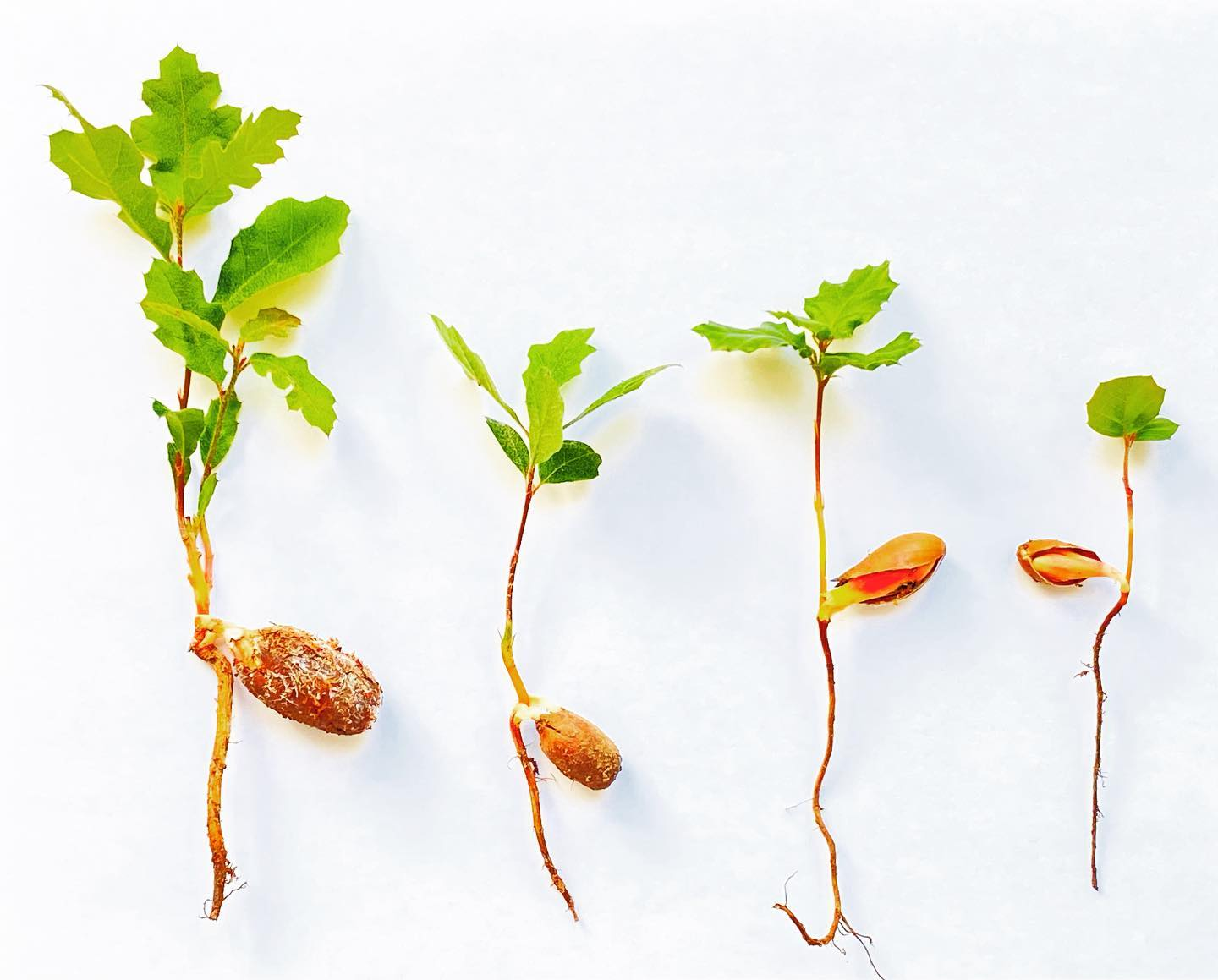
Top photo: Oak acorns by Robin Meadows.
Other Recent Posts
Fire Weather in the Wind
As the hot Nevada air cools every fall, it gets pushed west to lower pressure areas over the Central Valley, where the wind heats up and dries out.
My Morning Cleaning Up the Oakland Estuary
On Oakland’s Creek to Bay Day, I joined 100 volunteers for I Heart Oakland-Alameda Estuary to remove shoreline trash.
RCDs Pay Extra Attention to North Bay High Schoolers
A $13,500 grant will help three North Bay conservation districts evaluate youth education programs and prepare high school students for environmental careers.
Creeks Make Good & Bad Homes
San Jose State researcher Costanza Rampini explores why the houseless favor creek banks, and how they weather the flood risk.
Bay Area Braces for Record-Breaking El Niño
Record high water temperatures in the Pacific are expected to bring dangerous sea level rise, waves, and rain to the region this winter.
Regional Housing Agency Invests in Affordability
The Bay Area Housing Finance Authority is launching a loan program to support the construction of mixed-income rental properties.
The End is Coming for California’s Untouchable Grass
The law, which applies to grass that isn’t used for recreational purposes, could cut urban water use across California by more than 20% says Oakland thinktank.
Sonoma Vineyard Workers Burn toward a Better Future
A group of immigrant farmworkers are forming a worker-owned cooperative to bring back Indigenous burning practices that used to revitalize the soil.
Los trabajadores de los viñedos de Sonoma queman por un futuro mejor
Un grupo de trabajadores agrícolas inmigrantes está formando una cooperativa de propiedad de los trabajadores para recuperar las prácticas indígenas de quema que solían revitalizar el suelo año tras año.
New Voices Shape Design of Berkeley’s North Basin Strip
Twenty acres of parkland between the highway and the Berkeley shore are slated for a coast-resilient makeover, with input from locals and stakeholders.