

Inside SLR Baseball, My Summit Takeaways
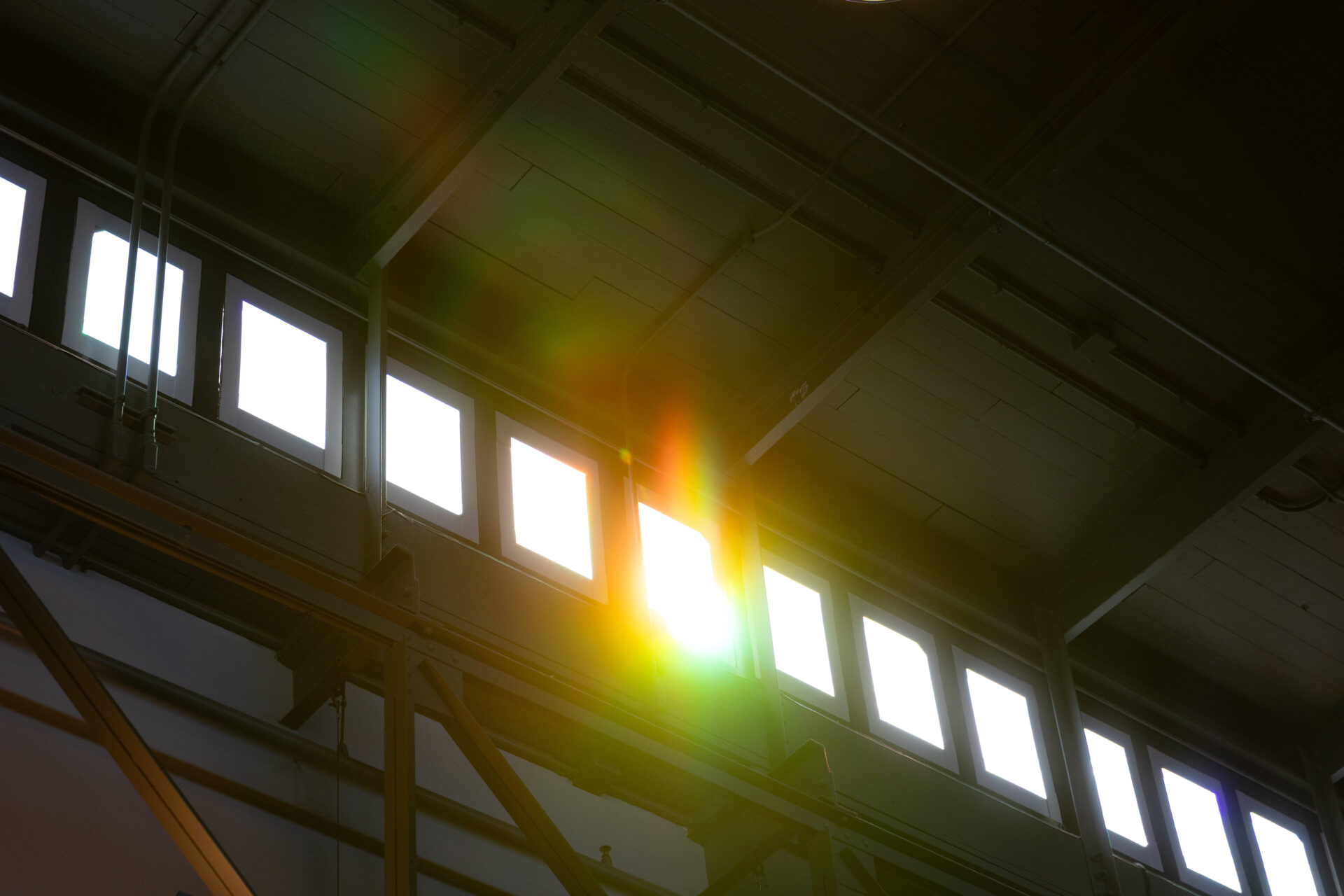
As Mondays go, the day couldn’t have been brighter. Bright both from the sun bathing us in colored beams as it filtered through prisms in the Exploratorium’s rafters on November 9. And bright with the energy in the room, the sense of both momentum and mojo, at the third Rising Together summit of everyone in the region involved in planning for a bigger, higher Bay.
“Every single person that calls themselves a Californian has a deep love of the ocean, but it’s coming for our coast,” said the summit’s keynote speaker Rosanna Xia, a Los Angeles Times reporter and the author of California Against the Sea.
As she spoke about the need for empathy, deep listening, and radical thinking, she pointed out various people in the room she had interviewed for her book, including the person sitting next to me, Lindy Lowe, a hazard resilience planner with ERG. Lowe was a source for some of my own earliest stories as a climate reporter. I too had interviewed many people in the room as managing editor of KneeDeep Times.
The room, in this case, was a vast chamber in the middle of the Exploratorium’s main drag. The people there ranged from planners, scientists, designers, and academics to community activists and regulators, all invited by the event co-sponsors: The Exploratorium, the SF Bay Conservation and Development Commission, and Greenbelt Alliance. I had attended this summit twice before, and it was awash with both gray hair and young blood, though I recognized many faces from my climate beat.
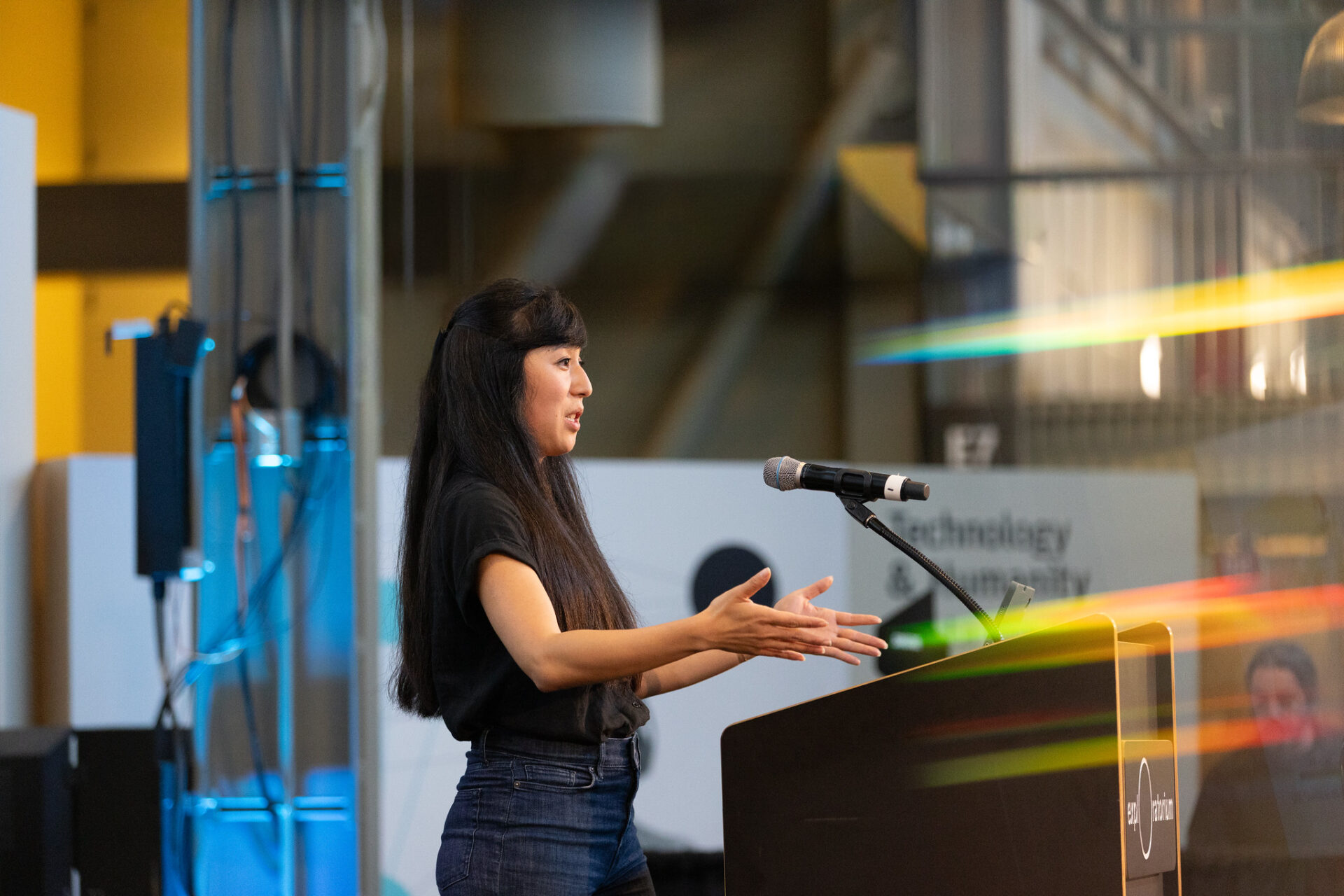
LA Times reporter Rosanna Xia. Photo: Nicholas Lea Bruno, Courtesy BCDC
As all 300 of us listened to Xia’s speech, the audience leaned forward. We were being “roused.”
“People tend to remember the stories you tell them, not the data,” said Xia. I smiled, thinking to myself that if that wasn’t true, I wouldn’t have a job.
The summit offered a mix of field trips, workshops, and awards. But the main event, apart from the speech, was an afternoon of progress reports and breakout sessions.
Stepping to the podium, BCDC’s Dana Brechwald reported that so far, 11 subregional sea level rise adaptation plans covering a total of 15 jurisdictions are underway, while 18 additional jurisdictions have gotten SB1 grants to create plans, all under an ambitious regional planning process her agency is shepherding.
“Recent flooding with king tides is really reminding us of the urgency of addressing sea level rise, and the need to explore not only public but private investments in adaptation,” said Brechwald.
“We need big changes, not incremental ones,” said BCDC’s chair Zack Wasserman.
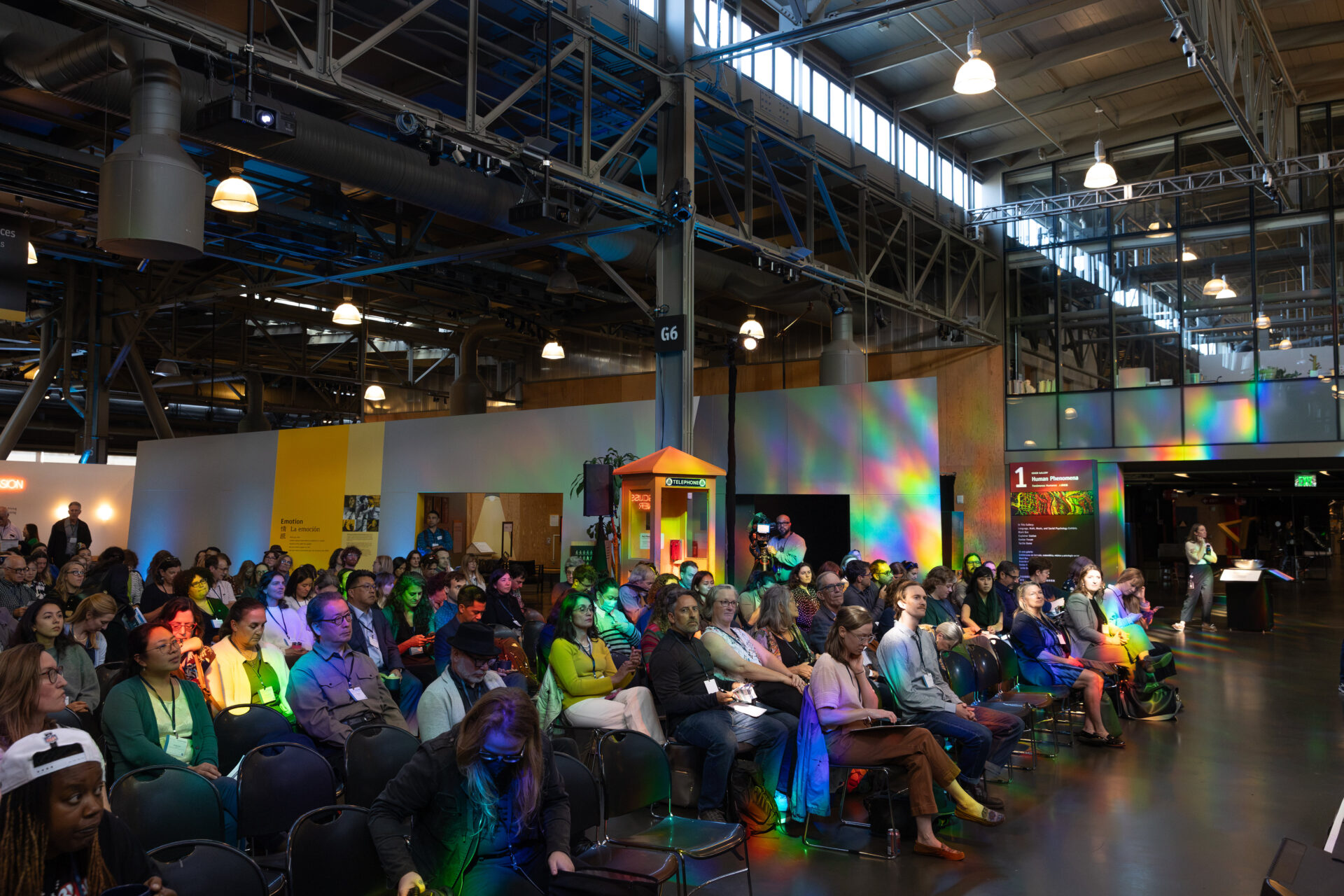
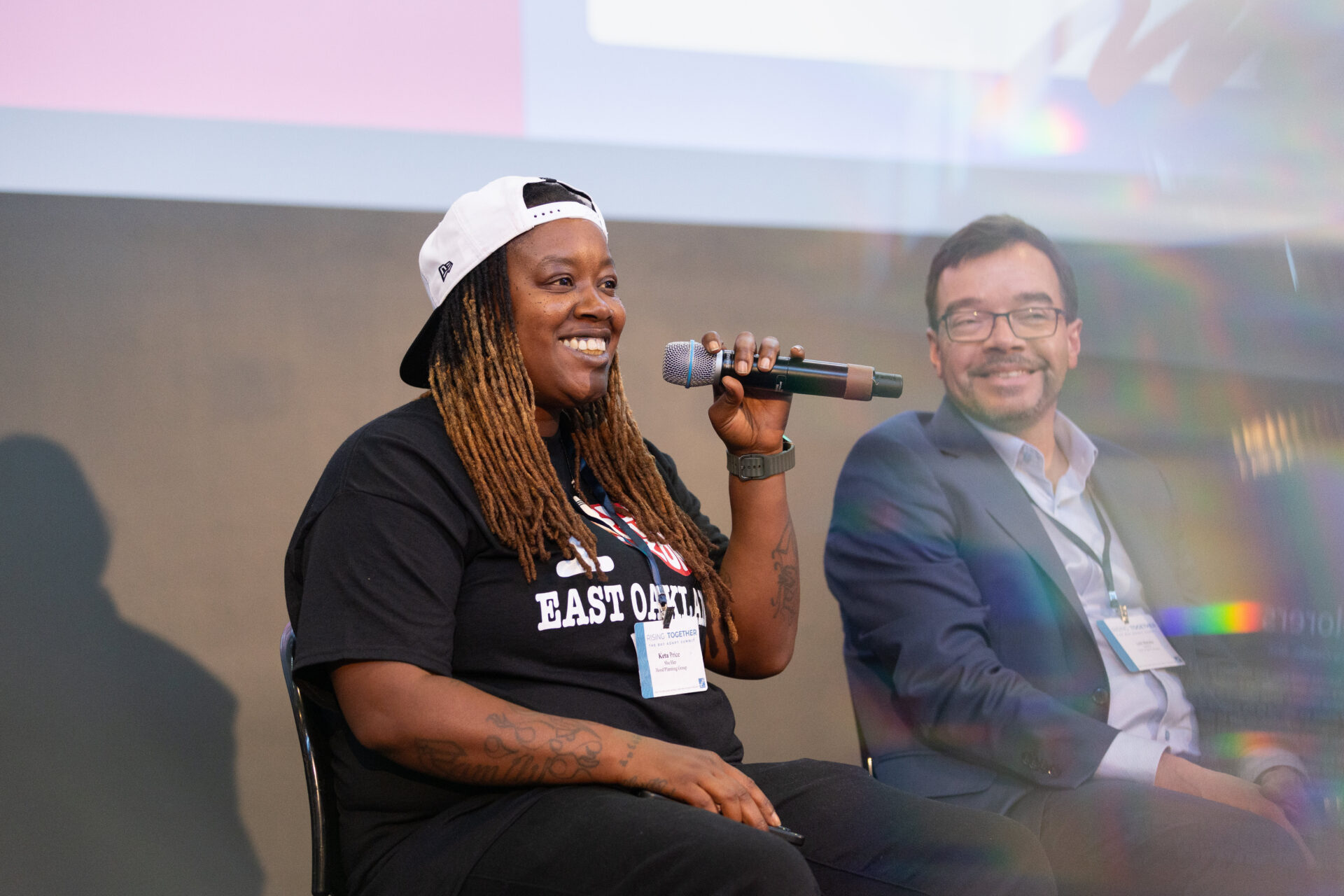
The summit also included several thought-provoking panels. Panels can be a yawn, but these had the right people and the right facilitators to daylight some truths. I found myself trying to practice what Xia had called “deep listening.”
“The crisis is coming fast, and more cooperation with other agencies could improve the speed of decision-making,” said Port of San Francisco resilience planner Luiz Barata.
“In our community, we can only move at the speed of trust,” said Keta Price, a planner and activist from Oakland offering her take on “urgency.”
“There may be trade-offs, things we want to do that make sense for sea level rise planning but not for the protection of cultural resources on the Bayshore,” said Richmond planner Lina Velasco, referring to her collaboration with Tribes to identify shellmounds and other sacred sites.
“There’s a difference between consultation and meaningful consultation with Tribes,” added Deja Gould of the Lisjan Nation.
As the afternoon wore on, BCDC’s Larry Goldzband asked a panel of top decision-makers some tough questions about fairness, affordability, and next steps, and everyone in the room began thinking about money.
“The cost of adaptation in Marin County relative to the size of Marin County surprised me,” said panelist Nadia Seeterman, who before taking the job of chief climate officer for the county worked at an entirely different scale in New York City.
Looking up to the podium, I admired the extra inches on the stiletto heels of her leather boots, compared to my frumpy flats.
“We need to tell the story from the point of view of the beneficiaries of adaptation, the public good,” said Seeterman.
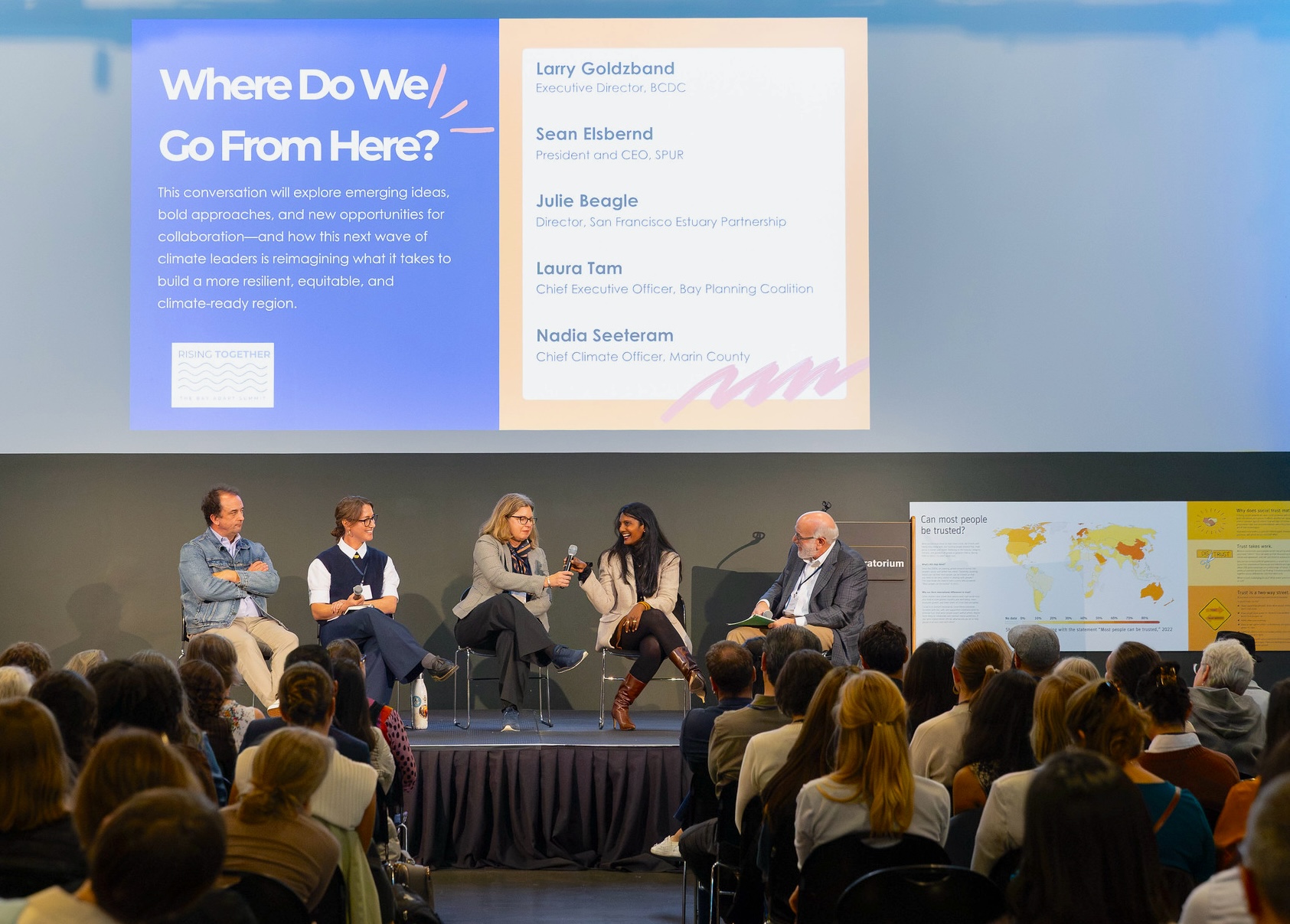
L-R: Sean Elsbernd, SPUR; Julie Beagle, SFEP; Laura Tam, Bay Area Council; Nadia Sweeterman, Marin County; Larry Goldzband, BCDC. Photo: Nicholas Lea Bruno, Courtesy BCDC
The “most benefits for the most people” has been a mantra of sea level rise adaptation in our region, but it is often more costly and time consuming, and it is not always “fair” to those with fewer resources, an outcome on the minds of many panelists.
“Fairness is a team sport. There is no one-size-fits-all. Some people have longer or more complicated shorelines,” said the Bay Area Council’s Laura Tam.
“Fair implies we’re all starting from the same place,” said Julie Beagle, the new director of the SF Estuary Partnership. “Fairness doesn’t start today, it starts with our whole history of redlining and contamination of the shoreline, with who is still struggling. Not everyone lives in Foster City. To address today’s challenges, we need to bring together unlikely partners in radical collaborations.”
“We may need a horrific event to push stragglers to the table,” said Sean Elsbernd, the CEO of SPUR, echoing talk about how Hurricanes Sandy and Katrina galvanized strong action, and admitting he had a “jaded, glass half empty” perspective. SPUR helped shepherd San Francisco’s rocky road to a roadless future for Ocean Beach’s dunes.
While other coasts have had no problem investing in retreat, recovery, and new, more flexible infrastructure after disasters, Elsbernd is right — the Bay Area’s flooded future still seems like a slow-moving, non-urgent threat.
The hope is that the super king tides this winter, amplified by the super El Niño, get enough ground wet that the pain of adaptation ahead, both physical and financial, triggers a stronger response from the general populace.
Including withdrawal from the reach of the spreading ocean.
“Sunset Dunes is not just a park. It’s an example of managed retreat we have to replicate,” said Elsbernd.
To me, three summits later, the momentum in the room on November 9 was heartening. The blue tsunami might help, but the people in that room know what they’re doing, and who to talk to, and where the science and data is, and how to practice that deep listening and radical rethinking. They’re as prepared as any region can be, but things could get away from us.
“What we don’t do today closes the door on opportunities for the future,” said Beagle.
“Institutions need to adapt to meet this moment,” said Seeterman.
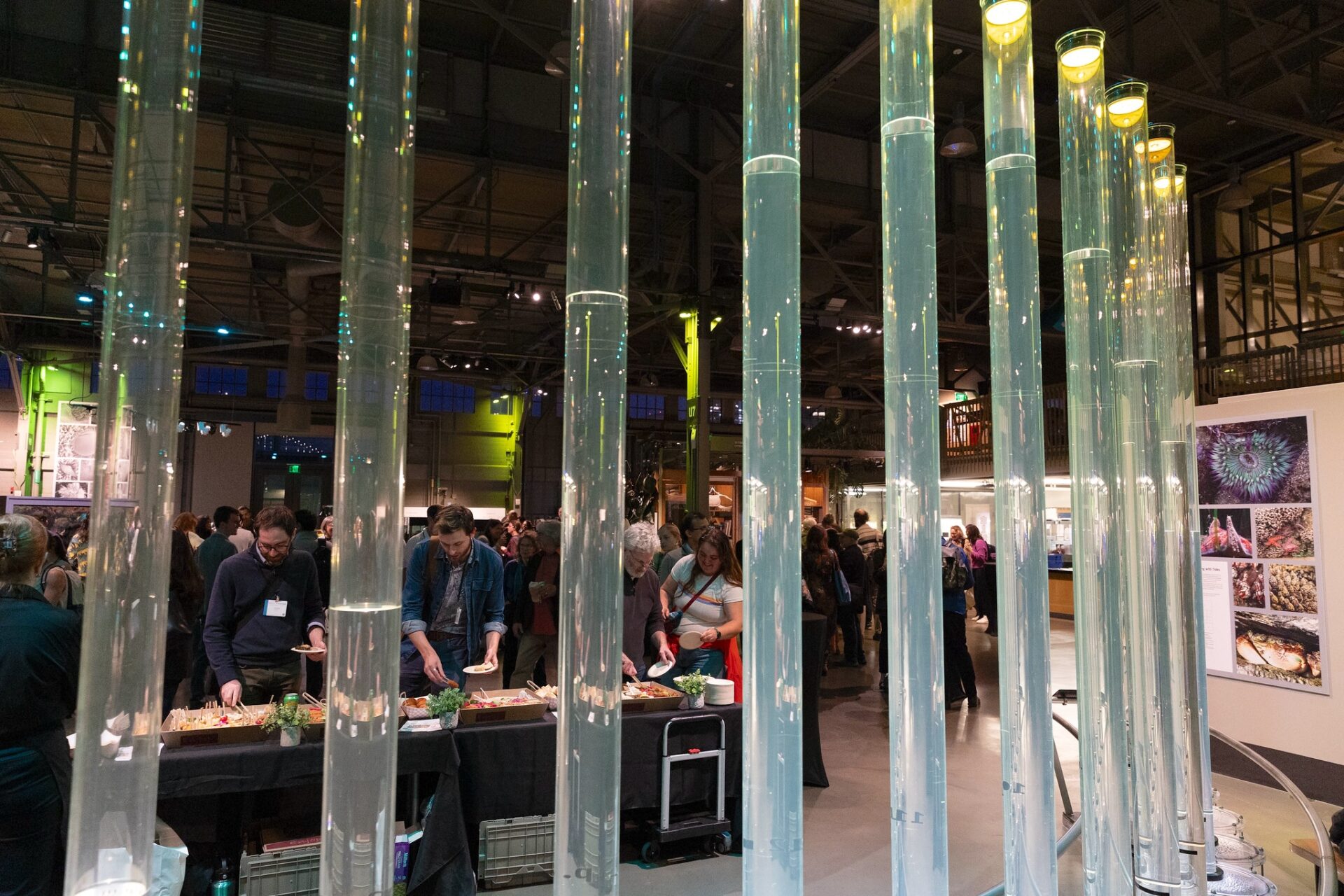
Photo: Nicholas Lea Bruno, Courtesy BCDC
After a swanky reception with artisan Aram sandwiches, I headed home along the Embarcadero seawall, enjoying a fossil-free walk over the bulwarks and cobbles that will cost so very much to protect from sea level rise until I had to make a run for the streetcar.
Thank goodness for my frumpy flats.
MORE
- Check Status of Sub-Regional Plans Bay Area
- What I Learned About Sea Level Rise at a Regional Summit, KneeDeep, October 2025
- The Hardest & Most Important Thing to Do Next: Education, KneeDeep, September 2025