


¿La ecoansiedad te tiene desanimado? Hay un grupo para eso
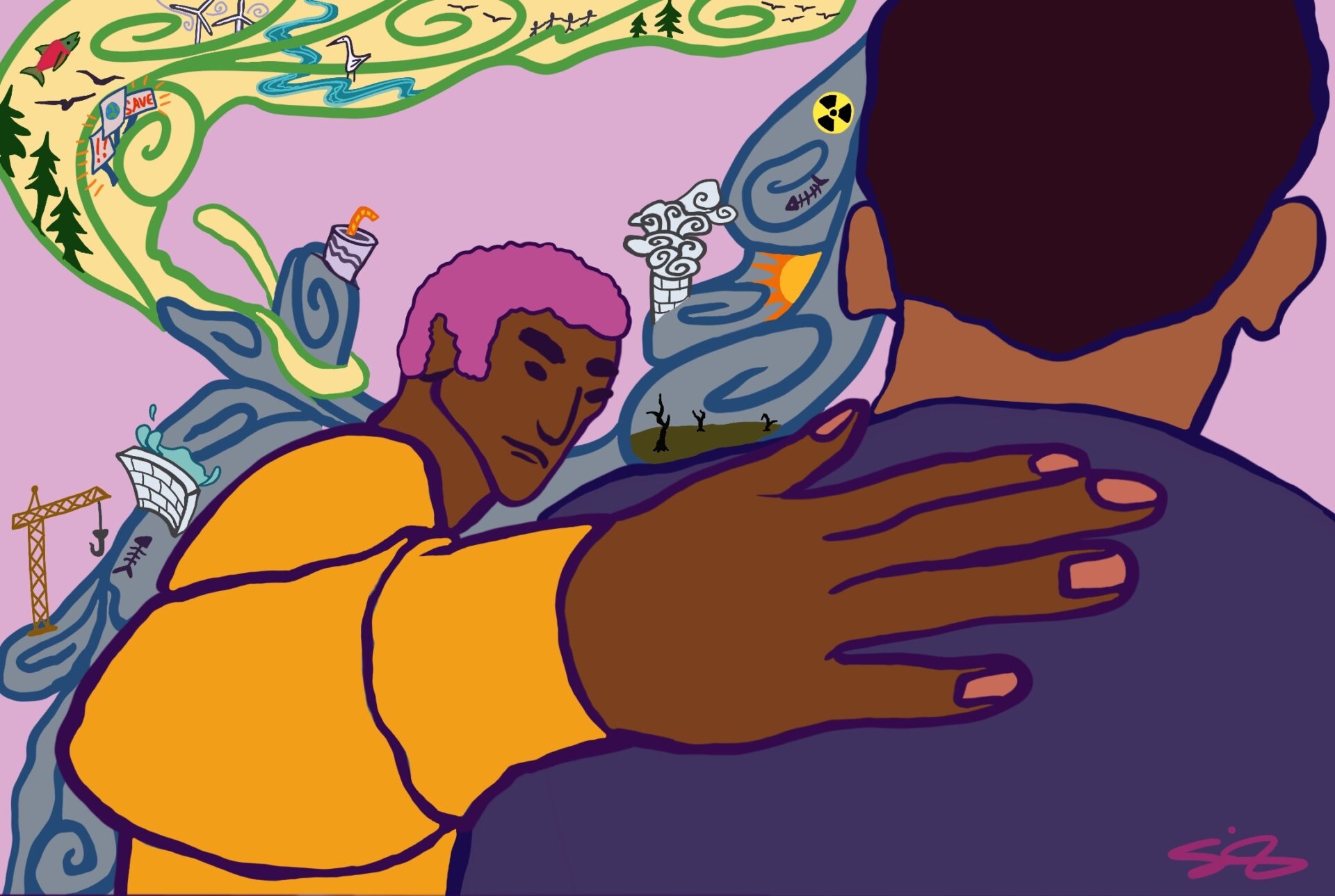
Era el 2020, y Katie Flint, una directora de documentales que vivía en el condado de Sonoma, lidiaba con la doble crisis de la pandemia del COVID-19 y el humo producido por cientos de incendios en el norte de California, desatados por inusuales y devastadoras tormentas eléctricas.
“Había llegado al límite; me sentía agotada por el estado del mundo”, dice Flint. “Así que literalmente busqué en Google ‘grupo de apoyo para ecoansiedad’ y encontré Good Grief Network.”
Fundado en 2016 por Laura Schmidt y su esposa, Aimee Lewis Reau, Good Grief Network ofrece grupos de apoyo para trabajar el duelo climático, liderados por personas que pasaron por el programa y fueron capacitadas para facilitarlos. Inspirado en programas de doce pasos como Alcohólicos Anónimos, el programa dura diez semanas en las que los participantes pasan por etapas como “Aceptar la gravedad de la situación” y “Honro mi mortalidad y la mortalidad de todos”.
Fue así como Flint terminó en un Zoom con desconocidos de distintas comunidades que sentían cosas similares.
“Todos estábamos ahí simplemente diciendo cuánta tristeza nos daba el estado del mundo”, dice. “Y por mucho que suene como, ‘oh Dios, eso es tan horrible, sombrío y catastrófico’, en realidad me alivió muchísimo.” Desde ese primer grupo al que asistió en 2021, Flint se convirtió en facilitadora, filmó un documental sobre GGN y hoy preside la junta directiva de la organización.
La angustia ecológica es un desafío para la salud mental que ha ido creciendo a nivel mundial. En 2023, el 58% de los jóvenes encuestados en un estudio realizado en Estados Unidos dijo estar “extremadamente preocupado por el cambio climático”. Más de 5.500 personas de varios lugares del mundo han participado en los grupos de GGN, y la organización está trabajando en un nuevo programa de cinco semanas dirigido a adolescentes y a quienes se consideran adultos mayores.
GCN también ofrece becas y tarifas según los ingresos y está recaudando fondos para ampliar el acceso a quienes no pueden costearlo.
Other Recent Posts
Regional Housing Agency Invests in Affordability
The Bay Area Housing Finance Authority is launching a loan program to support the construction of mixed-income rental properties.
The End is Coming for California’s Untouchable Grass
The law, which applies to grass that isn’t used for recreational purposes, could cut urban water use across California by more than 20% says Oakland thinktank.
Sonoma Vineyard Workers Burn toward a Better Future
A group of immigrant farmworkers are forming a worker-owned cooperative to bring back Indigenous burning practices that used to revitalize the soil.
Los trabajadores de los viñedos de Sonoma queman por un futuro mejor
Un grupo de trabajadores agrícolas inmigrantes está formando una cooperativa de propiedad de los trabajadores para recuperar las prácticas indígenas de quema que solían revitalizar el suelo año tras año.
New Voices Shape Design of Berkeley’s North Basin Strip
Twenty acres of parkland between the highway and the Berkeley shore are slated for a coast-resilient makeover, with input from locals and stakeholders.
La necesidad de espacios colectivos para el duelo
Laura Schmidt estaba en una reunión de doce pasos de “Hijos Adultos de Alcohólicos” cuando se le ocurrió crear Good Grief Network. Estudiante de posgrado de la Universidad de Utah con pregrado en biología y estudios ambientales, su investigación se centraba en la resiliencia frente al cambio climático.
“Recuerdo que estaba ahí pensando: necesitamos espacios así para la policrisis o para la crisis climática”, dice. “Necesitamos espacios colectivos donde podamos hablar honestamente de lo que está pasando, procesar juntos lo que sentimos y luego decidir qué vamos a hacer y cómo hacerlo.”
El proyecto que surgió no es ni un programa de doce pasos ni una terapia, aclara Schmidt.
“No llegas al programa pensando ‘voy a sanarme de esta manera'”, explica. “Llegas pensando: ‘estoy muy aislada, muy abrumada y me siento muy sola. Y mira, hay cinco, diez, doce personas que se sienten igual'”. En tiempos de soledad, el simple hecho de compartir con otros lo que sientes ante el cambio climático puede ser catártico.
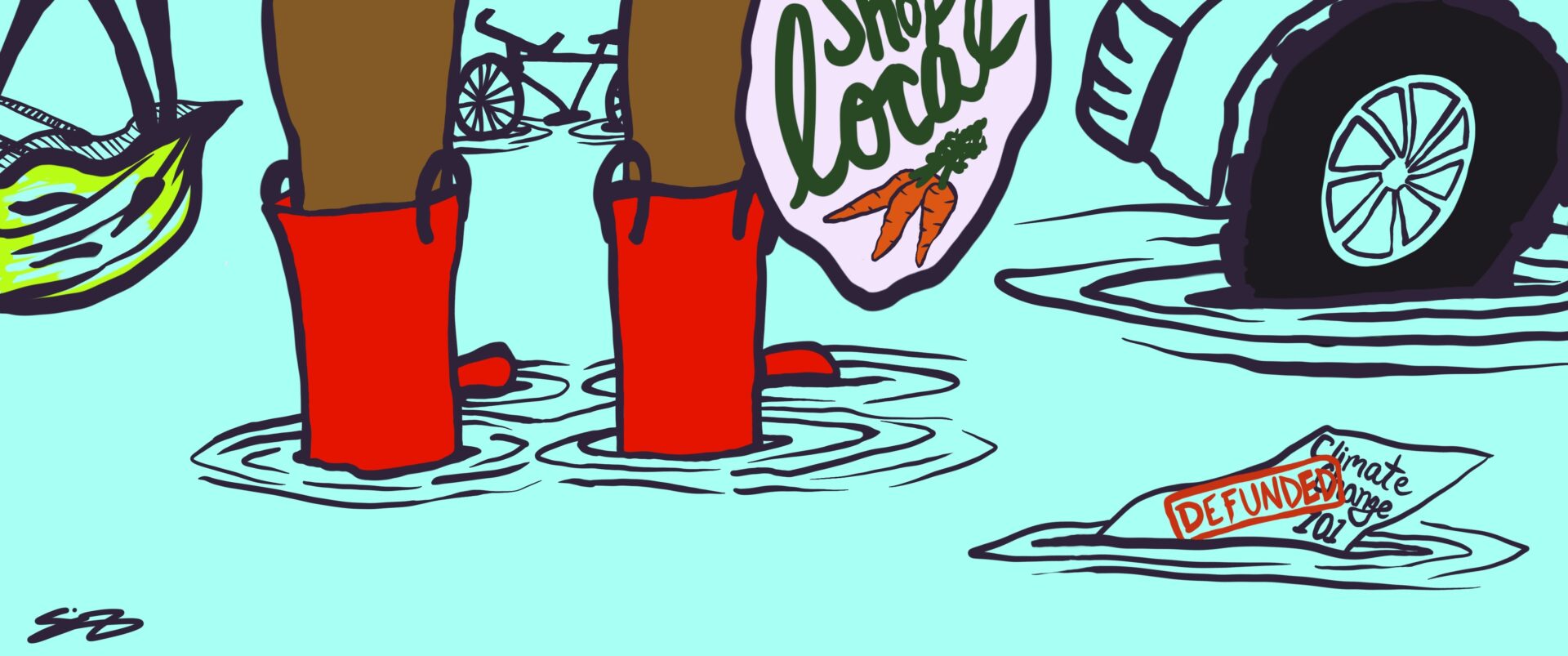
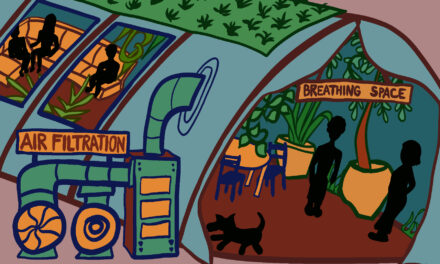
Arte: SZ
Hablé con Rhysea Agrawal, comunicadora y periodista climática de la Universidad del Sur de California, mientras facilitaba su primer grupo de diez pasos.
“Veo mucha gente que llega muy agotada, con burnout o muy angustiada”, dice. Escucha distintas versiones de lo mismo: “Trabajé tanto, luché tanto contra el cambio climático y no pasa nada.'”
Cuando la gente habla de lo que siente, algo mágico ocurre, según Agrawal. Escuchar los pensamientos y sentimientos de los demás la hizo sentirse menos sola. “En ese momento, me sentí vista. Me sentí aceptada. Sentí que mis emociones y pensamientos no eran nada raro”.
“Te veo; te escucho”
El mes pasado, asistí a uno de los espacios que GCN ofrece gratis por Zoom. Se llamaba “grieving elders”. En inglés, el título es un ingenio semántico, pues grieving puede interpretarse como un adjetivo y traducirse como “adultos mayores de luto” o “adultos mayores en duelo”; o como un verbo, y traducirse como “estar de luto por los adultos mayores”. Yo y otra persona interpretamos grieving como verbo, mientras que la mayoría lo interpretó como adjetivo.
¿Estábamos de luto por los adultos mayores que habíamos perdido o éramos adultos mayores en duelo? ¿Por qué no las dos?
El formato es preciso. No es una sesión libre. Las reuniones de GGN tienen valores y reglas claras; entre ellas, no dar consejos ni hablar sobre lo que otra persona compartió, algo parecido a la regla de no cross-talk en los grupos de doce pasos.
He estado antes en grupos de apoyo. Pero en esta sesión a la que asistí, hicimos algo que nunca antes había visto. Después de que alguien hablara, los demás la validábamos y apoyábamos, diciendo:
“Gracias, Maylin”.
“Te veo, Maylin”.
“Te escucho, Maylin”.
Lo llaman “reconocimiento simple”.
“Cuando oyes a varios decir ‘te escucho’ y tu nombre, piensas como: ‘Oh, no estoy loca’. Esto está pasando”, dice Schmidt. “Tengo derecho a estar preocupada por el clima. Tengo derecho a preocuparme por el ecocidio. No estoy sola.”
A Schmidt se le ocurrió esta práctica al darse cuenta de que la valentía puede manifestarse de manera diferente en cada persona. Para quien nunca haya asistido a un grupo así, simplemente llegar y decir “me alegra estar aquí” puede ser un acto profundo de vulnerabilidad.
Los beneficios de trabajar en grupo no son tangibles. ¿Cómo cuantificar la catarsis, esa sensación de no estar solos? Pero pensar en ese coro de “te escucho” y “te veo” me conmueve incluso ahora. Es como salir de un edificio oscuro hacia la luz del sol: inefable, difícil de describir, salvo que necesitamos que otros sean testigos de nuestros momentos más vulnerables.
Compartir “malos” sentimientos se siente bien y puede tener efectos inesperados. Después de completar el tercer paso, “Honrar mi mortalidad y la mortalidad de todos”, Agrawal se vio abrazando la vida.
“Todos le tenemos miedo a la muerte. Todos le tenemos miedo al duelo”, dice. Pero señala que esconderse de ese dolor implica perderse de todo lo bello que tiene la vida. La única manera de salir de ese miedo es vivirlo.
“El miedo a la muerte también significa que realmente aprecias la vida, que realmente la amas”, dice. “Honrar eso te hace tenerle menos miedo a la muerte.”
Traducido por Juan Pablo Peréz Burgos